Nederlands
AI agents turn old console games into PC versions, but the volunteer community is struggling with it
With smarter AI models and the free toolkit Reverse Engineer Anything, dozens of unofficial PC versions of console games are appearing in a short time. The site that tracked this work is closing its leaderboard: according to its creator, the fast AI work is hurting the community.
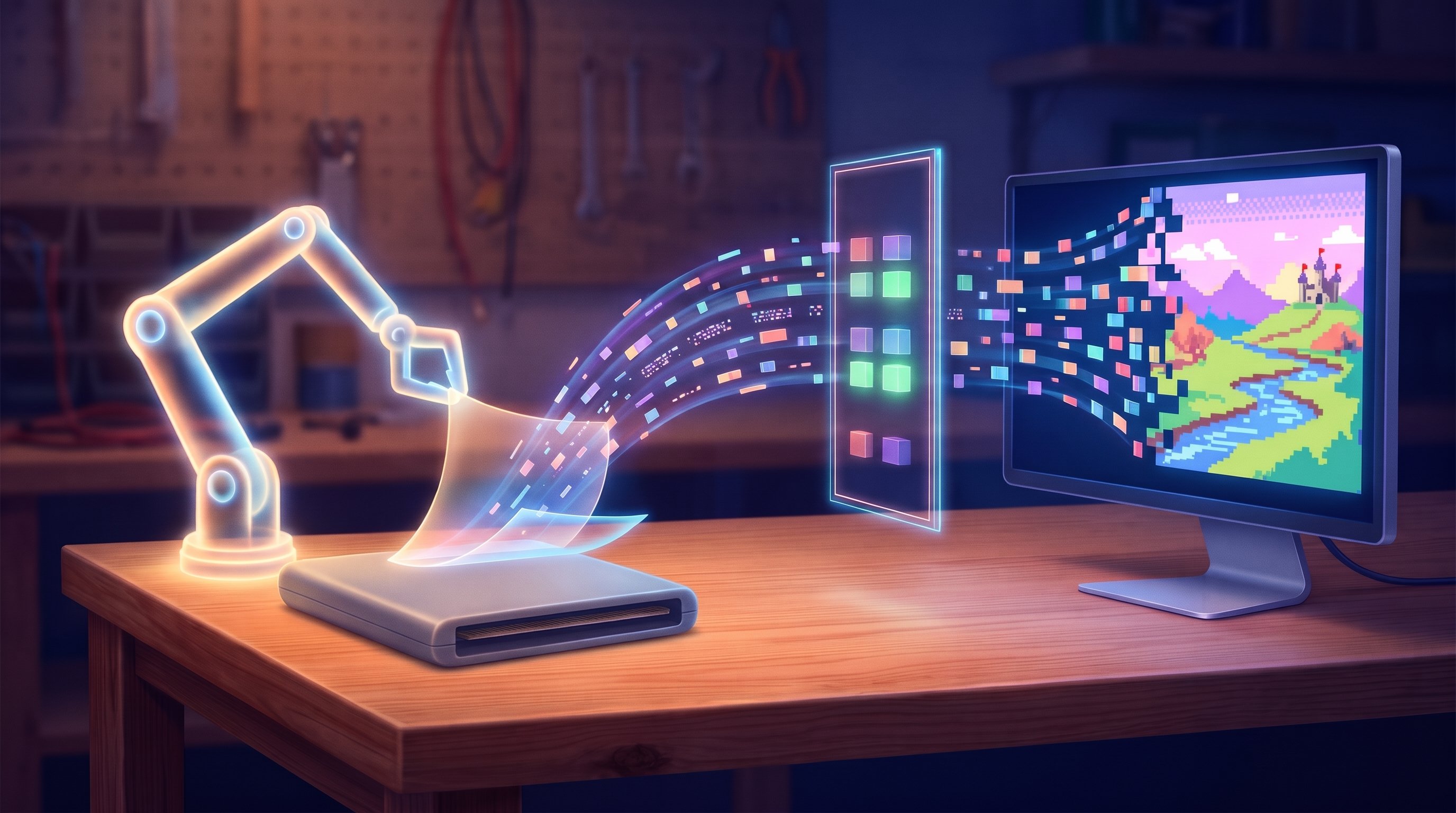
In recent months, dozens of console games have been unofficially turned into real PC versions. They were built with the latest AI models and with a free tool called Reverse Engineer Anything, or REA for short. According to the tech site Tom's Hardware, that combination explains why such versions are suddenly appearing everywhere.
What is decompiling?
A game is written in a programming language that people can read. A computer then turns that code into a long series of ones and zeros that only the games console understands. For old games, the original code is often no longer available. Anyone who wants to run such a game on another computer therefore has to reverse that step: turn the ones and zeros back into readable code. That is called decompiling.
It is painstaking work. Every function of the game has to be rebuilt, and a single wrong character already causes an error. That is why such projects often took years, with large groups of volunteers.
How AI handles this work
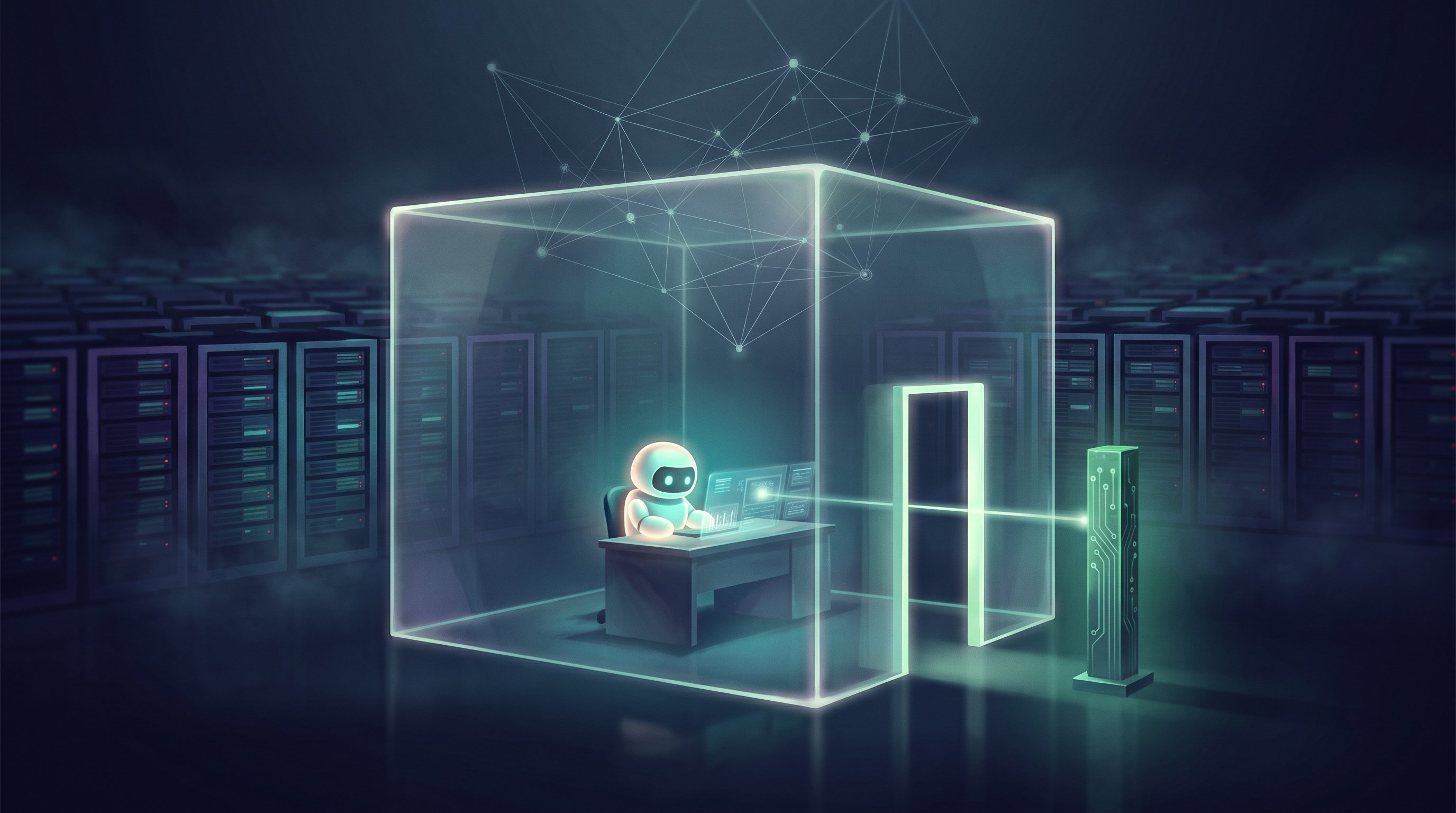
REA is not a decompiler itself. It is a toolkit that links existing tools for taking programs apart and makes them available to an AI agent: an AI that carries out a series of steps on its own. The agent also receives fixed working instructions. This way, a person no longer has to direct every step. REA is open source on GitHub and works with the coding assistants of Anthropic, OpenAI and Google, among others.
A well-known problem with AI is that it sometimes makes up things that are not there. With decompiling, that is easy to check. The rebuilt code is turned back into ones and zeros and then compared with the original, character by character. If it does not match, the agent tries again, or the developer steps in. Such a strict check makes the work reliable, even when the AI makes mistakes along the way.
According to Tom's Hardware and the creator of decomp.dev, recent models such as OpenAI's GPT-6 Astra follow complex instructions much better than models from the start of this year. It is not cheap yet. German developer Maurice Heumann used AI agents to rebuild the 2009 PC version of Call of Duty: Modern Warfare 2 in about three months. By his own estimate, this took 600 to 700 billion tokens: the small pieces of text an AI model works with. Almost all functions of the game have been rebuilt, and more than 8 out of 10 are identical to the original, character by character.
The community looks for a new way forward
The rapid growth is putting pressure on the community of volunteers who decompile old games. The website decomp.dev, since 2024 the central place where such projects tracked their progress, has closed its public overview and leaderboard. New projects can no longer be added. The pages of existing projects and their history do stay online.
The site's creator, who writes as @encounter, says that AI really does make decompiling faster and that AI in itself is not the problem. But according to him, some people take over the work of others and finish it with AI while contributing little. Others rush to release half-working PC versions. The percentage on the leaderboard thus became an empty numbers game. He did not see a ban on AI projects as a solution: as the only volunteer, he cannot judge what is good enough across hundreds of projects.
There are also makers who mainly see opportunities. Chris Sotraidis used AI coding help to bring the classic The Legend of Zelda: Ocarina of Time to iPhone and iPad as a real app. He built on a decompilation that volunteers had made earlier. Players still need their own copy of the game for such versions.
Microsoft is also watching with interest. Xbox chief Asha Sharma announced Xbox Labs in mid-October: a small team that is researching how generative AI is used to decompile games, move them to other devices and modify them. Which projects that team will take on is not yet known.
What does this mean for the road to the singularity?
This shows that AI agents can now do very precise technical work for weeks, as long as there is a strict check that catches their mistakes. Here, that is the character-by-character comparison with the original. This approach, an independent agent plus a strict automatic test, also works outside games: for maintaining old software whose code nobody has any more, or for moving programs to new computers. The next step is for communities and companies to find ways to share that work fairly and to safeguard its quality. With initiatives such as Xbox Labs, that conversation seems to have already begun.
What is the technological singularity? Read the explanation →