Nederlands
Section
Hardware
Chips, data centres and computing power.
-
Fifteen computers built with human brain cells work together and do better than one
Australian company Cortical Labs linked fifteen computers that use lab-grown human brain cells. In early tests they did better together than a single machine and a common AI program. The results are preliminary and come from the company itself.
-
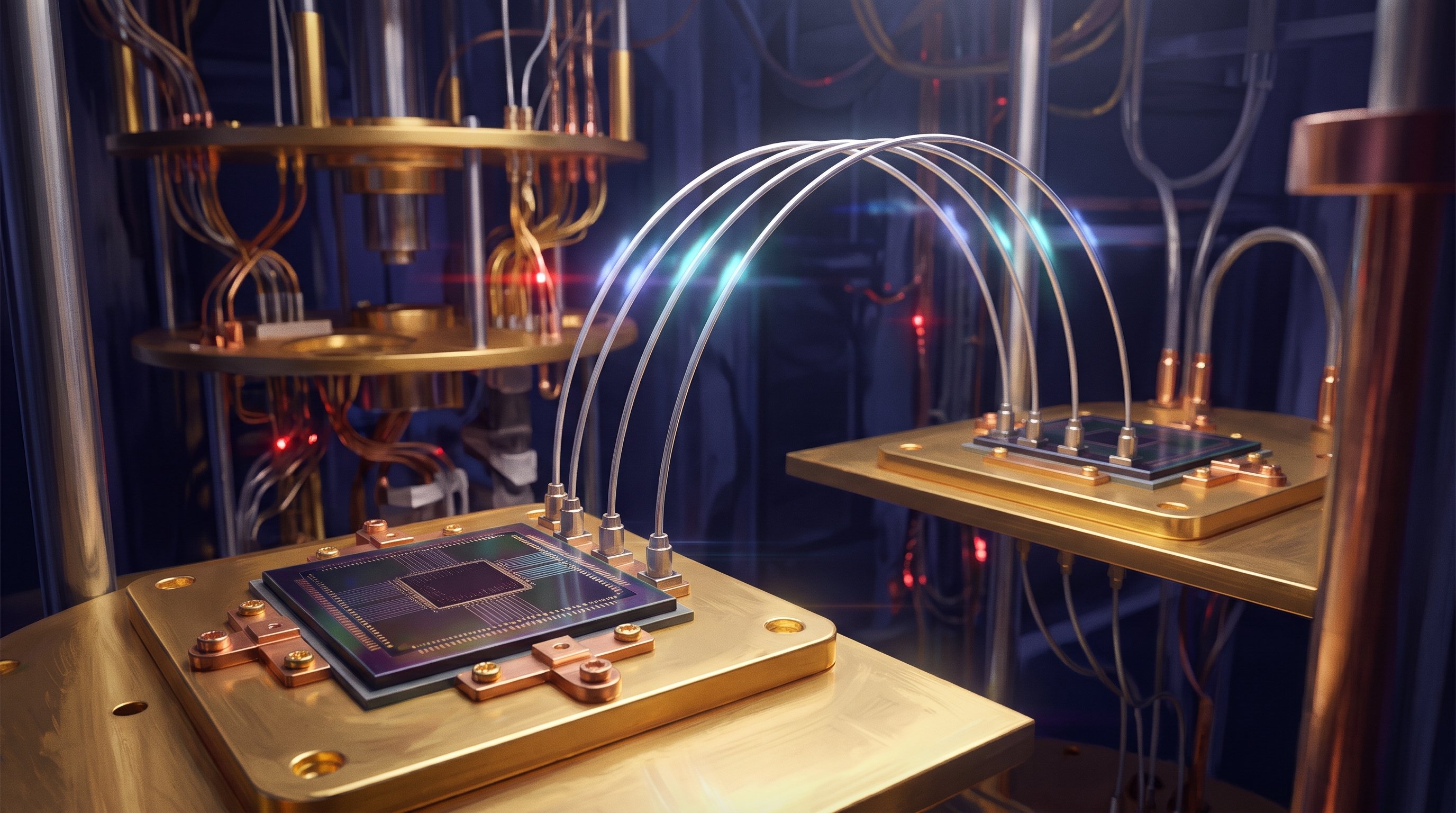
IBM links two quantum chips with 80-centimetre cables
IBM researchers connected two quantum chips of 120 qubits each with four superconducting links of 80 centimetres. Quantum information came across correctly 99 times out of 100 on average. It is a step towards quantum computers built from separate modules.
-
Chinese team sends 3.2 petabits per second through a single optical fibre
Chinese researchers sent 3.2 petabits per second through one optical fibre with 24 cores, and the equipment processed everything straight away. That is a record for this kind of real-time measurement and could help connect AI data centres faster in future.
-
Free tools take the brakes off Nvidia graphics cards: up to twice as much AI computing power
Free open-source tools remove a brake that Nvidia built into the firmware of its GeForce graphics cards. For AI calculations, some cards become up to twice as fast. In practice the gain is smaller, and the tools are still experimental.
-
Tiny holes that slow down light make a small Japanese chip for optical fibre far more efficient
Japanese researchers built a component that turns electrical signals into light, using tiny holes that slow the light down. It is 0.3 millimetres long, runs on low voltage and sends up to 200 gigabits per second. The next step: losing less light along the way.
-
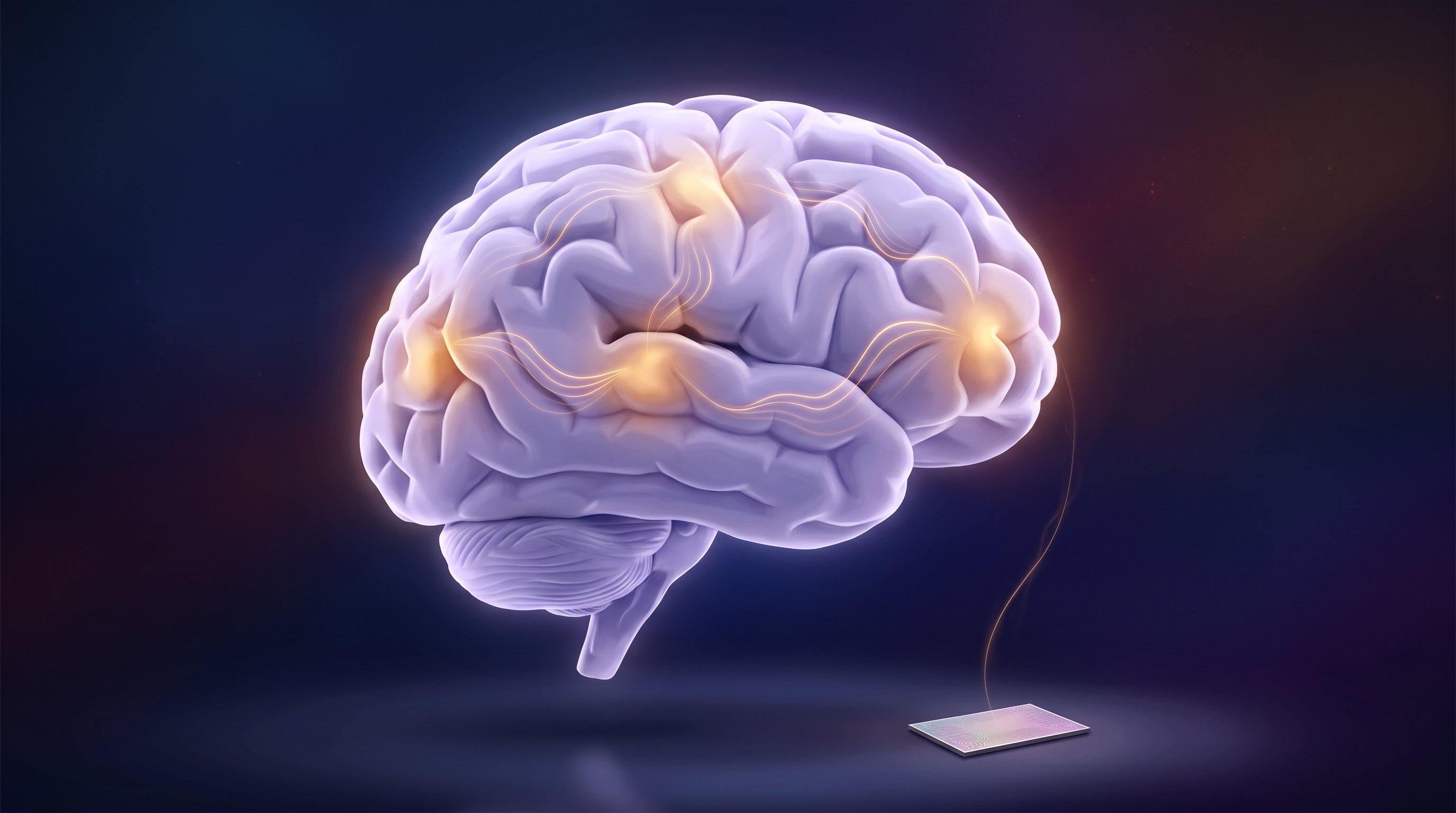
Low-power brain implant recognises mental state from how brain regions work together
Researchers at EPFL have built a chip of 4 by 2 millimetres that measures how brain regions work together and so recognises concentration and emotional arousal. It uses very little power. The chip already works on recordings from people and in rats; patients are the next step.
-
10-dollar light sensor from Cambridge can recognise substances in skin, food and plastic
Researchers at the University of Cambridge made a spectrometer on a chip of a few centimetres, for about 10 dollars. It recognises substances by the light they absorb. In one volunteer it tracked blood sugar without a finger prick; the next step is testing in more people.
-
Nvidia lets AI agents do only what is allowed, and checks the rules in advance with mathematics
Nvidia presents OpenShell: free software that lets AI agents work in a sealed-off space. A mathematical check looks in advance at whether the rules allow more than intended, and according to Nvidia a separate chip can stop an agent within milliseconds.
-
Quantum computer catches its own errors so well that only 5 in a million remain
Quantinuum's Helios quantum computer set a new record in error correction: on average, something went wrong five times in a million checking rounds. That is ten times better than the previous record. The next step is to show this for more complex calculations too.
-
Japan gives the green light: TSMC will make the most advanced AI chips in Kumamoto
The Japanese government has approved the new plan for TSMC's second chip factory in Kumamoto. From the end of 2028, 3-nanometre chips for AI will come off the line there, for the first time in Japan. The factory will, however, start smaller than first planned.
-
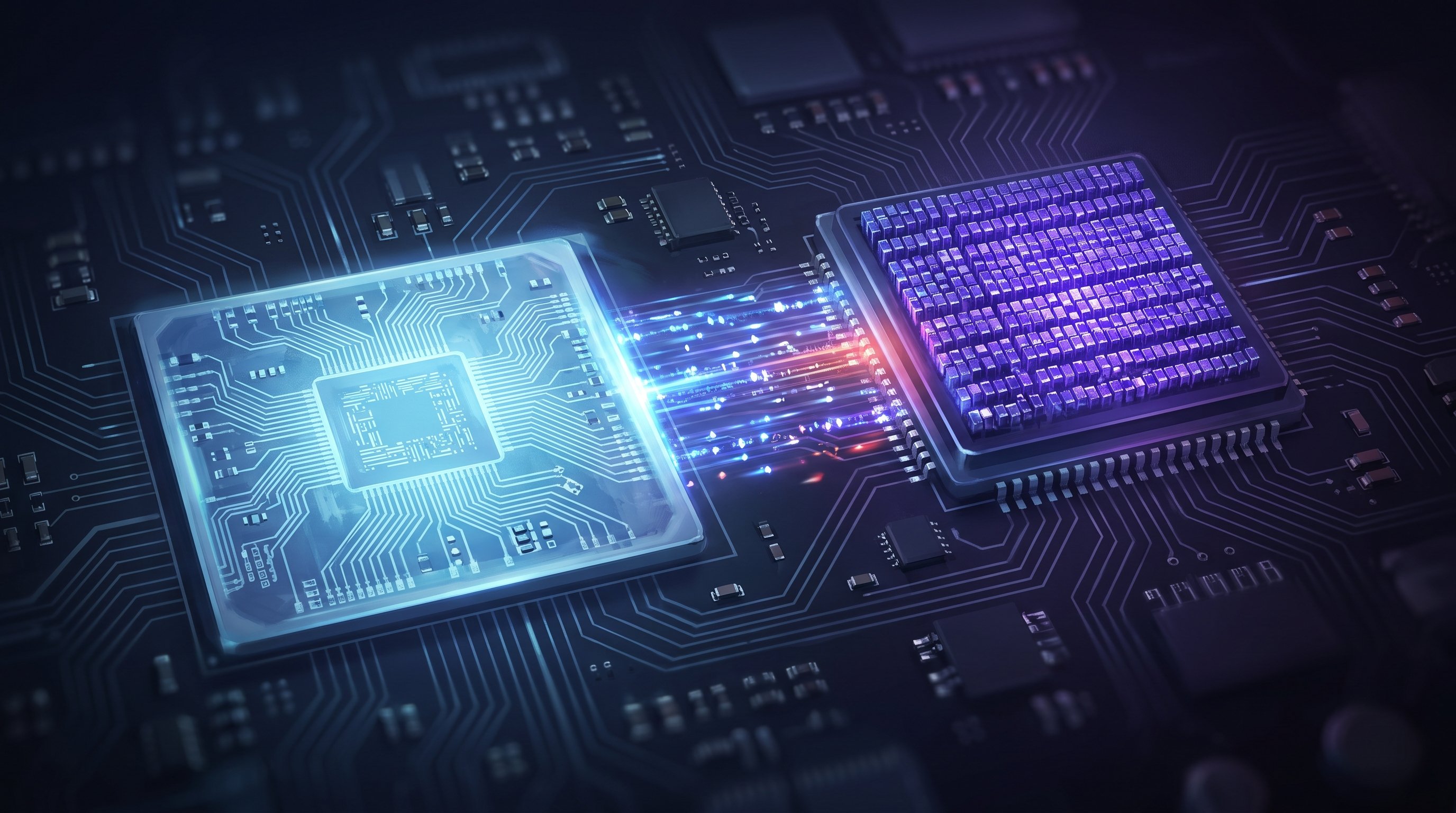
d-Matrix splits the work of an AI model across two kinds of chips for faster answers
At a major data centre conference, the American chip company d-Matrix showed how an AI model answers faster when ordinary graphics chips and its own chips each do the work they are good at. The company now also supplies complete computing clusters.
-
Chinese company Sugon shows computing cluster with 100,000 home-grown AI chips
China's Sugon is showing its Sugon 8000: a computing cluster that links 100,000 computing cards made in China. The system combines AI with classic supercomputing and, according to Sugon, has already run ten research projects.
-
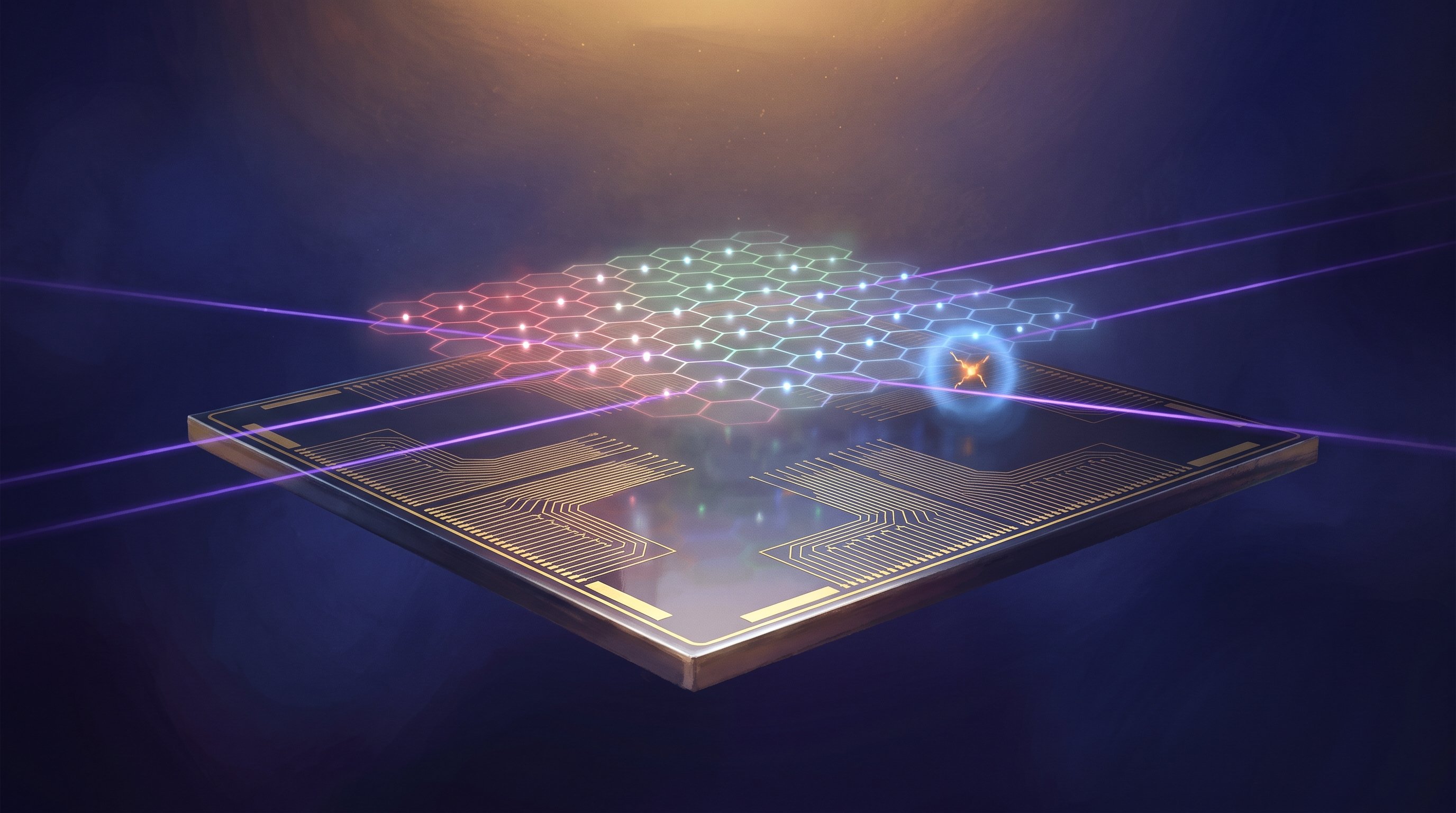
Stanford builds a grid of more than 600 light traps to link quantum computers made of atoms
Physicists at Stanford built a grid of more than 600 tiny light traps, each of which can catch the light of a single atom. That helps to read out quantum computers made of atoms faster and later to link them together.
-
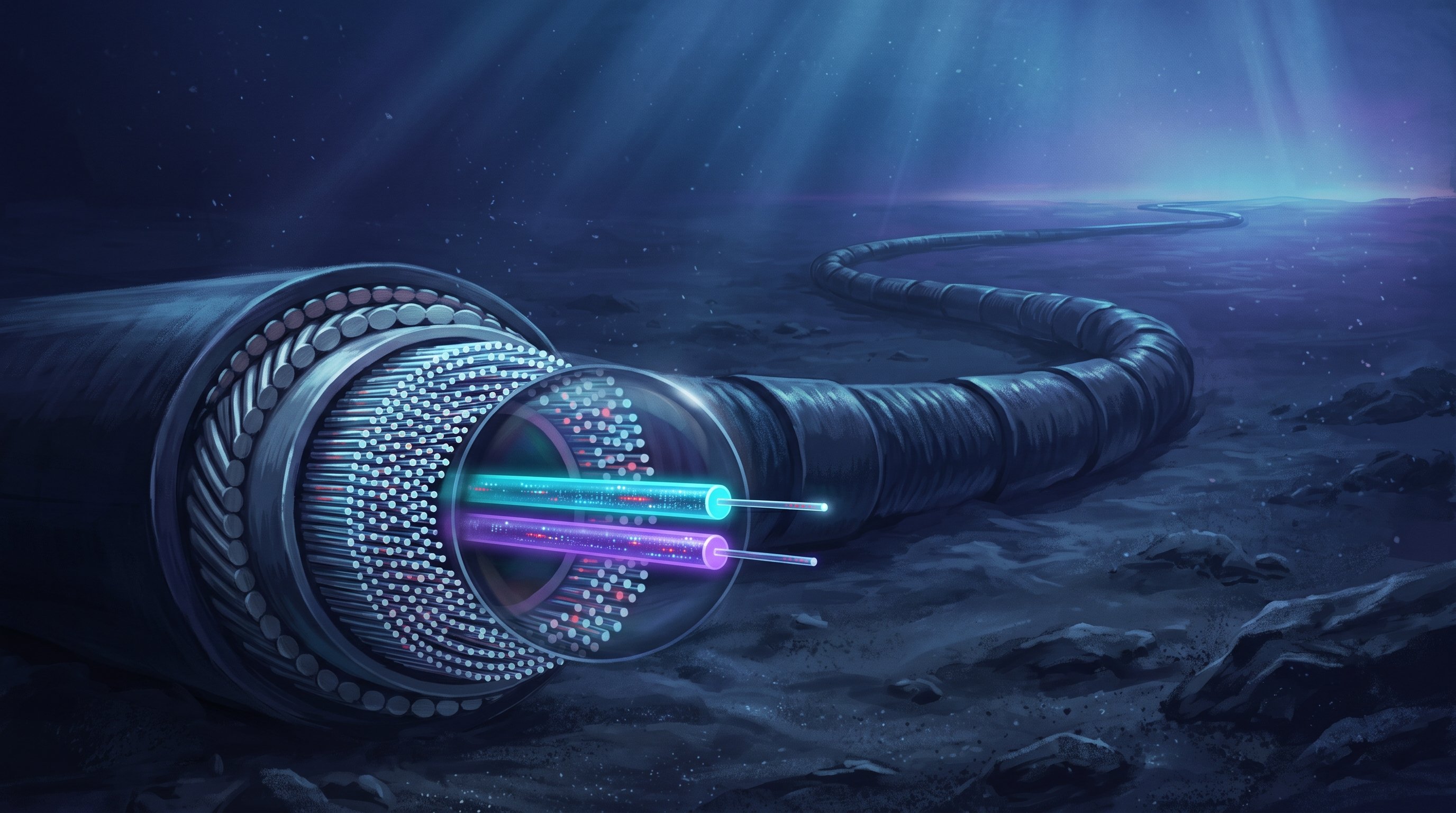
Meta has a subsea cable built with two light channels per glass fibre: twice as much data across the ocean
Meta is having a subsea cable laid between the United States and France that can carry 1 petabit per second, according to Meta twice as much as the best cables today. The secret: each glass fibre has two light channels instead of one. The cable is due to work in 2029.
-
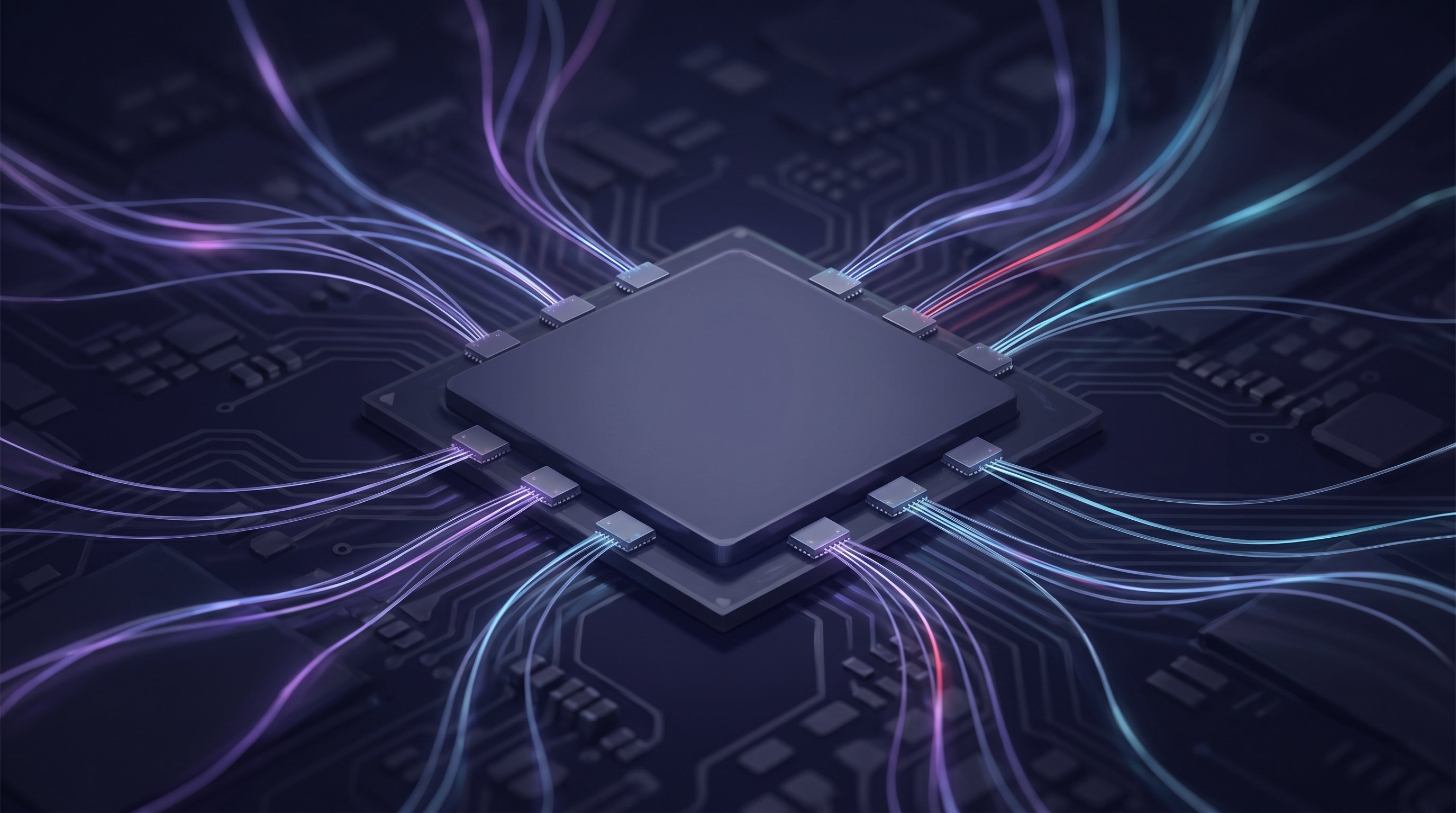
Working AI server rack lets chips talk through light, with the optics right next to the chip
At a major data centre trade show in the US, three tech companies showed a working server rack in which chips talk through light, with the light components right next to the computing chip. That could make AI data centres much more energy-efficient. Large-scale production is next.