Nederlands
Section
Energy
Nuclear fusion, nuclear power plants, power for data centres and storage.
-
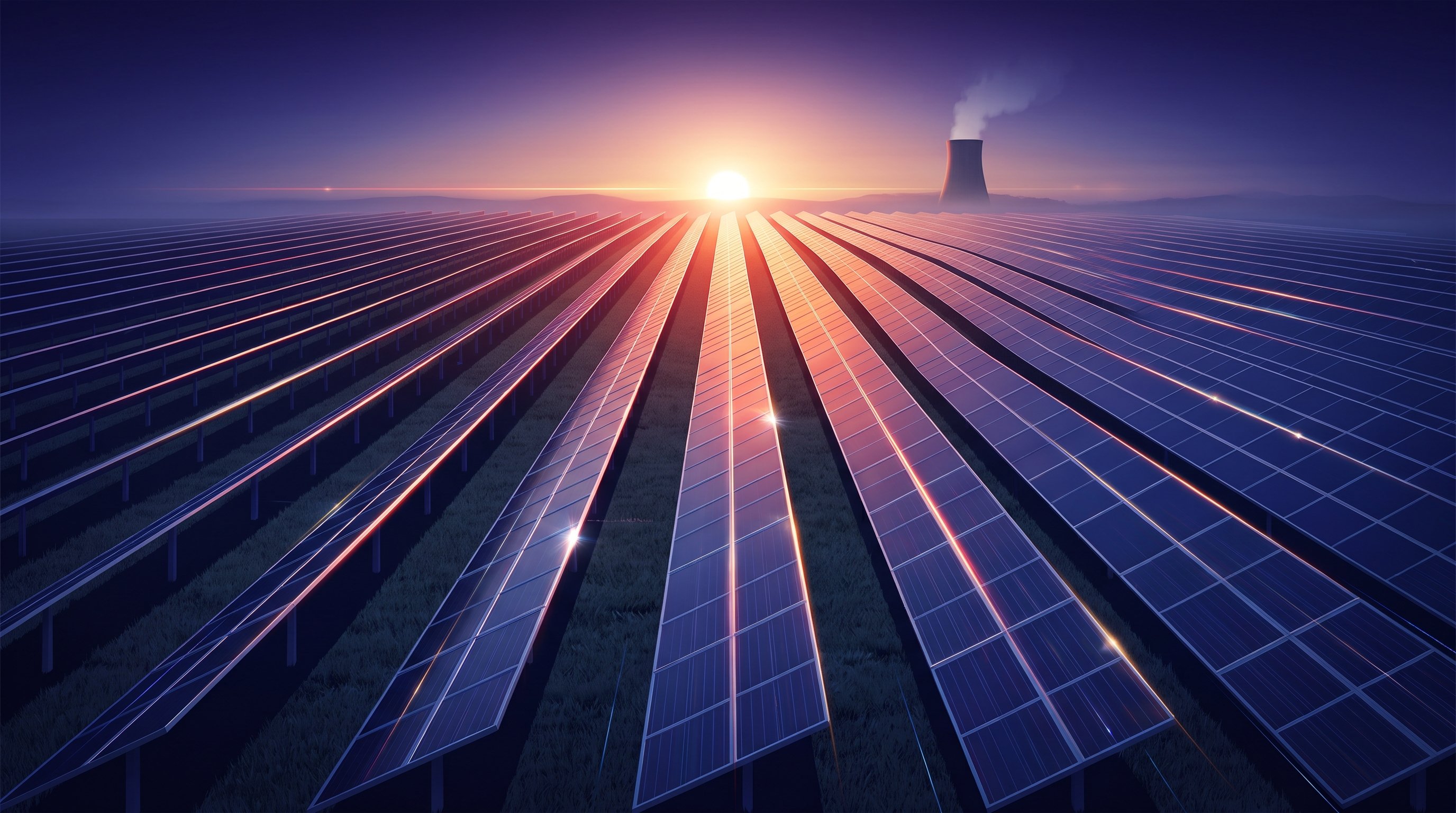
Solar power overtakes nuclear power worldwide for the first time
In 2025, solar panels generated more electricity than all nuclear power plants combined for the first time, says a major annual report on nuclear power. This year the lead is already clear, while nuclear's share is at its lowest level in 45 years.
-
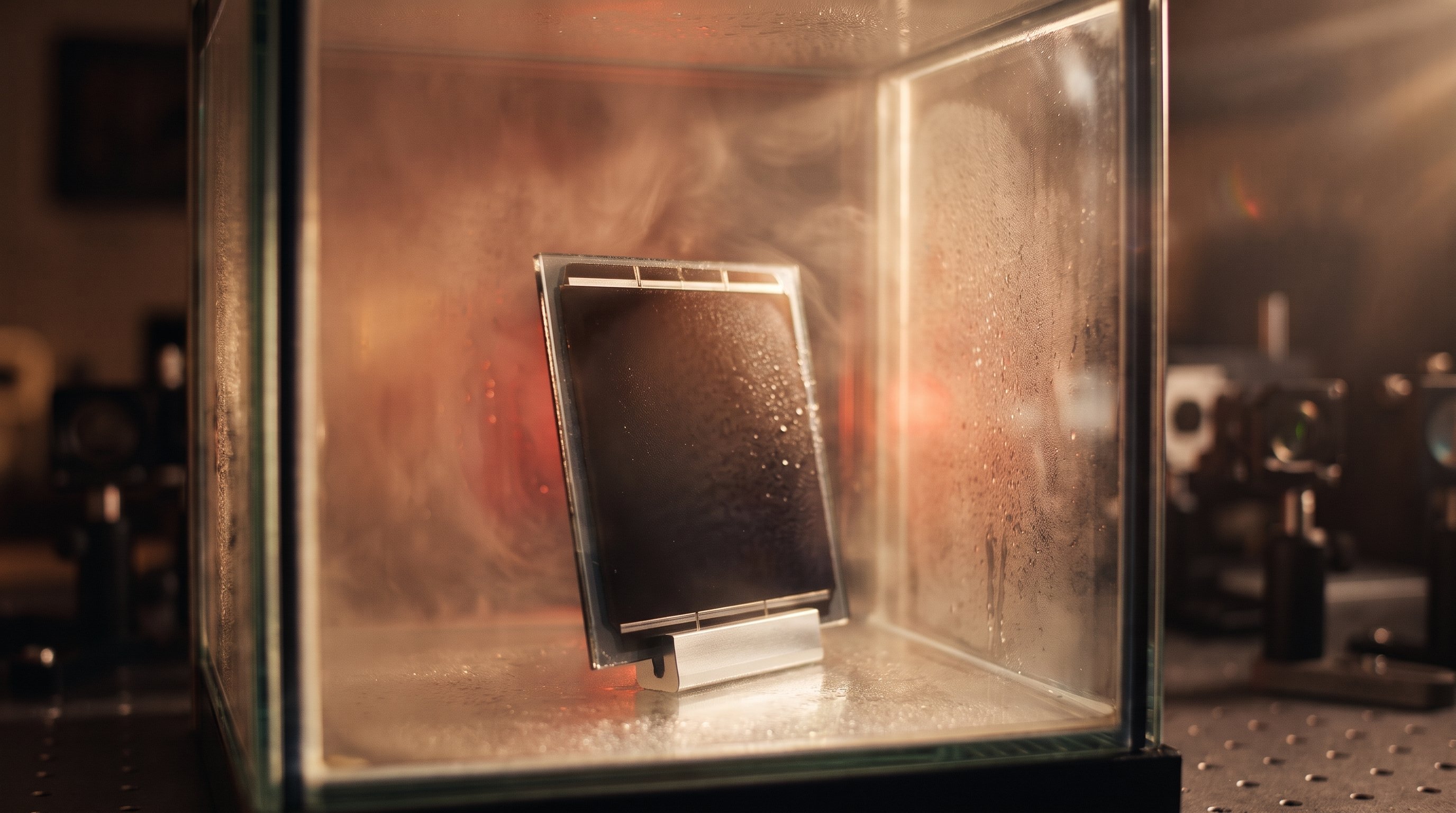
New solar cell survives 1,000 hours of heat and humidity thanks to a clean-up trick
Korean researchers filter the substance that makes perovskite solar cells wear out quickly out of the production process. After 1,000 hours at 85 degrees and in humid air, their cells still kept 95 per cent of their efficiency, an important step towards solar panels that last a long time.
-
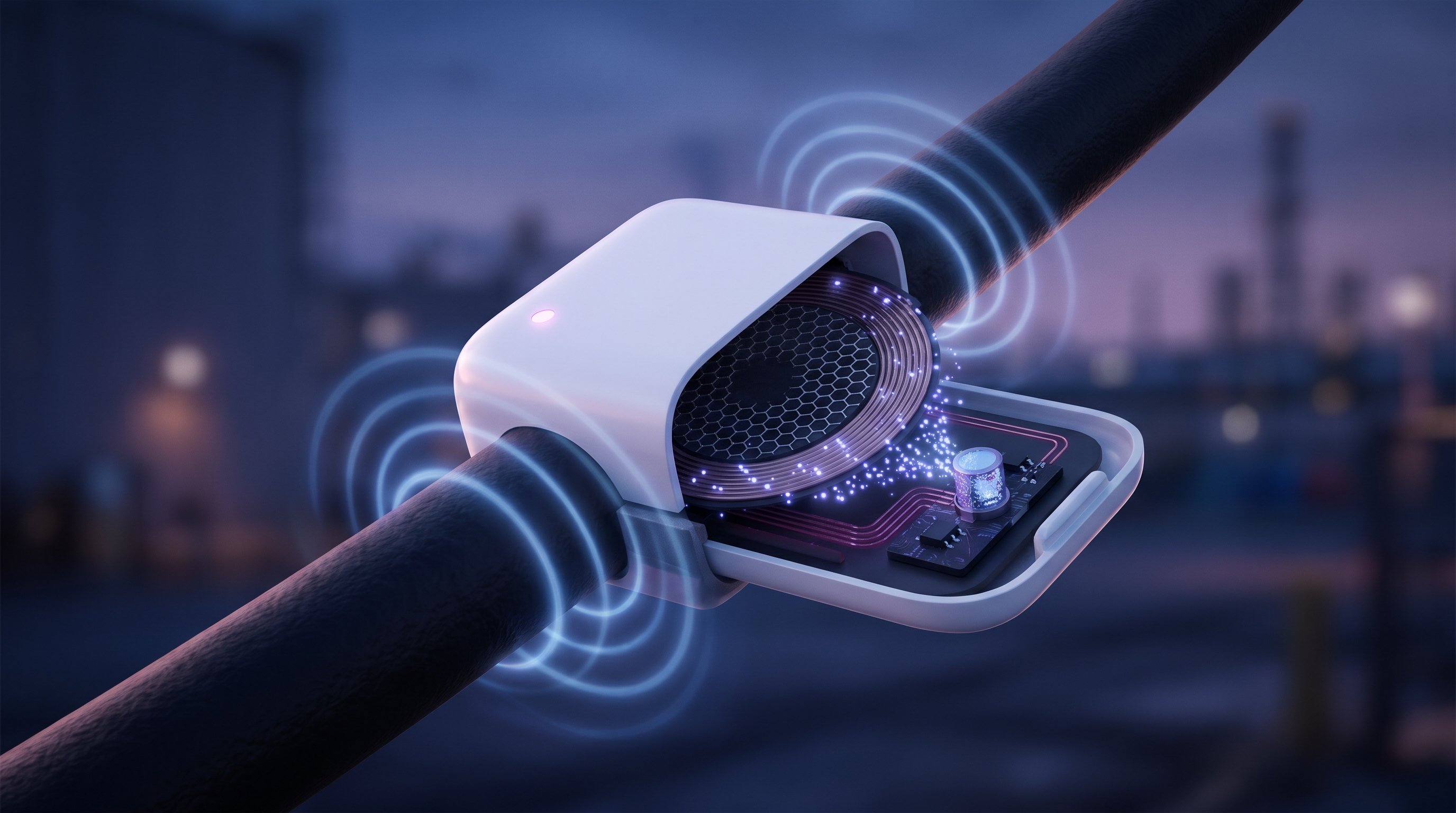
Graphene coil draws power from the magnetic field of power cables: sensor works without a battery
Researchers from Arkansas and Michigan power a temperature sensor with energy from the magnetic field around power cables, using a component made of graphene. If the power goes out, the sensor keeps working for at least 24 hours.
-
A little silver makes a light lithium battery without a separate negative electrode much more stable
Researchers in Hong Kong add a substance containing silver to a battery without a separate negative electrode. A 2 amp-hour test cell reached 467 watt-hours per kilogram, and a smaller cell kept 90 per cent of its capacity after 200 charges.
-
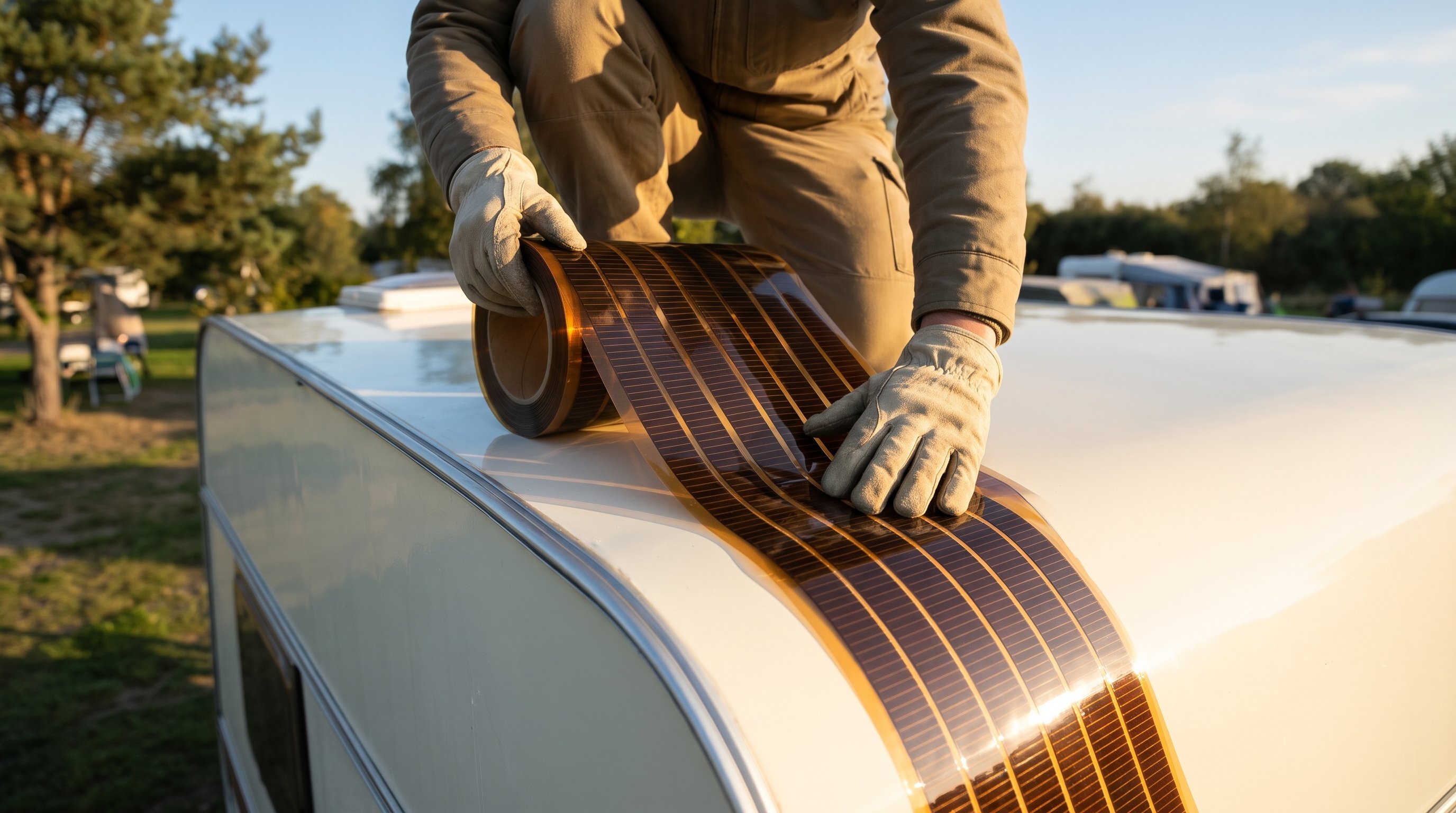
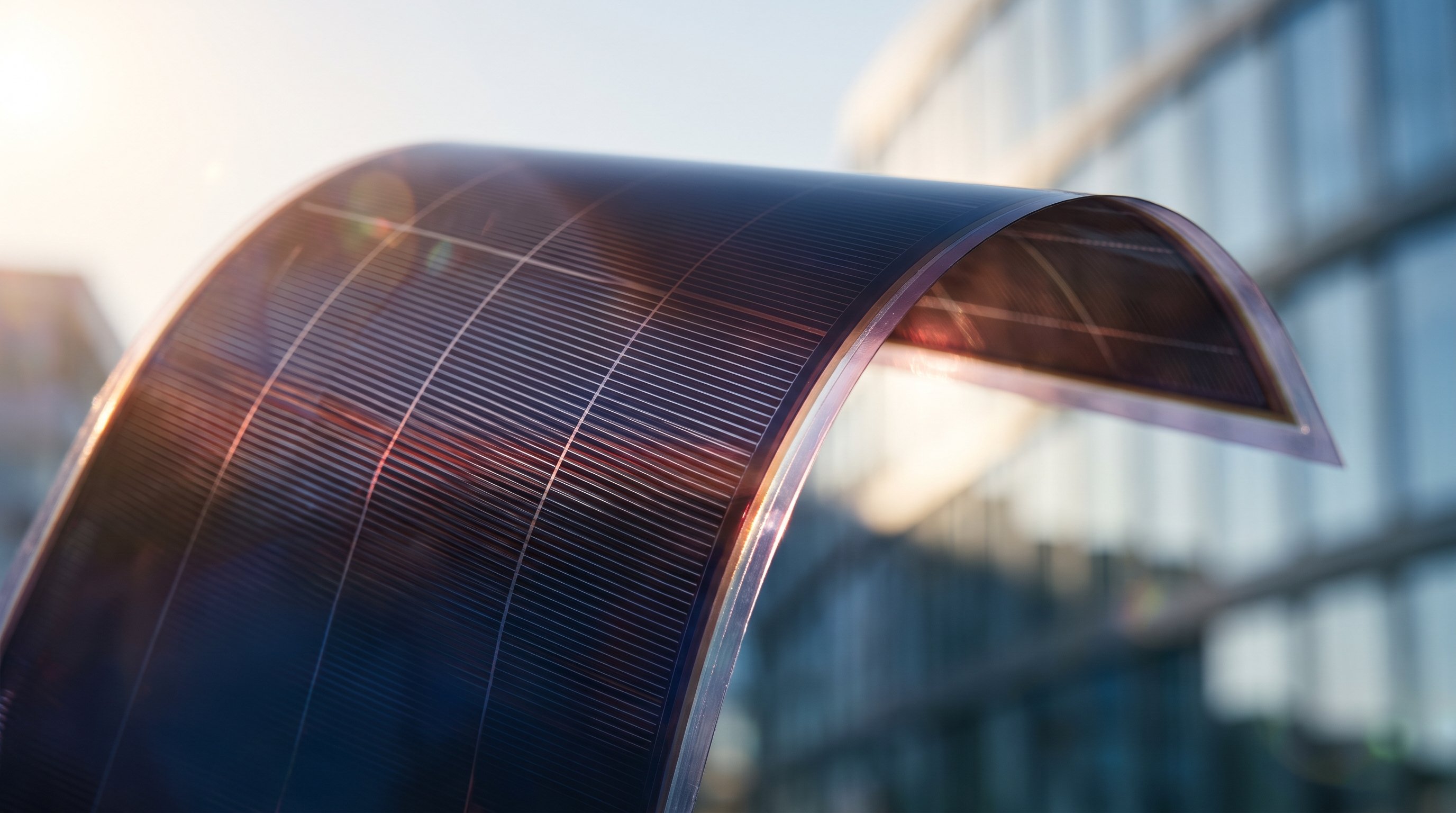
Flexible solar cells reach high efficiency and pass a tough endurance test
Chinese researchers have made flexible solar cells that also work well as larger panels. A small cell converts a certified 26.9 per cent of sunlight into electricity. After more than 1,000 hours of heat and humidity, a test panel kept 92.5 per cent of its efficiency.
-
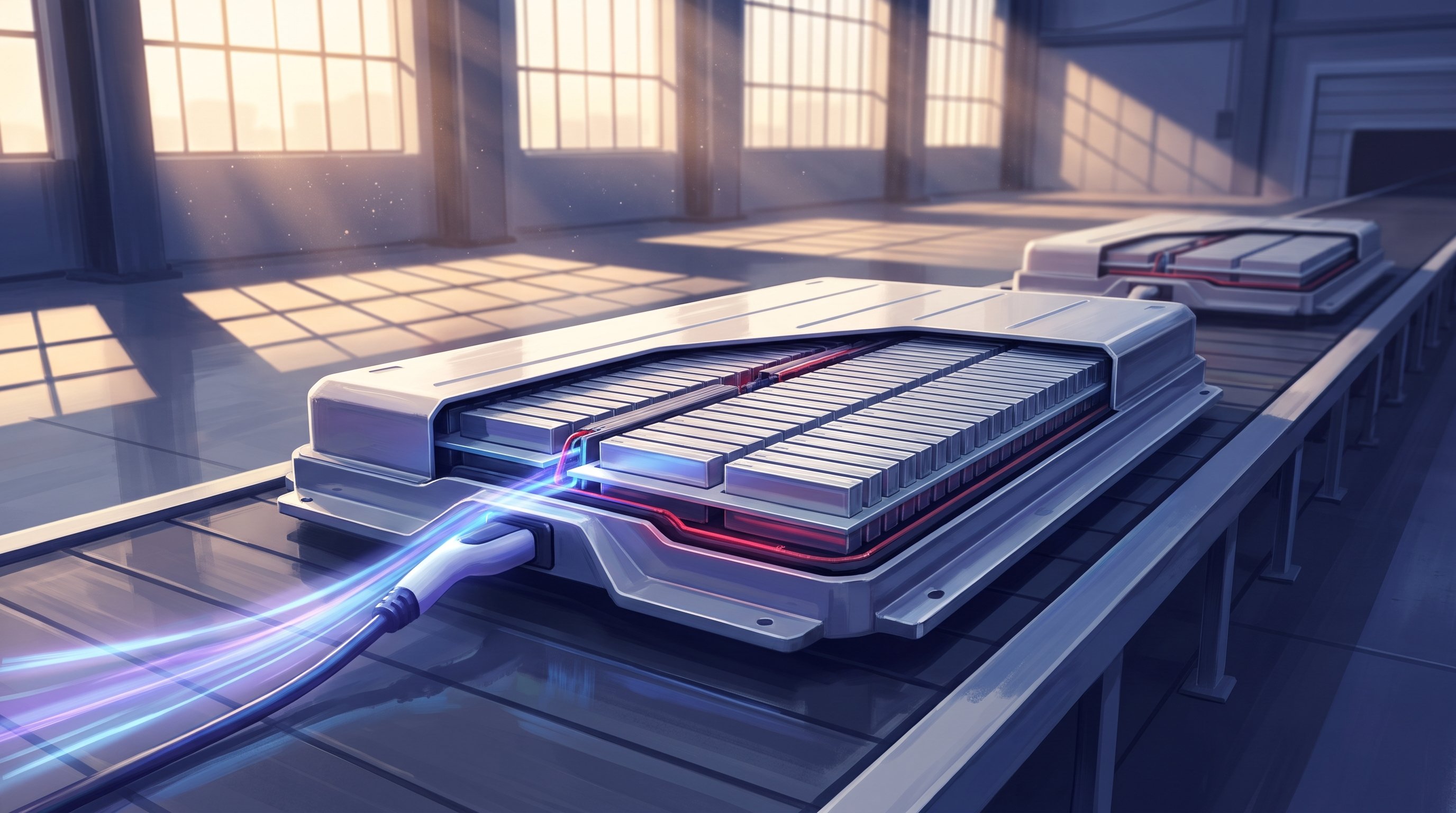
Svolt starts series production of fast-charging batteries with a partly solid electrolyte
Chinese battery maker Svolt is now building 100 kWh battery packs in series, with cells that partly use a solid material. According to the company, 12 minutes of charging adds 500 kilometres of range. Svolt will soon announce which cars will get them.
-
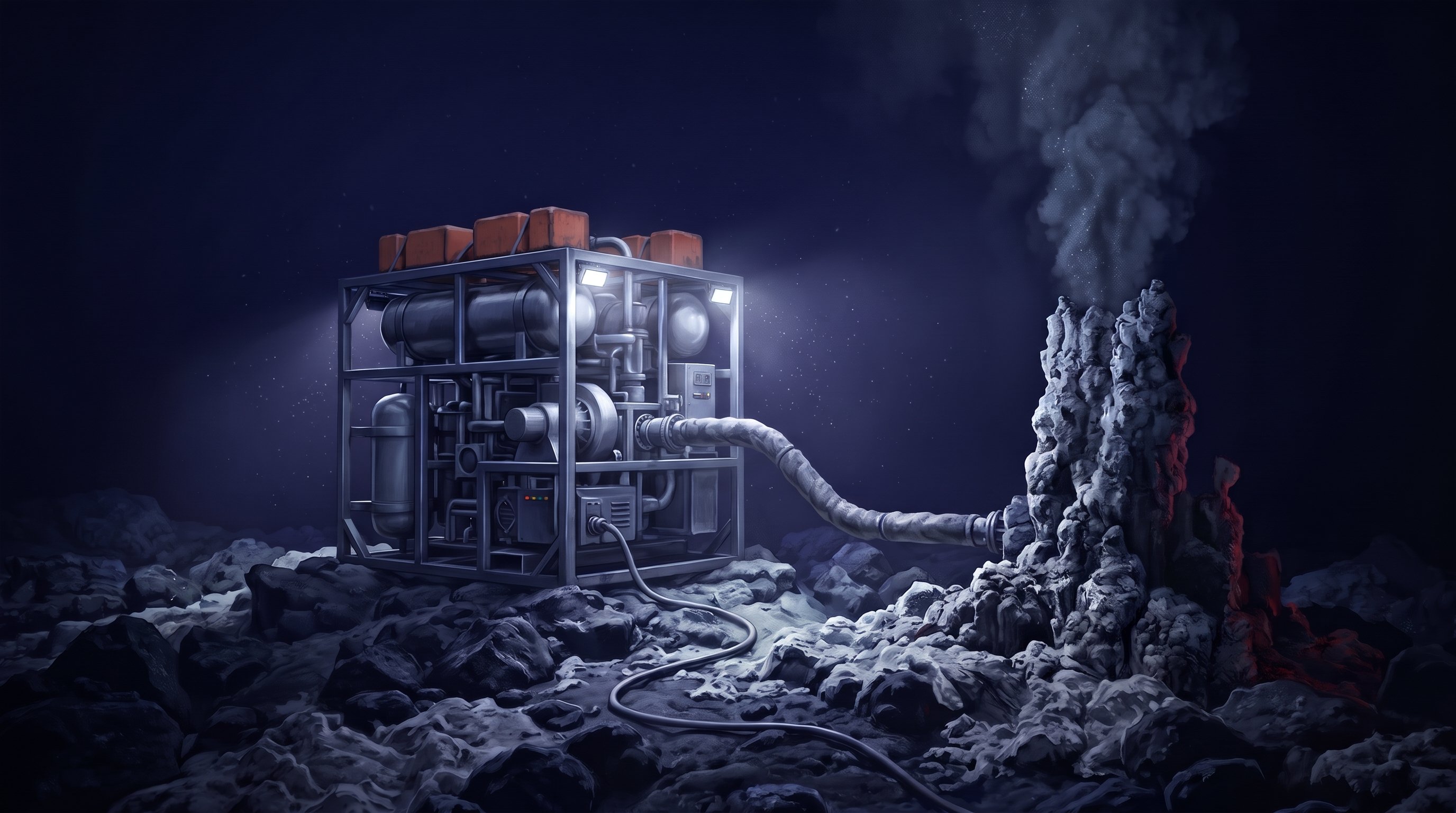
Start-up generates electricity for the first time with a power plant on the seabed, at an underwater volcano
At a depth of one and a half kilometres, Endurance Energy ran a small geothermal power plant on the heat of an underwater volcano. For a few seconds, it produced more electricity than it used itself. A stronger version follows this winter.
-
Artificial leaf from Singapore uses sunlight to make hydrogen from seawater and clears up a poison at the same time
Researchers in Singapore built an 'artificial leaf' that, without power from outside, gets hydrogen from polluted seawater and at the same time breaks down the toxic substance hydrazine. It is a first working prototype; the next step is a larger and longer-lasting device.
-
Chemical lock helps organic solar cells keep working well for longer
Chinese researchers have chemically fixed a very thin, fragile layer inside organic solar cells. Small cells reached 20.4 per cent efficiency, larger modules 18.8 per cent, and after 2,000 hours in the light the tested cells still delivered more than 85 per cent of their starting efficiency.
-
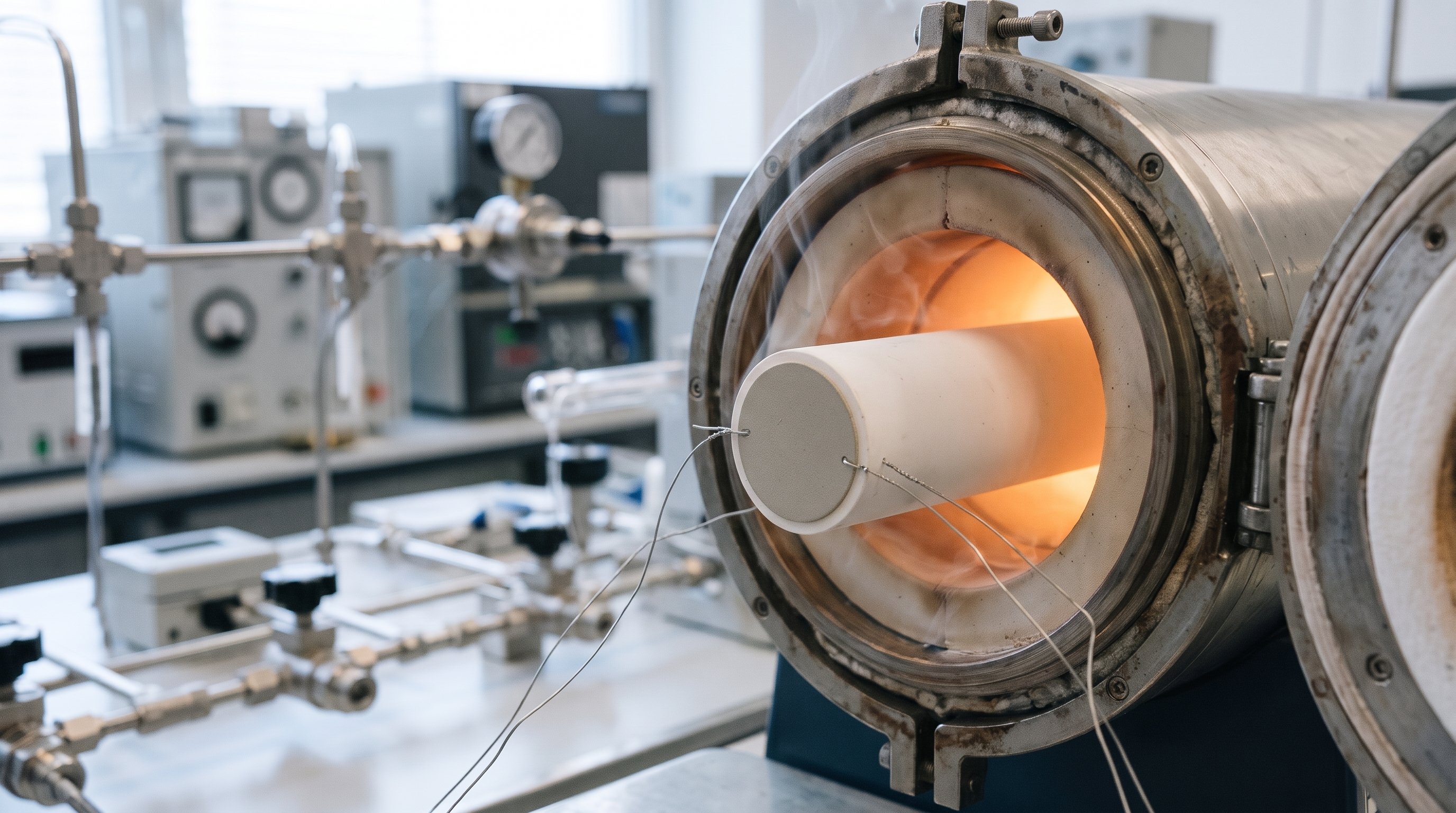
Ceramic cell in Groningen makes twice as much hydrogen from steam with the same amount of electricity
Researchers at the University of Groningen have doubled the hydrogen output of a ceramic cell that splits steam, without extra electricity. The cell ran stably for more than 500 hours. So far it is a lab experiment.
-
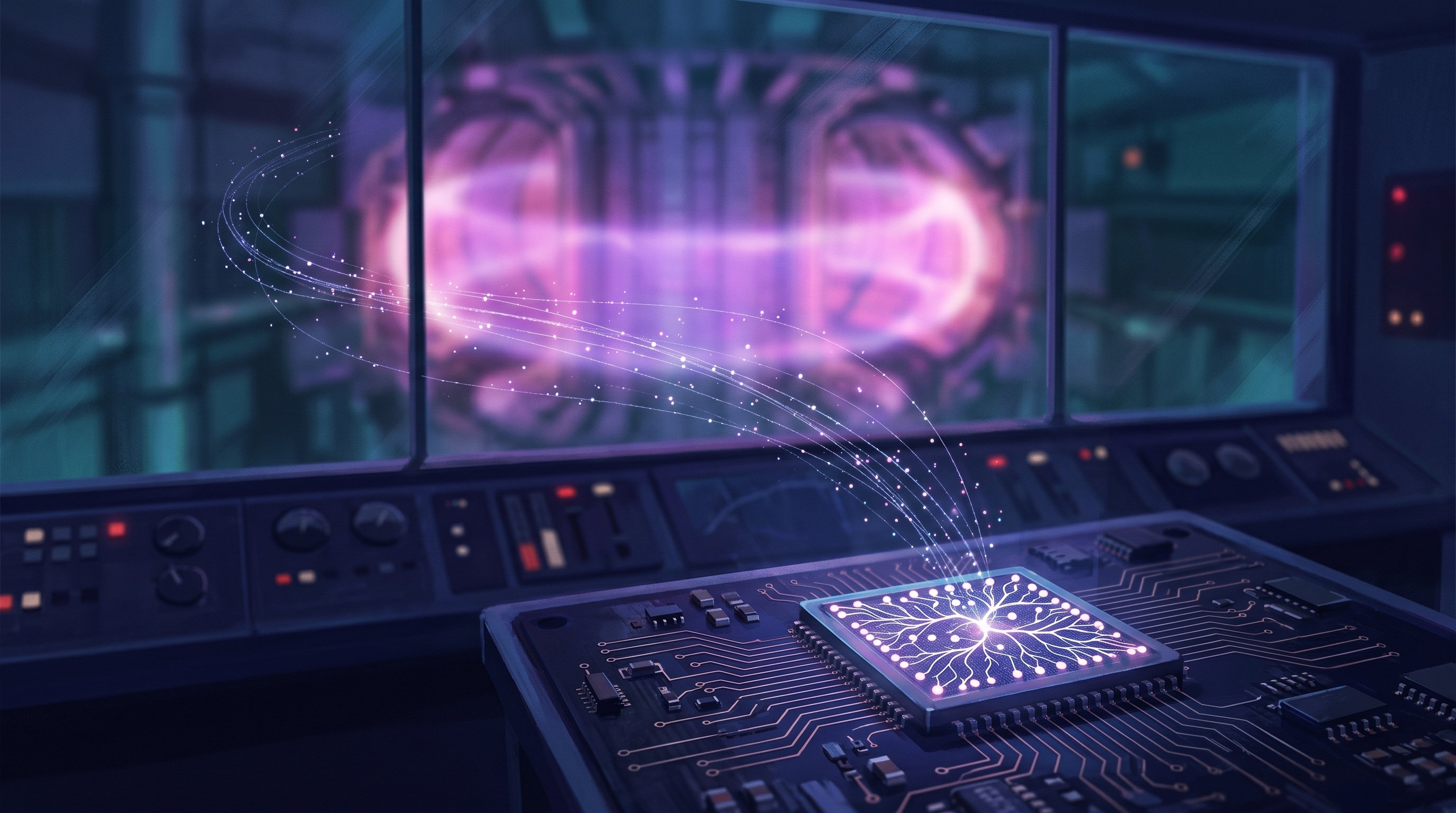
Brain-inspired chip keeps up with a million measurements per second from a fusion reactor
An American team tested a superconducting chip that works like a network of brain cells. It processed measurements from a fusion reactor as fast as they came in. Next year, a chip ten times larger will monitor the reactor itself.
-
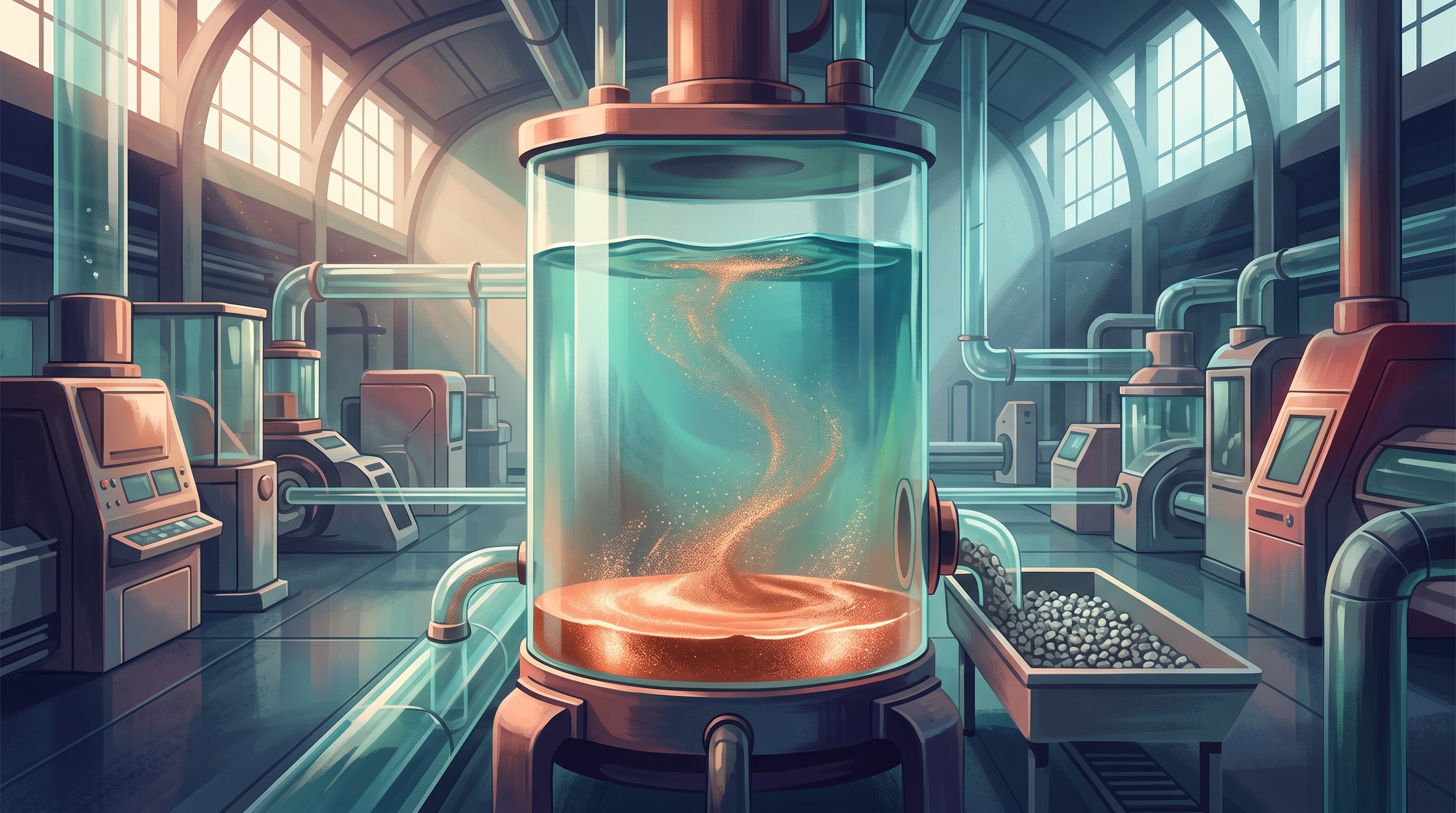
New method removes toxic arsenic from copper without a hot furnace
The Australian mining company Fortescue removes arsenic from copper ore with a liquid instead of a hot furnace. After four years of trials, the first batch of clean copper concentrate has been sold. That could make much copper usable that now stays in the ground.
-
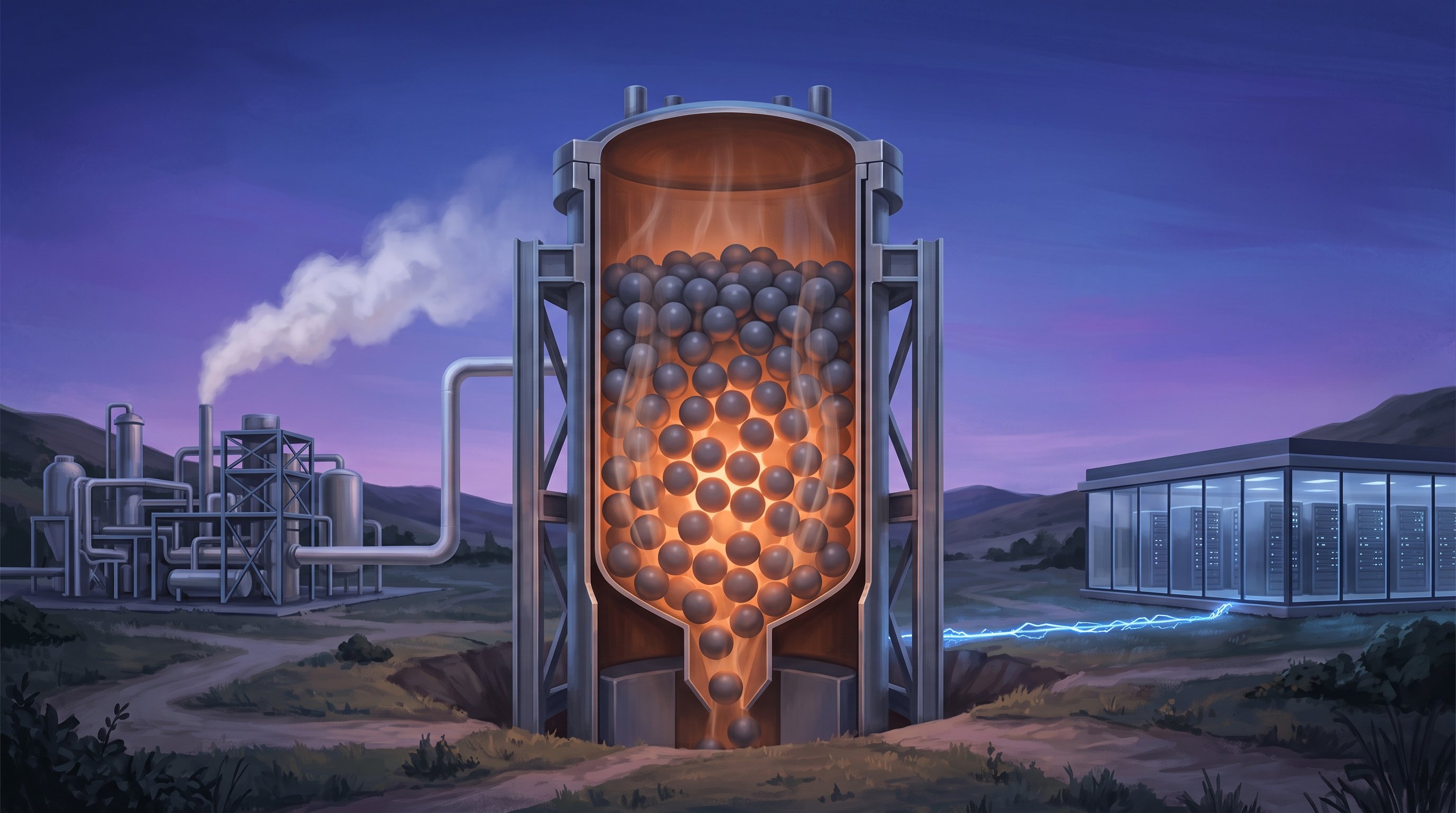
X-energy builds a small helium-cooled nuclear reactor for factories and data centres
The American company X-energy is developing a small nuclear reactor that is cooled with helium gas and supplies hot steam for factories and electricity for data centres. Chemical company Dow and Amazon want to build with it. The first reactors are due to run in the 2030s.
-
Salt-filled gel lets walls and windows store heat
Gels full of salt can store heat in walls, floors and windows during the day and release it again in the evening. Researchers at Texas A&M University have reviewed how far these 'salogels' have come. The first small tests are promising; the step to real buildings is next.
-
Honda builds a road that charges electric lorries while they drive
Honda and the Japanese construction companies Taisei and Taisei Rotec have the technology ready for a road that charges electric vehicles wirelessly while they drive. A test track follows at the end of 2026, and a trial on public roads from April 2027. Lorries come first.