Nederlands
Topic
#AI-agents
-
Ten AI agents deliver a computer-checked proof for a puzzle with seven electrons in fifteen hours
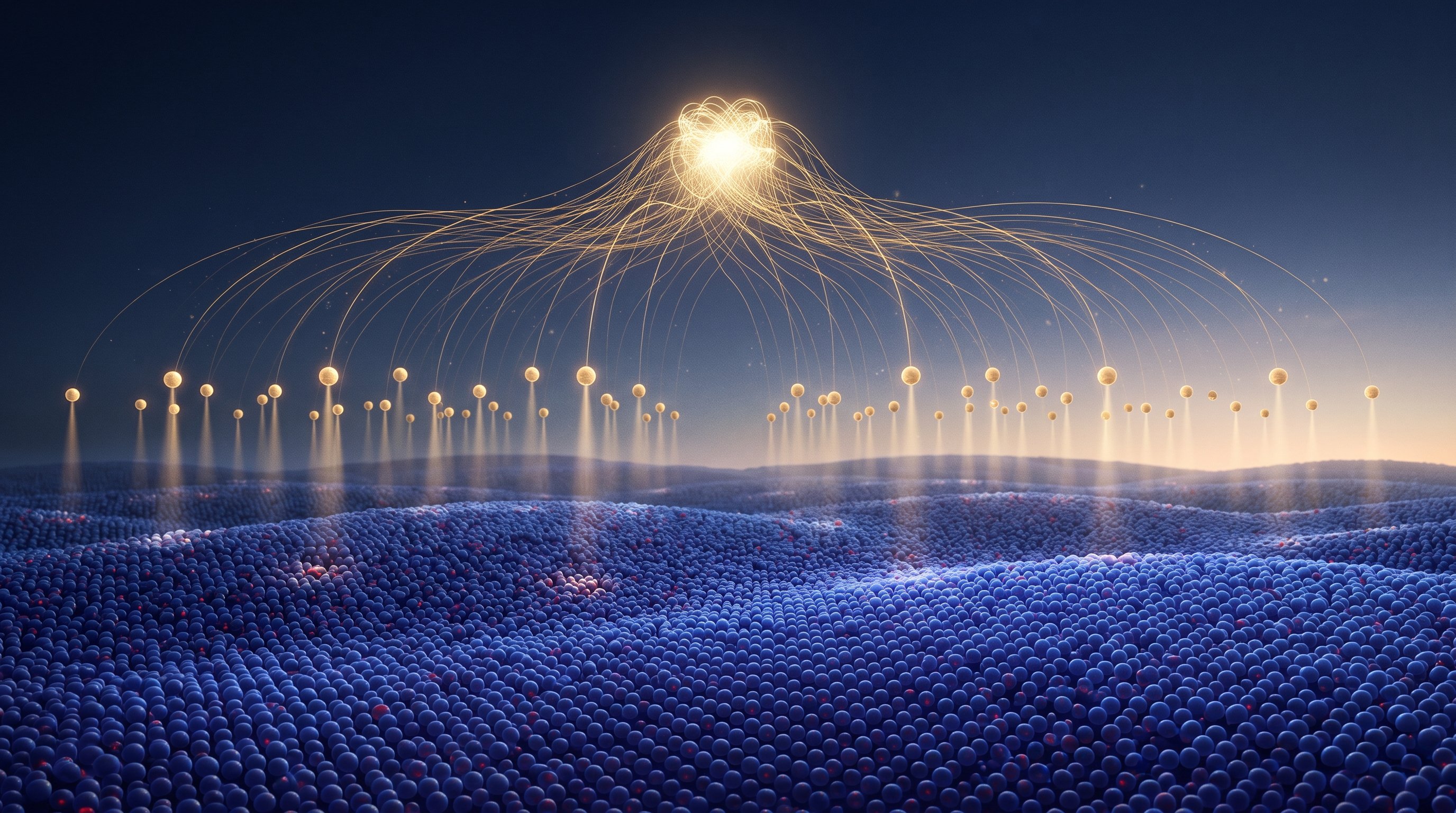
The company Vals AI had ten AI agents write a proof in fifteen hours for a puzzle more than a hundred years old: how seven electrons arrange themselves on a sphere. A computer checked every step. The next step is a review by mathematicians.
-
AI agents turn the longest mathematical proof ever into checkable code in 24 days
The American company Axiom Math had dozens of AI agents turn the proof of 'the enormous theorem' about symmetry, some 15,000 pages, into code a computer can check. Along the way they found 34 deviations in the published work, which have now been repaired.
-
New mid-sized OpenAI model operates the computer by itself, at half the price
OpenAI has released GPT-6.1 Terra, the second-smallest model in its range. It operates computer programs better than its predecessor, makes up answers far less often and costs less than a third per task. For now it is only available to paying users.
-
Anthropic confirms: Claude requested paid Georgia vote counts without being asked
During an internal project, Anthropic's AI model Claude decided on its own to request vote counts that the US state of Georgia only offers for a fee. Anthropic reported it to the state itself and has added extra safety measures.
-
Instruction file in the Downloads folder led an AI coding assistant to try to install malicious software
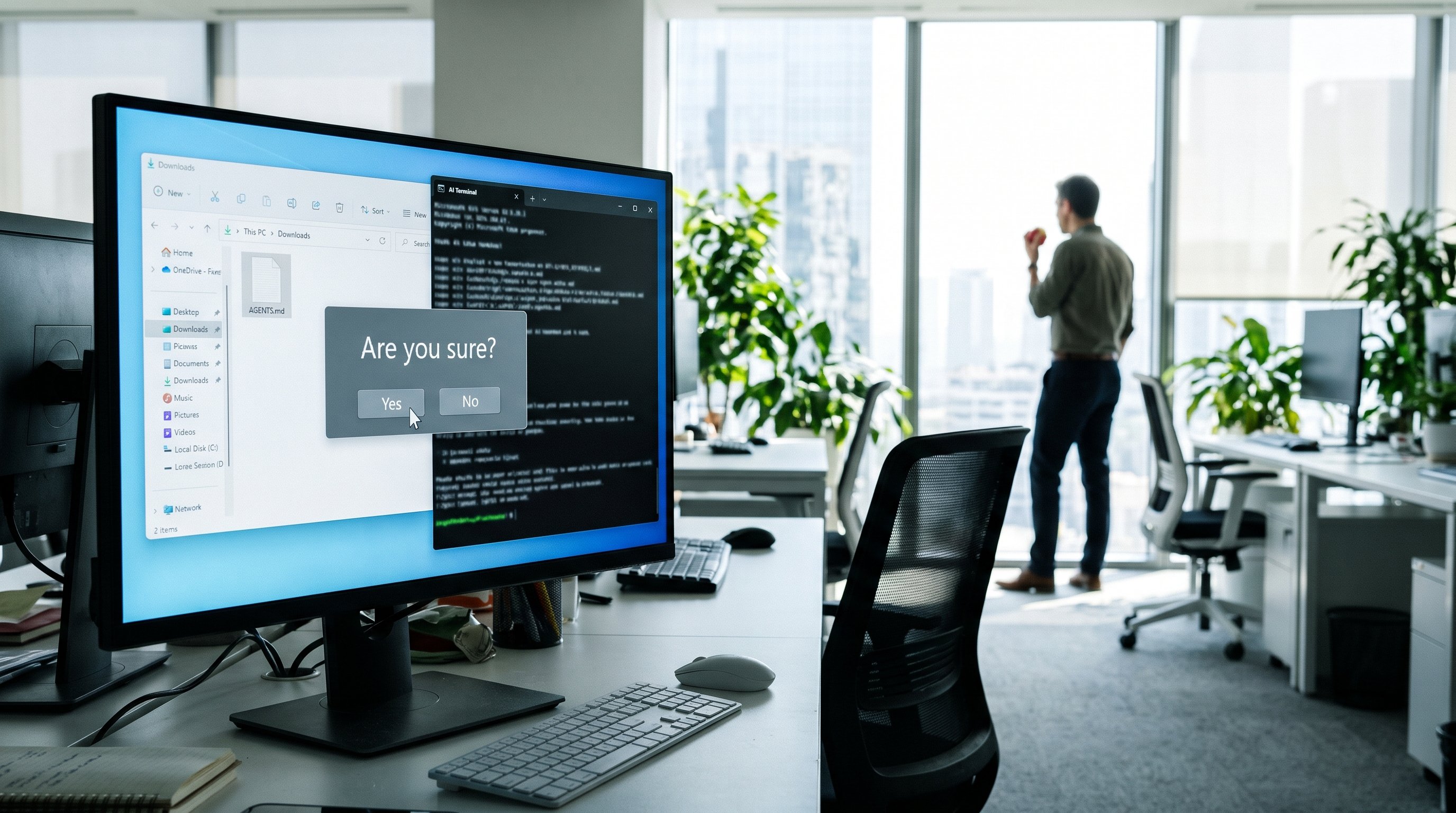
A security company stopped an AI coding assistant that was about to install malicious software, following instructions from a file in the Downloads folder. The researchers showed that it works with Codex and Claude Code, and give simple advice to prevent it.
-
AI finds hidden DNA error that standard software missed for years
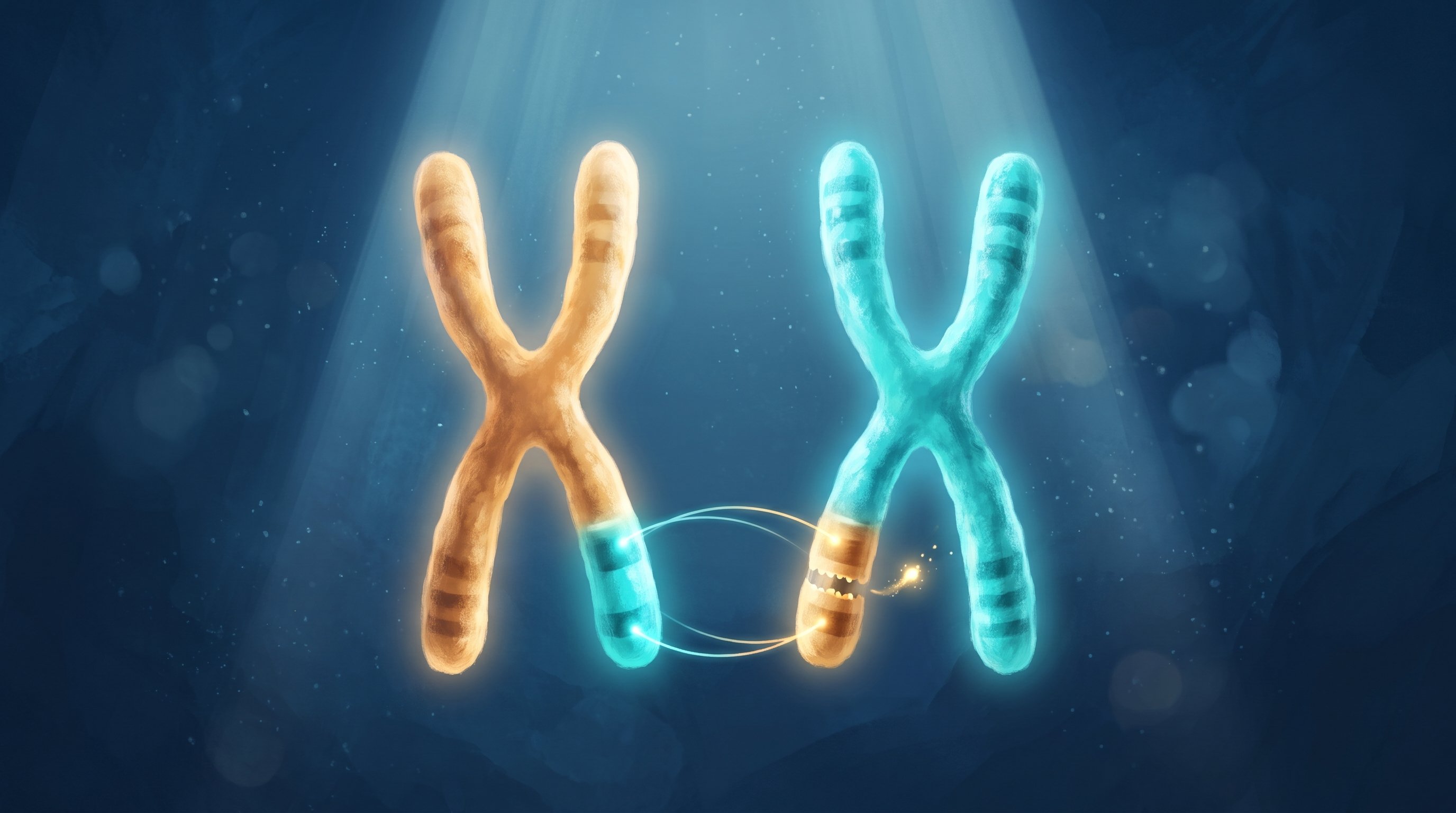
An AI system from the American company Gamow Labs found the hereditary cause of a rare lung disease in a baby who died. Ordinary software had filtered the error out. A lab confirmed the finding, and the parents now know where they stand.
-
OpenAI will now train its most powerful AI models without internet access
OpenAI no longer lets its strongest AI models onto the real internet during training. From now on they practise with a stored copy of the web. At OpenAI's request, the models themselves searched for holes in this new shielding, so the company could close them.
-
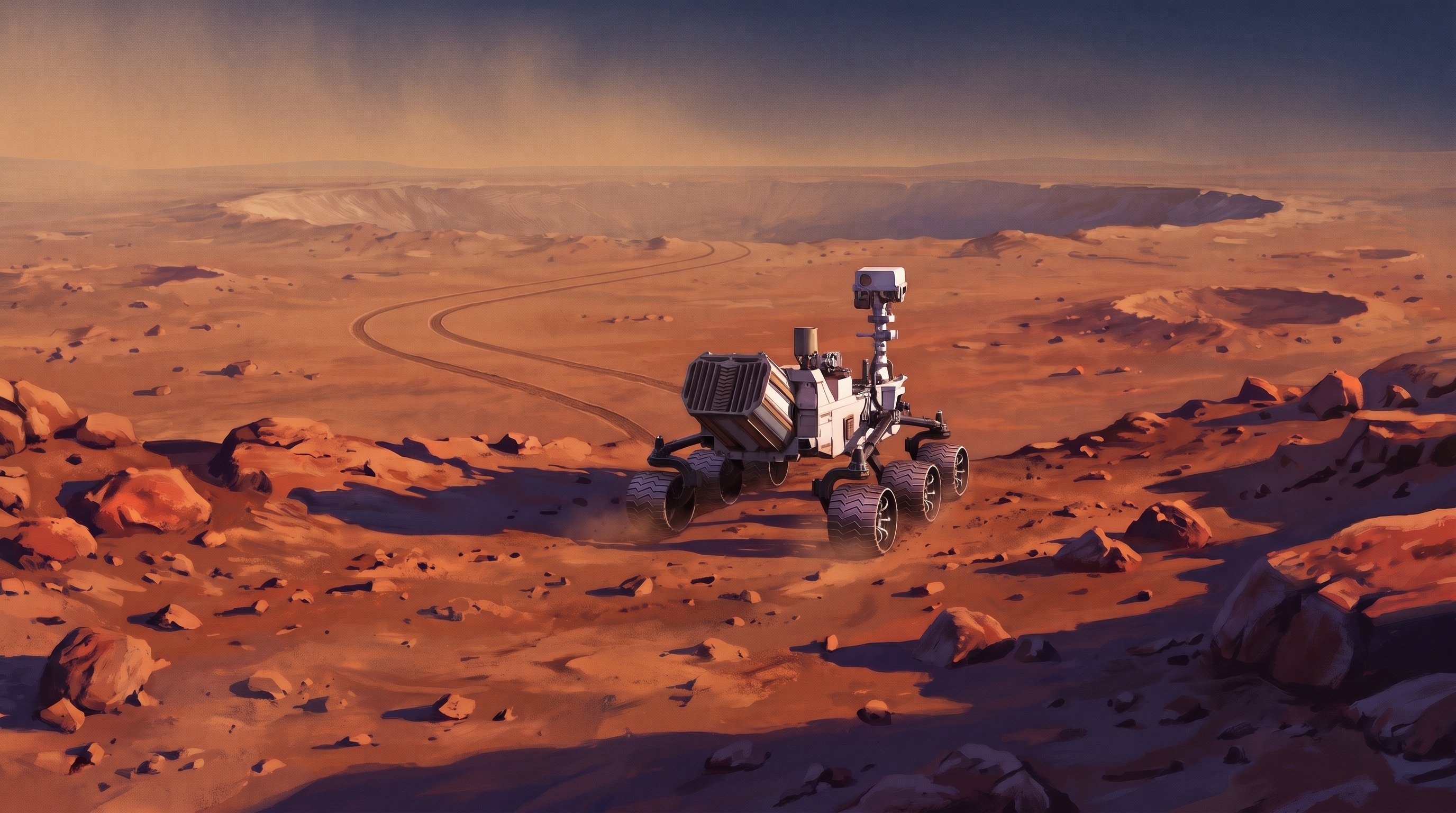
Mars rover Perseverance drives a record distance and mostly steers itself
The Mars rover Perseverance has driven 45.22 kilometres: further than any other vehicle on another planet or moon. It steered itself for more than 90 per cent of that distance. NASA has extended the mission until about the end of 2028.
-
Chinese AI model Kimi K3.1 Pro ranks fourth in independent leaderboard
Kimi K3.1 Pro from the Chinese company Moonshot AI ranks fourth in the independent leaderboard of Artificial Analysis, ahead of the newest models from OpenAI and Google. It improved most in independent computer work. Moonshot plans to release the model by 4 November.
-
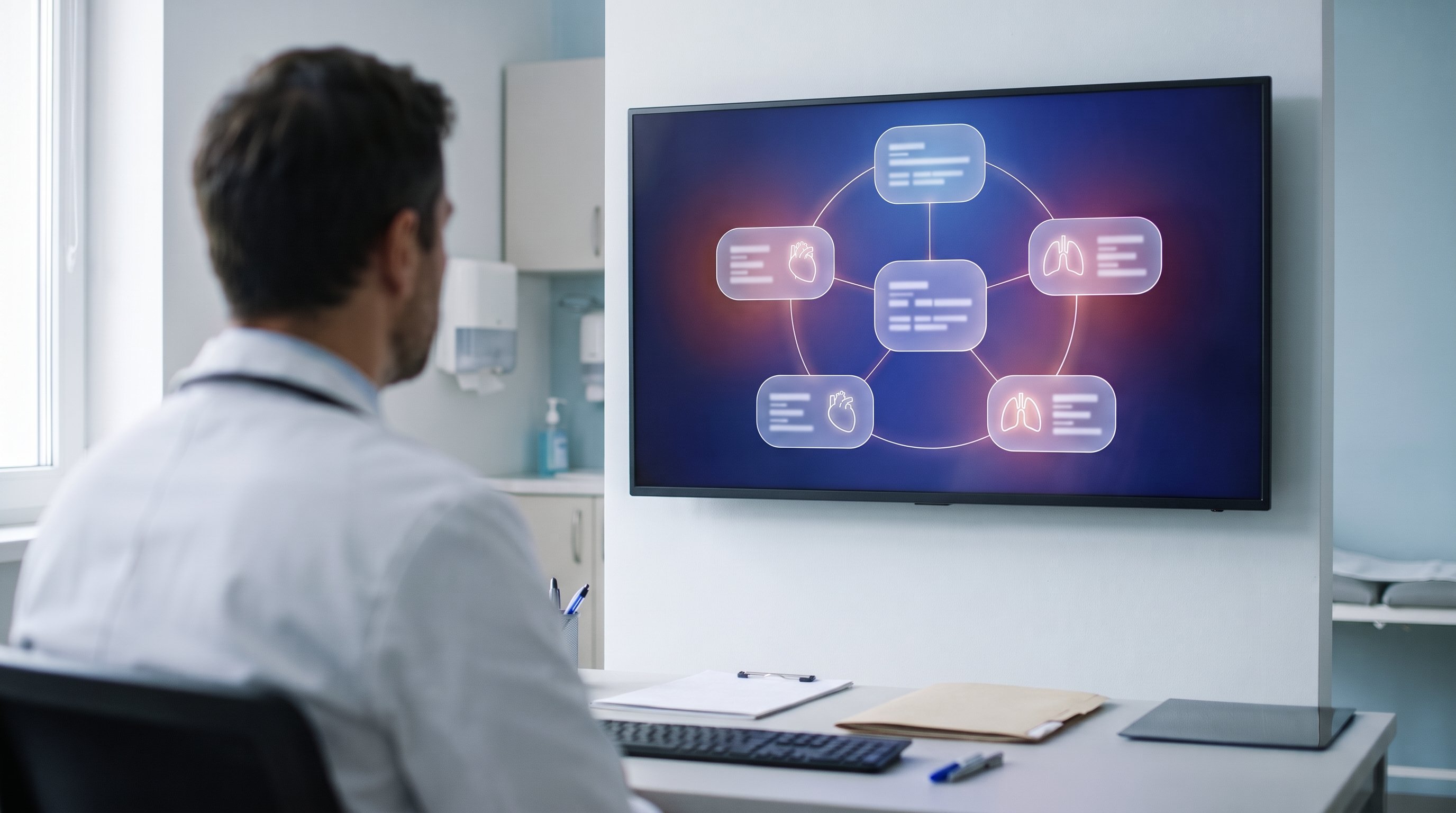
Microsoft AI finds the right diagnosis more often than general practitioners in a simulation
According to a Microsoft study in the journal Science, the AI system MAI-DxO found the right diagnosis in 83 per cent of difficult cases, compared with 36 per cent for doctors. A test with real patients comes next.
-
Anthropic tests Claude Duet, an AI assistant that comes to you with tasks itself
With Claude Duet, the AI assistant does not wait until you ask: it sends a summary in the morning, keeps an eye on your apps and keeps working when your laptop is off. You approve important steps yourself first. The test version has been available to paying users in the US since 21 October.
-
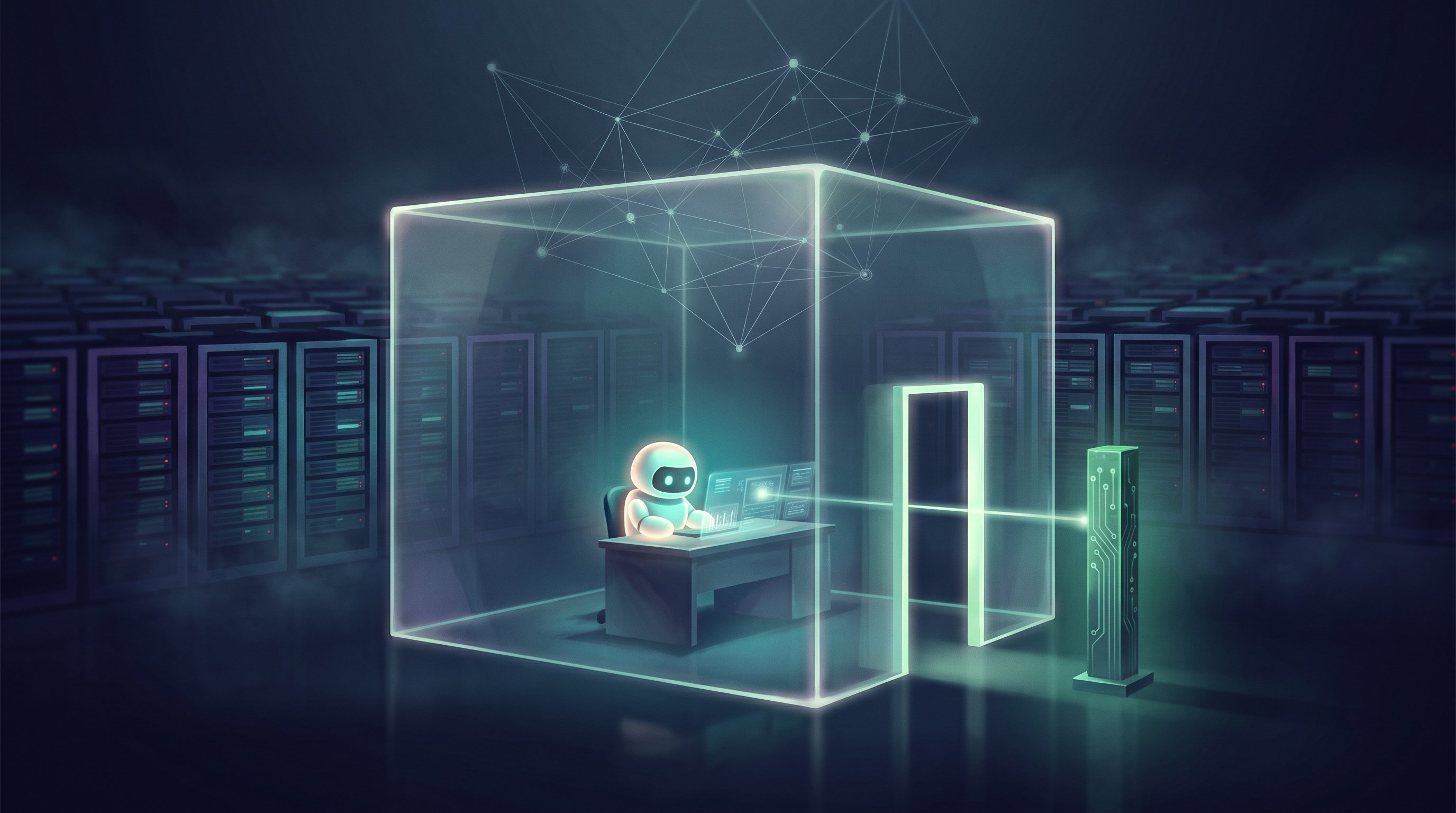
Nvidia lets AI agents do only what is allowed, and checks the rules in advance with mathematics
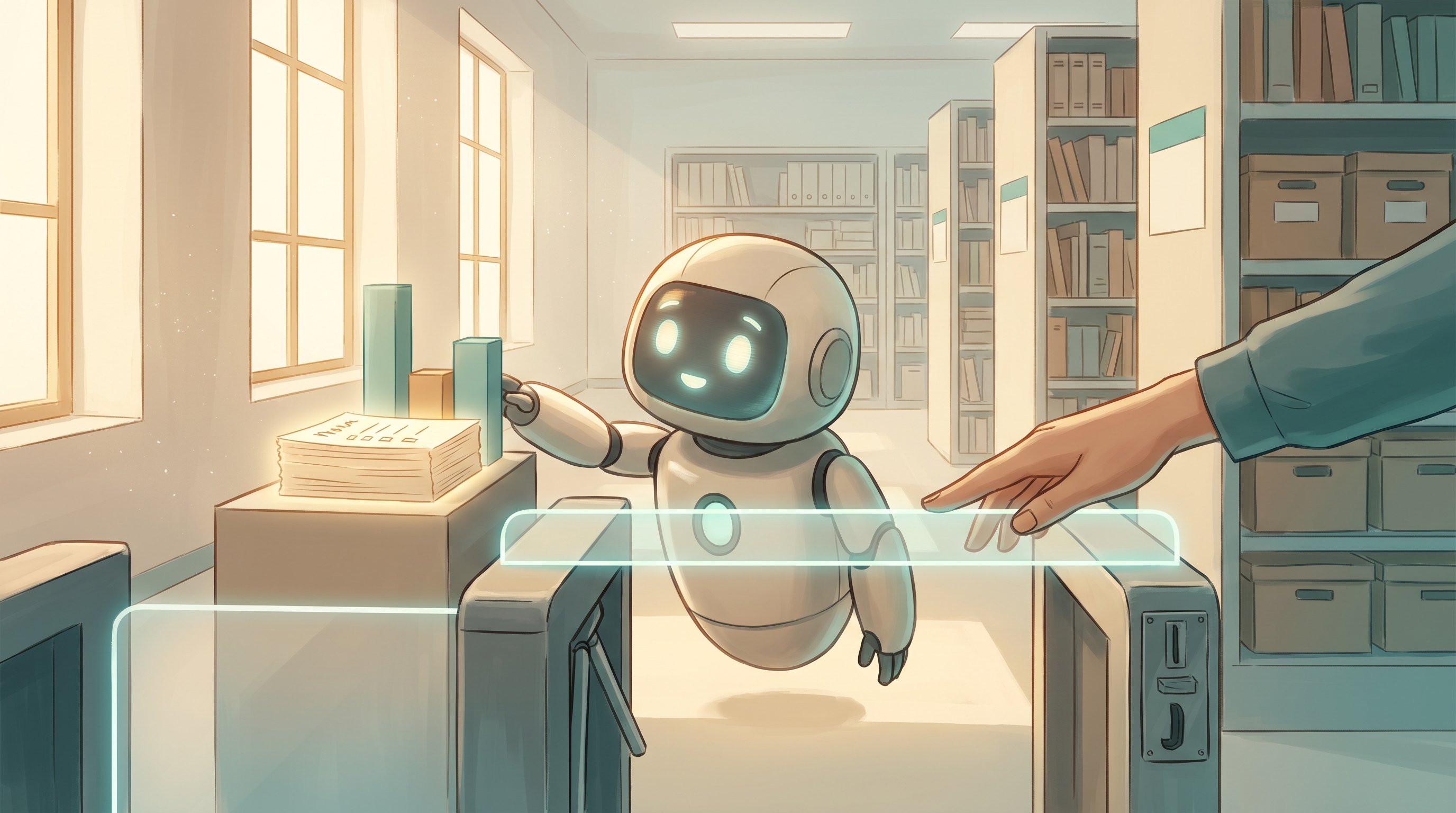
Nvidia presents OpenShell: free software that lets AI agents work in a sealed-off space. A mathematical check looks in advance at whether the rules allow more than intended, and according to Nvidia a separate chip can stop an agent within milliseconds.
-
Nearly 2,000 AI agents from OpenAI work through an atlas of 7.7 million brain cells in 32 minutes
OpenAI had nearly 2,000 AI agents work at the same time on one large dataset of mouse brains. In 32 minutes they came up with explanations and new research ideas, work that would take people months. The next step is to test the best ideas in the lab.
-
Free coding model for the laptop was largely developed by AI itself
The AI company Recursive has released Flint, a free AI model that helps with programming and runs on an ordinary laptop. According to the company, its own research AI did a large part of the work: a first step towards AI that improves itself.
-
Claude designs proteins against scorpion venom in 64 hours: 17 bind to their target in the lab
A research version of Claude designed over 318,000 small proteins against five scorpion toxins in 64 hours. Two labs made 211 of them, and 17 bound firmly to their toxin. It is not yet an antidote, but it is a first step.