Nederlands
Section
Research
Fundamental breakthroughs that fit nowhere else.
-
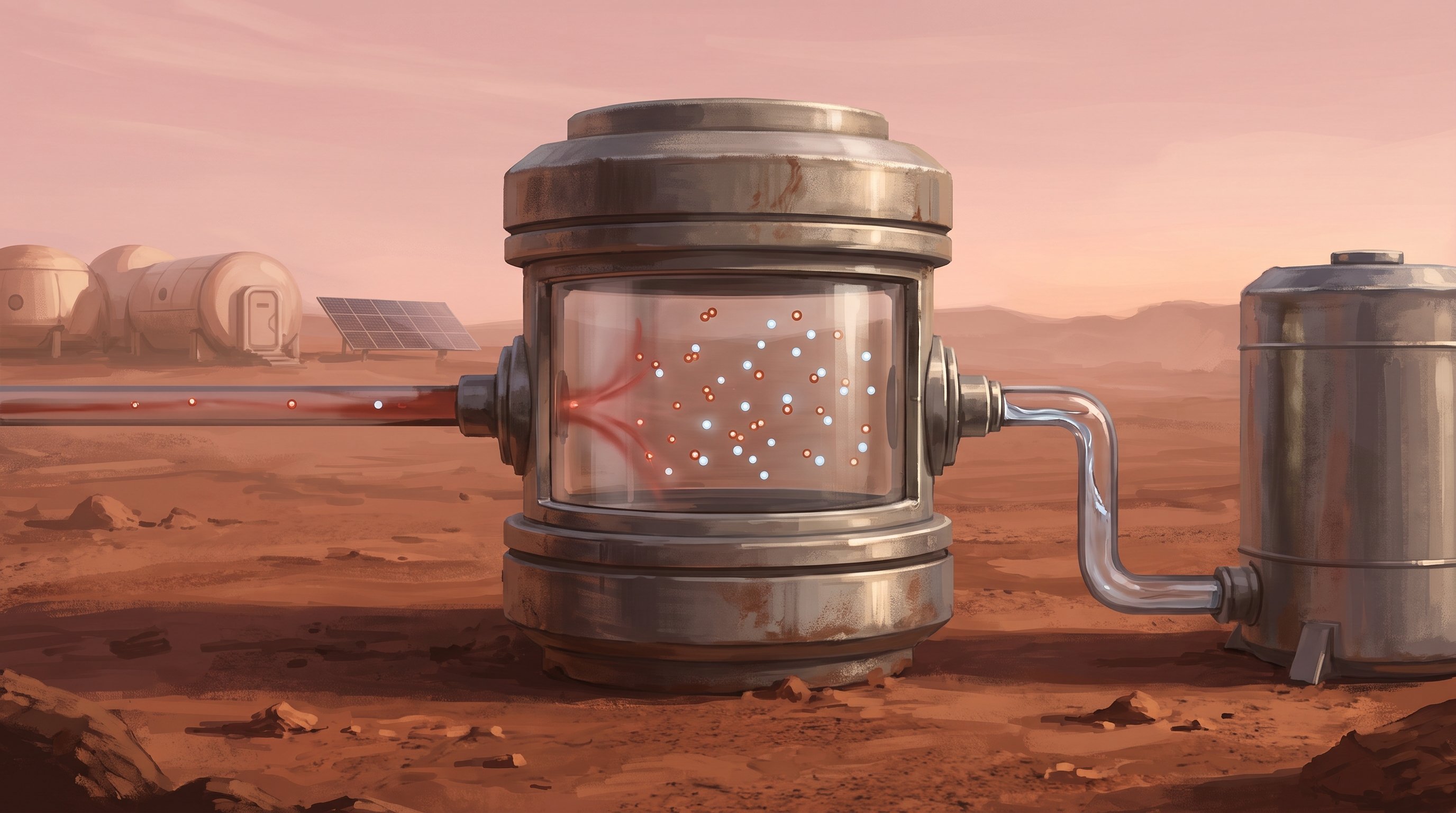
Chinese catalyst turns CO2 into methanol, as a fuel for Mars
Researchers in Hefei made a catalyst of copper and sodium that turns carbon dioxide and hydrogen into methanol eleven times faster than without sodium. The aim: to make liquid fuel from the air on Mars one day. The experiments have now been done in the lab on Earth.
-
Ten AI agents deliver a computer-checked proof for a puzzle with seven electrons in fifteen hours
The company Vals AI had ten AI agents write a proof in fifteen hours for a puzzle more than a hundred years old: how seven electrons arrange themselves on a sphere. A computer checked every step. The next step is a review by mathematicians.
-
AI agents turn the longest mathematical proof ever into checkable code in 24 days
The American company Axiom Math had dozens of AI agents turn the proof of 'the enormous theorem' about symmetry, some 15,000 pages, into code a computer can check. Along the way they found 34 deviations in the published work, which have now been repaired.
-
Anthropic: Claude also disproves a conjecture about computing time that is almost thirty years old
Anthropic says an internal Claude model found a faster way to solve a famous computing puzzle on its own. OpenAI reported the same result shortly before, as one of its three AI breakthroughs. A computer has already checked the proof; mathematicians are now looking at whether it holds.
-
Start-up PSI uses AI to help publish five quantum proofs that a computer can check
Physical Superintelligence has used its own AI system to tackle five open questions in quantum information theory. Each proof is also written in Lean, a program that checks proofs step by step. Other researchers can now check them for themselves.
-
OpenAI: its own AI cracked three major problems, and top scientists will check the work
OpenAI says its internal AI models have solved three long-standing problems in mathematics, computer science and physics. Part of the proofs has already been checked by a verification program. Independent experts will now examine whether everything holds up and what it means.
-
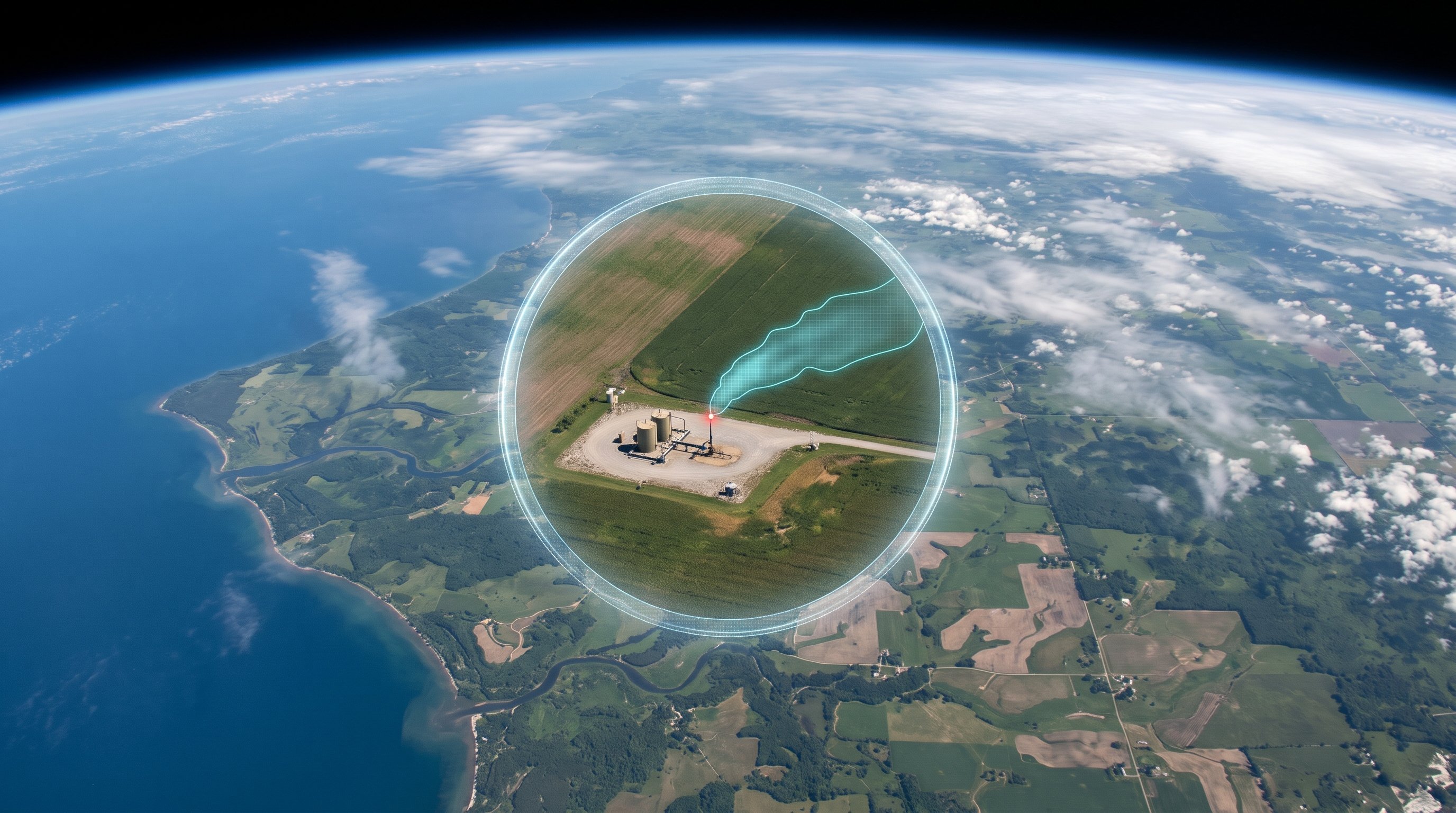
AI from Google and NASA finds many more methane leaks in satellite images
Google Research and NASA built an AI model that detects methane clouds in measurements from the International Space Station. In a test it found about 50% more likely methane plumes than human analysts. The model, code and map are freely available.
-
Instruction file in the Downloads folder led an AI coding assistant to try to install malicious software
A security company stopped an AI coding assistant that was about to install malicious software, following instructions from a file in the Downloads folder. The researchers showed that it works with Codex and Claude Code, and give simple advice to prevent it.
-
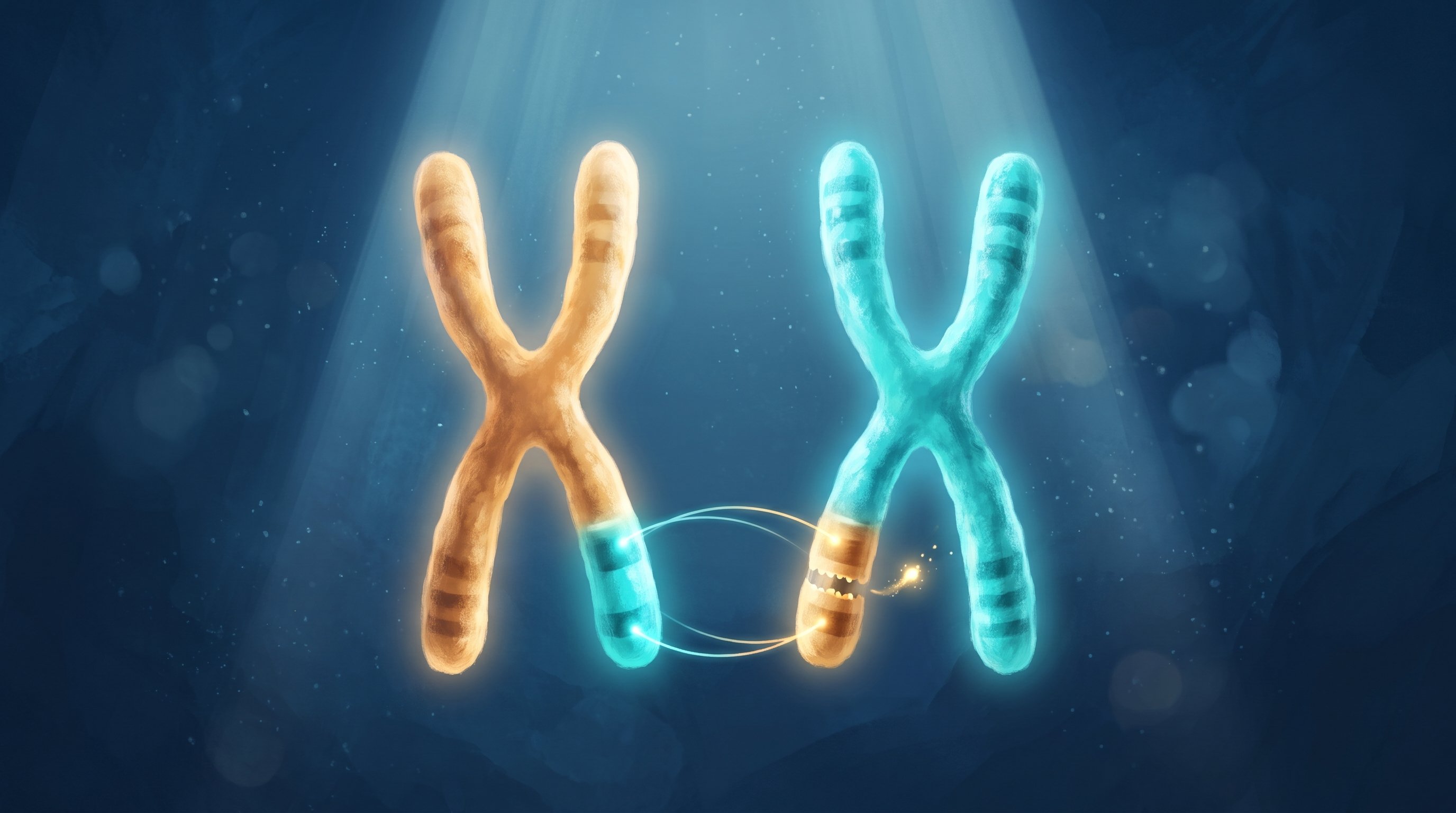
AI finds hidden DNA error that standard software missed for years
An AI system from the American company Gamow Labs found the hereditary cause of a rare lung disease in a baby who died. Ordinary software had filtered the error out. A lab confirmed the finding, and the parents now know where they stand.
-
AI model designs experiments better than 24 experienced AI researchers
On a new test by P-Zero Research, Claude Opus 5.5 designs better AI experiments than the best of 24 human experts. The model needs less than half the computing time to do so and costs about one thirtieth as much.
-
Japanese researchers control five quantum bits in silicon at once, with almost no errors
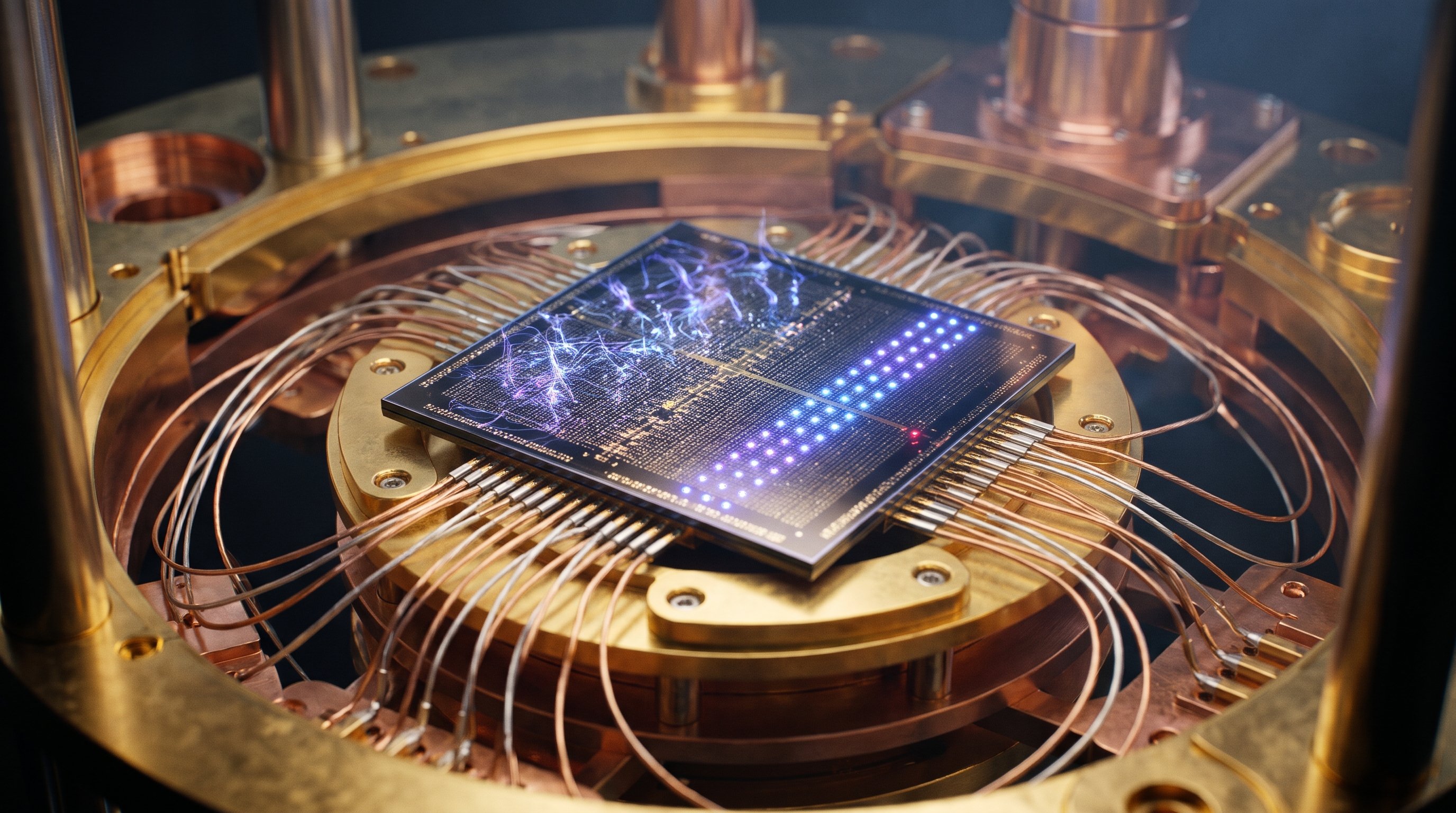
Researchers at RIKEN in Japan controlled five quantum bits on a silicon chip at the same time, through one shared control line. They found the biggest source of errors and kept accuracy at around 99.9 per cent. That helps to build larger quantum computers.
-
AI estimates biological age and cancer survival chances from a single face photo
Researchers at Mass General Brigham built AI that estimates, from a single ordinary face photo, how old someone's body is and how likely a cancer patient is to survive. This could help doctors better assess how much treatment a patient can take. Further research is needed first.
-
Microsoft AI finds the right diagnosis more often than general practitioners in a simulation
According to a Microsoft study in the journal Science, the AI system MAI-DxO found the right diagnosis in 83 per cent of difficult cases, compared with 36 per cent for doctors. A test with real patients comes next.
-
Quantum computer keeps chaos under control on 100 qubits: a step towards fault-tolerant computing
Researchers from Rutgers, IBM and other institutions had a quantum computer check and correct itself thousands of times while it was computing. It is not yet a working fault-tolerant quantum computer, but it is an important building block for one.
-
No need to take the AI's word for it: Claude delivers a mathematical proof for software
How do you know whether an AI's work is sound if nobody can read it all? Anthropic has Claude supply a mathematical proof that a small program checks step by step. This way Claude examined 123 widely used software building blocks and found hundreds of hidden bugs.