Nederlands
All posts
Latest news
All WATTBA posts, newest first.
-
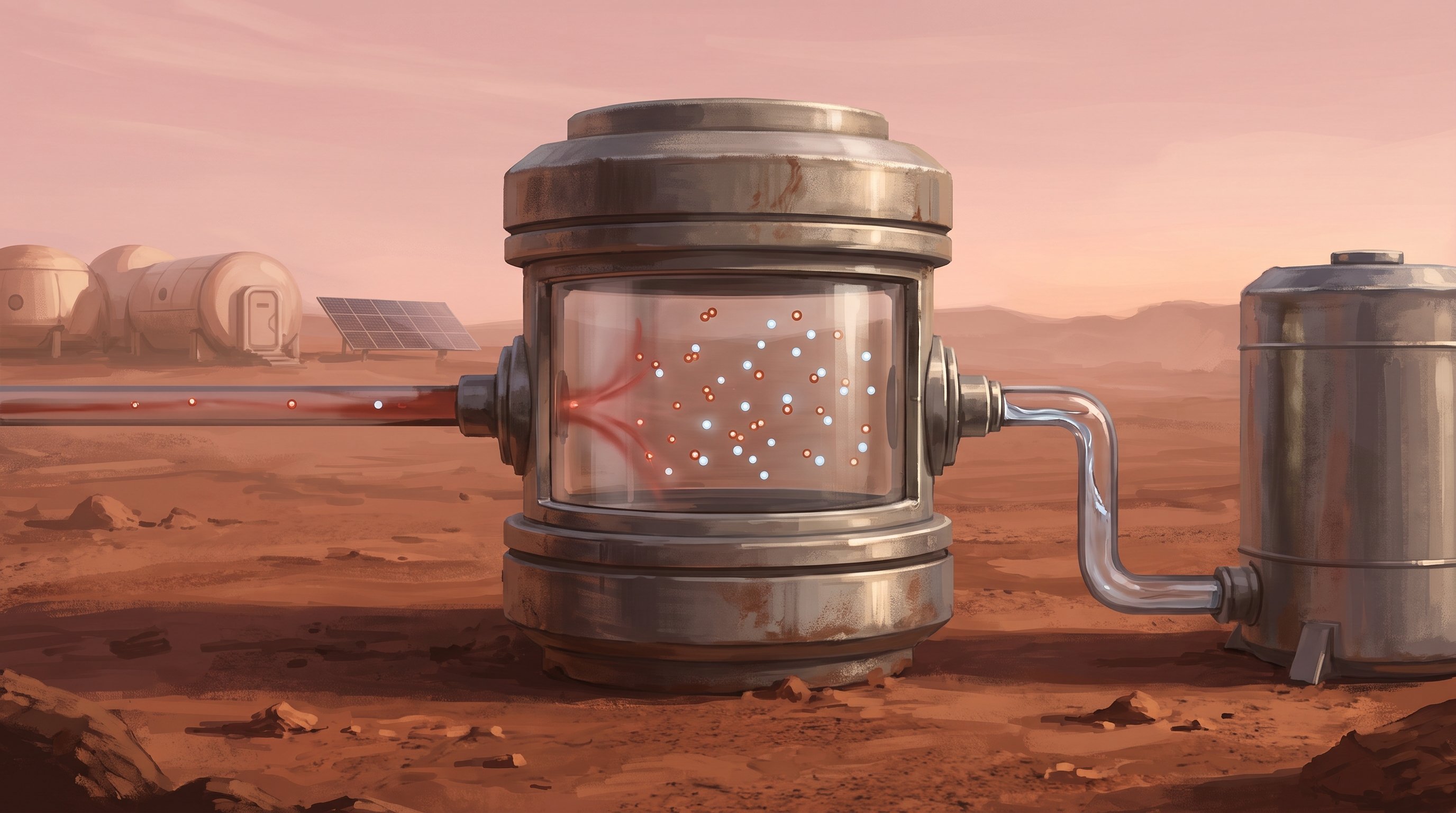
Chinese catalyst turns CO2 into methanol, as a fuel for Mars
Researchers in Hefei made a catalyst of copper and sodium that turns carbon dioxide and hydrogen into methanol eleven times faster than without sodium. The aim: to make liquid fuel from the air on Mars one day. The experiments have now been done in the lab on Earth.
-
Ten AI agents deliver a computer-checked proof for a puzzle with seven electrons in fifteen hours
The company Vals AI had ten AI agents write a proof in fifteen hours for a puzzle more than a hundred years old: how seven electrons arrange themselves on a sphere. A computer checked every step. The next step is a review by mathematicians.
-
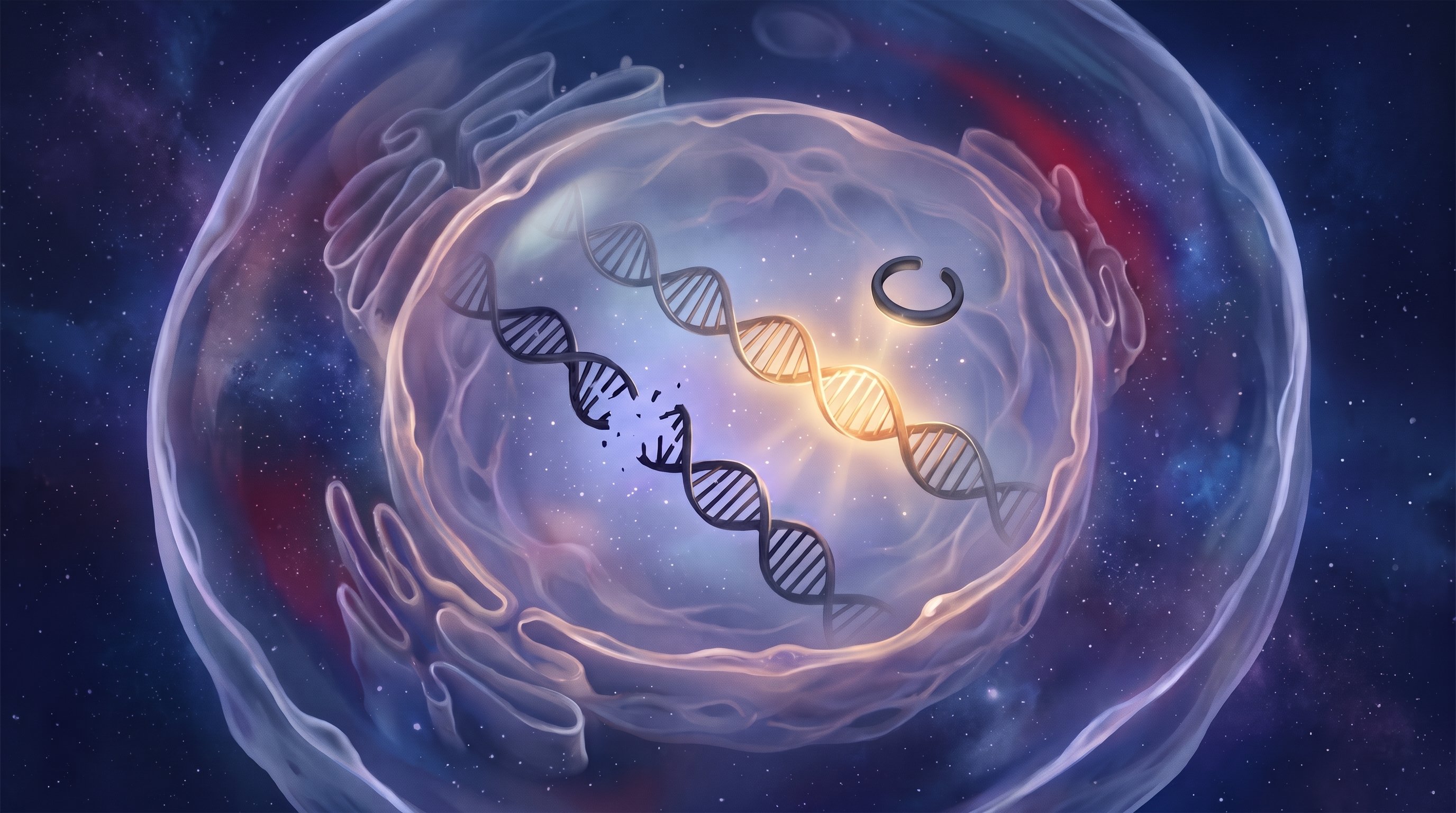
Researchers wake up silent, healthy genes in Prader-Willi syndrome
In Prader-Willi syndrome a group of genes does not work, even though every cell has a healthy back-up copy. Researchers in Melbourne switched that copy back on by removing one protein, in patient cells and in mice. Work on a medicine is now under way.
-
AI agents turn the longest mathematical proof ever into checkable code in 24 days
The American company Axiom Math had dozens of AI agents turn the proof of 'the enormous theorem' about symmetry, some 15,000 pages, into code a computer can check. Along the way they found 34 deviations in the published work, which have now been repaired.
-
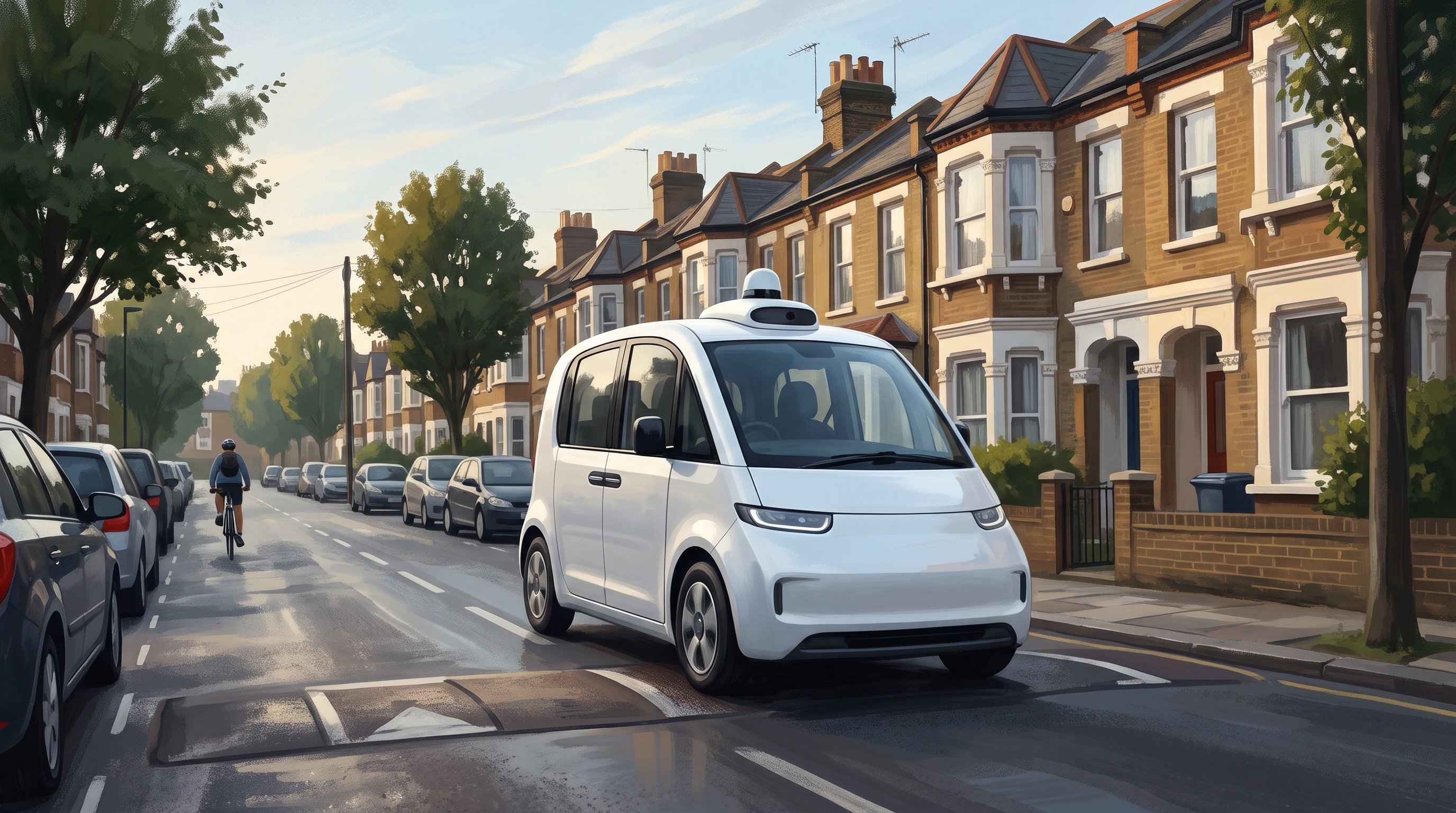
Baidu and Lyft aim for driverless robotaxis in London in 2027
Baidu and Freenow by Lyft have presented their self-driving taxi in London. The car has been on test drives there since July, with a safety driver on board. In 2027 they want to drive without a driver and carry passengers, if the regulators agree.
-
Anthropic: Claude also disproves a conjecture about computing time that is almost thirty years old
Anthropic says an internal Claude model found a faster way to solve a famous computing puzzle on its own. OpenAI reported the same result shortly before, as one of its three AI breakthroughs. A computer has already checked the proof; mathematicians are now looking at whether it holds.
-
Google DeepMind's Genie 4 builds interactive worlds, now with sound
Google DeepMind has presented Genie 4, an AI that creates a world you can control while you watch. What is new is that this world also has sound and conversations. A small group of testers is trying it out now; more users will follow.
-
New mid-sized OpenAI model operates the computer by itself, at half the price
OpenAI has released GPT-6.1 Terra, the second-smallest model in its range. It operates computer programs better than its predecessor, makes up answers far less often and costs less than a third per task. For now it is only available to paying users.
-
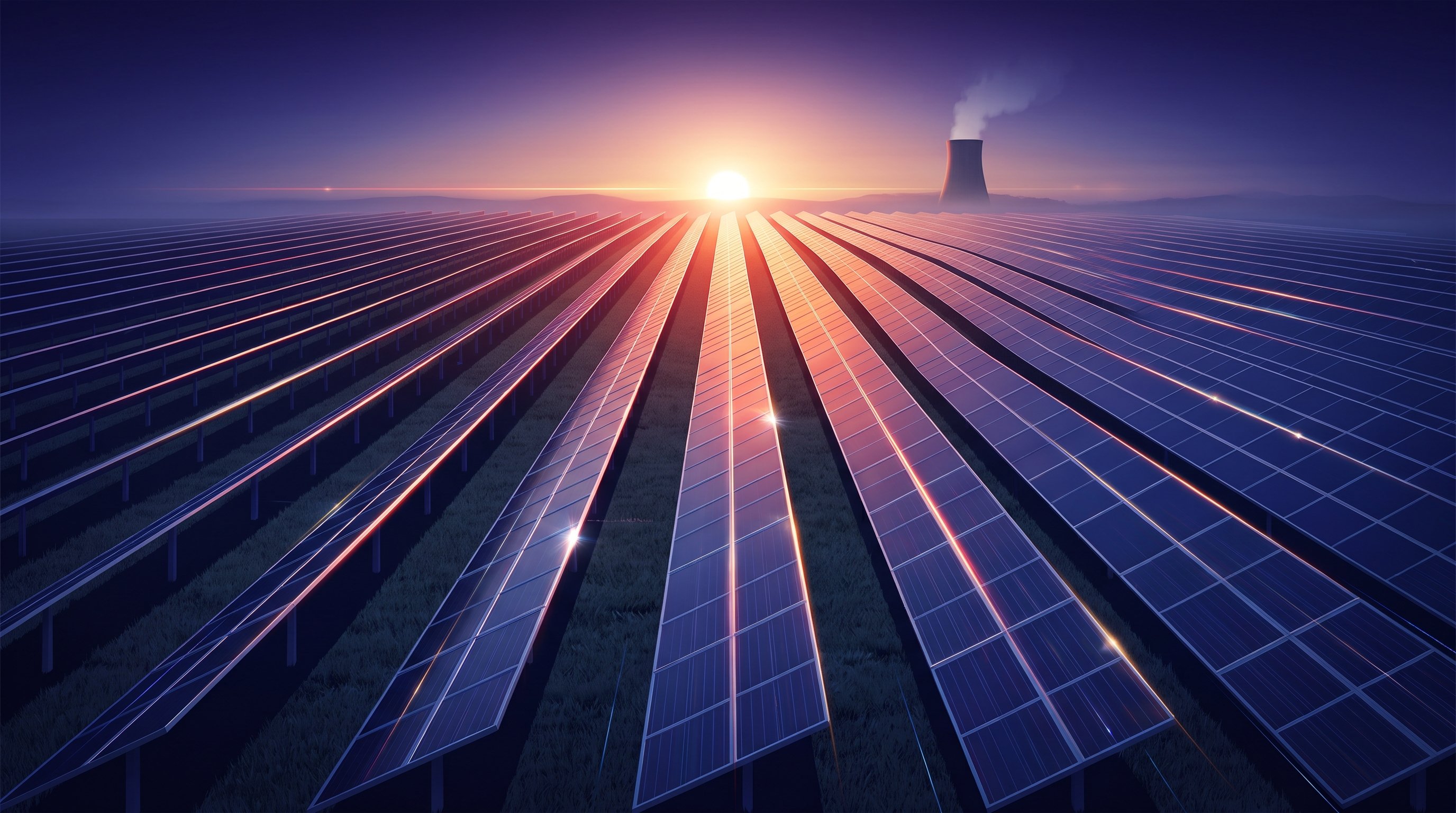
Solar power overtakes nuclear power worldwide for the first time
In 2025, solar panels generated more electricity than all nuclear power plants combined for the first time, says a major annual report on nuclear power. This year the lead is already clear, while nuclear's share is at its lowest level in 45 years.
-
Start-up PSI uses AI to help publish five quantum proofs that a computer can check
Physical Superintelligence has used its own AI system to tackle five open questions in quantum information theory. Each proof is also written in Lean, a program that checks proofs step by step. Other researchers can now check them for themselves.
-
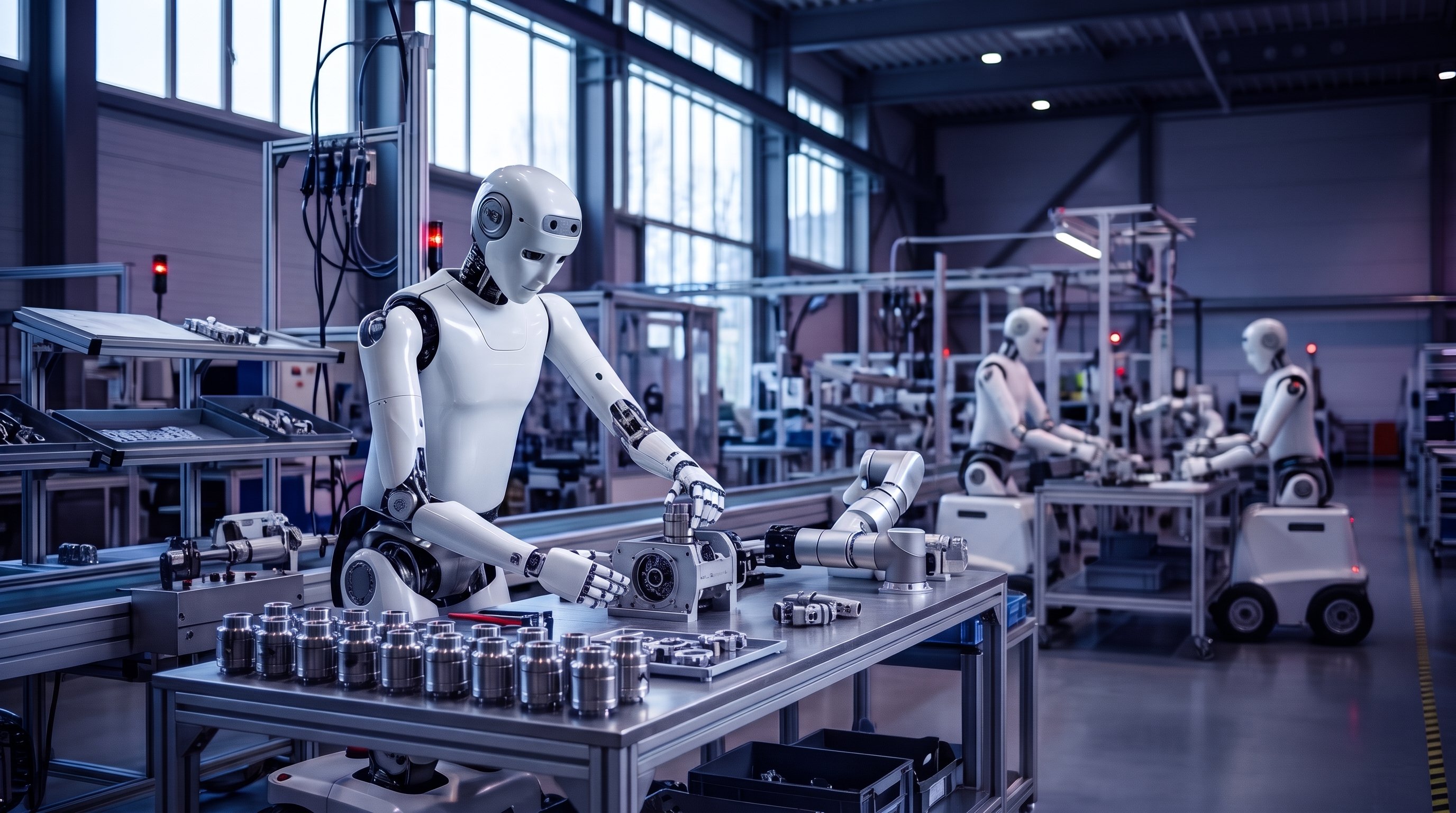
In this Chinese factory, humanoid robots build parts for new robots
The German company Schaeffler has opened a factory in Taicang, China, where humanoid robots assemble the 'joints' of new robots. According to the company, mass production of these parts starts there.
-
Fifteen computers built with human brain cells work together and do better than one
Australian company Cortical Labs linked fifteen computers that use lab-grown human brain cells. In early tests they did better together than a single machine and a common AI program. The results are preliminary and come from the company itself.
-
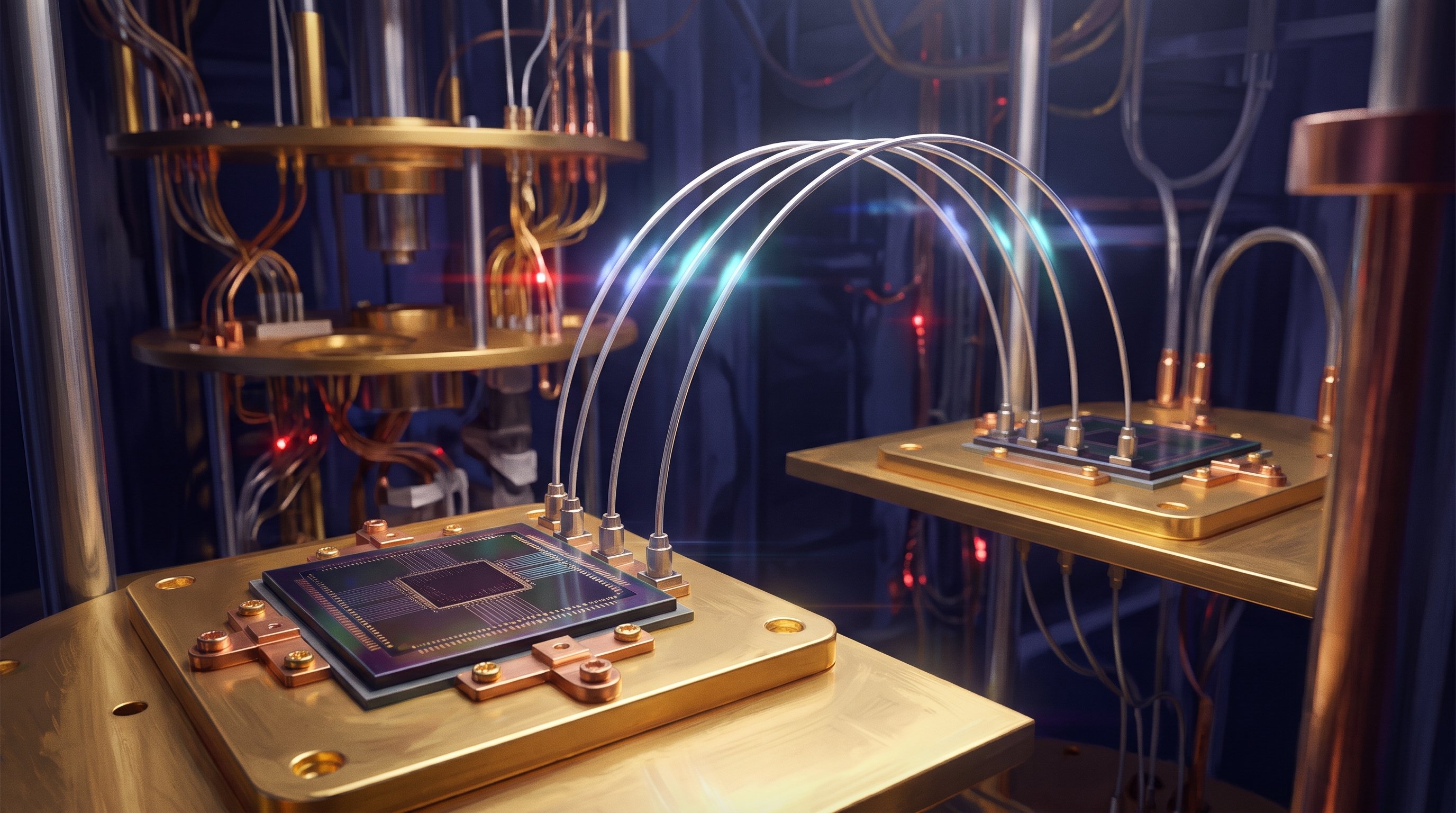
IBM links two quantum chips with 80-centimetre cables
IBM researchers connected two quantum chips of 120 qubits each with four superconducting links of 80 centimetres. Quantum information came across correctly 99 times out of 100 on average. It is a step towards quantum computers built from separate modules.
-
OpenAI: its own AI cracked three major problems, and top scientists will check the work
OpenAI says its internal AI models have solved three long-standing problems in mathematics, computer science and physics. Part of the proofs has already been checked by a verification program. Independent experts will now examine whether everything holds up and what it means.
-
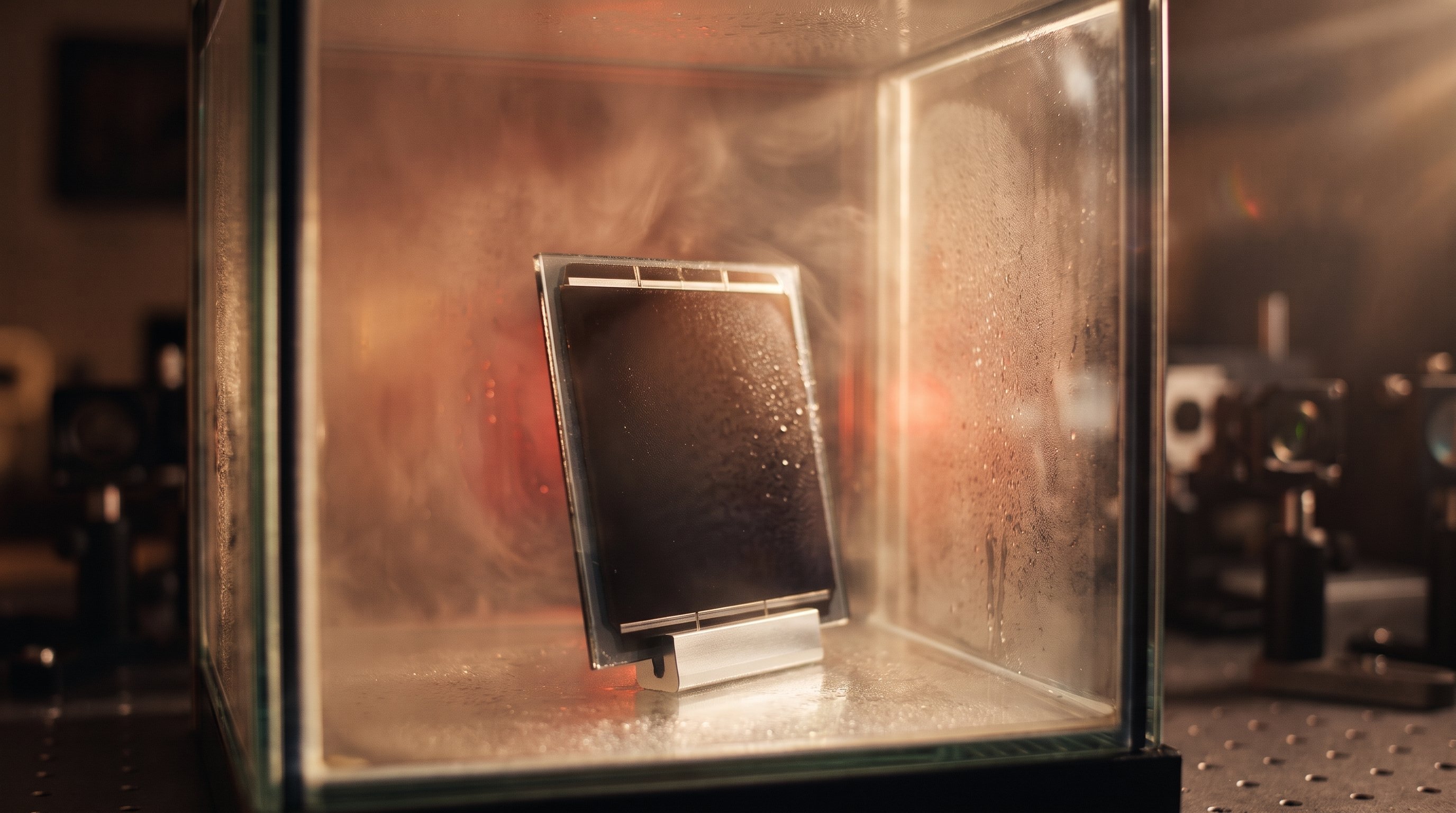
New solar cell survives 1,000 hours of heat and humidity thanks to a clean-up trick
Korean researchers filter the substance that makes perovskite solar cells wear out quickly out of the production process. After 1,000 hours at 85 degrees and in humid air, their cells still kept 95 per cent of their efficiency, an important step towards solar panels that last a long time.