Nederlands
Section
Robotics
Humanoids, self-driving cars and robots in the factory and at home.
-
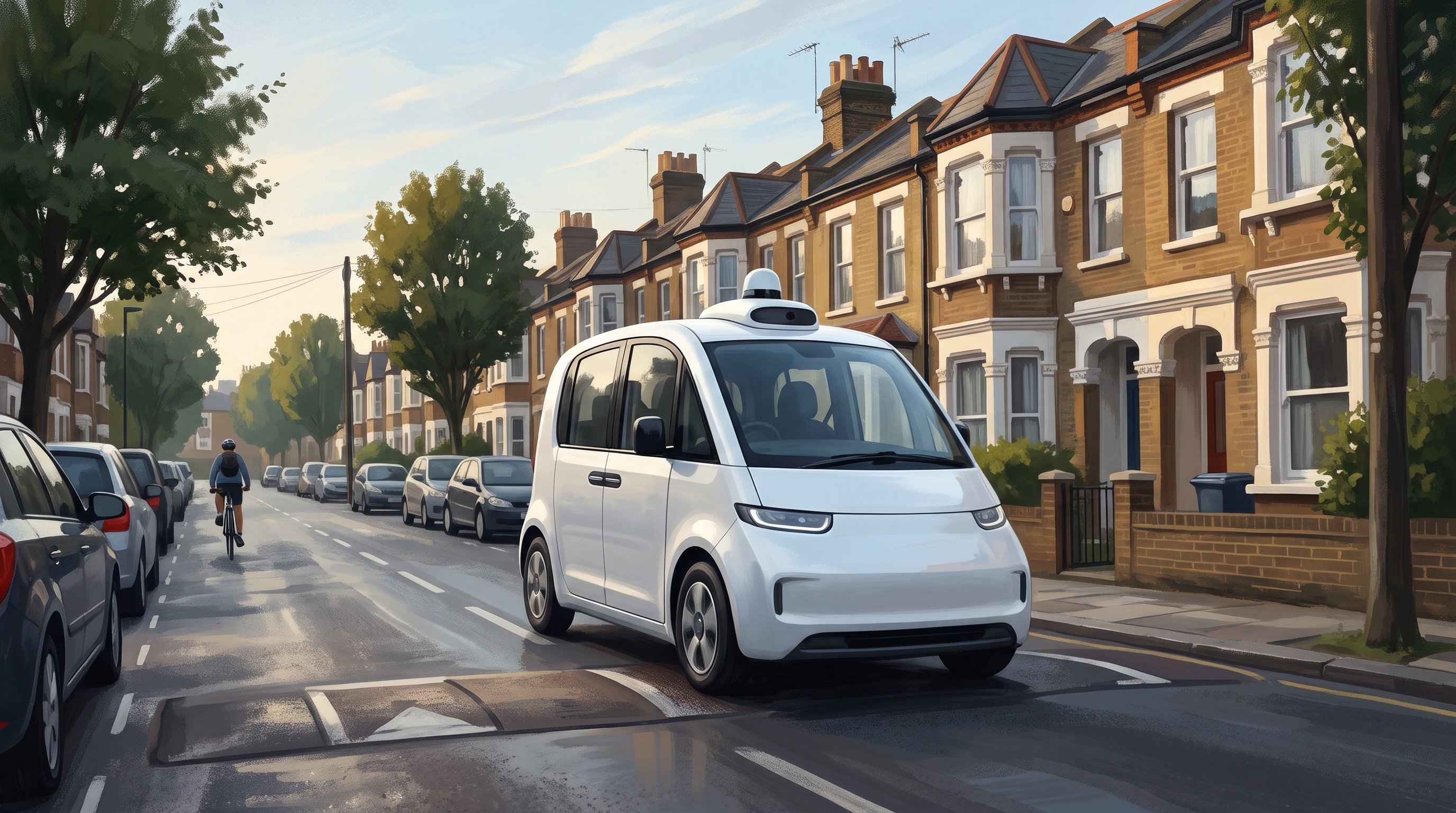
Baidu and Lyft aim for driverless robotaxis in London in 2027
Baidu and Freenow by Lyft have presented their self-driving taxi in London. The car has been on test drives there since July, with a safety driver on board. In 2027 they want to drive without a driver and carry passengers, if the regulators agree.
-
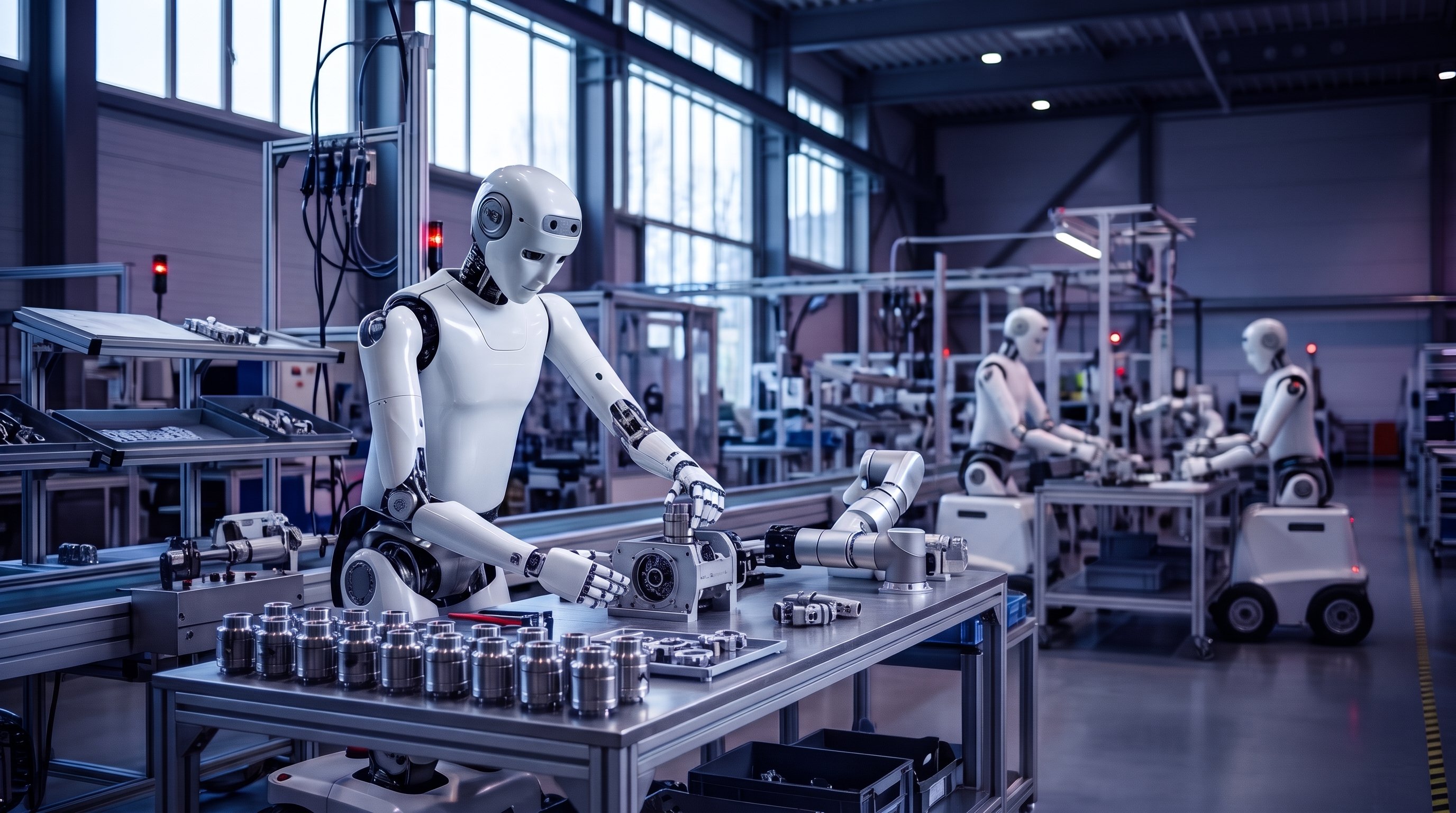
In this Chinese factory, humanoid robots build parts for new robots
The German company Schaeffler has opened a factory in Taicang, China, where humanoid robots assemble the 'joints' of new robots. According to the company, mass production of these parts starts there.
-
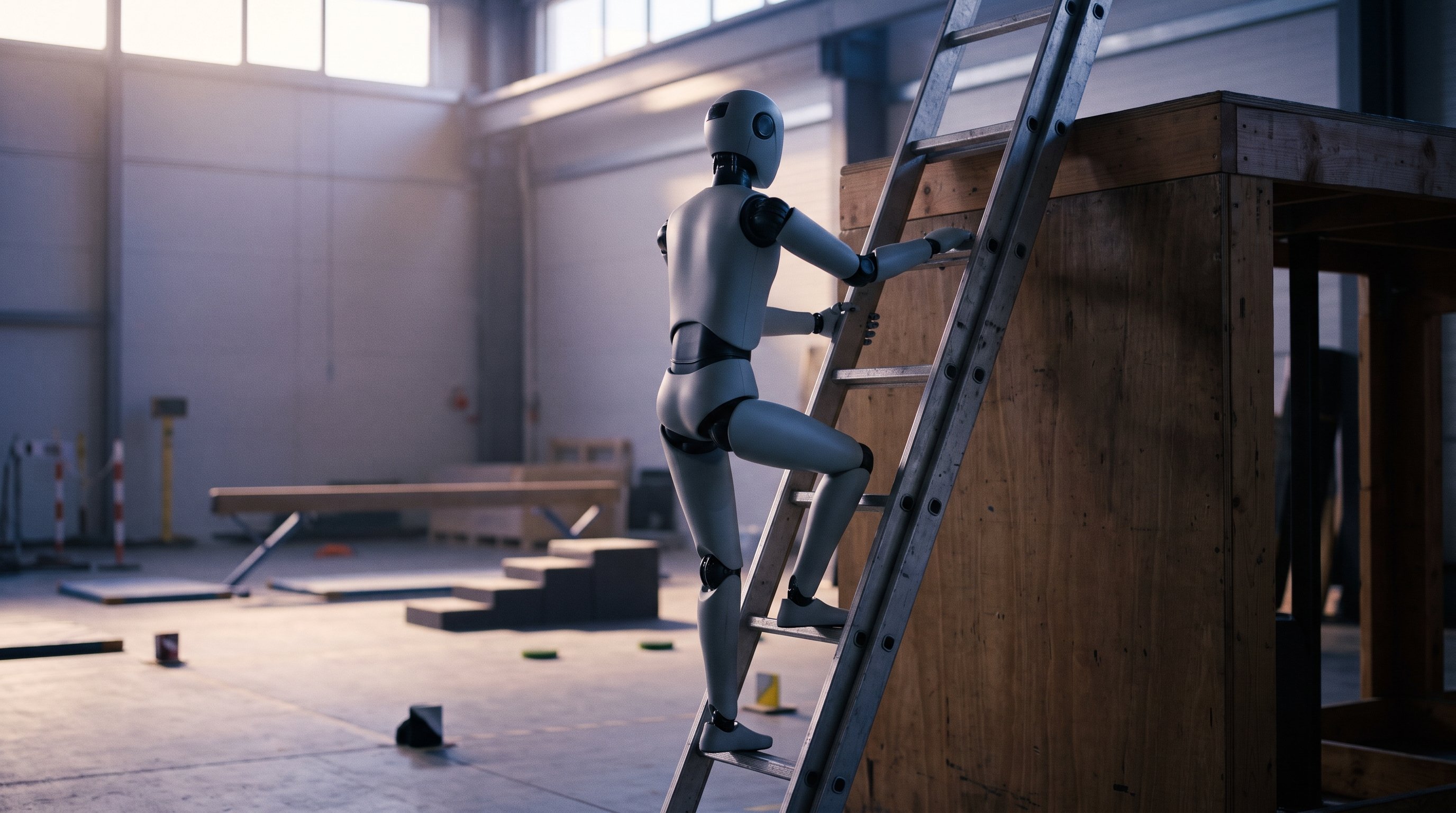
ETH Zurich humanoid robot climbs ladders and gets back up by itself after a fall
Researchers at ETH Zurich have a humanoid robot climb ladders, jump over obstacles and get up after a fall, all with one learning system. In a simulation, the robot completed 92.5 per cent of the obstacle courses.
-
Unitree lets AI improve the software of its robots by itself
Robot maker Unitree is working on Rehearsal: AI reads research by itself, writes robot code, tests it in a simulated world and then puts it on real robots. Founder Wang Xingxing now expects robots to handle most tasks on command in 2027 or 2028.
-
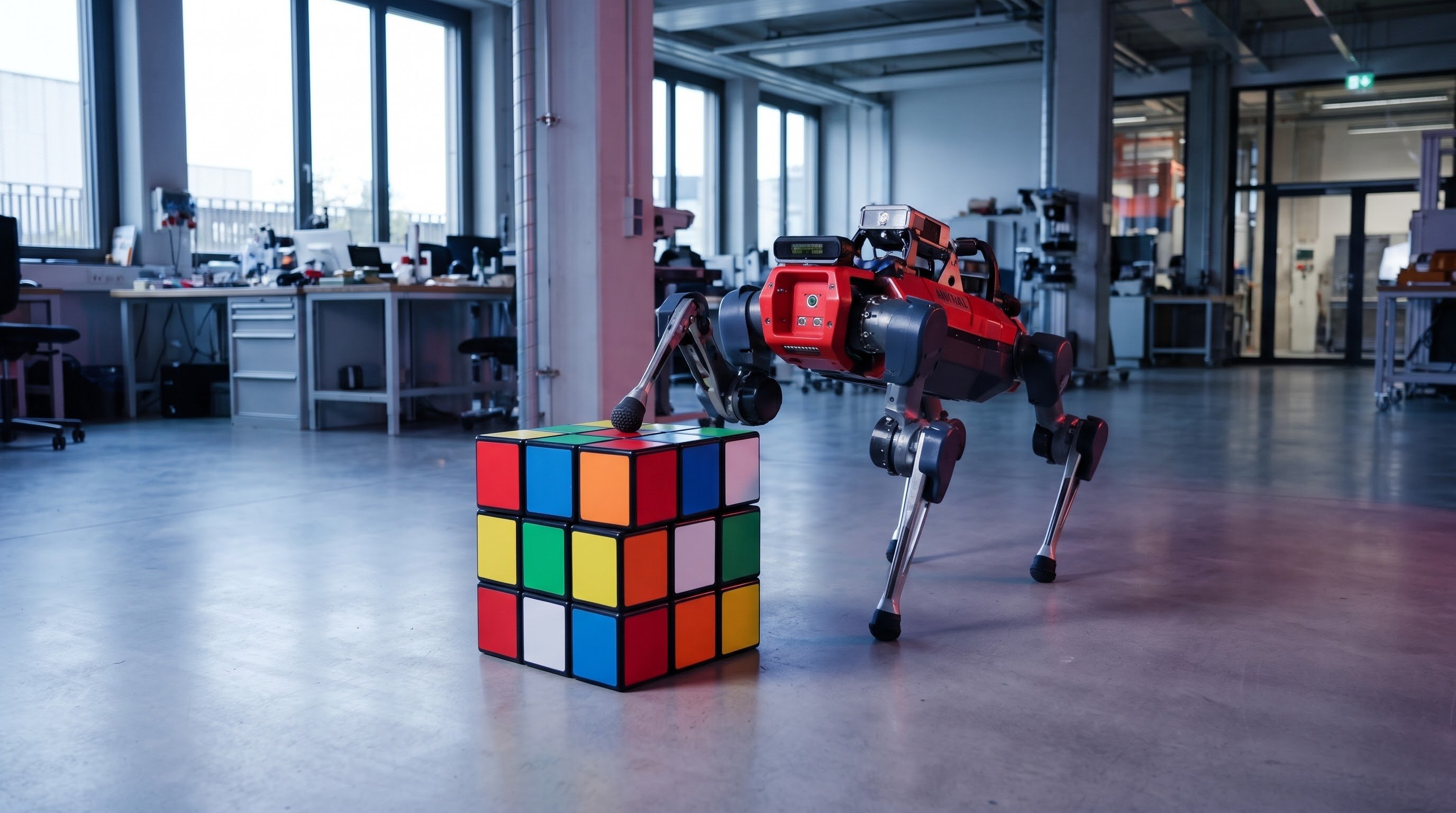
Four-legged robot solves a giant Rubik's Cube using only its legs
Researchers at ETH Zürich and Nvidia taught a four-legged inspection robot to solve a giant Rubik's Cube using only its legs. It tips the cube over and turns the layers, without human help. All three attempts succeeded, each in eight to nine minutes.
-
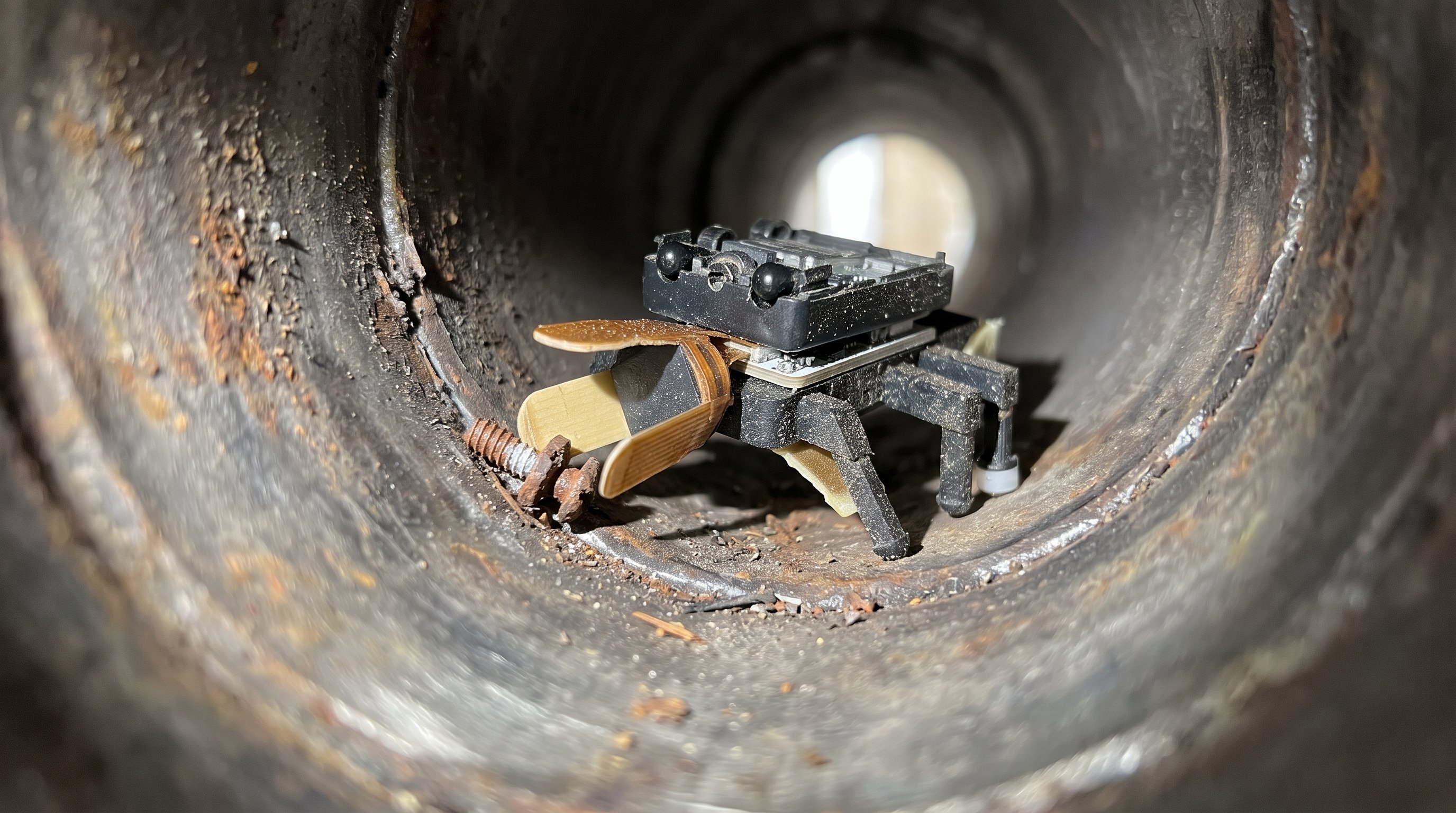
Soft beetle robot with artificial muscles can be steered with one finger
Researchers from KAIST, Caltech and NTU Singapore built a small soft robot modelled on a beetle. You steer it with your finger and get images and touch feedback straight back. The next step: making it faster and more energy-efficient.
-
Mars rover Perseverance drives a record distance and mostly steers itself
The Mars rover Perseverance has driven 45.22 kilometres: further than any other vehicle on another planet or moon. It steered itself for more than 90 per cent of that distance. NASA has extended the mission until about the end of 2028.
-
MIT builds thin swimming robot powered by living muscle cells
Researchers at MIT have built a paper-thin swimming robot powered by a layer of living muscle cells. The cells contract when light falls on them, so the robot can be steered. In the lab it has already swum through a small maze.
-
Unitree has humanoid robot do kung fu and lift cars as a bodyguard
The Chinese robot maker Unitree shows the H2-X, a humanoid robot that fights, jumps and lifts a car to rescue someone. It is mainly a demonstration of what the underlying H2 platform can do; there is no price or sale date yet.
-
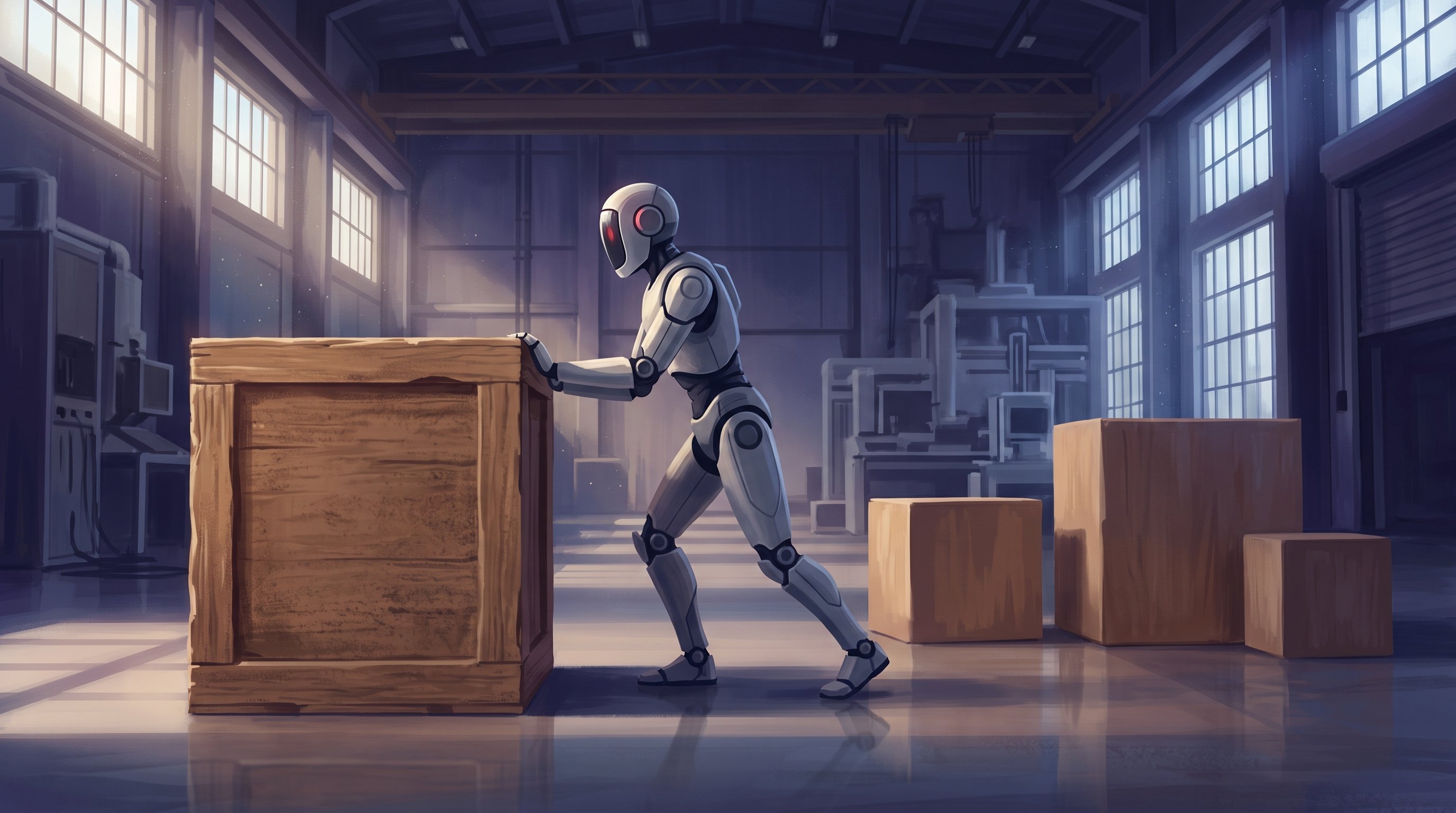
Humanoid robot from South Korea pushes 35 kilos and lifts 20 kilos while walking
Researchers at KAIST in South Korea had their humanoid robot push objects of up to 35 kilos and lift up to 20 kilos while walking. Legs and arms are controlled together by a single AI system. It is a demonstration in the lab; more tests will follow.
-
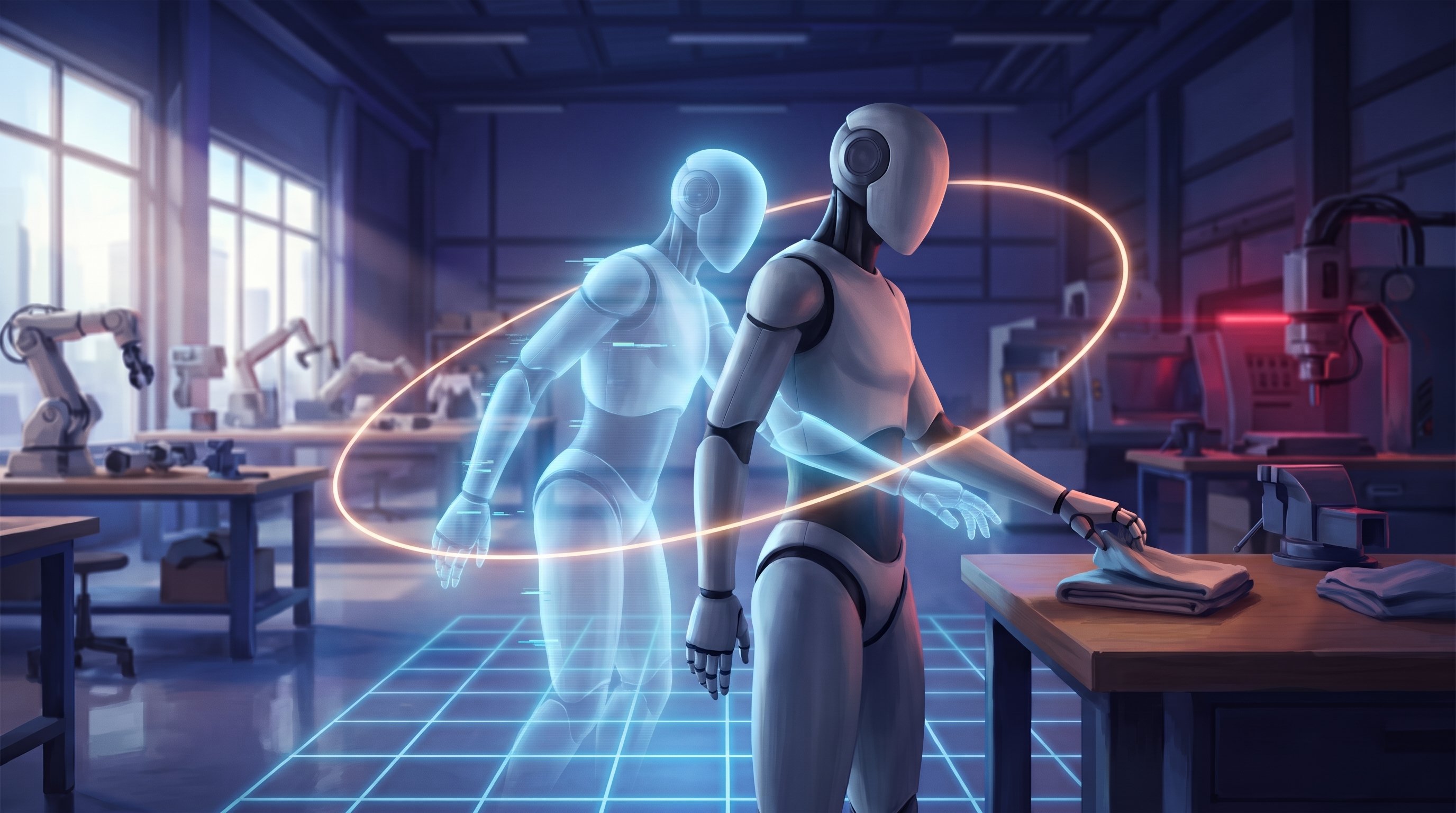
Robot AI from Seoul first imagines what the result will look like, and only then chooses its movement
Researchers at Seoul National University have built an AI model that lets a robot 'see' in advance how a task will turn out. With those images, the robot chooses its movements. In real tests it completed almost eight out of ten tasks, slightly more often than well-known competitors.
-
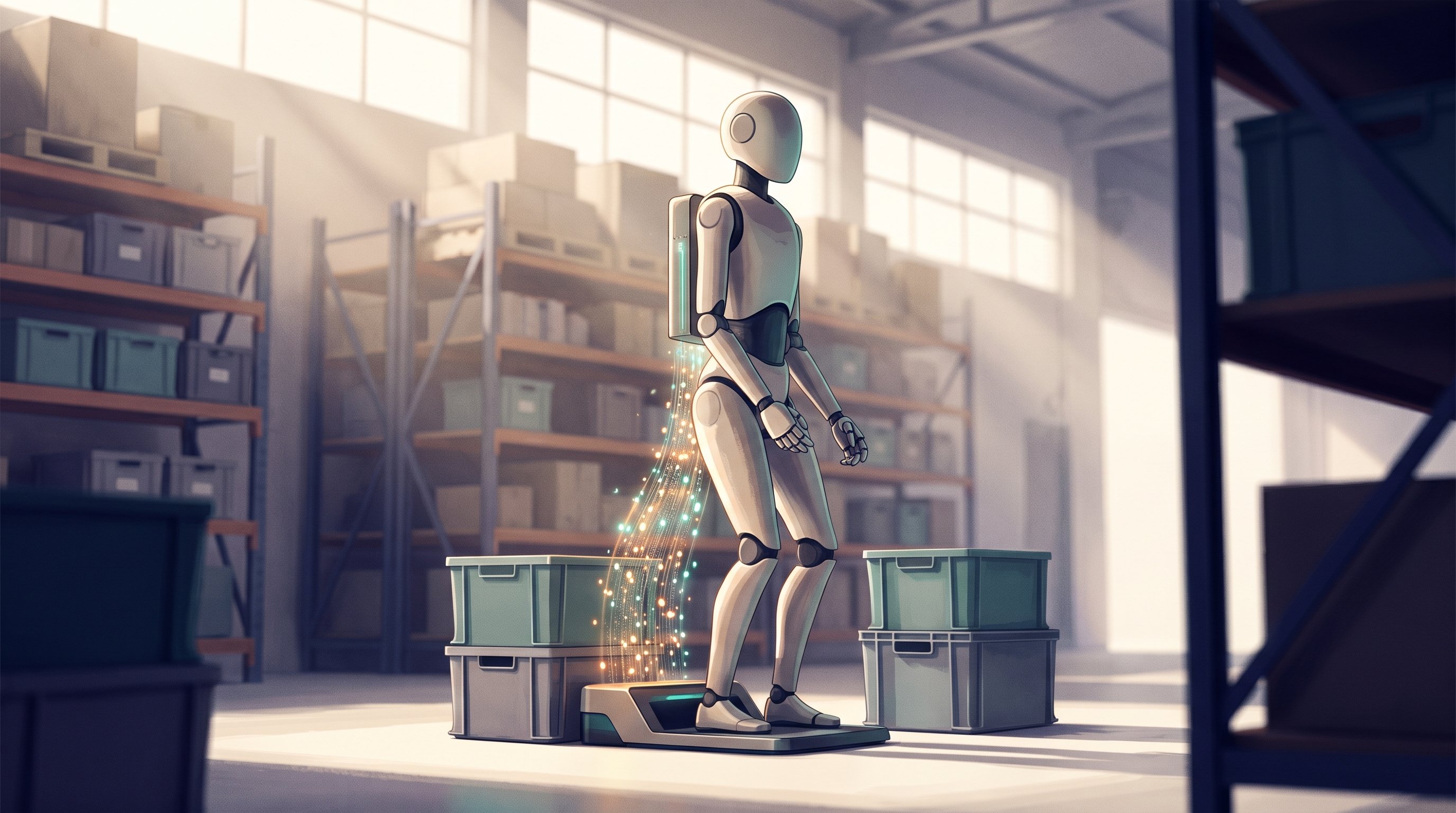
Work robot Digit 5 recharges in nine minutes and can then keep going for an hour and a half
Agility Robotics is getting a fast-charging battery from the British company Nyobolt for its humanoid robot Digit 5. After nine minutes of charging, the robot works for another hour and a half. According to Agility, this lets it stay at work for more than twenty hours a day.
-
Robot Digit 5 swaps its bird legs for human legs to work safely alongside people
Agility Robotics has completely redesigned its humanoid robot Digit. The fifth version lifts heavy crates, recharges in nine minutes and sits down by itself when someone comes too close. Co-founder Jonathan Hurst explains why.
-
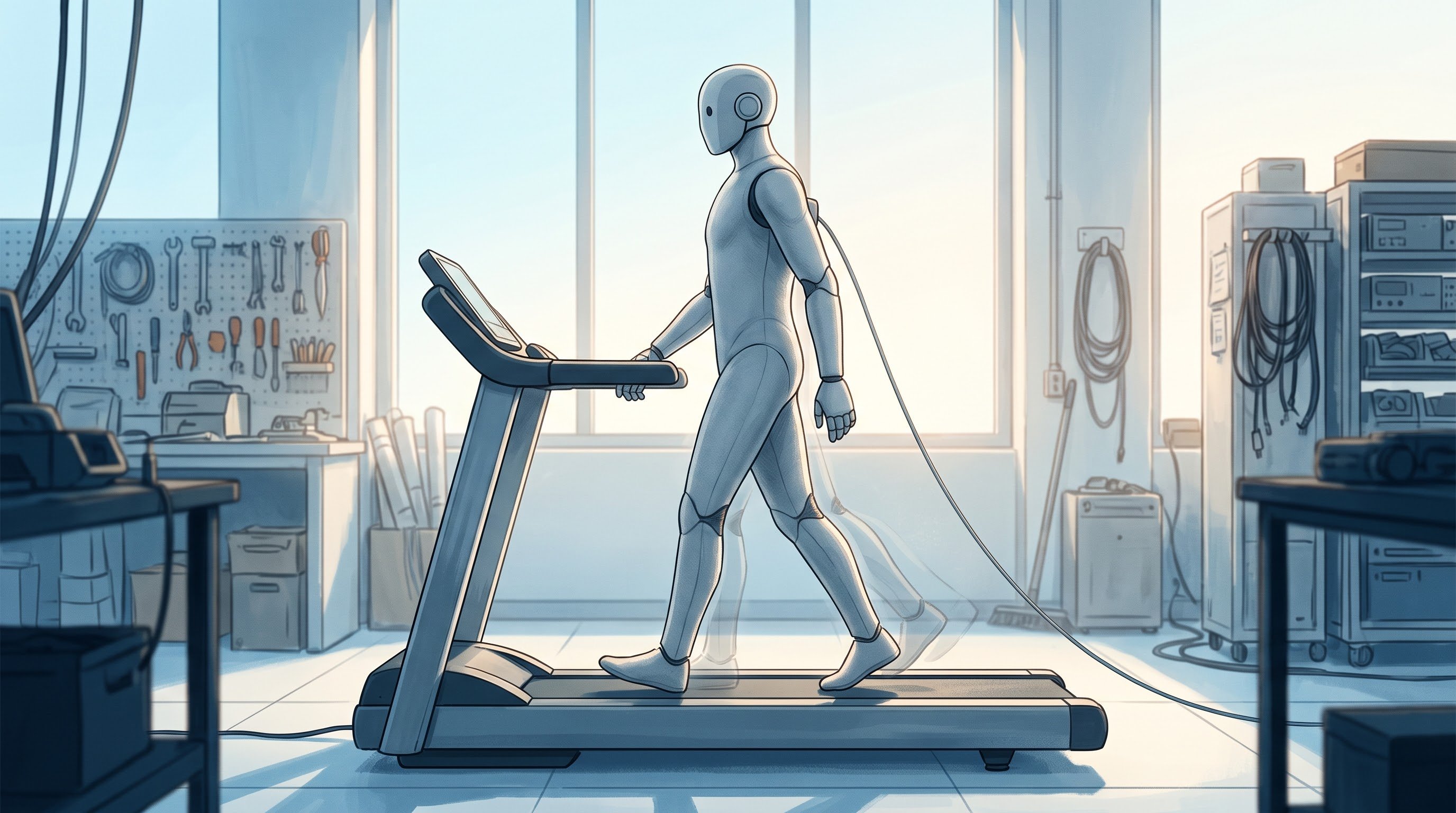
Humanoid robot walks 560 kilometres on a treadmill in nine days
A humanoid robot from the American company Figure AI has been walking on a treadmill for nine days in a row: more than 560 kilometres and 1.2 million steps, reports chief executive Brett Adcock. The trial is meant to find weak spots in the hardware and is still running.
-
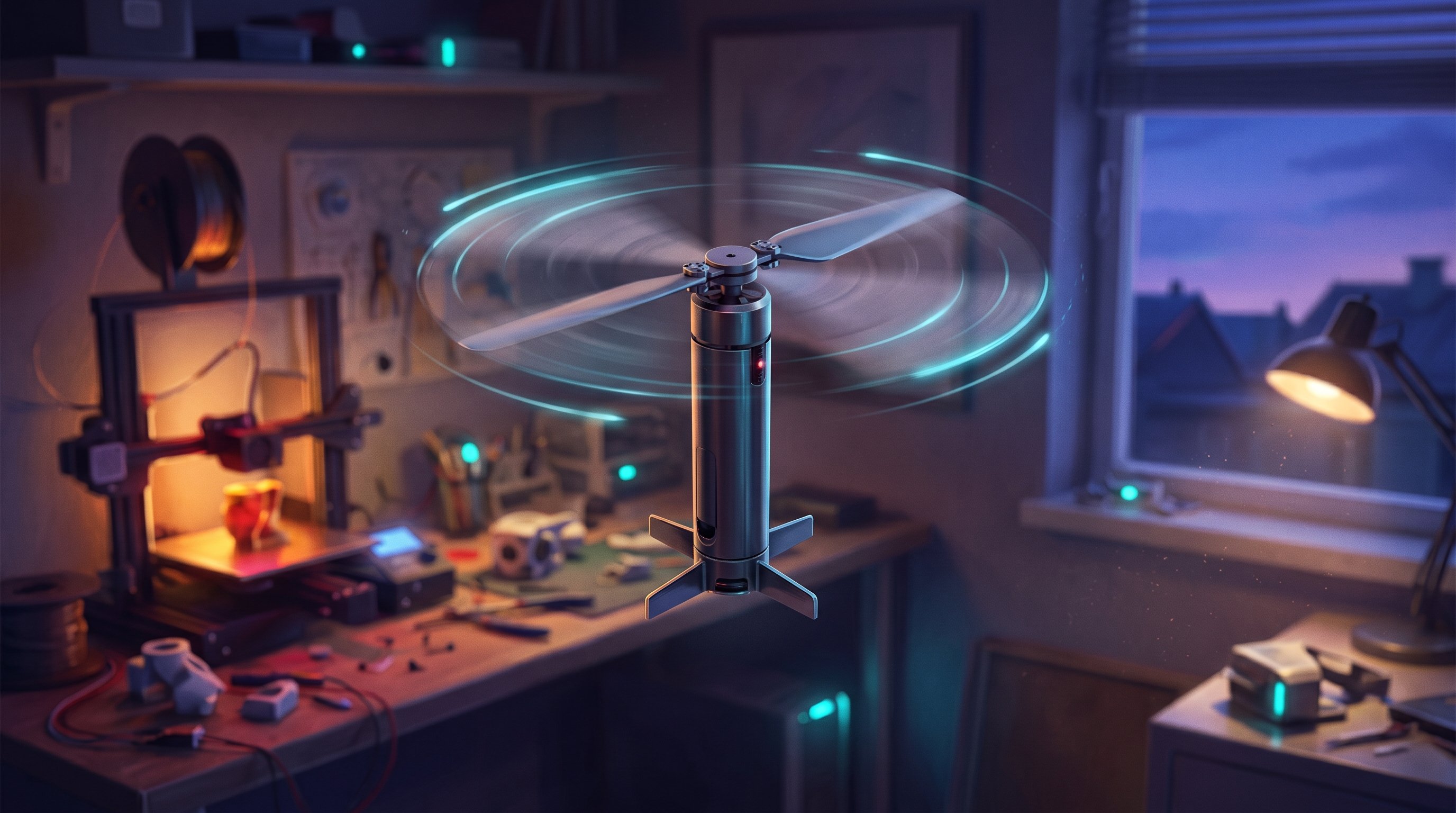
Home-built drone flies and steers with a single propeller
Maker Joshua Bird built a small drone at home that flies and steers with one motor and one propeller. The secret lies in a hinge in the hub and lightning-fast motor control. The design files and code are free online.