Nederlands
AI that had never seen a black hole finds the same ring around M87*
Australian researchers had an AI that only knew ordinary photos re-analyse the measurements of the black hole M87*. It also found a ring of the same size as in the famous 2019 image. That gives more support to the first image of a black hole.
In 2019 the world saw an image of a black hole for the first time: a blurry orange ring around a dark centre, in the galaxy M87. Four researchers at CSIRO, Australia's national science agency, have now found the same ring in the public measurement data using an AI method of their own. Their study appeared in the scientific journal Nature.
Why the ring was questioned
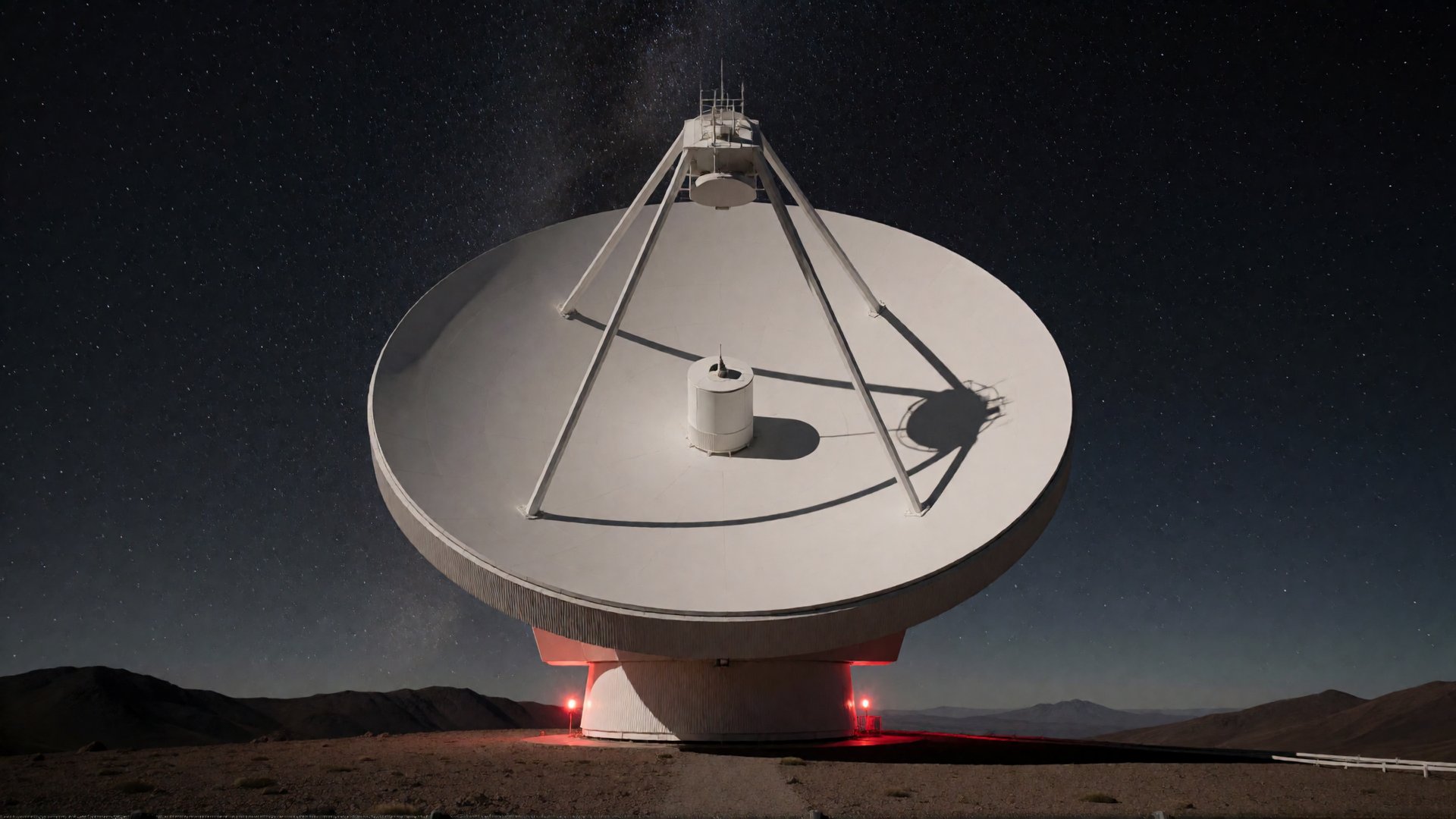
The 2019 image came from the Event Horizon Telescope: a collaboration of radio telescopes spread across the Earth that work together as one telescope the size of the planet. But they do not pick up a signal everywhere, so a computer has to fill in the gaps in the image. On top of that, the researchers have to correct the measurements of each telescope for errors in the equipment and for the air above it.
In 2022 the Japanese astronomer Makoto Miyoshi of the National Astronomical Observatory of Japan argued that the ring might therefore not be real, but a by-product of the way the image was made. Other researchers disagreed, but a check with a completely different method was still missing.
An AI without expectations
The team of lead researcher Samuel Lai and project leader Nithyanandan Thyagarajan used GenDIReCT, an AI method they developed themselves and first described in October 2025. At its heart is a diffusion model: an AI that builds a sharp image step by step, starting from noise. That model learned to make images from ordinary photos of everyday things, never from images of space. So it had no idea what a black hole should look like and could not draw the ring out of habit.
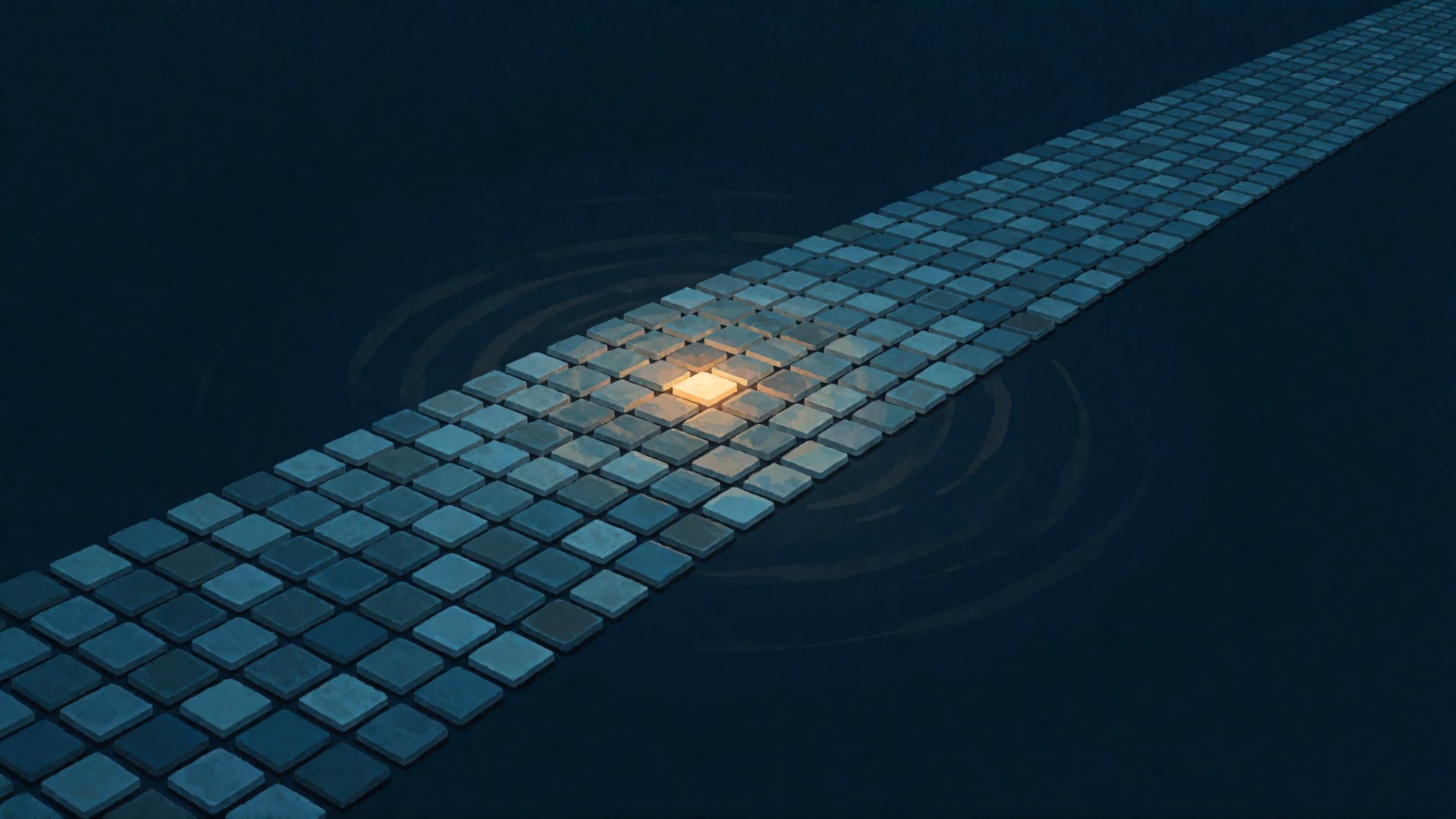
The model was also not given the ordinary measurements, but clever combinations of three or more telescopes at a time. In those combinations the errors of a single telescope cancel each other out, so the difficult correction step is no longer needed. Even so, a ring came out again, with almost the same size and shape as in 2019, and in measurements from several years.
Laurent Loinard, director of the Event Horizon Telescope collaboration, who was not involved in the research, calls it an elegant, fully independent method that agrees well with the earlier results. The research confirms that the ring exists and how big it is. Other details, such as the jet of matter that the black hole shoots out, are left open for follow-up research.
What does this mean for the road to the singularity?
AI has long helped to pull images out of incomplete measurements. The risk is that the AI sees what it expects to see. This study turns that around: a model without any expectation about the subject, fed with measurements in which the best-known source of errors has already dropped out. In this way AI becomes not only a tool for producing results, but also an independent second reviewer.
If that approach can be used more widely, every important measurement could quickly get a second check, without another team having to spend years building its own method. According to Thyagarajan, the technique could also help with medical scans and with mapping earthquakes. That still has to be tested separately in those fields, but the idea is appealing: better images from fewer or messier measurements, so that a scan can be done faster or an earthquake can be better understood.
What is the technological singularity? Read the explanation →