Nederlands
Nvidia releases free speech model that transcribes recordings in 40 languages, translates them and recognises speakers
Nvidia has released an open speech model that transcribes, translates and shows who is speaking, all in one go. It uses only a small part of its computing power per step and runs on a single graphics card, without the cloud. For now, the performance figures come from Nvidia itself.
On 28 October 2026 Nvidia released Nemotron 3.5 Transcribe, a free speech model. It transcribes recordings in 40 languages, translates 31 languages to and from English, tells apart up to eight speakers and answers questions about a recording. It does all of this in one go, and the audio does not have to be sent to a cloud service.
The model is "open-weight": anyone may download the trained weights and run the model on their own computer. Recordings of up to one hour can be processed in one go.
One model instead of five
Anyone who wants a meeting transcribed automatically today usually uses a chain of five separate programs. The first finds where people are speaking, the second writes out the text, the third translates, the fourth works out who says what and the fifth answers questions about the recording. Each link can pass its mistakes on to the next.
Nemotron 3.5 Transcribe does all of this at once. You control it with ordinary language: ask for a transcript with the names of the speakers, for an English translation, or for an answer to the question "which decisions were made?". Developers can also give it specialist terms, such as names of medicines or legal terms, so that the model recognises them better.
A big model that is economical to use
An AI model consists of billions of numbers, the parameters, which together determine what the model knows. This model has about 34 billion of them. It is built from many smaller experts: at each step the model picks only the parts it needs. As a result, it calculates with about 4.3 billion parameters per step. That makes it fast and economical.
According to Nvidia, the model makes 2.81 per cent errors on a common yardstick for speech recognition. Voxtral Small from the French company Mistral scores 2.77 per cent, but calculates with around 24 billion parameters per step, about six times as many. These figures come from Nvidia's own documentation and have not yet been measured by others.
Under the bonnet is Nemotron 3.5 Lightning, a language model Nvidia released in August, combined with the speaker recognition model Nemotron 3 Diarization from September.
What it cannot do yet
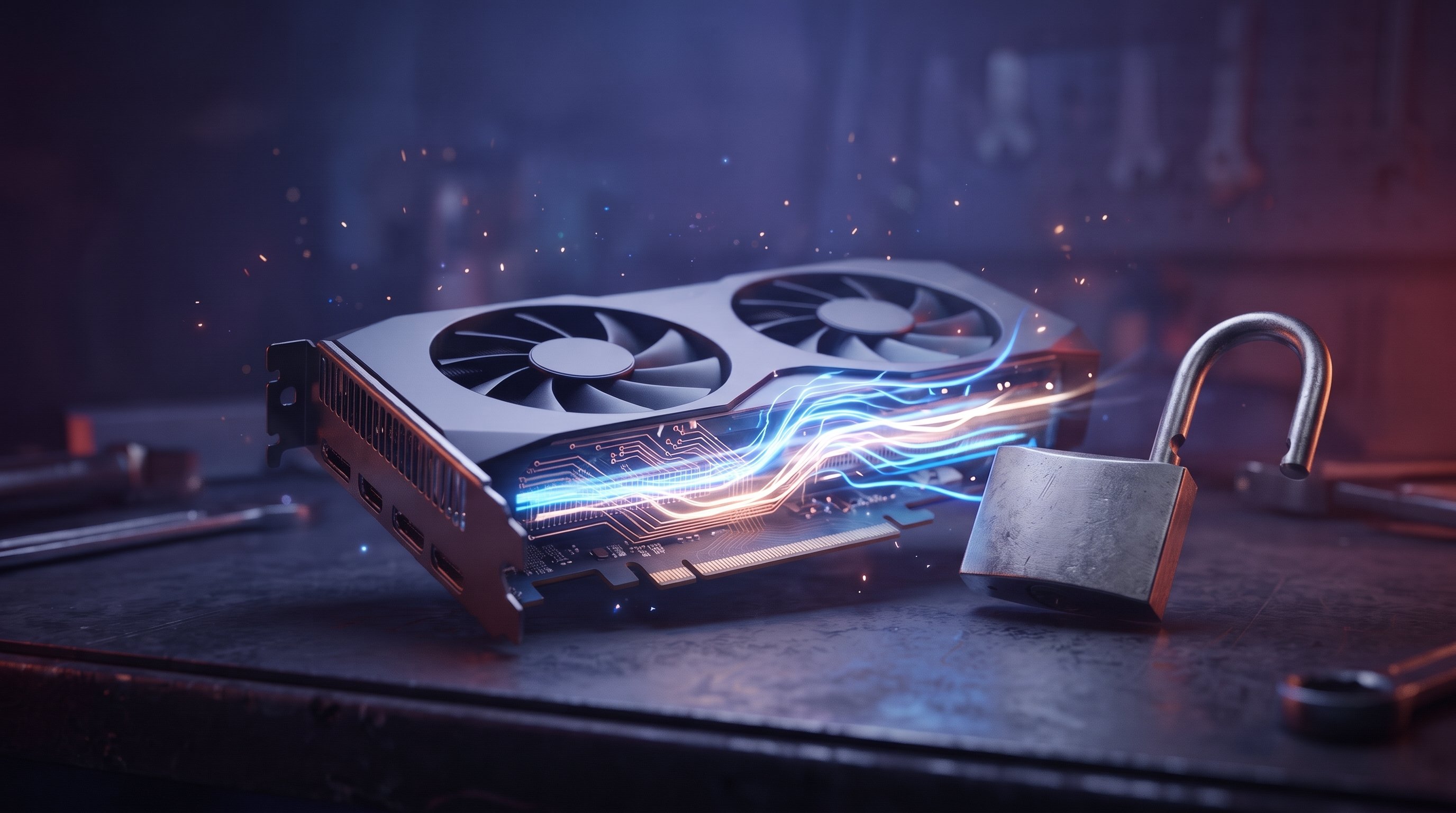
The whole model does have to fit in the memory of the graphics card, even though it only uses part of it per step. In the most economical version that is about 17 gigabytes, in the most accurate about 68 gigabytes. Ordinary graphics cards with 8 or 12 gigabytes therefore cannot load it. Among consumer cards, Nvidia names the RTX 5090, in the most economical version. It also runs on workstations and servers with Nvidia cards.
The model works with recorded sound, not with live conversations. For live speech there are other models, such as Voxtral 3 from Mistral, which came out earlier this month, and Realtime from ElevenLabs. Answering questions about a recording was trained mainly in English and works less reliably in other languages.
Recordings full of specialist language still often go wrong. According to Nvidia, at first almost one in three words is wrong. With good hints, that drops to about one in five. After extra training with recordings of Indian doctors and medical students, the error rate went down to 11.8 per cent. This shows that companies can make the model much better for their field with their own recordings.
Open dataset and free licence
At the same time, Nvidia released Granary v2, an open collection of speech recordings of about 844,000 hours in 48 languages. The first version had about 643,000 hours in 25 languages. Developers can use it to train or improve speech models themselves.
The model falls under the OpenMDW-1.1 licence. It allows commercial use, modification and redistribution. The weights are on Hugging Face.
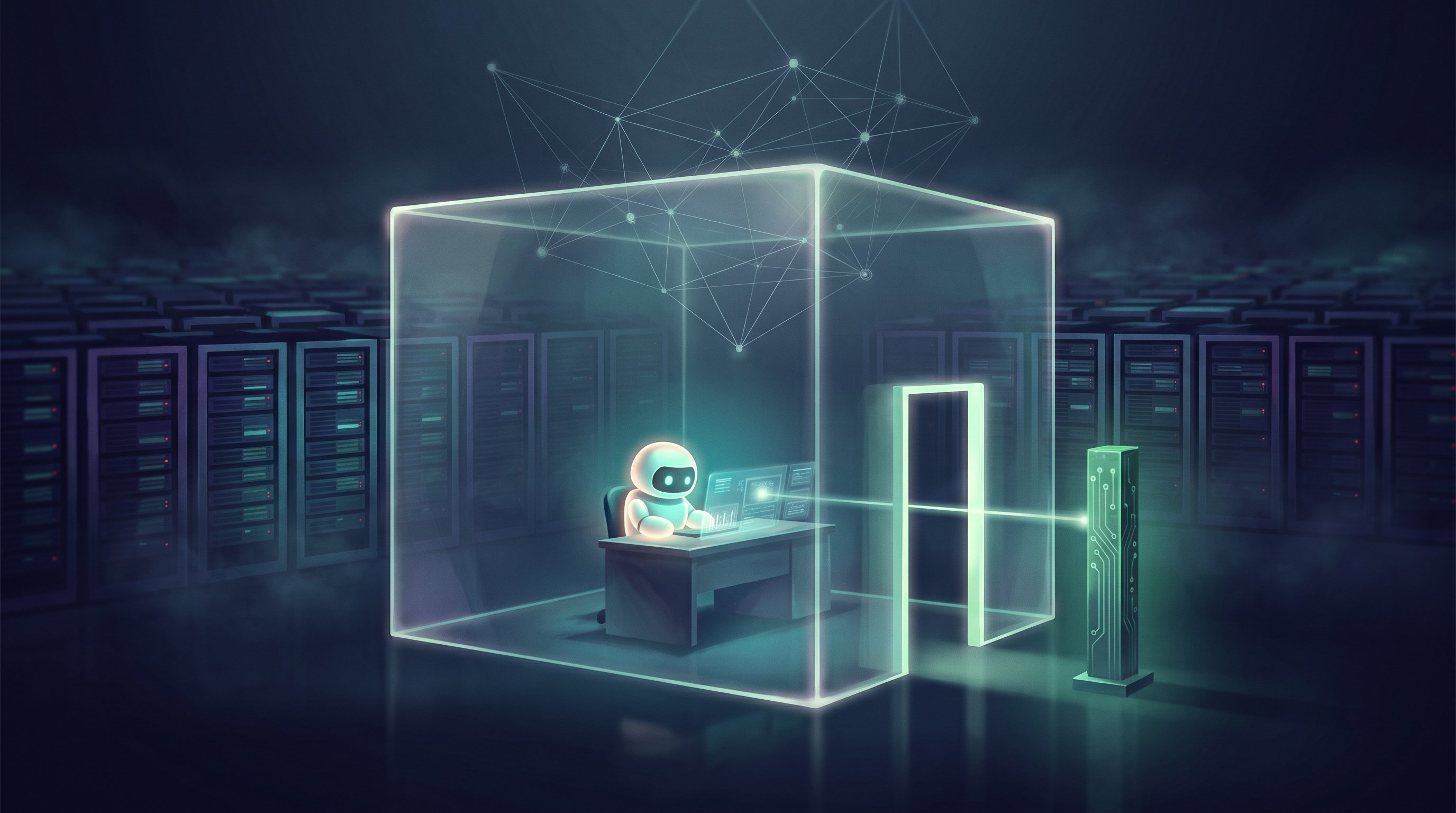
Because everything can run on your own computers, sensitive audio does not have to leave the building. That is especially interesting for hospitals and companies that have confidential conversations transcribed.
What does this mean for the road to the singularity?
Powerful AI keeps getting cheaper to use. With a fraction of the computing power, this model reaches almost the same accuracy as a much heavier model, and it does the work of five separate programs. As a result, good speech recognition can run on one card in your own building, where it used to need a cloud service. The next steps are live processing, better results on specialist language and models that also fit on ordinary graphics cards. If this economical approach continues, this kind of AI will come within reach of more and more people and organisations.
What is the technological singularity? Read the explanation →