Nederlands
Nuclear power
Nuclear power is electricity from the heat released when uranium atoms split. It supplies power day and night without CO2 emissions, including for AI data centres.
Nuclear power is energy from atomic nuclei. In a nuclear power plant, uranium nuclei split into smaller pieces, which is called nuclear fission. A great deal of heat is released, much more than when burning the same amount of coal or gas.
How does it work?
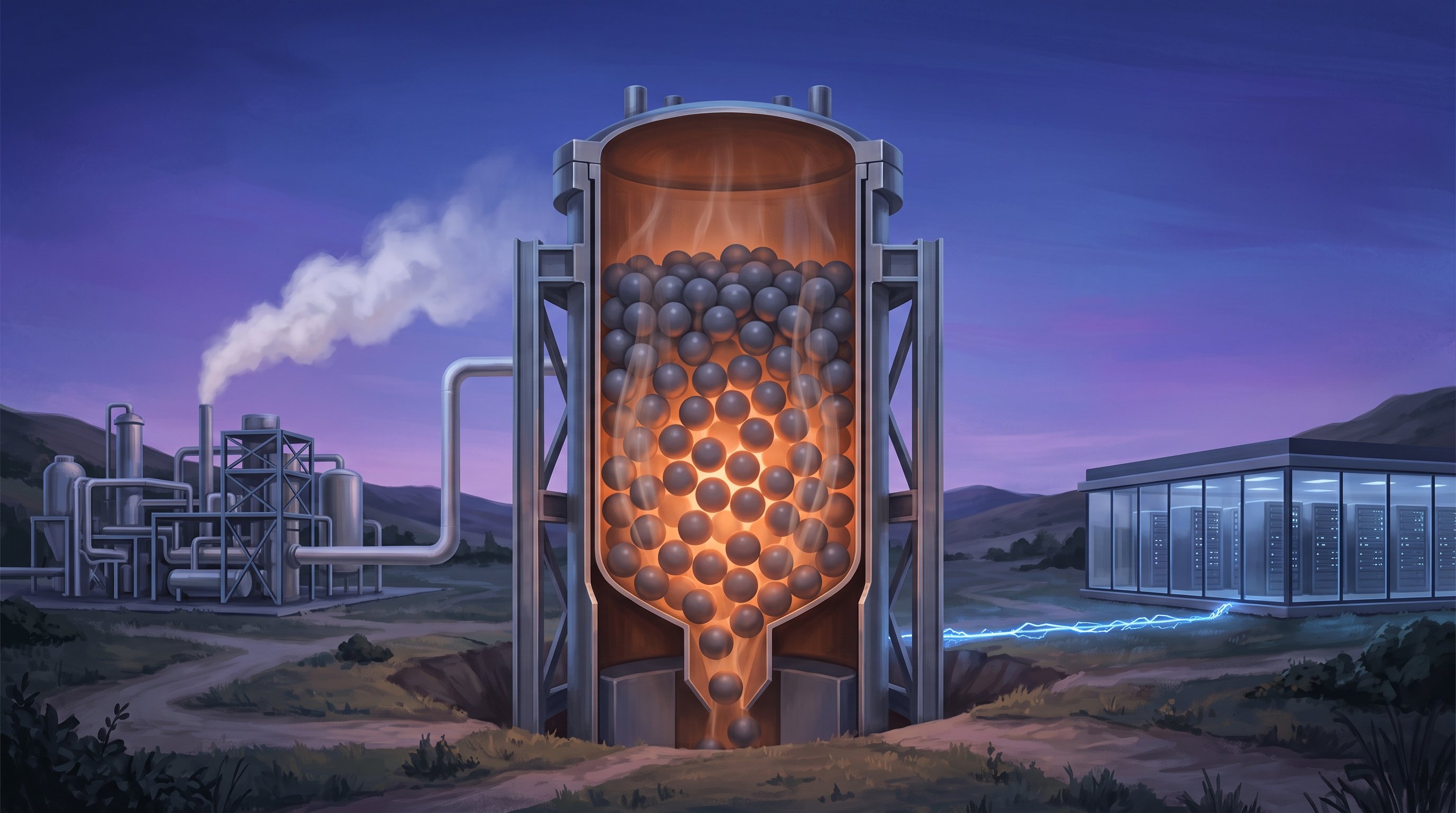
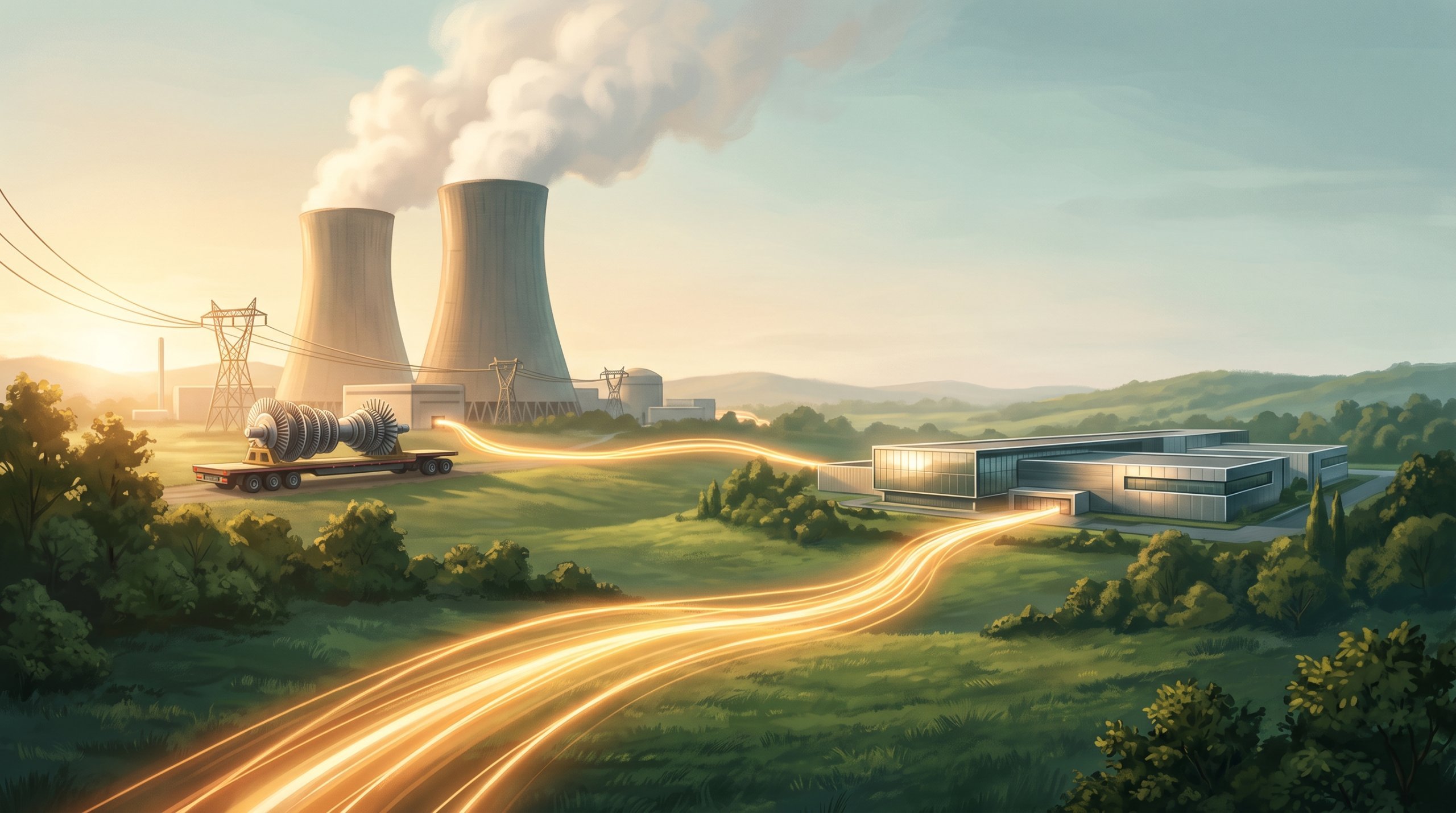
A nuclear power plant works, at its simplest, like a very large kettle. The reactor makes heat, the heat makes steam, and the steam turns a turbine that generates electricity. The fission keeps going because each split nucleus releases particles that make other nuclei split in turn. Technicians control that process, so that the reactor delivers exactly the desired output.
No CO2 is released when the electricity is generated, and a nuclear plant delivers day and night, whether or not the wind blows or the sun shines. Alongside the usual large plants, small reactors of a few tens of megawatts, or even 1 megawatt, are coming, which can be built in series in a factory.
Why it matters
AI data centres need a lot of reliable power, and tech companies are therefore looking at nuclear energy. Google is buying an extra 890 megawatts from Constellation for twenty years and Meta 433 megawatts from Vistra, so that existing American nuclear plants supply more power, a faster route than building a new plant (link). Small reactors are on their way too. X-energy is developing a small reactor cooled with helium gas that supplies hot steam for factories and electricity for data centres, and the chemicals company Dow and Amazon want to build with it (link). Once its safety analysis was approved and after a final check, the company Radiant will be allowed to test its 1-megawatt reactor, which can travel by lorry, at full power in Idaho for months (link). The coming years will show how quickly such reactors can be built on time and within budget.
Articles about Nuclear power
-
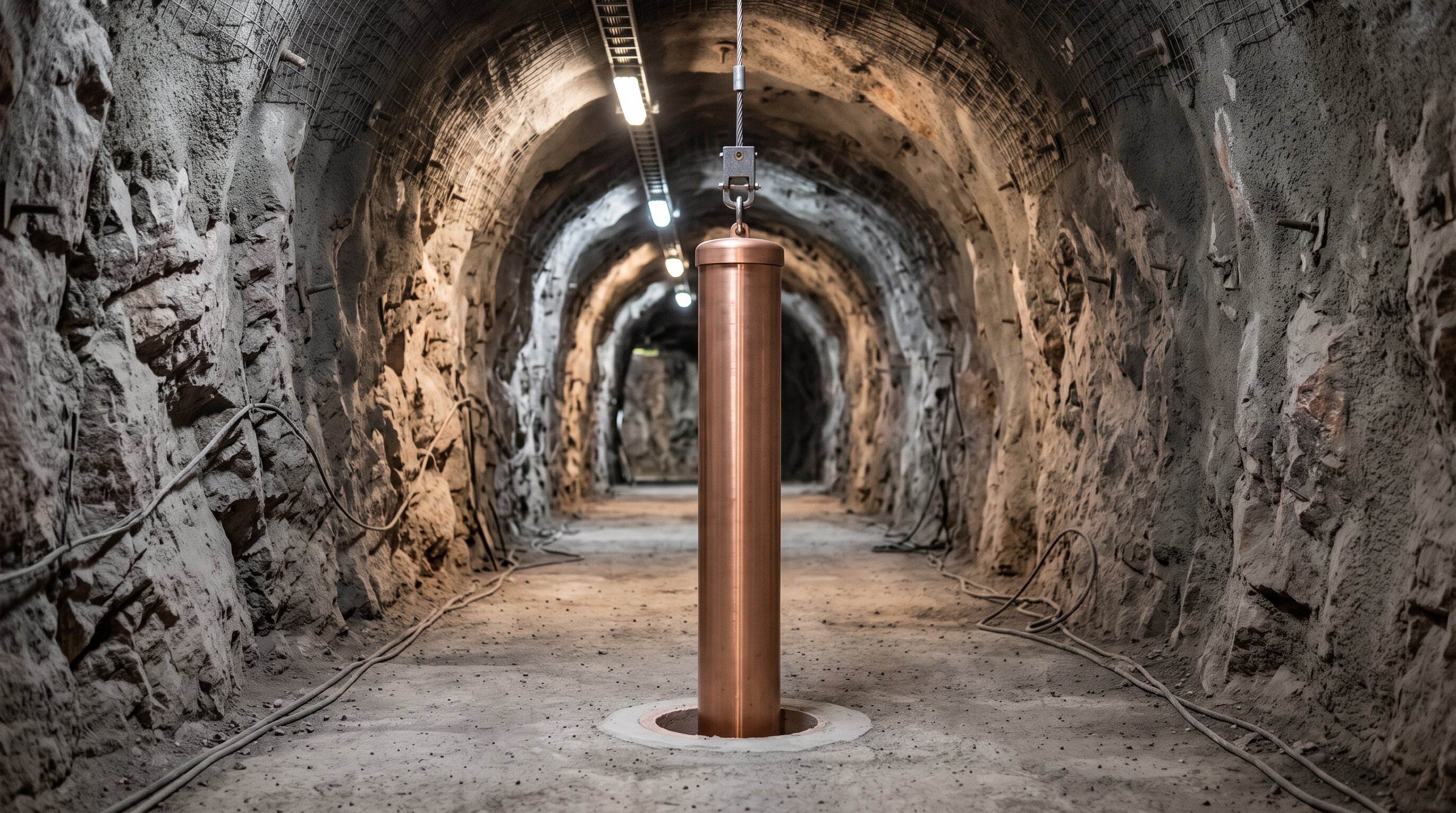
Finland becomes first country to get permission to store nuclear waste permanently deep in rock
The Finnish government has given Posiva permission to store spent nuclear fuel permanently in Onkalo, about 430 metres deep in the bedrock. Final tests and an inspection by the regulator still have to follow.
-
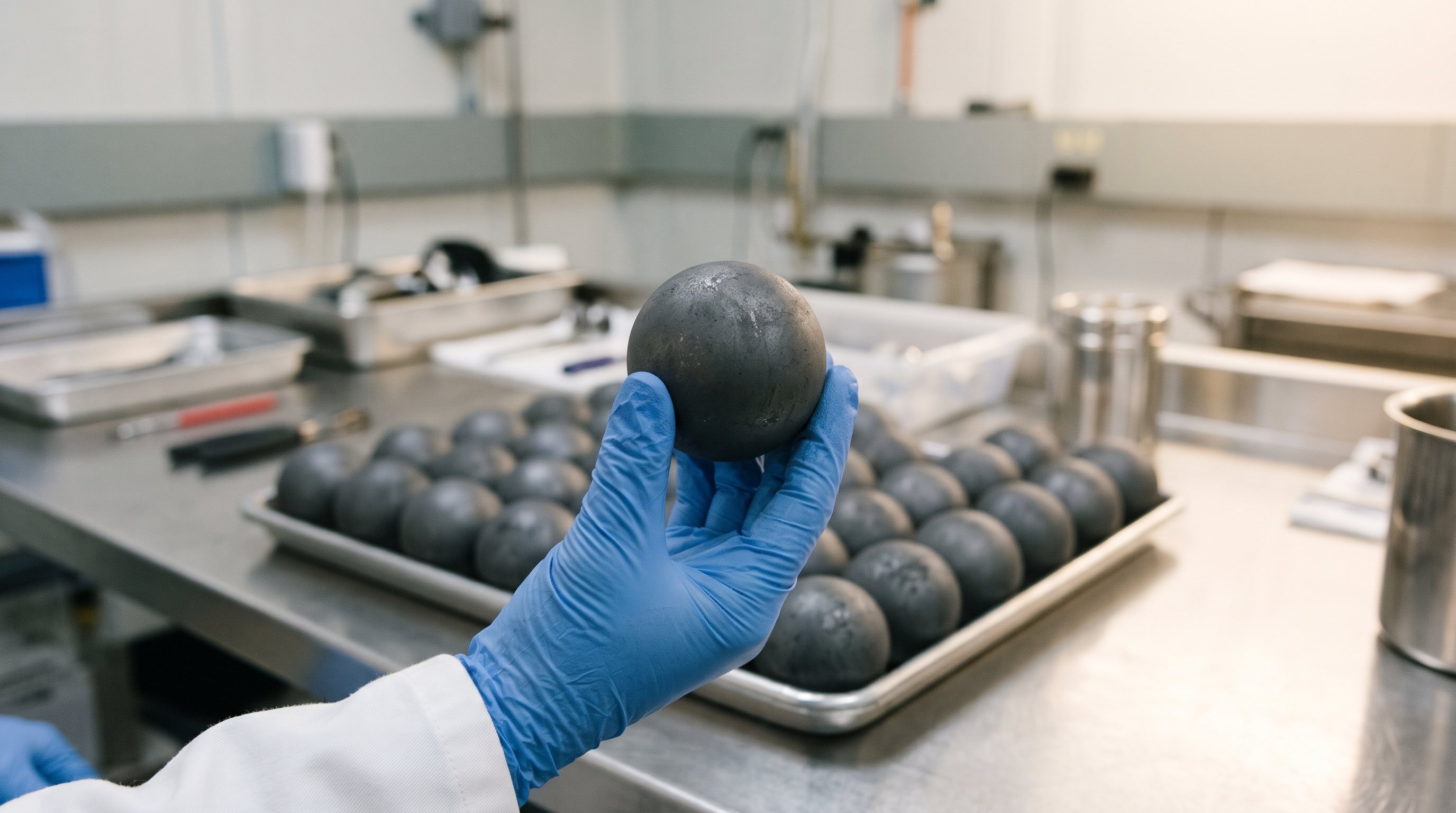
Small X-energy nuclear reactor passes safety review: construction permit for plant at Texas chemical site moves closer
The US nuclear regulator NRC has completed its safety review of the Xe-100, a small reactor cooled with helium gas. Four of these reactors are to supply power and steam to a Dow plant in Texas. The construction permit is the next step.
-
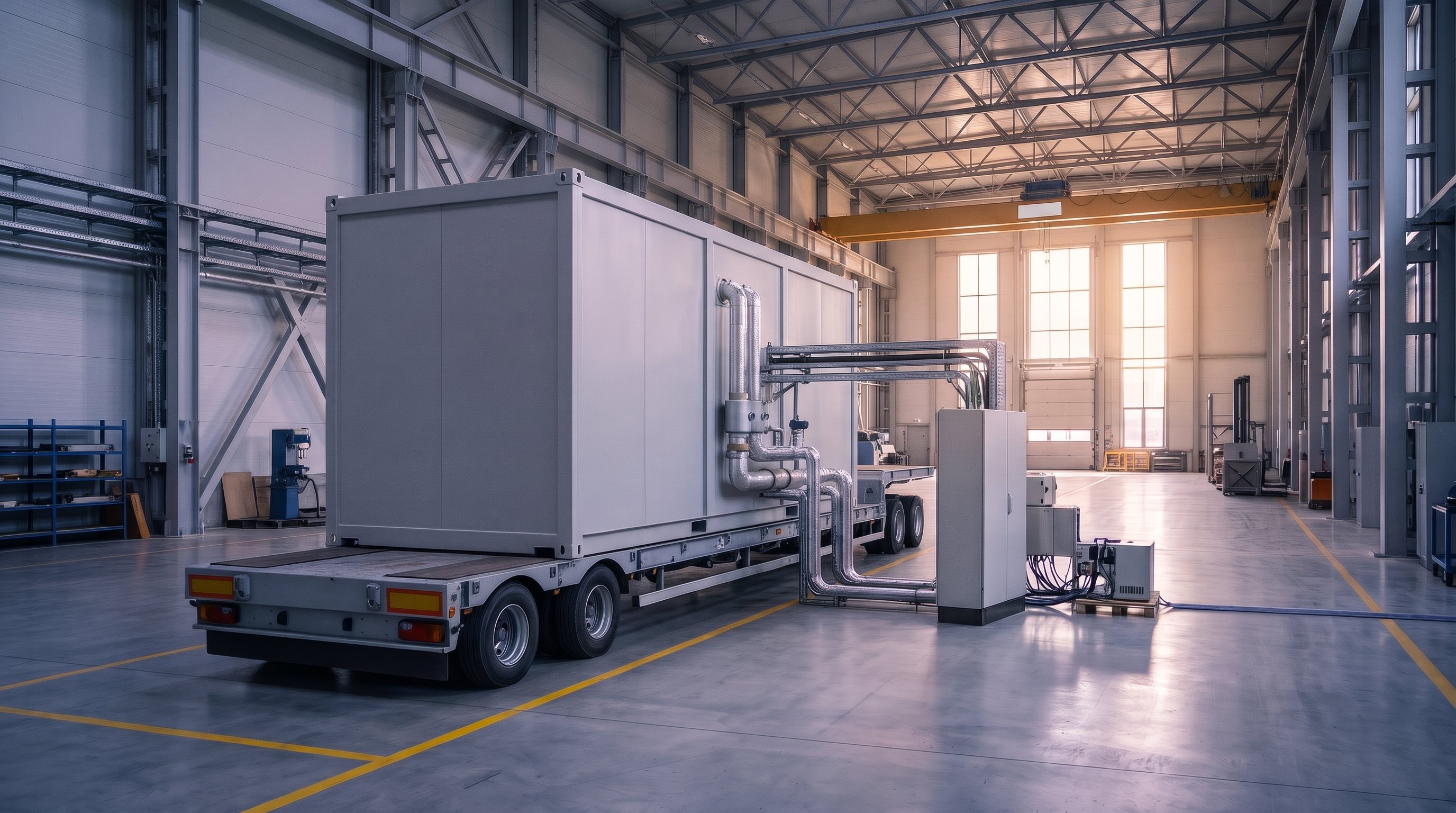
Small transportable nuclear reactor may be tested at full power in Idaho
The US Department of Energy has approved the safety analysis of Kaleidos, a 1-megawatt nuclear reactor that can travel by lorry. After one final check, the company Radiant may test the reactor for several months.
-
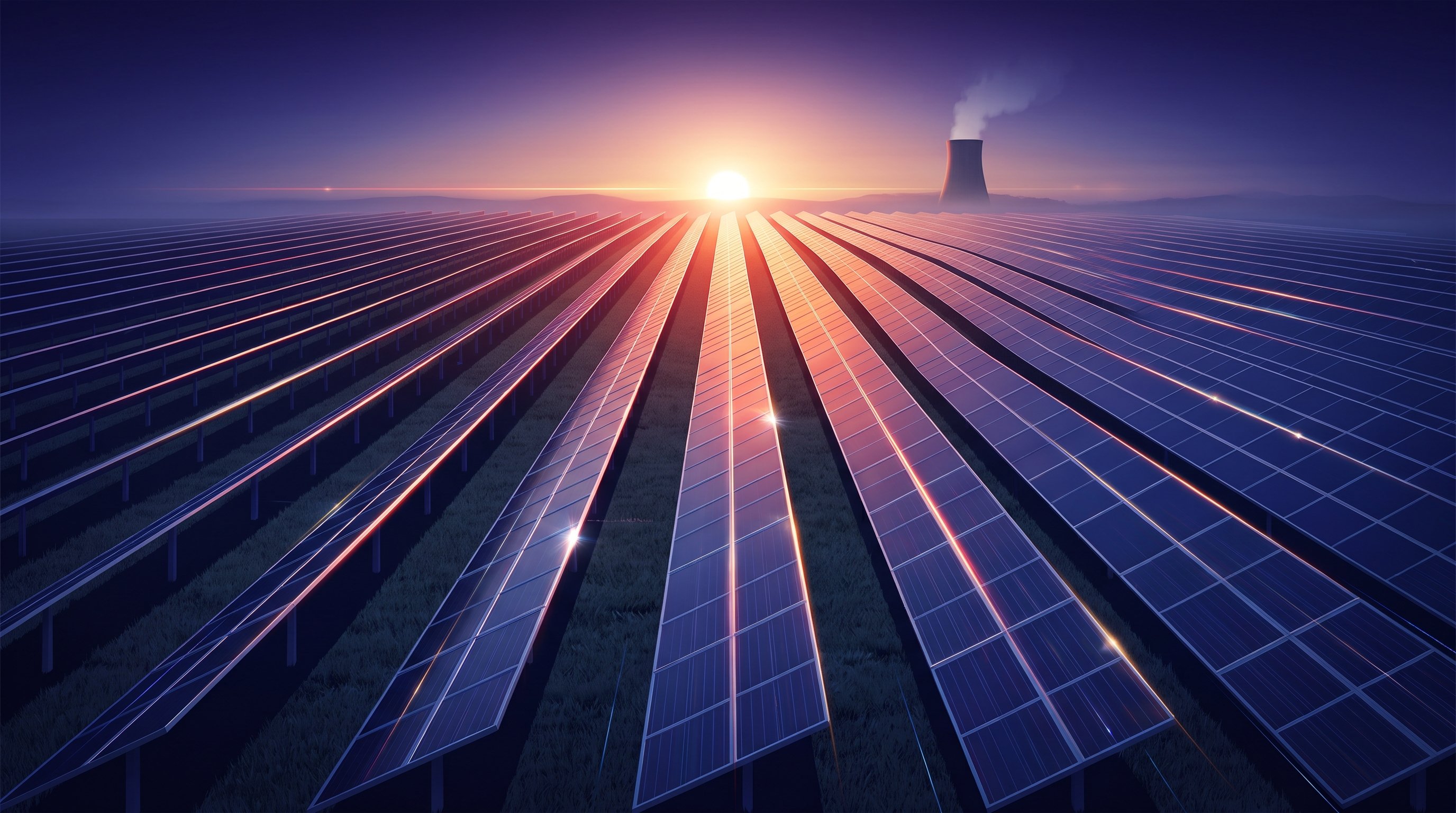
Solar power overtakes nuclear power worldwide for the first time
In 2025, solar panels generated more electricity than all nuclear power plants combined for the first time, says a major annual report on nuclear power. This year the lead is already clear, while nuclear's share is at its lowest level in 45 years.
-
X-energy builds a small helium-cooled nuclear reactor for factories and data centres
The American company X-energy is developing a small nuclear reactor that is cooled with helium gas and supplies hot steam for factories and electricity for data centres. Chemical company Dow and Amazon want to build with it. The first reactors are due to run in the 2030s.
-
Google and Meta help pay for extra power from existing nuclear plants
American nuclear plants will deliver more electricity without new reactors. Google is buying 890 megawatts extra from Constellation for twenty years, Meta 433 megawatts from Vistra. This quickly adds clean power for AI data centres, as a first step alongside new plants.