Nederlands
X-energy builds a small helium-cooled nuclear reactor for factories and data centres
The American company X-energy is developing a small nuclear reactor that is cooled with helium gas and supplies hot steam for factories and electricity for data centres. Chemical company Dow and Amazon want to build with it. The first reactors are due to run in the 2030s.
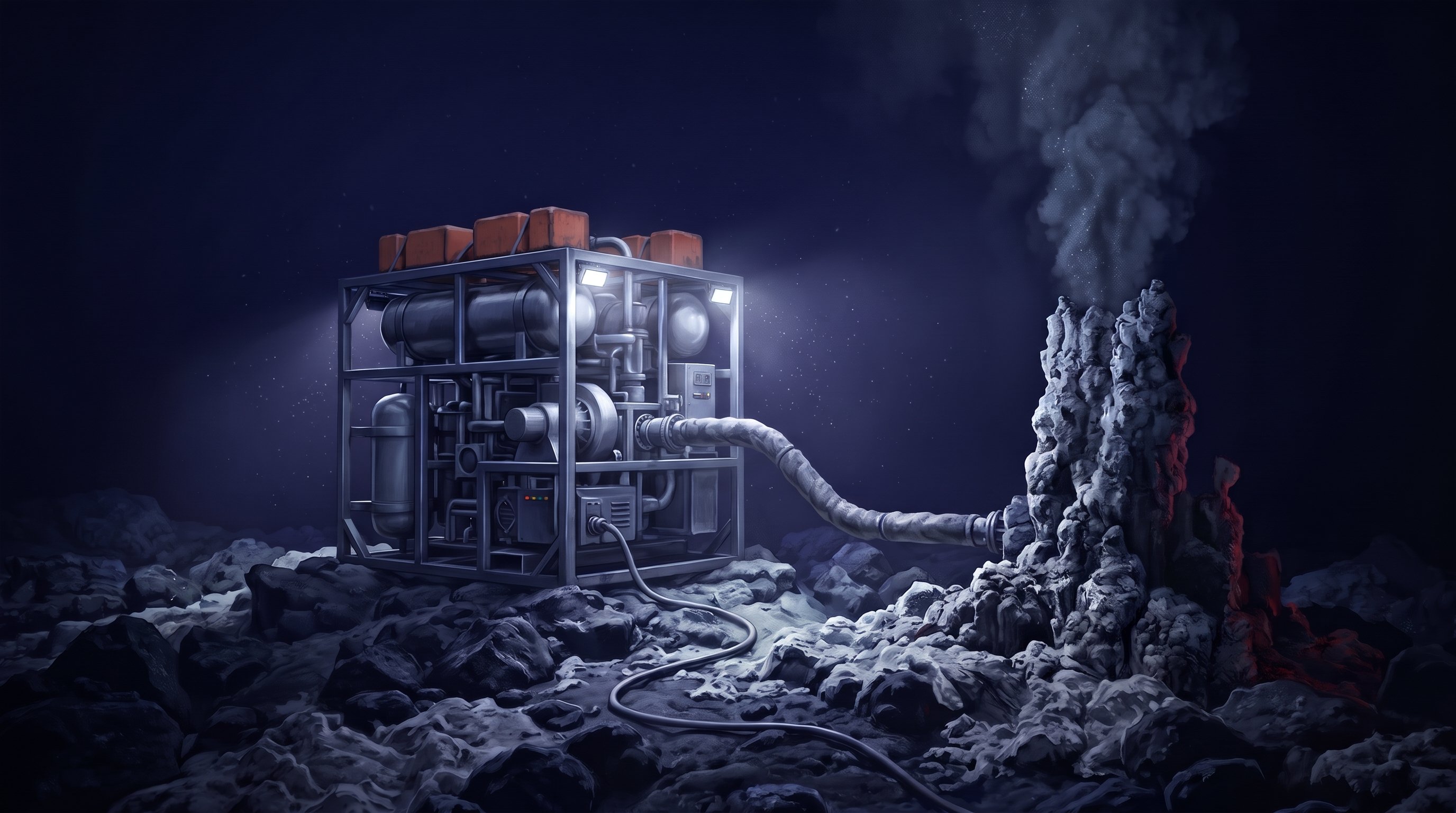
Many factories need enormous amounts of heat. Think of making steel, glass, cement, fertiliser and plastic. That heat now mostly comes from burning natural gas or coal. According to MIT Technology Review, about 18 per cent of all greenhouse gases in the world come from industrial heating, and half of that from processes that have to be very hot. Heat like that is hard to make with ordinary electricity.
The American company X-energy thinks a small nuclear reactor is the solution. This month MIT Technology Review put the company on its list of ten climate tech companies to watch.
Helium instead of water
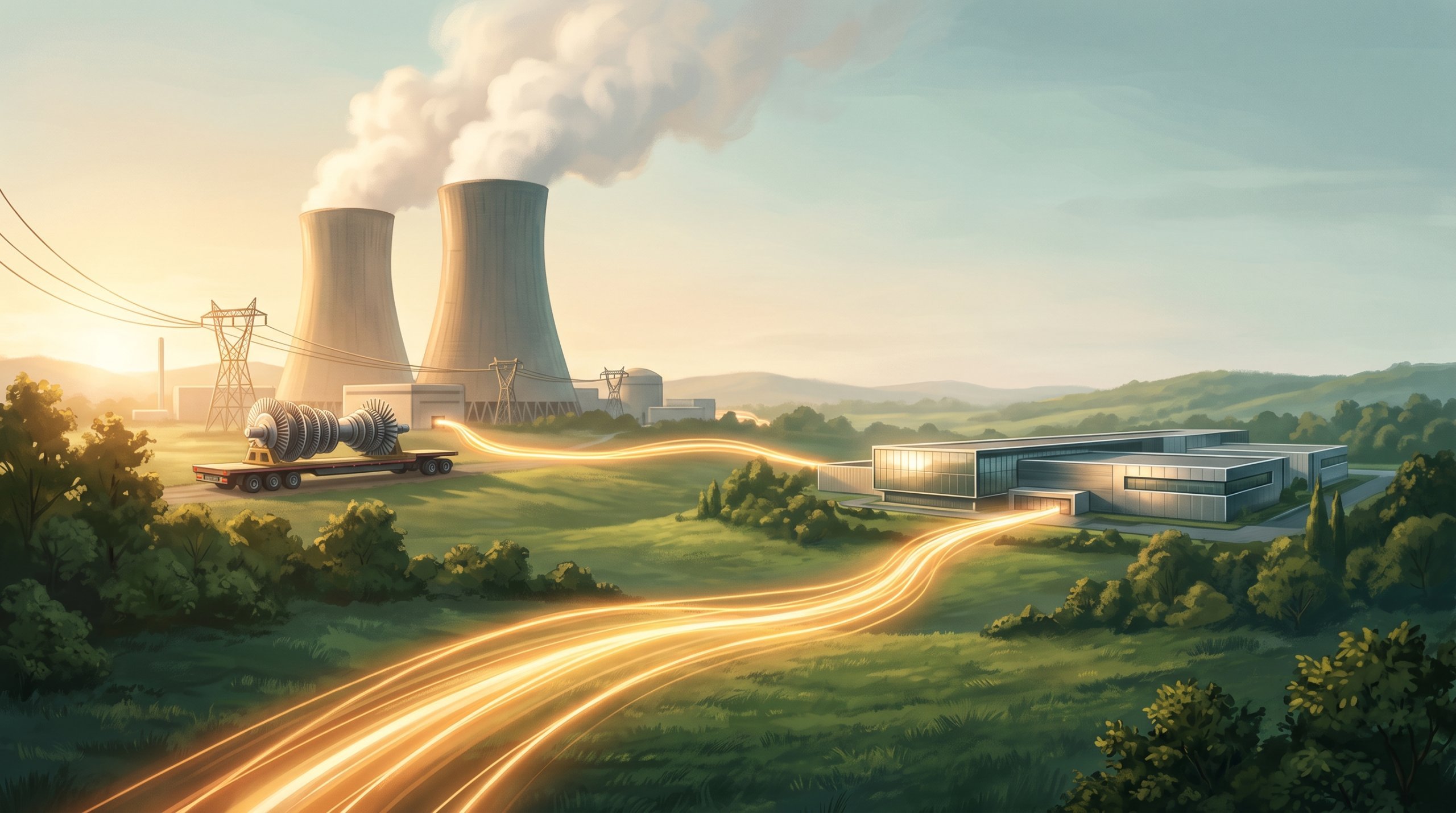
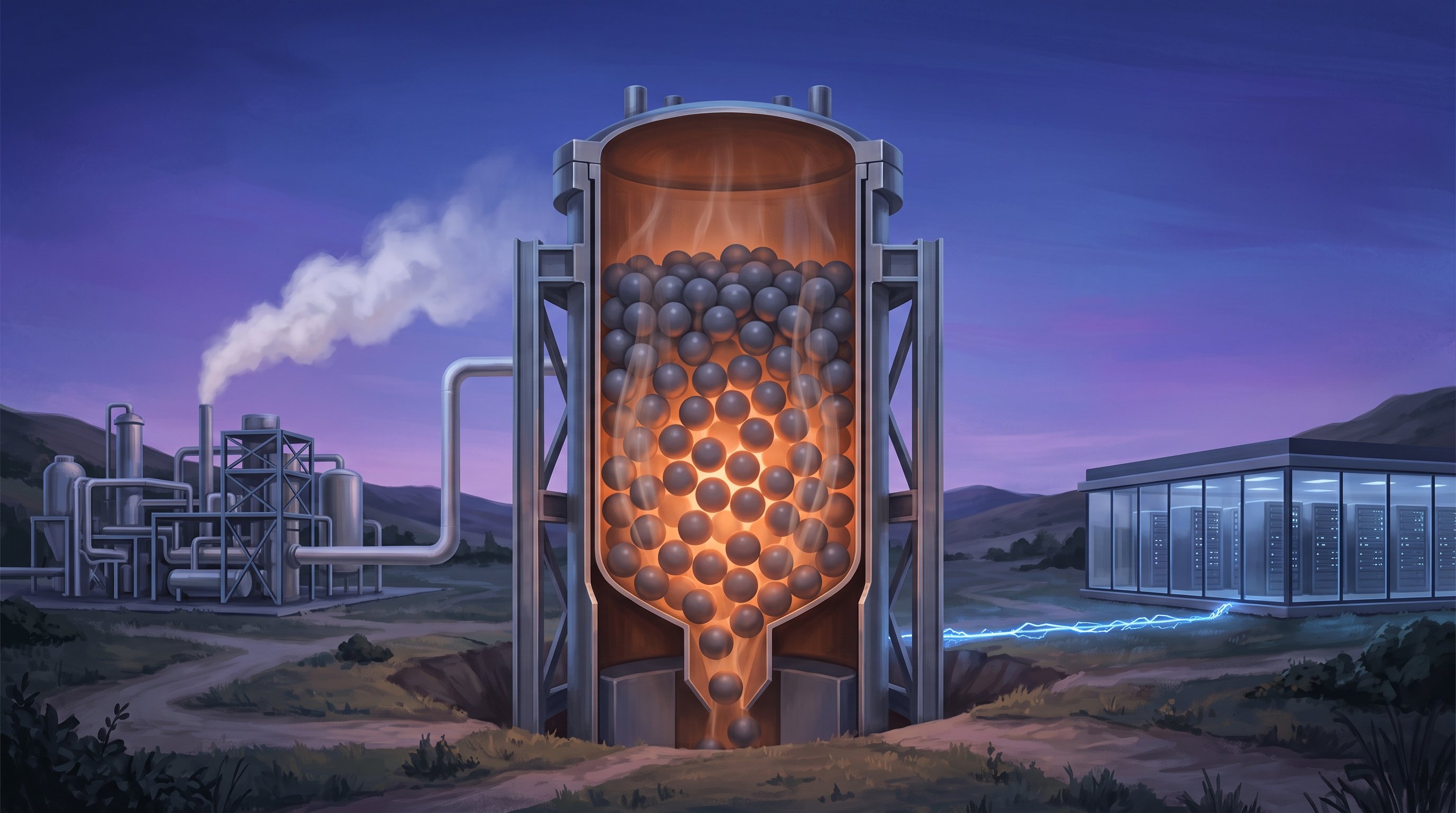
X-energy's reactor is called the Xe-100. Most nuclear power stations are cooled with water under high pressure. The Xe-100 uses helium gas. That gas leaves the reactor at a temperature of about 750 degrees Celsius. With it, the reactor makes steam of about 565 degrees. A factory can use that steam directly, or it can drive a turbine that makes electricity. A mix of both is also possible.
One reactor delivers 80 megawatts of electricity. That is about a tenth of an ordinary nuclear power station. Precisely because it is small, several can be placed side by side: X-energy mentions groups of four to twelve reactors.
The fuel sits in balls the size of a billiard ball, containing thousands of tiny grains of uranium. Each grain has a few protective layers, so that the radioactive substances stay inside. The balls are added at the top of the reactor and slowly sink downwards, like marbles in a funnel. This way the reactor does not have to shut down to refuel. According to X-energy, the reactor regulates itself: if it gets too hot, the nuclear reaction slows down by itself.
Dow and Amazon want to build with it
Chemical company Dow wants to build a power station with Xe-100 reactors at its plant in Seadrift, Texas, supplying electricity and steam. In May 2026 the American regulator, the NRC, completed the environmental assessment for it: according to the NRC, the project has no major effects on the environment. The decision on the construction permit is still to come. According to MIT Technology Review, the power station could be running in the early 2030s.
In the state of Washington, energy company Energy Northwest wants to build a power station together with Amazon to supply electricity to data centres. It starts with four reactors, together 320 megawatts, and can grow to twelve reactors and 960 megawatts. Amazon has also invested in X-energy. Together the companies want to build more than 5 gigawatts of new nuclear power in the United States before 2039. In England, X-energy wants to set up a fleet of 6 gigawatts with energy company Centrica, with Hartlepool as the first site.
Its subsidiary TRISO-X already has a licence to make the fuel balls. The first factory is due to be ready in 2028.
What still needs to happen
A helium-cooled nuclear reactor is not new, but it is still rarely used. Only China has two such reactors supplying electricity, and according to MIT Technology Review they do not yet run without interruption all the time. Small nuclear power stations also still have to show that they are affordable: with nuclear power stations, costs and construction times often overrun. And for each amount of energy, the Xe-100 produces more spent fuel than an ordinary power station, although that waste is less dangerous to store. The coming years, with the first permits and construction in Texas and Washington, will show how fast this technology can grow.
What does this mean for the road to the singularity?
AI needs electricity, a lot of electricity. Data centres are now the largest new consumer of electricity in the United States, and according to the International Energy Agency their consumption will double by 2030. That is why tech companies are looking for clean electricity that is available day and night, as Google and Meta did earlier with existing nuclear power stations. Small reactors that can be placed next to a data centre or factory fit exactly into that demand.
AI in turn can help to make such reactors faster and cheaper. Think of computer models that calculate how millions of balls flow through the reactor, or that learn from mistakes in the factory before the first reactor is built. A language model also knows nuclear physics, the chemical industry and the regulator's rules at the same time, and can thus help to get permit applications and designs finished faster. In this way the technology that powers AI can itself be moved forward by AI.
What is the technological singularity? Read the explanation →