Nederlands
Parameter
A parameter is an adjustable number in an AI model. During training, billions of these numbers are nudged a little at a time; together they hold everything the model has learnt.
An AI model has to store what it learnt during training somewhere. It does not do that as separate facts or sentences, but as numbers: the parameters, also called weights. Each number determines how strongly a signal passes through the network. During training the numbers are adjusted slightly millions of times, until the model does its job well.
The number of parameters says something about the size of a model. More parameters usually means a model can store more and handle more complex tasks, but also that it needs more memory and computing power. The largest models have hundreds of billions to more than a trillion parameters, while a small model that runs on a phone has a few tens of millions.
Not every parameter has to take part every time. In a model built as a mixture of experts, only part of the network is used at each step, so a large model can still work quickly and efficiently.
Why it matters
The Chinese company Meituan released a model with 1.6 trillion parameters, of which only about 48 billion are used for each piece of text. At the other end are text-to-speech models with 31 million parameters, small enough to run on a phone. In between is a growing group of people who want to use large open models on their own computer. Unsloth helps them by storing the parameters of a large model less precisely, so that the model needs much less memory.
Articles about Parameter
-
Researcher says the inner workings of AI are much easier to understand than we thought
Nick Cammarata of the AI company Goodfire argues that the 'neurons' in AI models usually have one clear task. If that is right, it becomes much easier to look inside an AI model and check what it does. Other experts call the work interesting, but want to see more evidence first.
-
d-Matrix splits the work of an AI model across two kinds of chips for faster answers
At a major data centre conference, the American chip company d-Matrix showed how an AI model answers faster when ordinary graphics chips and its own chips each do the work they are good at. The company now also supplies complete computing clusters.
-
Microsoft finds a more economical recipe for training large AI models
Microsoft AI has completed the first training phase of its new base model MAI-Base-2. According to the company, its new approach reaches the same level as a strong Chinese model with a quarter to a twelfth of the computing. The model is now being trained further.
-
Nvidia releases open AI models for digital assistants on servers and laptops
Nvidia has released three new open AI models for assistants that carry out tasks on their own. The largest runs in companies' data centres; the smaller ones simply work on a laptop. According to Nvidia, the large model beats top models on specialist tasks after extra training.
-
Meta releases Muse Spark Open: a large AI model for programming that also runs on your own computers
Meta has released Muse Spark Open, a large AI model for programming and independent agent tasks that anyone can download. According to Meta, it is the strongest American open model so far, and it even runs on two Mac Studios.
-
China's DeepSeek releases reasoning model R1, free for anyone to download
The Chinese company DeepSeek has published R1, an AI model that, according to the company, reasons at the level of OpenAI's o1. The model is free to download and use. This makes strong AI more widely available, beyond the big American companies.
-
OpenAI puts ChatGPT online: a free chatbot that answers in plain language
OpenAI has put ChatGPT online, a programme for holding a conversation in plain language. It is free to try for now, so that the company can learn from users what already works well and what needs to improve.
-
OpenAI presents GPT-3: a language model that learns tasks from a few examples in the prompt
OpenAI describes GPT-3, a language model with 175 billion parameters. After a few examples in the prompt, it writes, translates and answers questions, without extra training. It is more than a hundred times as large as its predecessor.
-
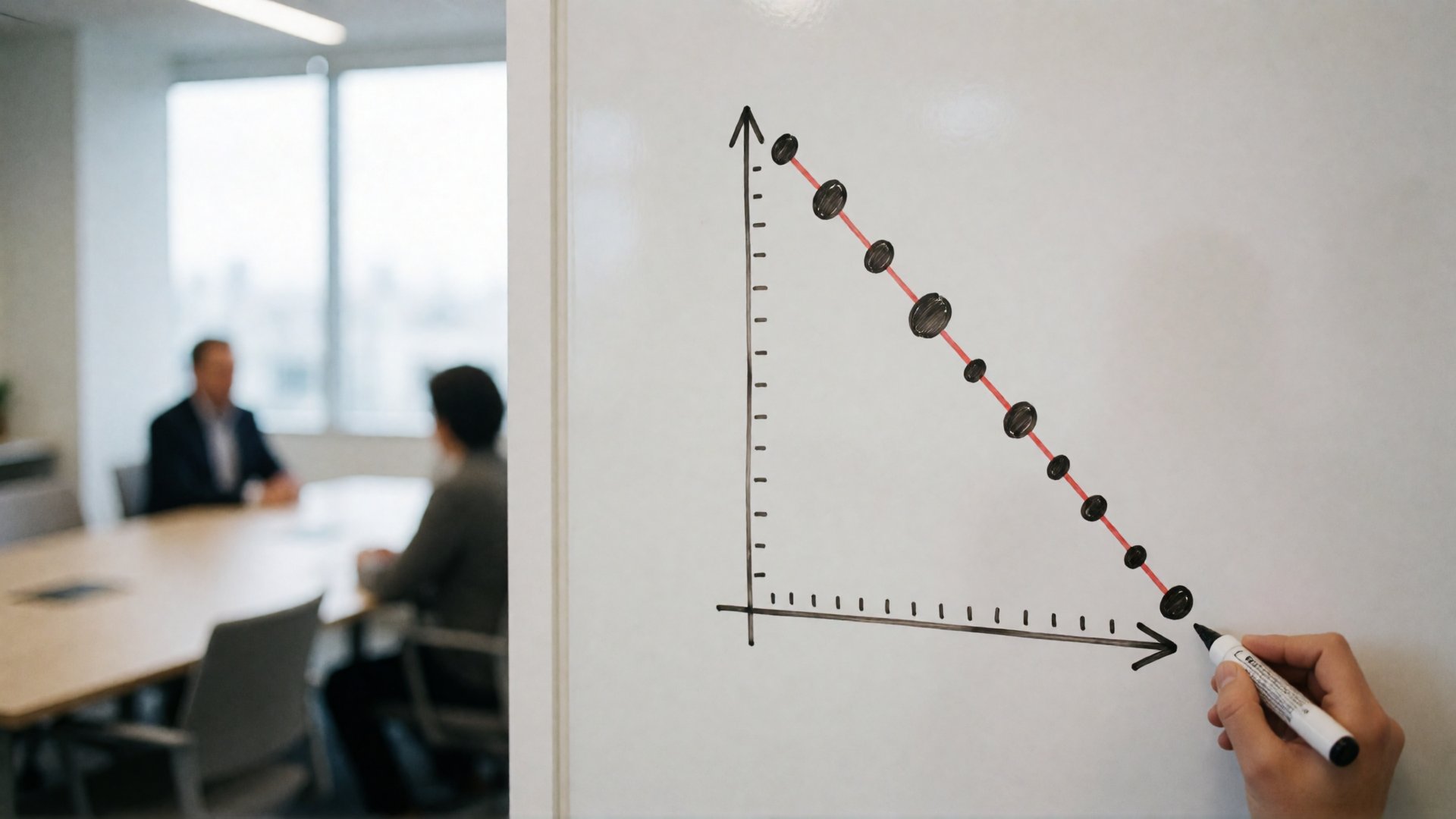
OpenAI shows that language models improve in a predictable way as they get bigger
OpenAI researchers have measured that the errors of language models fall in a neat pattern as the model, the amount of text and the computing work grow. This makes it possible to estimate in advance what a bigger model will deliver.