Nederlands
Supercomputer
A supercomputer is an enormously powerful system of thousands or tens of thousands of linked processors, built for heavy computation such as weather forecasts and simulations. Increasingly, AI runs on them too.
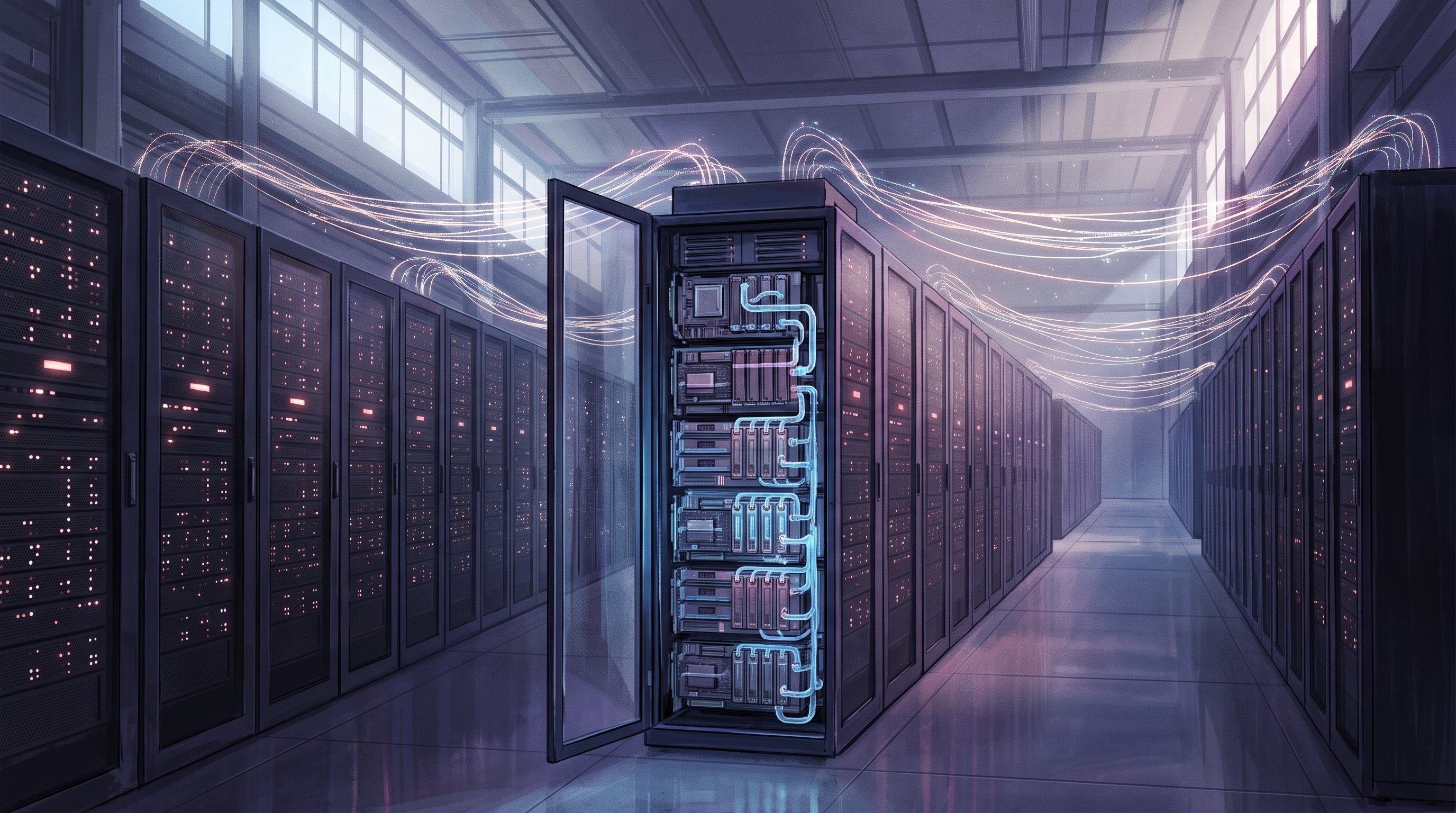
A supercomputer is not a single super-fast computer, but a large system of very many processors working together on one task. They are connected by lightning-fast cables and are fed data quickly enough. You can compare it to an orchestra: the individual musicians do not play much louder, but together they fill a whole concert hall.
How does it work?
The computation is divided into pieces, which are carried out at the same time. That works well for problems that can be split up, such as a weather forecast or the simulation of a material at the level of atoms. Classic supercomputers calculate very precisely. AI systems calculate less precisely, but enormously fast, and that is what is needed to train large language models.
Such a system has to do more than put lots of chips side by side. The components must talk to each other quickly, the storage must deliver the data in time, the heat has to be removed and everything must run stably for months.
Why it matters
Supercomputers and AI are growing towards each other. The Chinese company Sugon showed the Sugon 8000: a computing cluster that links 100,000 home-grown compute cards and combines classic computation with AI. According to Sugon it has already run ten research projects, from materials to weather and ocean research (link).
A supercomputer is also a testing ground for the computers of the future. Nvidia and the German research centre Jülich simulated, on the European supercomputer JUPITER, how a quantum computer with 104 qubits carries out an important building block, including the errors that real hardware makes (link). That lets researchers try out how quantum computers behave, and test designs, before such machines exist on a large scale.
Articles about Supercomputer
-
AI technique makes weather forecasts for two to six weeks ahead much better
Researchers from Microsoft, MIT, the European weather centre ECMWF and other institutions are teaching a computer to recognise and correct the recurring errors of weather models. The gain is largest around the equator; in Kenya the technique is already being tested.
-
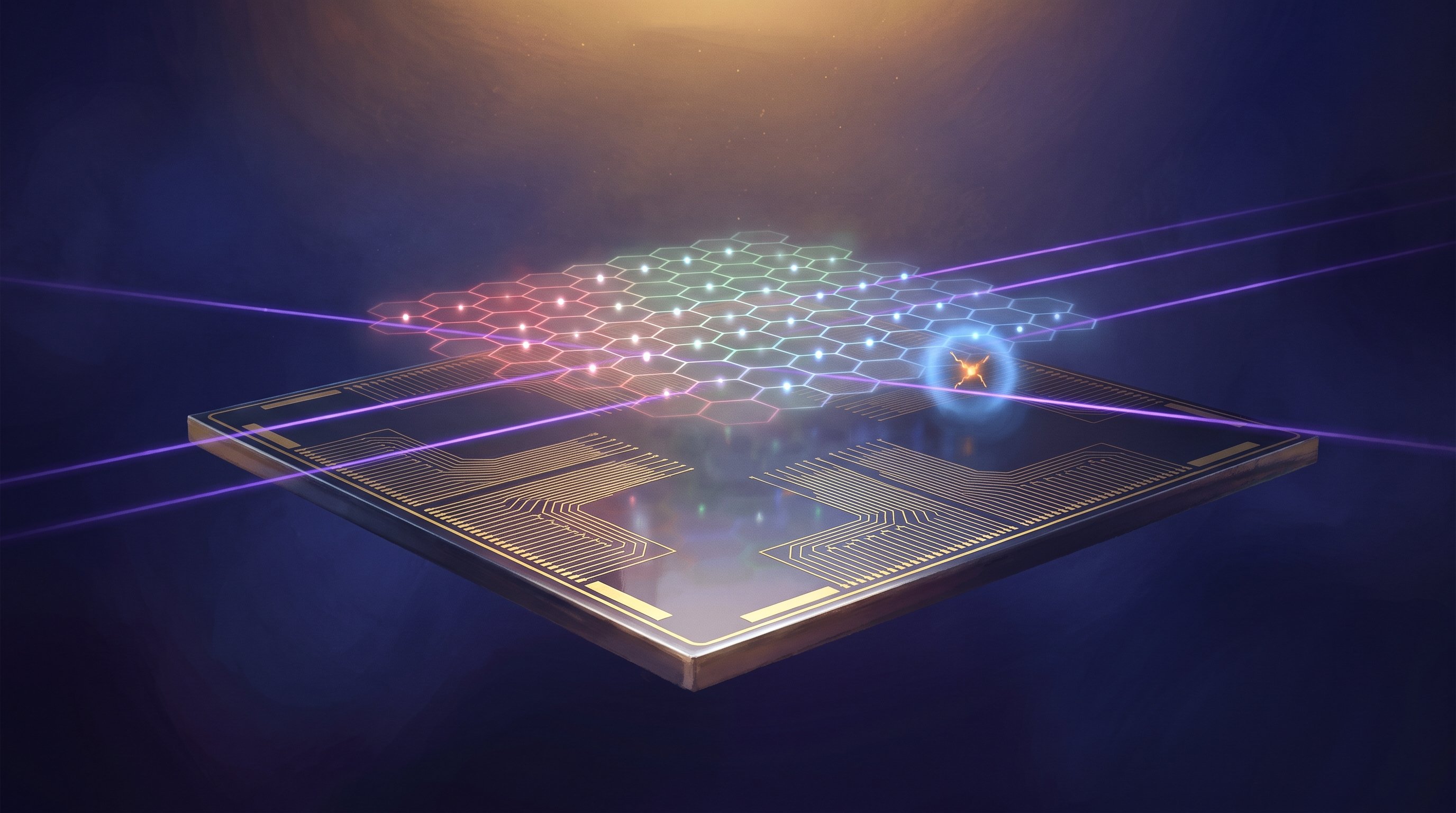
Quantum computer catches its own errors so well that only 5 in a million remain
Quantinuum's Helios quantum computer set a new record in error correction: on average, something went wrong five times in a million checking rounds. That is ten times better than the previous record. The next step is to show this for more complex calculations too.
-
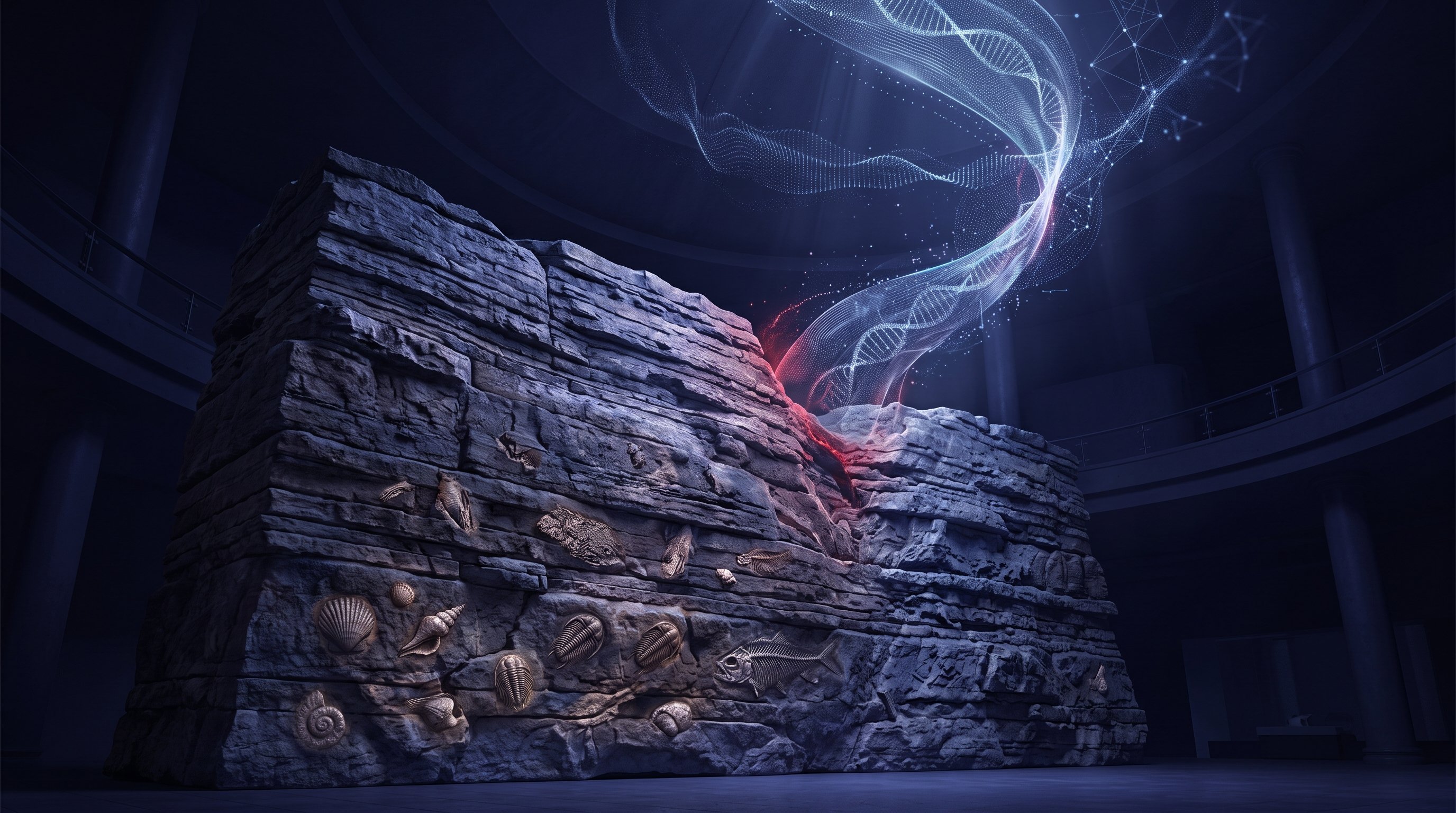
AI model trained on almost four million fossils sheds new light on the great mass extinctions
Chinese researchers trained an AI model on almost four million fossils. It maps the history of life in unprecedented detail and suggests that three of the five great mass extinctions happened more gradually than thought. Other palaeontologists are somewhat more cautious.
-
Nvidia simulates a 104-qubit quantum circuit on a European supercomputer, real errors included
Nvidia and the German research centre Jülich used the JUPITER supercomputer to simulate how a 104-qubit quantum computer makes an important building block, including the errors that real hardware makes. This lets designs be tested before they are built.
-
Chinese company Sugon shows computing cluster with 100,000 home-grown AI chips
China's Sugon is showing its Sugon 8000: a computing cluster that links 100,000 computing cards made in China. The system combines AI with classic supercomputing and, according to Sugon, has already run ten research projects.