Nederlands
AI system with robot arms finds the best way to clean coloured wastewater by itself
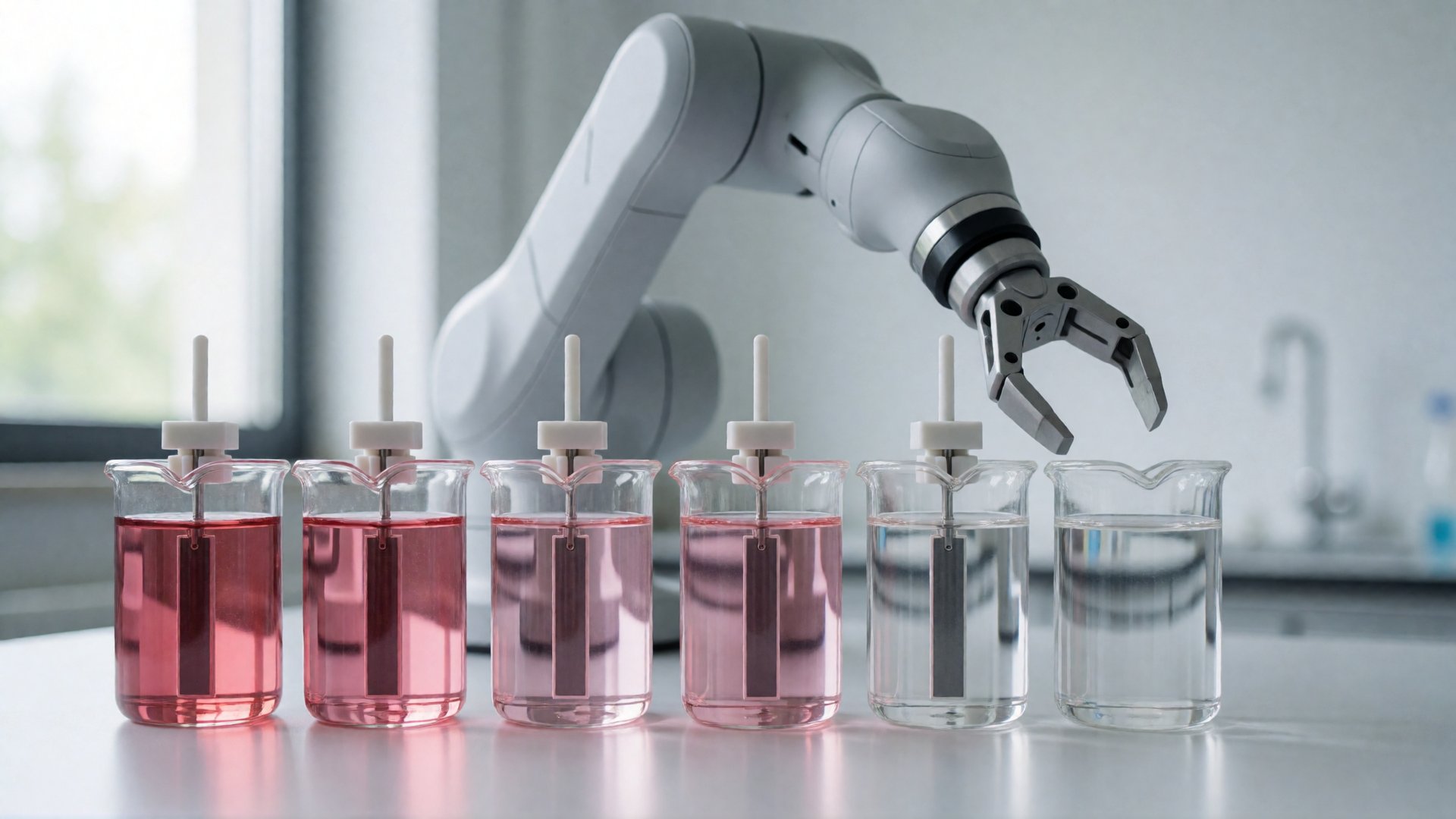
An AI system with a two-armed robot designed and carried out fifteen experiments by itself in about 45 hours to treat water containing a red dye. By the end, the water was almost colourless.
Cleaning polluted water means getting many settings right at the same time. Trying every combination by hand takes weeks of work. Researchers at University College London, the Hong Kong University of Science and Technology in Guangzhou and other institutions in China therefore built an AI system that both designs these experiments and carries them out. They call it the Embodied Science Agent, or ESA for short, and will present it at a scientific conference in Hong Kong at the end of November 2026.
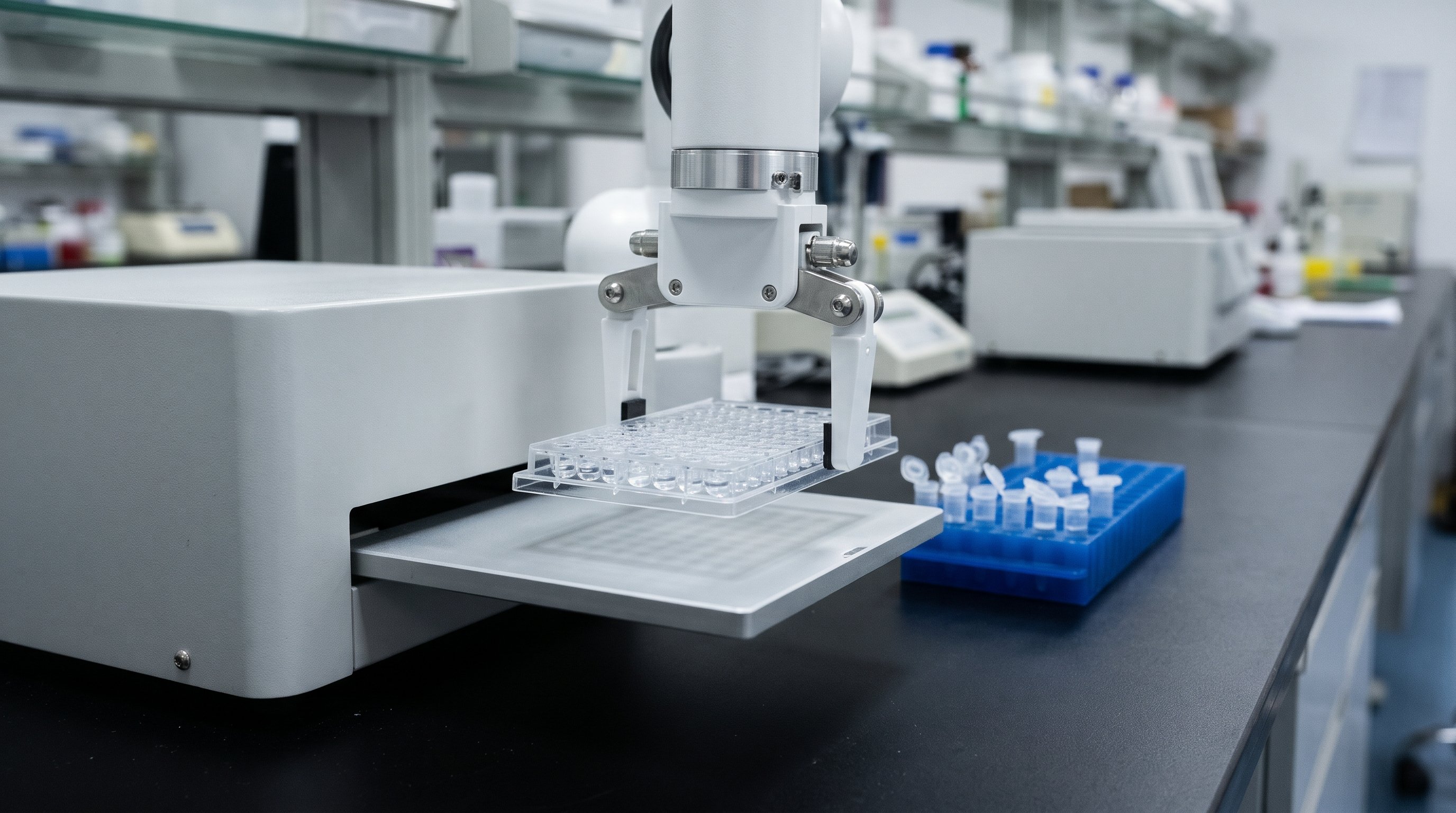
ESA consists of two parts that work together. An AI planner uses the earlier results to choose which experiment looks most promising next. A robot with two arms carries out that experiment: it picks up a rack of electrodes, places it by the stirring plate and lowers the electrode into the beaker. After each experiment, the result goes back to the planner, which uses it to choose the next one. The researchers do not say which AI model the planner uses; their paper appeared .
Electricity and iron against dye
The water contained the red dye safranin. To break it down, the researchers used an existing electrical method. An electric current produces hydrogen peroxide in the water, and with the help of iron this creates highly reactive particles that attack the dye.
Over fifteen rounds, ESA chose from more than 200 million possible combinations of settings. The first five rounds were exploratory; in the ten after that, the planner searched in a more targeted way. At the start, the treated water let through 82 per cent of the light; at the end, 99.7 per cent. According to the researchers, it then contained 98.5 per cent less dye. The system took about 45 hours. By their estimate, the same work by hand would take two researchers around thirty days.
What is not finished yet
It did not yet work entirely without people. The acidity meter was not connected to the computer, so its readings were entered by hand. Colourless water also does not yet mean that the dye has been fully broken down or that all pollution is gone. That has to be checked with other measurements.
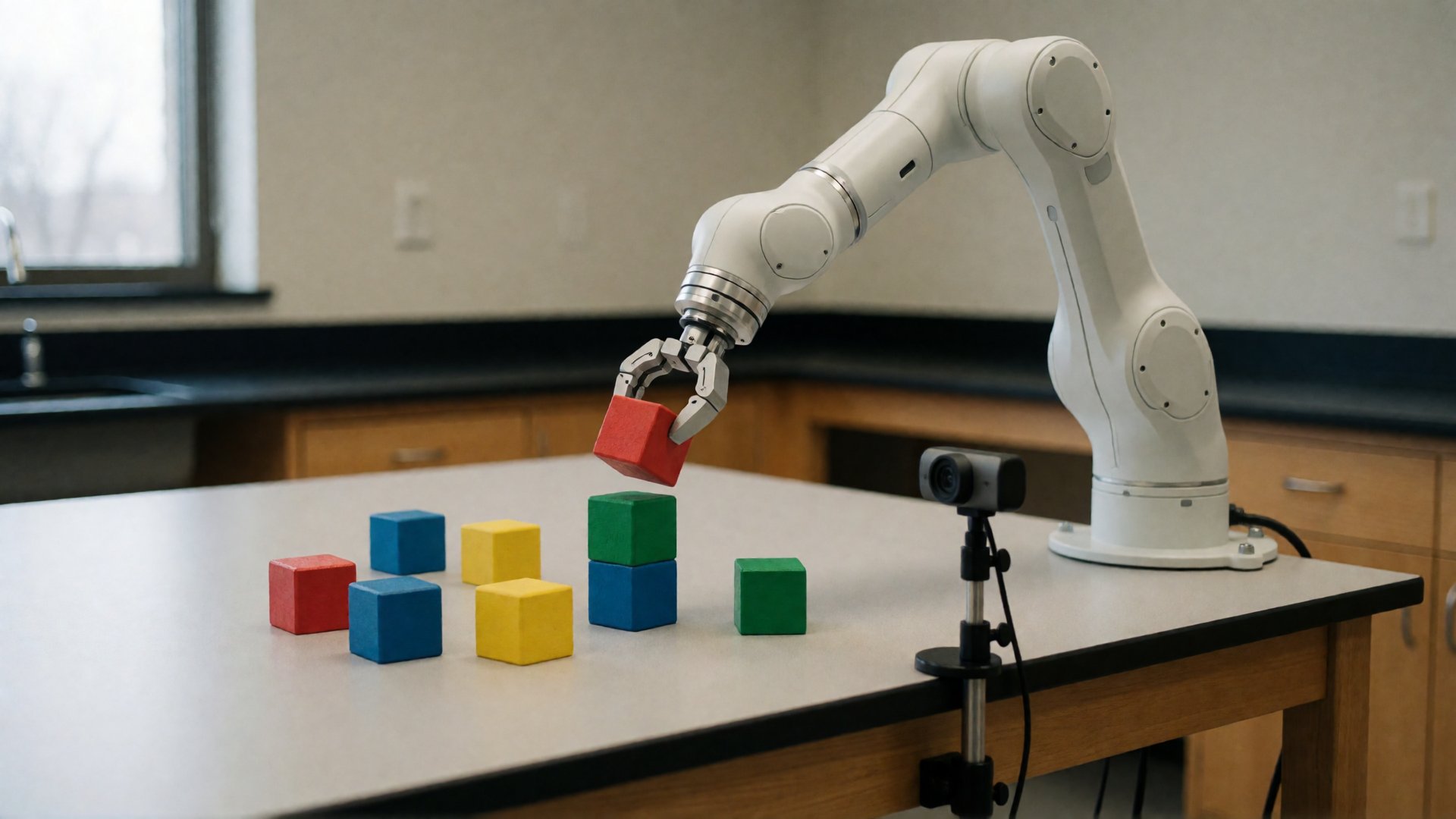
In a separate test, the robot showed that it could also pick up the rack of electrodes when it stood in a different place. It learned those movements from examples with camera images, instead of having every movement programmed in advance. A comparison with other search methods is on the researchers' list for follow-up work.
What does this mean for the road to the singularity?
Laboratories in which a computer chooses the experiments and a robot carries them out already exist. They are usually expensive, fixed set-ups in which every movement of the robot is defined in advance. What is new about ESA is that the robot learns its actions from camera images and therefore keeps working when something stands slightly elsewhere. If that approach catches on, an ordinary lab will not first have to be completely rebuilt to run experiments by itself overnight.
That changes what a small team can do. A search that takes a month by hand then takes two days, so researchers can try out many more ideas. Water treatment is largely about cost and electricity use. Whoever finds the most efficient settings faster can make clean water more cheaply, and that pushes others to work this way too. The system does, however, only find what it is told to measure. People continue to decide what clean water is, and that is where the real expertise lies.
What is the technological singularity? Read the explanation →