Nederlands
Anthropic tests Claude Duet, an AI assistant that comes to you with tasks itself
With Claude Duet, the AI assistant does not wait until you ask: it sends a summary in the morning, keeps an eye on your apps and keeps working when your laptop is off. You approve important steps yourself first. The test version has been available to paying users in the US since 21 October.
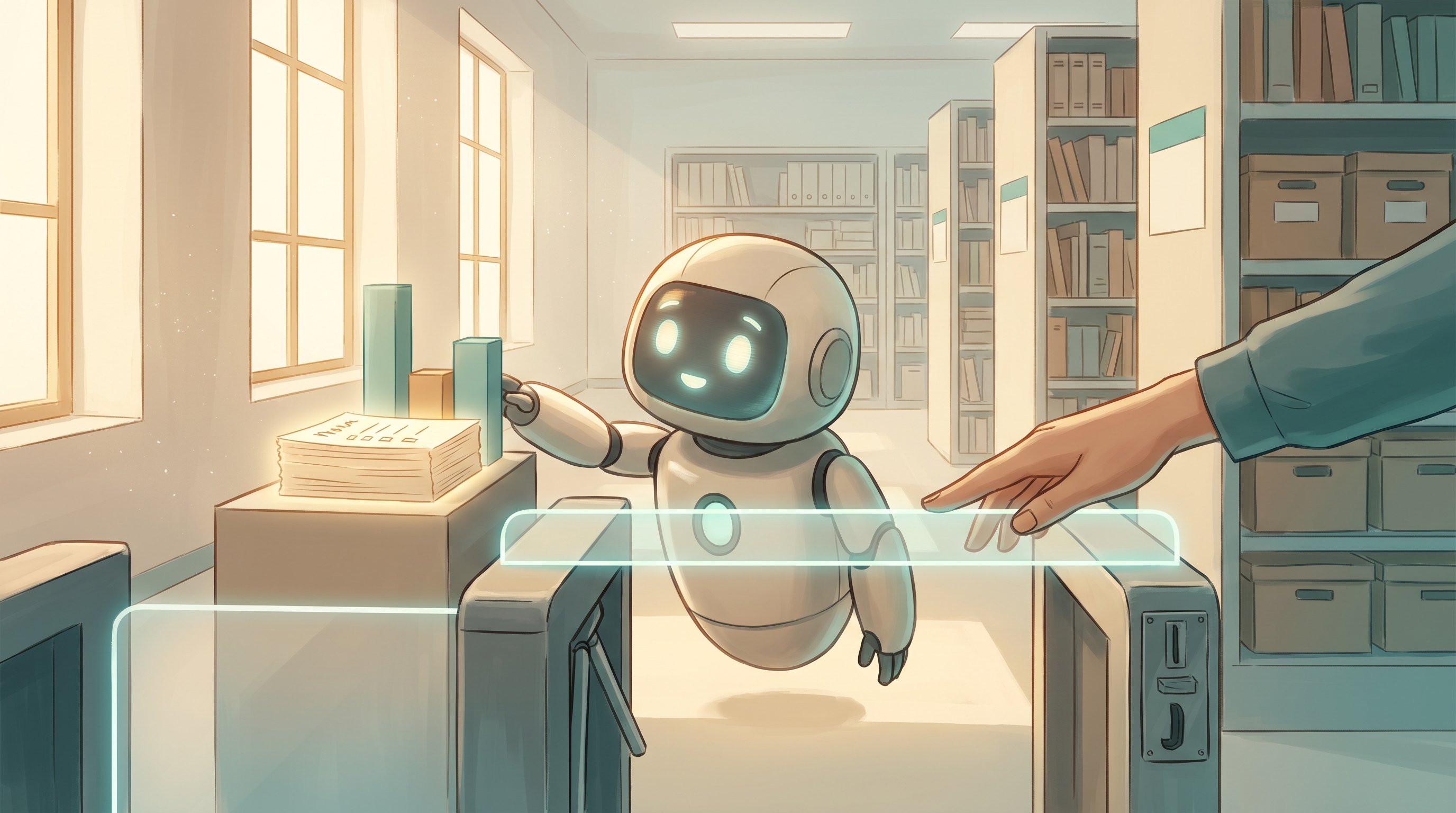
Anthropic, the company behind the AI assistant Claude, released a test version of a new app on 21 October 2026: Claude Duet. Normally you ask Claude a question yourself. Duet turns that around: the app comes to you with what needs your attention. It also carries out tasks, even while you are away, and asks for permission before it does anything on your behalf.
The app is meant for professionals and small business owners who have more on their plate than they can keep up with. For now, the test version is available through a waiting list, for people in the United States with a paid Pro or Max subscription. Duet works as a separate app on iPhone and Android and through claude.ai. It falls under the same subscription and the same usage limits as the rest of Claude.
From answering questions to thinking along
Duet runs on Claude Opus 5.5, Anthropic's newest large model. According to the company, the strength of the app lies in its judgement: estimating what you need, what can wait and when it should check with you first.
Every morning, Duet sends a short summary of the most important matters from your connected apps, such as email, calendar and chat. During the day it checks in every few hours and only sends a message when something needs attention. Checking more often would use up the subscription much faster, according to Anthropic. You can also set what you want to hear about and how often.
You can also give Duet tasks, in a message or with your voice. That ranges from scheduling a meeting to bigger jobs, such as building an overview page with company figures, making a sales forecast or putting together a simple web app. For this, Duet works on its own computer in a data centre, with its own web browser. So your laptop or phone does not need to be switched on. When a task is finished or your judgement is needed, you get a notification. Duet takes over what Claude already knows about you, your skills and your connected apps from your existing Claude account.
Anthropic gives examples from testers. An estate agent got an alert that a viewing was on the wrong day in her calendar. For a brand strategist, Duet prepared a conversation with a client and suggested moving it, because it was scheduled just before her flight.
Working with a company's apps
Duet can use more than 6,000 connections with other services. Anthropic mentions, among other things: finding missed messages in Gmail and Slack and helping to answer them, tracking down unpaid invoices in QuickBooks or Stripe, preparing the payroll in Gusto, posting a job vacancy on LinkedIn and preparing contracts for signing through Docusign.
Duet can also make purchases for your business through Link, the digital wallet of payment company Stripe. Duet first checks with you what is being bought, and Link asks you to approve the payment. Duet then pays with a virtual payment card, so your real card number is not shared. In online shops, Duet can also pay with Shopify's Shop Pay.
You keep the important decisions
An assistant that reads your email and sends messages is constantly deciding where information goes. Anthropic has therefore built in several layers of security. Duet never sees your passwords and login details itself. A separate control system checks with every action whether you actually asked for it. Duet is also protected against hidden instructions in web pages or emails, which people with bad intentions use to try to take over an AI assistant. Teams from Anthropic and an outside security company have tried to break into the app. Anyone who still finds a weak spot can report it and receive a reward.
In addition, a new filter checks every message. Duet does not share the most sensitive data, such as credit card numbers and identity documents. Other private matters, such as information about your health or your finances, only go out if you explicitly ask for it yourself.
Duet reads, prepares and writes drafts on its own. But before it sends a message, makes a payment, signs a document or deletes something, it shows exactly what it plans to do and waits for your approval. Some things Duet will not do even with permission, such as trading shares or transferring money between accounts. You can also disconnect every connected app again.
A first version in a busy market
Anthropic explicitly calls Duet an early version. The app can still misread a conversation or misjudge what is urgent. Duet is mainly built for work; personal jobs such as booking tickets do not go as well yet. Watching along in Duet's browser is not possible yet, and for now the app is separate from the regular Claude app. Anthropic is using feedback from testers to improve this further. Soon, with your permission, Duet should also be able to log in to websites with passwords you have saved in the password manager 1Password.
Duet is not the only one. According to the tech site TechCrunch, new AI assistants that do work on their own appear almost every week. Duet competes with, among others, Muse from Meta and Dots from OpenAI, which came out at the end of September. These are also partly aimed at business users.
Anthropic is starting in the United States. It is not yet known when Europe will get it.
What does this mean for the road to the singularity?
Until now, AI assistants usually waited until you asked them something. Duet does it the other way round: the assistant itself pays attention to what is happening and comes up with suggestions. That is a step from AI as a tool to AI as a colleague who keeps working while you do something else.
The hardest part is not the technology, but the judgement: when do you disturb someone and when not? People learn that over years of work experience. An assistant that oversees all the apps of a small business at once, from accounts to calendar and customer contact, can see connections that get lost on a busy day, such as a client meeting that clashes with a flight. Because the important steps stay with the human, trust can grow step by step. The test period will show how well Duet already finds that balance. The better that works, the more work AI assistants will be able to take on by themselves in the coming years.
What is the technological singularity? Read the explanation →