Nederlands
DeepSeek shares code of an AI coding assistant that picks up work on its own
On 31 October, the Chinese AI company DeepSeek released the code of a trial version of an AI assistant that takes on and carries out programming work on its own. Anyone may use the code; it is research code, not yet a finished product.
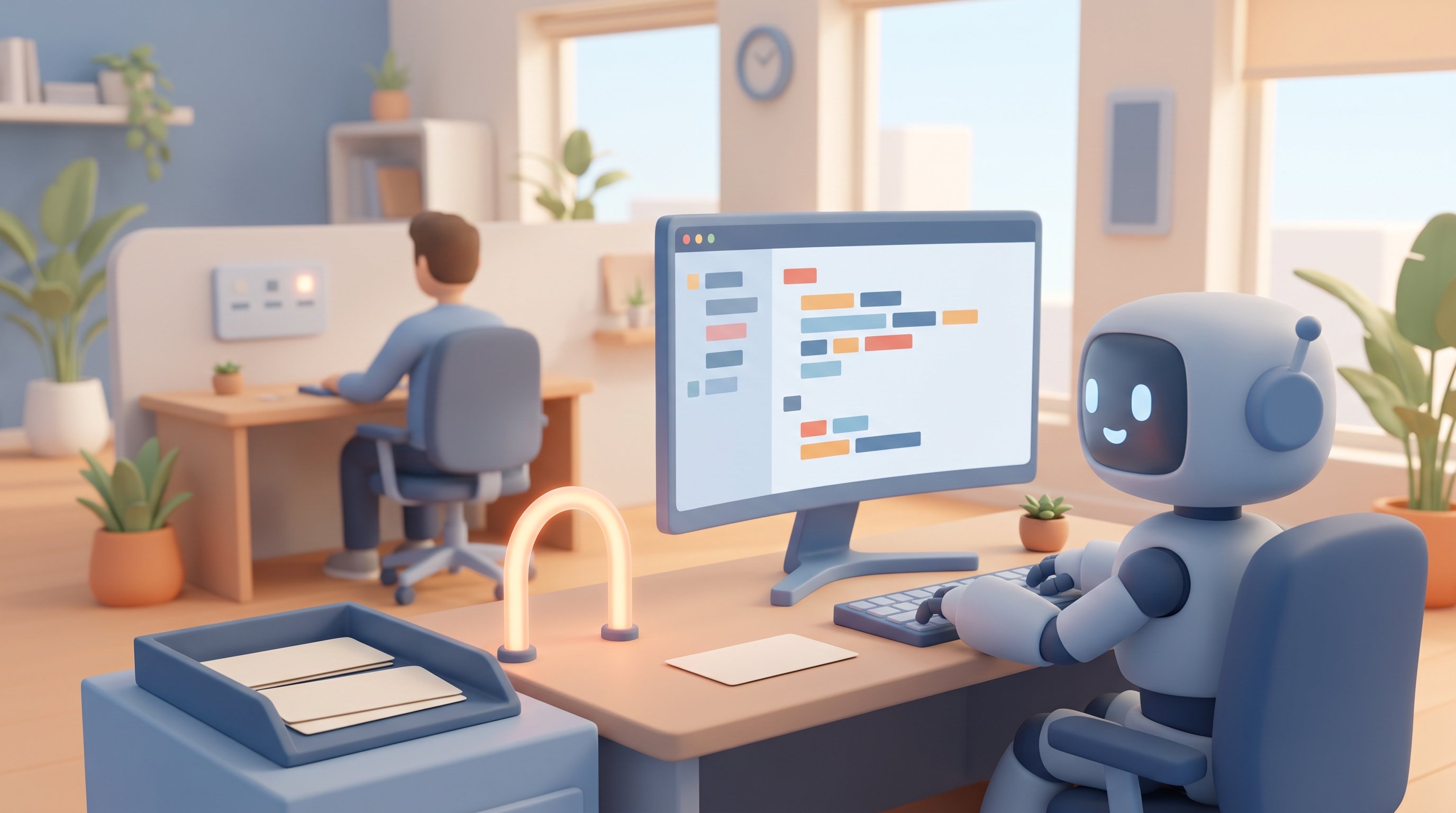
On 31 October, the Chinese AI company DeepSeek published the code of an AI assistant for programmers that picks up work on its own. The project is called dsh-superagent-prototype and is on GitHub, the website where developers share their code. DeepSeek is releasing it under the MIT licence: anyone may use, change and share the code for free.
The assistant was built by the team behind DeepSeek Harness, a program released earlier that lets AI models carry out tasks on a computer on their own. The new assistant works for one software project on GitHub and can also read messages from the chat app Feishu.
How the assistant works
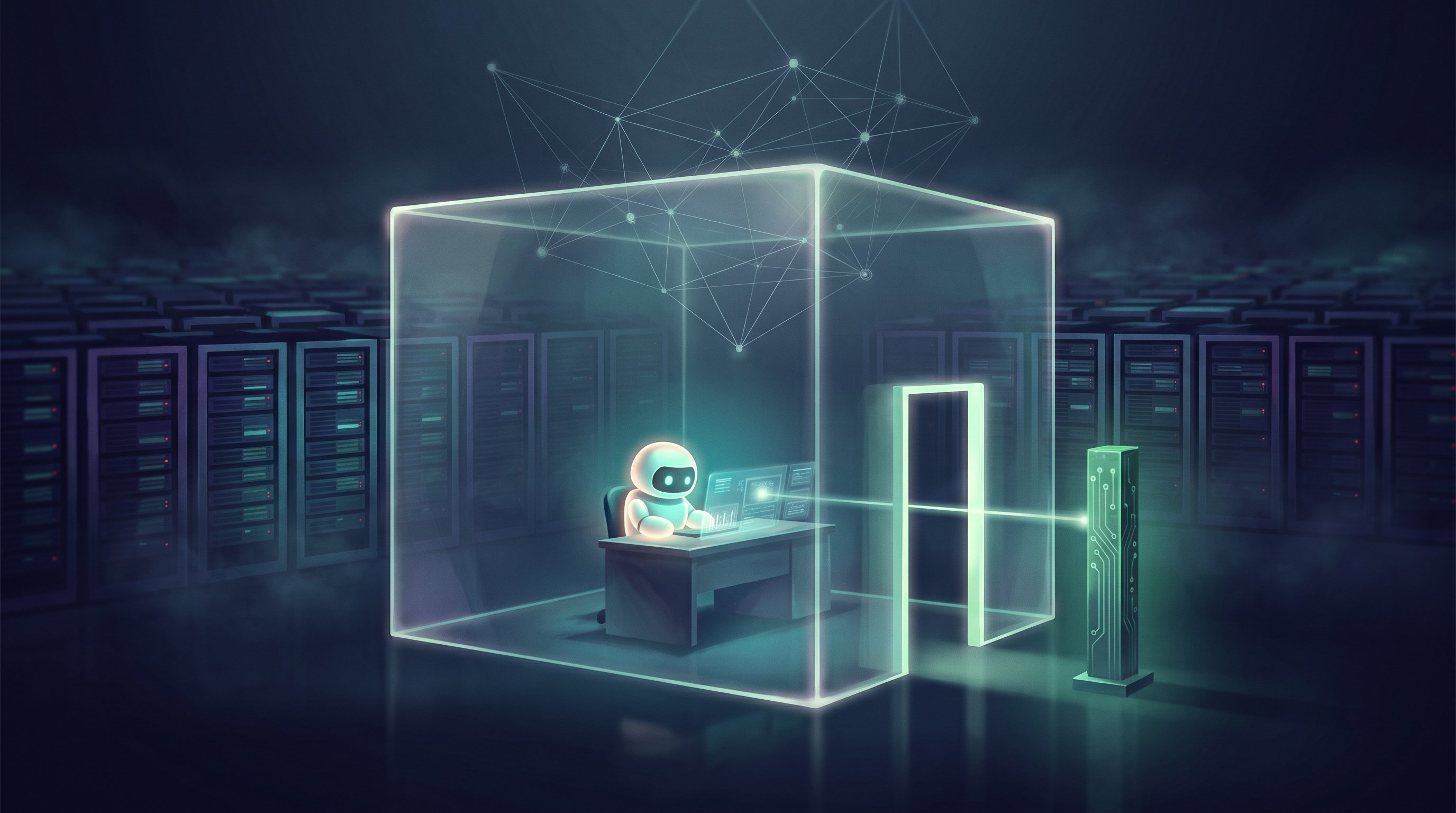
When someone who has permission asks the assistant to do something, it creates a task of its own. It carries out that task in a separate working environment. It then replies in the conversation where the request came from, often with a proposal for a change to the code that a human can check and adopt. On a web page, the team can see which tasks are waiting for a human.
According to DeepSeek, the idea is that the assistant should take as little human attention as possible and deliver as much as possible. It speaks up only when someone has to do something or when there is a useful result.
Decide first, then act
In the design, the question of whether the assistant does something is separate from the question of how it does it. For every incoming message, the system checks who sent it and which rules the team has set. If the assistant accepts the work, it records why and within which limits it may work. Messages, comments and documents are only information for that decision: they cannot give the assistant extra rights. So nobody can trick the assistant into doing something that is not allowed by wording a message cleverly.
A task that gets stuck continues as soon as someone gives new feedback. By default, the assistant does not carry out work that nobody asked for. It only notes whether it would consider it worthwhile. DeepSeek advises teams to look at these judgements first and only then let the assistant start work itself.
Research code, not a product
DeepSeek stresses that this is a research prototype and not an official product. The code grew out of the team's own work, and a large part of it was written by AI coding assistants. The public version differs from the version DeepSeek uses itself, and some of the ideas in the team's accompanying paper have not been built in yet. The code may also still contain errors.
Anyone who installs the assistant should also know that it carries out commands on the computer with the same rights as the user who runs it, without asking permission first. According to the documentation, the protected folders are a default setting and not a real security boundary.
The news agency Bloomberg saw the release as a way to compete with Anthropic. That company earns a lot from its own coding assistant, Claude Code: by its own account, more than 2.5 billion dollars a year (about 2.2 billion euros).
What does this mean for the road to the singularity?
AI assistants are becoming more and more independent. This assistant does not just answer a question: it keeps track of tasks, records what it is allowed to do, and decides for itself when it needs a human. This lets AI work on a job for longer and with less guidance. Because DeepSeek has made the code public, other teams and researchers can also keep building on this approach. The next step is to show that such an assistant also works safely and reliably in practice.
What is the technological singularity? Read the explanation →