Nederlands
Man with ALS phones his wife using Neuralink brain implant
Neuralink says a man with ALS can hold an ordinary phone call with his brain implant. Engineers built the features at his home in 72 hours, together with him and his wife. The company does not yet give figures on how well it works.
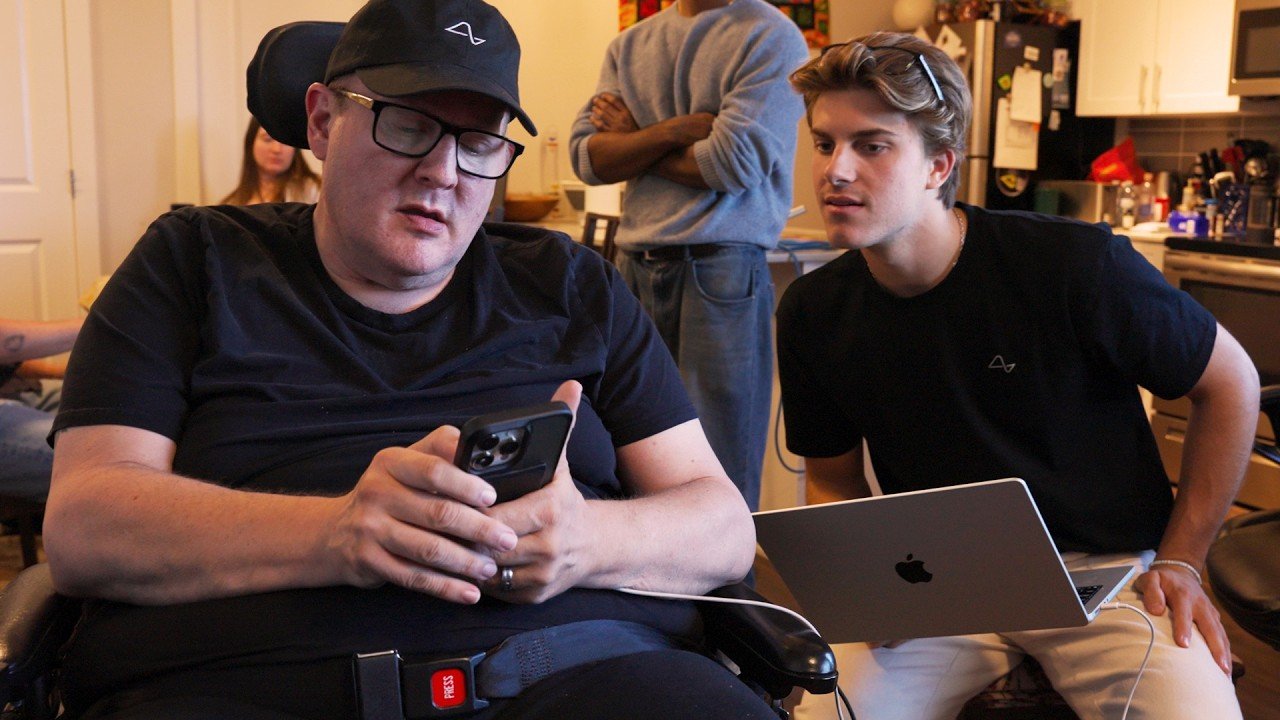
Kenneth Shock has ALS, a nerve disease that makes muscles weaker and weaker, including the muscles needed to speak. He takes part in VOICE, a clinical study by Neuralink of a brain implant meant to give speech back. According to the company, he can now hold an ordinary phone call on his iPhone with that implant. Neuralink, the company of Elon Musk, announced this on 29 October.
What stands out is how it came about. According to Neuralink, engineers moved in with Shock and his wife Cheryl for 72 hours and worked at their dining table. In three days they tried out more than thirty versions of the software and kept adjusting it based on what Shock and Cheryl thought of it. The company estimates that this saved two to three weeks of normal development time. What Shock himself liked best was being able to joke with his wife on the phone again.
How the implant works
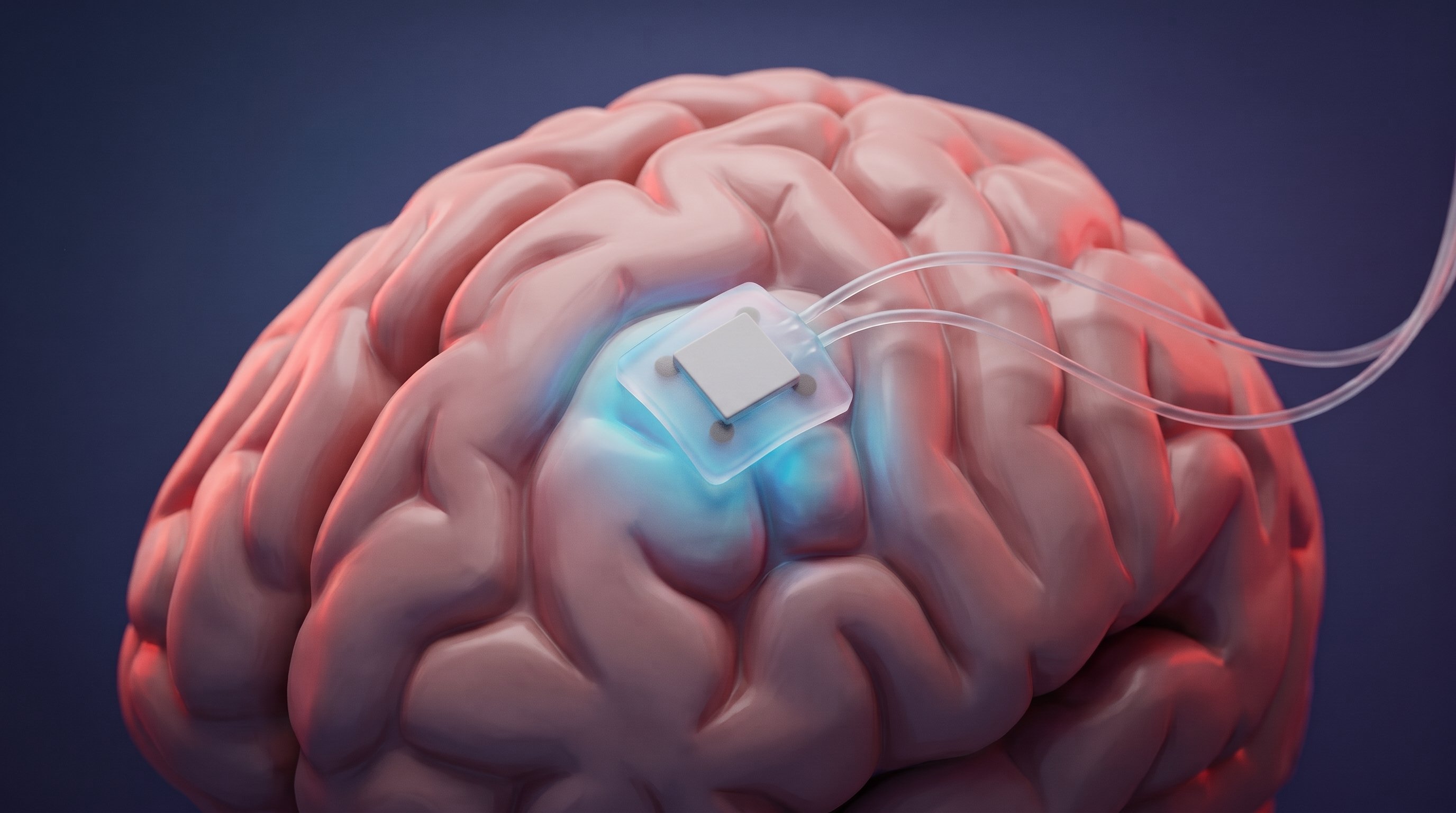
The implant, called the N1, sits in the part of the brain that controls the muscles used for speaking. When Shock tries to speak, it picks up those brain signals. Software turns them into text and an artificial voice. The implant is still being studied and has not been approved by the US regulator FDA or by any other regulator.
What was built in 72 hours
According to Neuralink, the team built the following, among other things:
- Starting and stopping by itself. At first a button had to be pressed before the system started listening. Now it recognises from the brain signals alone when Shock wants to say something.
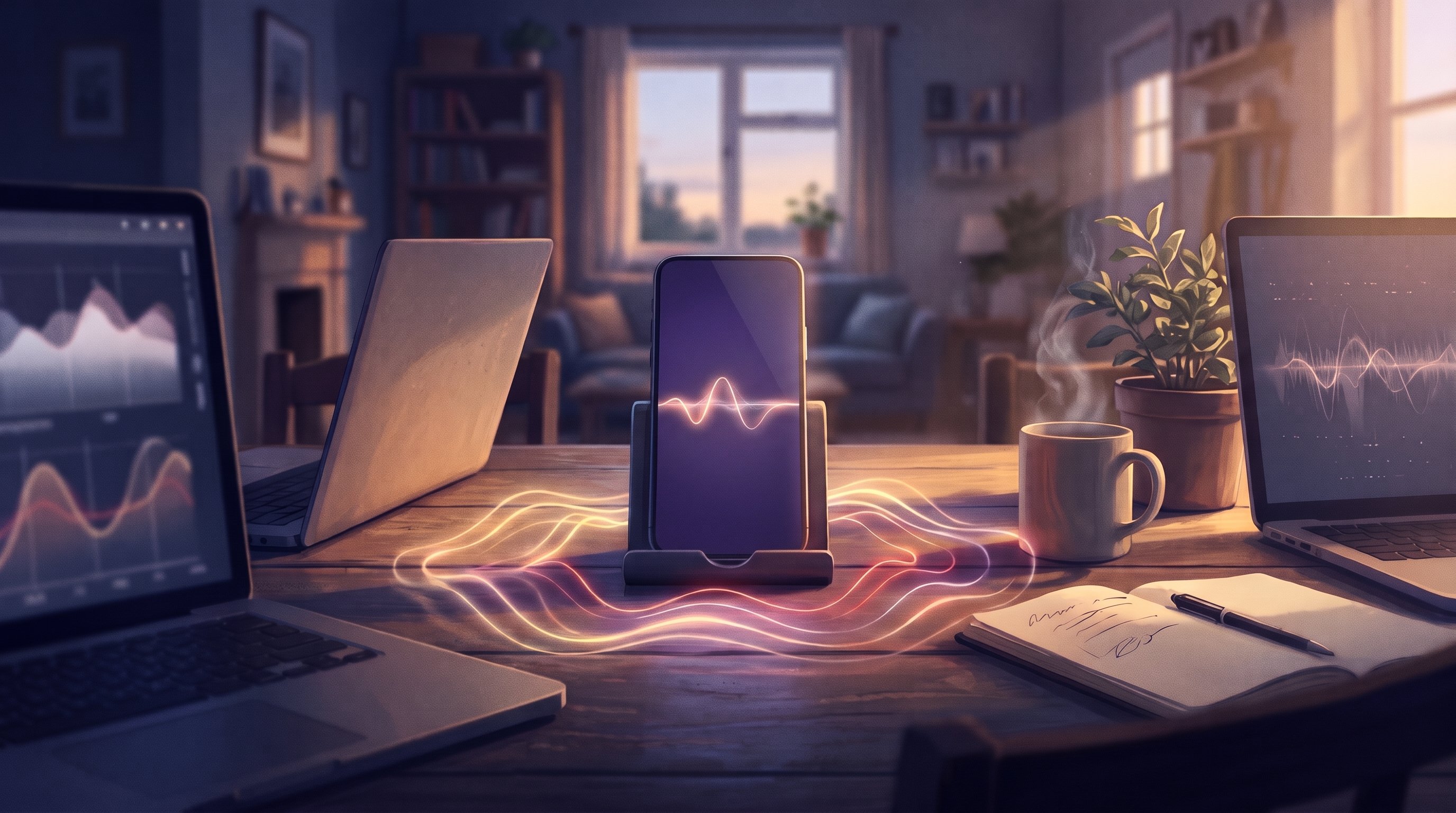
- Phone calls. The artificial voice is no longer played through a speaker but goes straight into the phone call. This way the caller hears a clear voice without echo. If Shock wants, the caller first hears a short message that they are talking to an assistive device.
- Typing with thoughts. With its own keyboard for the iPhone, Shock can dictate text in any app. He can also correct mistakes faster and speak from the lock screen without unlocking the phone first.
- Controlling an AI assistant. By saying "Hey Neuralink" in his mind, followed by a command, Shock has Grok, the AI from xAI, carry out a task on the computer.
- Making brain signals visible. On the screen, Shock and the engineers see how strong his brain signals are. This shows them which words give the clearest signals, and the software can learn better from that.
According to Neuralink, some of these features were improved further in the weeks after the 72 hours.
Playing loads YouTube, which may set cookies. More information
What still has to come
The report comes from Neuralink itself. The company does not yet give figures on how often the system recognises the intended words correctly or how fast it works. The next step is for the VOICE study to show how well the implant works in more people and over a longer time. After that, regulators have to judge whether it is safe enough for wide use.
What does this mean for the road to the singularity?
Brain implants that give back speech have so far worked mainly in the lab or with special equipment. Here it runs as part of everyday life: at home, on an ordinary iPhone, in an ordinary phone call. On top of that, the user controls with his thoughts not only a voice but also an AI assistant that carries out tasks by itself. That is an early step towards a future in which humans and computers work together directly. For people who have lost their voice in particular, that can make a big difference: being able to simply call the people you love again.
What is the technological singularity? Read the explanation →