Nederlands
Switzerland confirms five cyberattacks using AI agents
The Swiss cybersecurity office BACS has confirmed the country's first attacks carried out with AI agents: five cases, three of them at critical infrastructure. There were no major outages. According to the office, fast updates and well-protected log-ins help against such attacks.
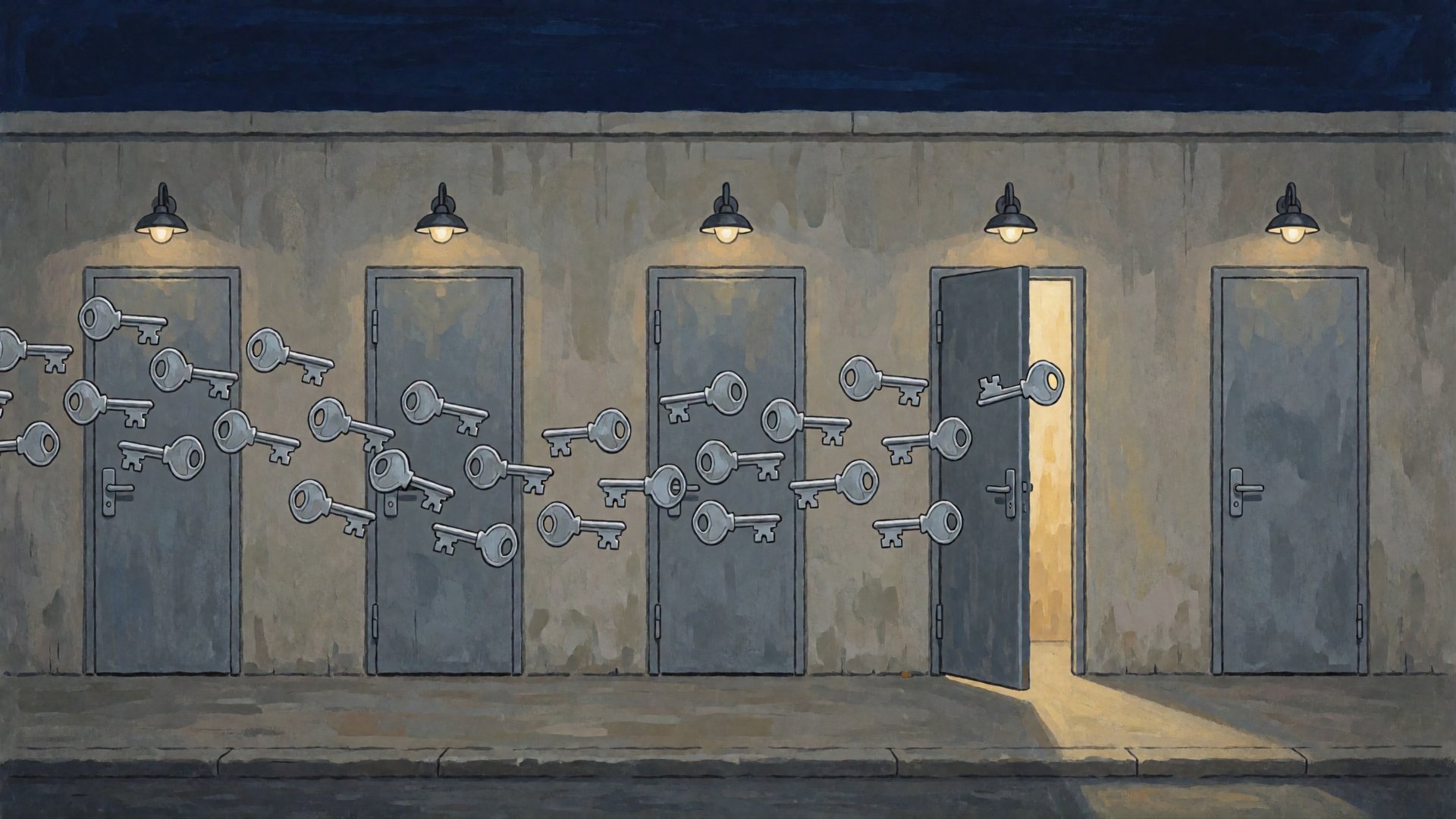
The Swiss Federal Office for Cybersecurity (Bundesamt für Cybersicherheit, BACS), the national office that helps Swiss organisations protect themselves against hackers, reported the country's first confirmed attacks with AI agents . These are AI programs that carry out a whole series of steps on their own. Two days later, director Florian Schütz told the Swiss public broadcaster SRF that there were five cases. All of them were reported in the preceding days.
Three of the five attacks hit companies in critical infrastructure: the services a country runs on, such as electricity, drinking water, and telephone and internet. At least two such sectors were affected. Smaller companies that came forward voluntarily were also attacked. According to Schütz, the attackers actually got into the systems in four of the five cases. There were no major outages. BACS does not name the companies: that is for the affected companies themselves to decide. It is not yet clear who is behind the attacks.
How such an attack works
In an ordinary attack, a hacker looks for a weak spot, chooses a tool and tries it out. An AI agent does those steps by itself, one after another. It looks for systems that can be reached over the internet. It tests whether they still use a factory password or a password that is easy to guess, and tries known flaws in software. If an attempt fails, it chooses another approach.
The method itself is not new. What is new is that a program can do it without help. BACS names ARTEX and CyberStrikeAI as examples of such programs that are freely available on the internet. The office does not say whether they were used in the Swiss attacks. According to BACS, the number of such programs on the internet has almost doubled since October 2026. Earlier in November 2026, Google described how attackers elsewhere used the same kind of programs to find and exploit weak spots. Now a European government agency is confirming such attacks in its own country as well.
The same software can also serve a good purpose. In a penetration test, an organisation has its own systems attacked with its permission. That way it finds the weak spots before a real attacker does.
What organisations can do
Schütz stresses that an AI agent cannot perform miracles either: where there is no weak spot, it does not get in. BACS therefore advises installing important security updates for systems that can be reached over the internet as quickly as possible, and within 24 hours at the latest. This is advice, not a legal obligation.
The office also recommends connecting as few systems to the internet as possible. Logging in to, for example, webmail or the connection that home workers use to reach the company network should always require a second check, such as a code on a phone. A passkey also works: a log-in key stored on the user's own device that replaces the password. It also helps to give staff only the access they need, to watch for unusual behaviour in the network and to have a penetration test done regularly. BACS also shares technical features of the attacks with the operators of critical infrastructure, so that they can recognise an attack sooner.
What does this mean for the road to the singularity?
Security experts already knew that AI agents can attack on their own. This news shows that it is now also happening in Europe, at the services everyone relies on. Hacking itself does not change: the attackers still use weak passwords and old flaws. But each attempt now takes almost no human work. An attacker can therefore try many more systems at the same time, and a forgotten gap is found much faster than before.
As a result, being fast becomes more important than being big. An organisation that closes a gap within a day already makes things much harder for these programs, even if it is a small company. That pushes defenders towards the same tools: an AI agent that tests its own systems every night the way an attacker would. Work that used to need an expensive specialist becomes affordable for everyone. BACS also shows what cooperation delivers: every affected company that comes forward provides features that help the others spot an attack sooner. If that trend continues, defence can become just as automatic as attack, and gaps in software can be closed faster than attackers find them. Organisations that do not keep up do face more risk than before. The BACS advice is a first step in that shift: updates within a day and log-ins without weak passwords.
What is the technological singularity? Read the explanation →