Nederlands
SpaceX leases 40 billion dollars' worth of AI chips
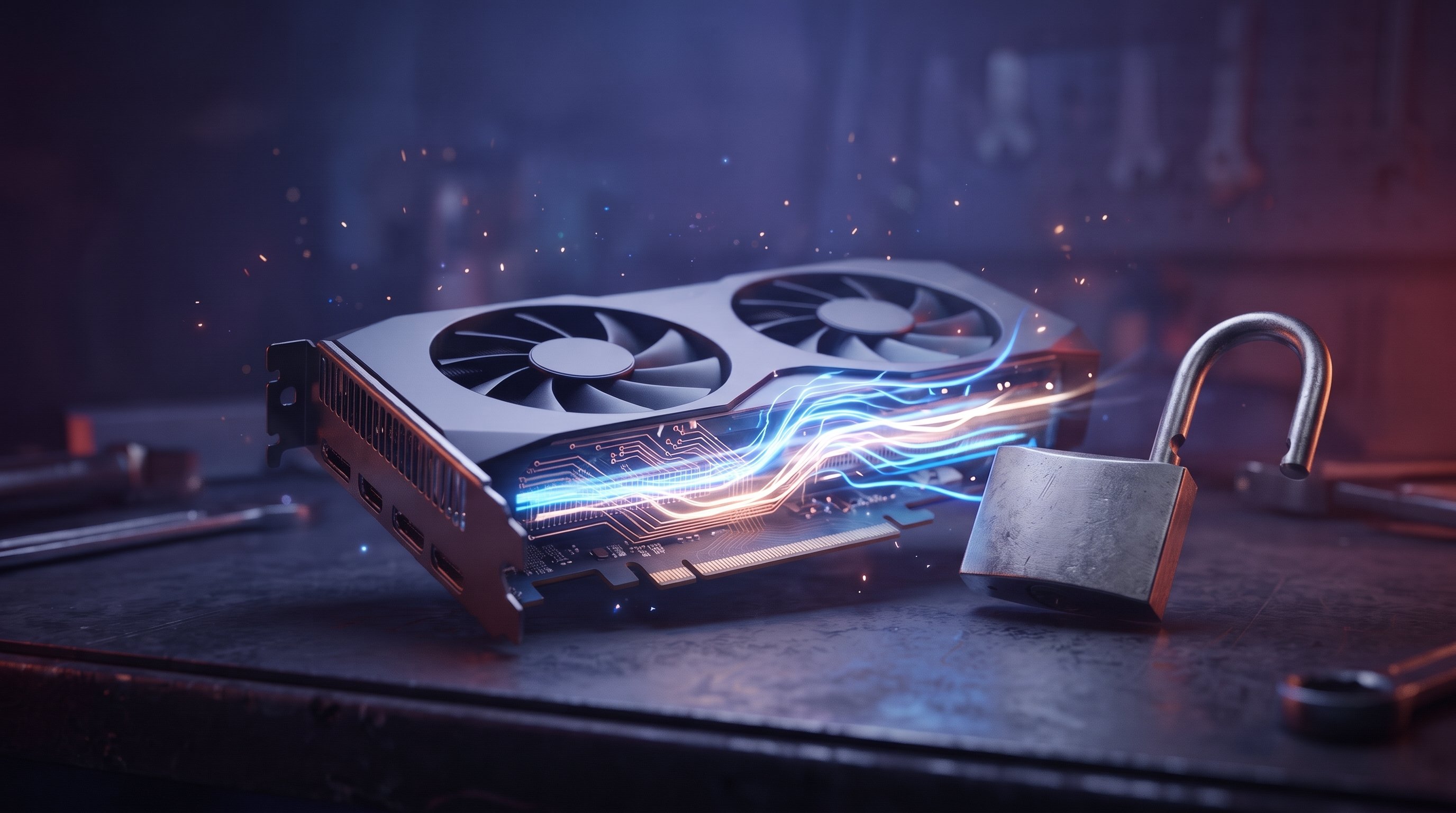
SpaceX has signed a binding commitment to lease about 40 billion dollars' worth of AI chips and data centre equipment, including Nvidia's new Vera Rubin chips. The first equipment is due in the first half of 2027.
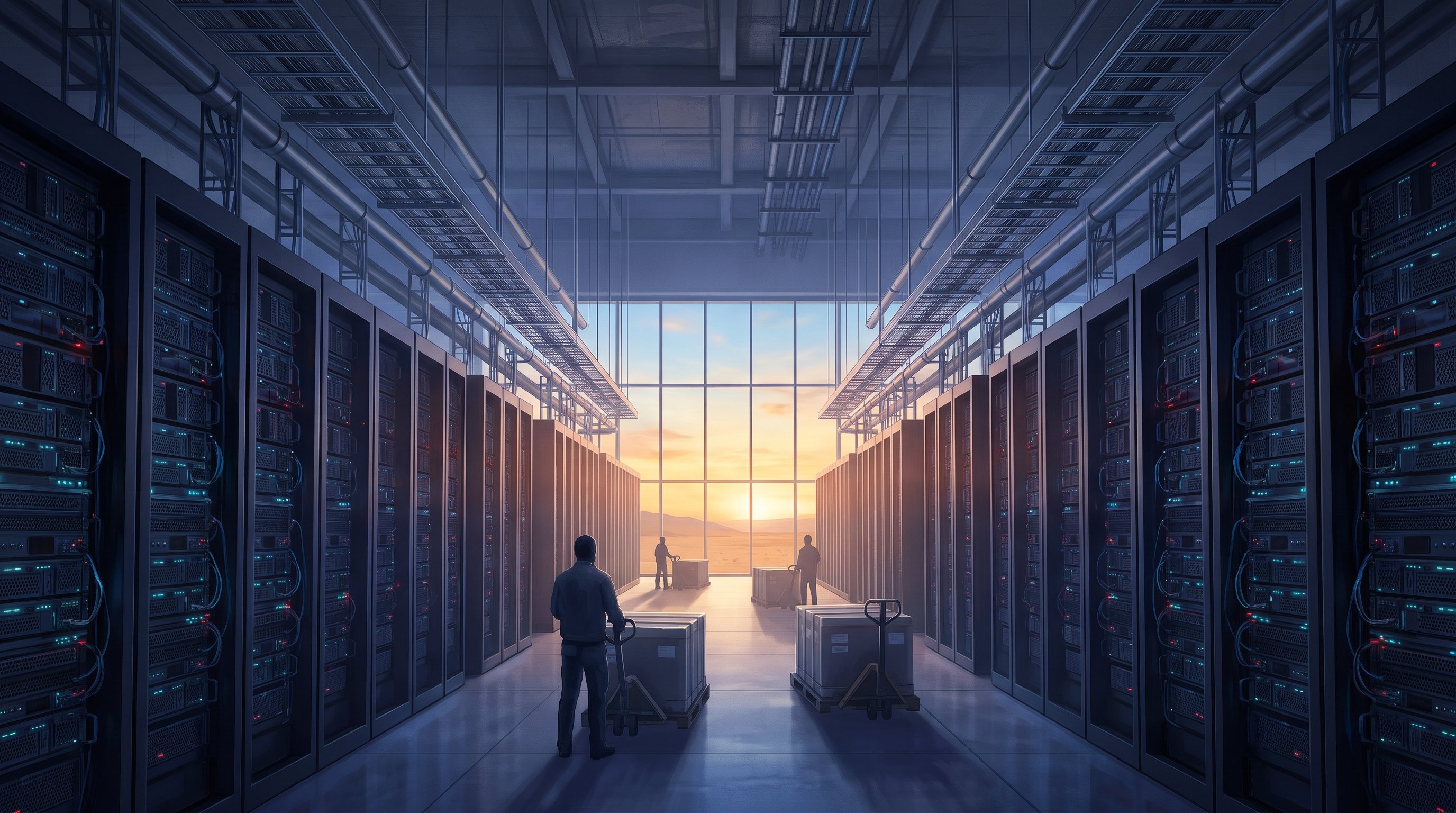
On 24 October 2026, SpaceX signed a binding commitment for a huge lease of AI hardware. It covers about 40 billion dollars (around 35 billion euros) of graphics chips and related equipment for data centres. This is stated in an official filing the company made two days later with the US stock market regulator, the SEC. SpaceX itself calls it the largest committed financing of graphics chips ever.
Graphics chips, also called GPUs, are the computer chips on which AI models are trained and run. According to the investor Apollo, the money will help deliver Nvidia's next generation of chips, the Vera Rubin platform.
Leasing instead of buying
SpaceX is not buying the chips itself. A company managed by the investor Apollo Global Management buys the equipment and leases it to SpaceX. SpaceX decides which data centres the chips go to.
The equipment is delivered in parts. Each part gets its own lease of about five years. SpaceX pays every quarter in advance: one twentieth of the cost of that part, plus interest and a number of fixed costs. The 40 billion dollars covers only the equipment itself; interest and costs come on top.
The final agreement must be completed before the end of 2026. The first deliveries are planned for the first half of 2027. SpaceX itself notes that the agreement may still change or be delayed.
Why SpaceX wants so much computing power
Since taking over the AI company xAI in February 2026, SpaceX has had a large AI division. Among other things, it makes the AI model Grok, rents out computing power to other companies and includes the social platform X and the programming tool Cursor.
This AI division is growing fast. According to R&D World, it brought in 7.56 billion dollars in revenue in the third quarter, compared with 813 million dollars a year earlier. According to TechCrunch, this means AI earned more than Starlink and rocket launches combined. In that quarter the division spent 16.44 billion dollars on investments, most of the nearly 20 billion dollars spent by the company as a whole. At the end of September, SpaceX had enough chips installed for 1.7 gigawatts of power, almost three times as much as a year earlier. For the fourth quarter, the company expects to invest 35 to 40 billion dollars.
Chief financial officer Bret Johnsen says SpaceX earns back its investments in AI data centres within a year. Credit rating agency Fitch reported on 28 October that the lease does not change SpaceX's good credit rating.
One large customer
There is also a caveat. One customer, which SpaceX does not name (though it is now known to be Anthropic), accounted for more than a third of total revenue in the third quarter: about 5 billion dollars. Anthropic, the maker of the AI model Claude, wrote on 26 October in its own filing for a stock market listing that it will buy up to 120.5 billion dollars of computing power from SpaceX's AI division until 2029. Once all capacity has been delivered at the end of 2026, Anthropic will pay about 3.1 billion dollars a month. Other well-known customers are smaller or only started after the third quarter, such as Google.
The contracts with Anthropic cannot be cancelled until early 2027. After that, either side can end them with 90 days' notice. Such a large customer is therefore also a risk for SpaceX.
Elon Musk predicts that of the more than 200 companies that rent out computing power on AI chips, only a few will remain. According to him, most will be taken over or disappear.
What does this mean for the road to the singularity?
How smart AI models become depends to a large extent on how much computing power is available to train and run them. This lease alone accounts for tens of billions in new chips, on top of what SpaceX already invests every quarter. According to Fitch, the company could have an average of 5 gigawatts of computing power installed in 2027 and 9.5 gigawatts in 2028, more than five times as much as now.
SpaceX is also thinking about data centres in orbit around the Earth, with up to a million satellites. That technology still has to be tested. This lease is about data centres on Earth, and they will arrive from 2027. In this way, the foundation for ever better AI will keep growing fast in the coming years.
What is the technological singularity? Read the explanation →