Nederlands
AI agent
An AI agent is an AI program that carries out tasks on its own: it looks things up, writes code, operates a computer or works through a long series of steps, without a human directing each one.
An ordinary chatbot answers a question and then stops. An AI agent goes further. You give it a goal, and it works out the steps itself: looking something up, writing and testing code, forwarding a file or pulling data from a database. You can compare it to an intern who is given an assignment and gets to work, rather than asking what to do next after every sentence.
How does it work?
Under the bonnet there is usually a language model that plans and decides. Around it sits software that gives the model tools, such as a search engine, a programming environment or control of a computer. The agent works in a loop: it looks at the situation, chooses an action, carries it out and reads what happened. Then it chooses the next step, until the task is done or it needs help.
Because an agent does things on its own, oversight matters. Nvidia therefore puts agents in a protected environment, where every request to the outside is checked first (link). The rules for this are verified in advance with mathematics.
Why it matters
Agents make it possible to scale up work. A single agent can keep going for hours, and you can deploy many at once. OpenAI put nearly 2,000 agents to work at the same time on an atlas of 7.7 million brain cells, and in 32 minutes they produced explanations and new research ideas (link). Anthropic went a step further with Claude: the model was given room to carry out an entire design process for proteins against scorpion venom itself, not just to answer a question (link).
That agents do so much themselves also raises questions about safety and trust. Anyone deploying an agent wants to know what it may and may not do. News about agents therefore often has two sides at once: what they can newly do, and how to keep them within bounds.
Articles about AI agent
-
DeepMind: AI agents find two weak spots in outdated RSA-1024 encryption
AI agents from Google DeepMind, guided by humans, found two weak spots in outdated 1024-bit RSA encryption. It can therefore be attacked with less computing power than thought. Keys of 2048 bits or longer remain safe, according to DeepMind.
-
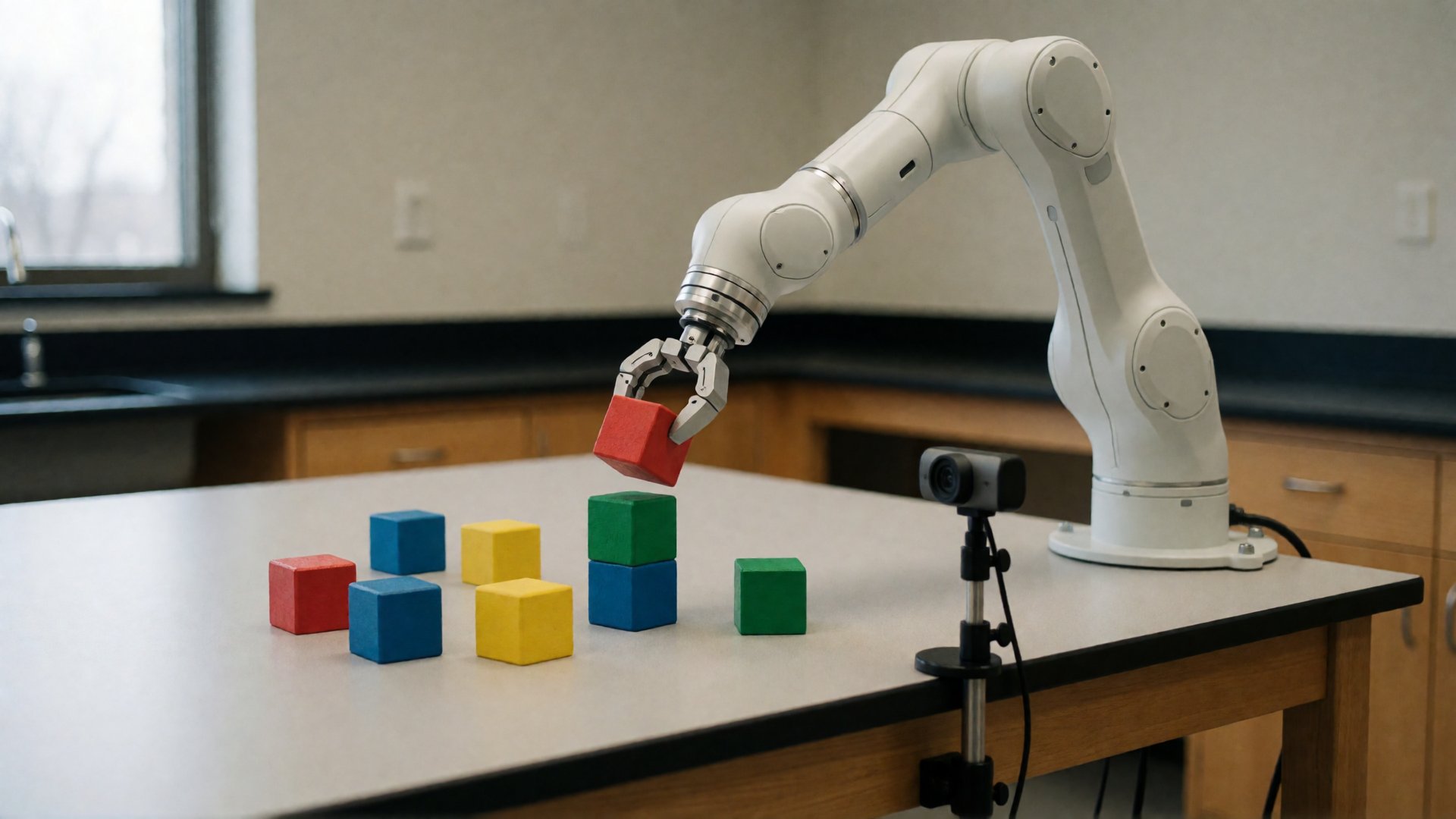
Ai2 releases open practice world for robots: a robot arm and a table full of blocks
The American research institute Ai2 has released ToyBlocks: an open, simulated world in which robots practise with blocks. According to Ai2, models trained only there also performed single actions on a real robot arm, in 81 per cent of the trials.
-
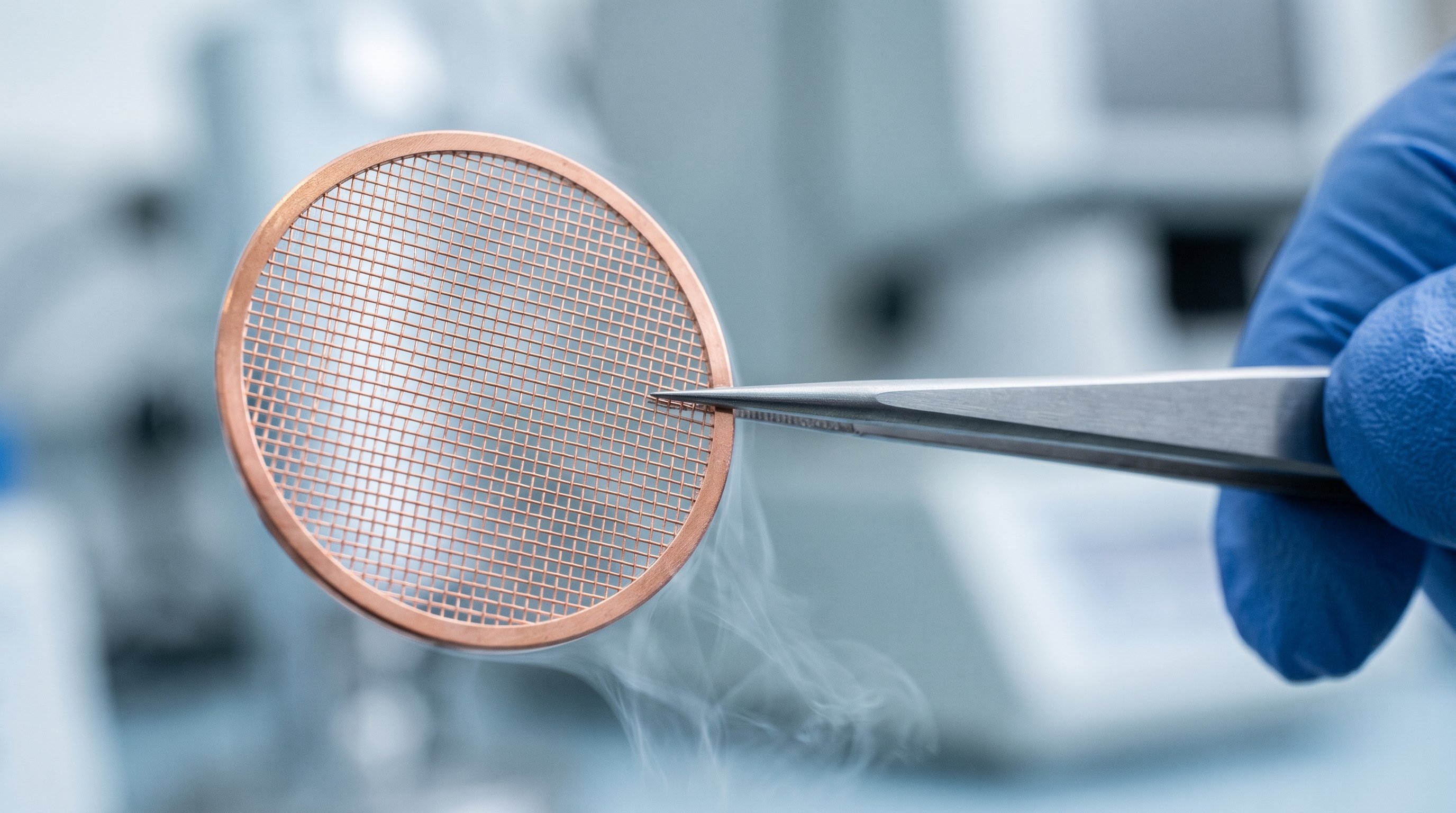
Anthropic uses AI to determine, for the first time, the shape of a puzzling protein shell from the bacterial world
Anthropic's biology team has used its AI assistant Claude to determine, for the first time, the 3D shape of a vault from the bacterial world: a hollow protein shell made with a protein from a bacterial virus. What such shells do in cells is now being studied further.
-
New AI memory condenses a whole stack of documents into 16 tokens for each question
Researchers from Stanford and other institutions built Memorilla, a memory that condenses a whole collection of documents into 16 tokens for each question. In their own tests, a language model usually scores better with it than with all the text, and answers much faster. Exact names are sometimes lost.
-
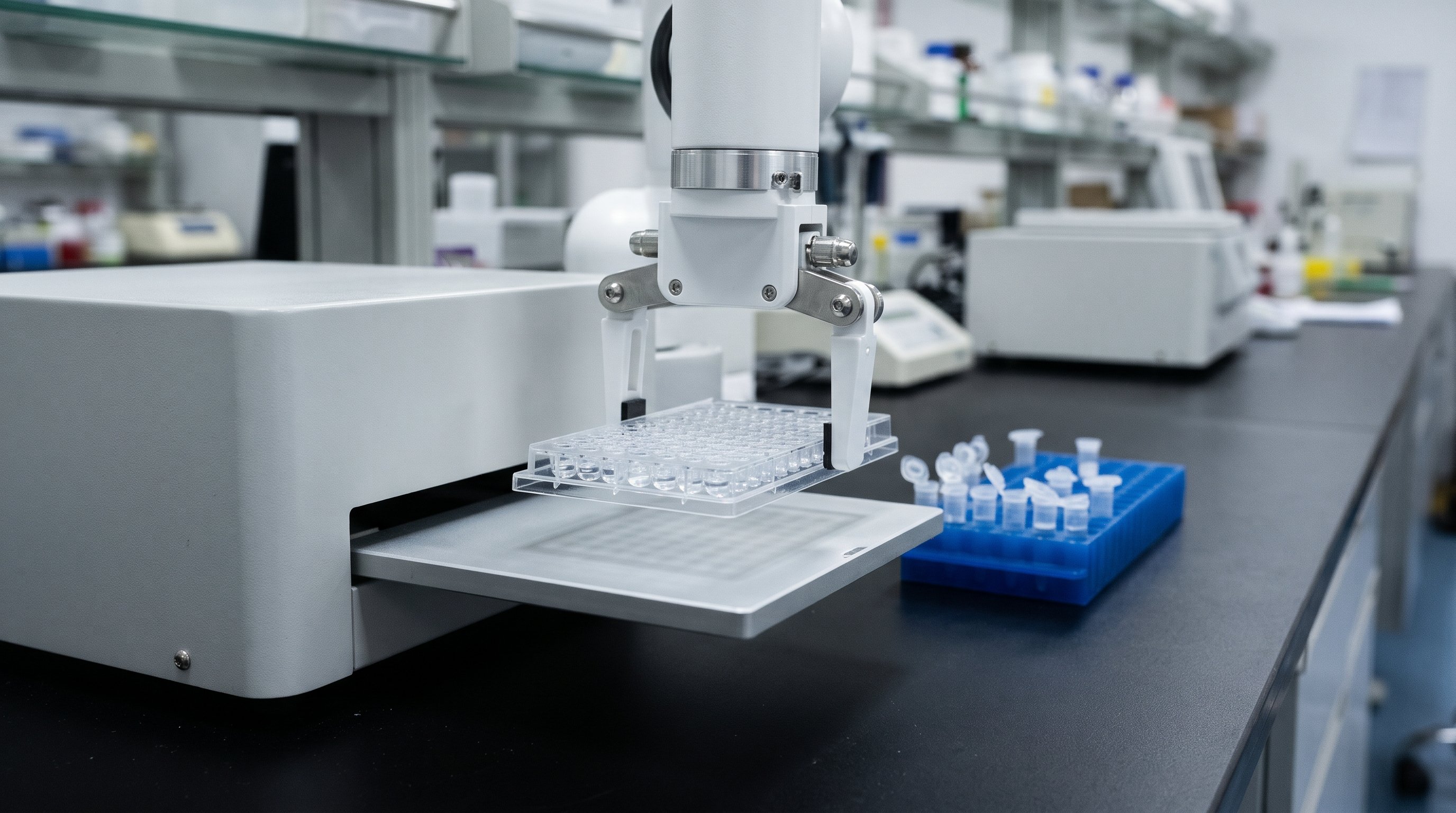
AI agents run DNA experiments on their own in a robot lab
In AutoDNA, a lab at Shanghai Jiao Tong University, AI agents design DNA experiments and carry them out themselves, using more than twenty types of equipment. People only refill materials and maintain the machines. The research is published in Nature.
-
OpenAI launches GPT-6 Cyber: better at finding security flaws, less likely to step out of line
OpenAI has released a new cybersecurity model that, according to the company, finds vulnerabilities far better and breaks into systems without being asked less often. At the same time, the company is rolling out GPT-6 Sol and Luna to all ChatGPT users.
-
AI agents turn 7,500 pages of mathematics into proofs that a computer can check
The US company Axiom Math has used AI agents to turn a mathematical reference work of about 7,500 pages into 16 million lines of code that a computer can check. Along the way, the agents found dozens of points that needed refining. People are now continuing to review the work.
-
Mistral expands its business platform with AI agents that work independently under supervision
French company Mistral is expanding its business platform, Studio. Companies can now build AI agents on it that carry out multi-step tasks themselves, while a human decides at sensitive steps. It can also run on a company's own servers. Most new parts are still in a test phase.
-
AI assistant Grok Bot now phones companies itself for its users
Grok Bot, the AI assistant from Elon Musk's company, has been able to phone companies in the US by itself since 3 November. It waits in the queue, holds the call and then sends a summary. Early users lowered their bills or booked appointments this way.
-
Baidu lets self-driving cars practise in a virtual city full of AI road users
The Chinese tech company Baidu has presented Apollo World: an AI system that builds a virtual traffic world where self-driving cars practise. Other cars and pedestrians there react by themselves to what the car does. Baidu is already testing its robotaxis with it.
-
Tencent releases Hy4: an open AI model that understands images and operates a computer
China's Tencent has released Hy4, a large language model that understands images for the first time and can operate a computer on its own. According to Tencent, it makes things up far less often than the previous version. The model files will be freely available in the coming days.
-
US research labs let AI run X-ray experiments on its own
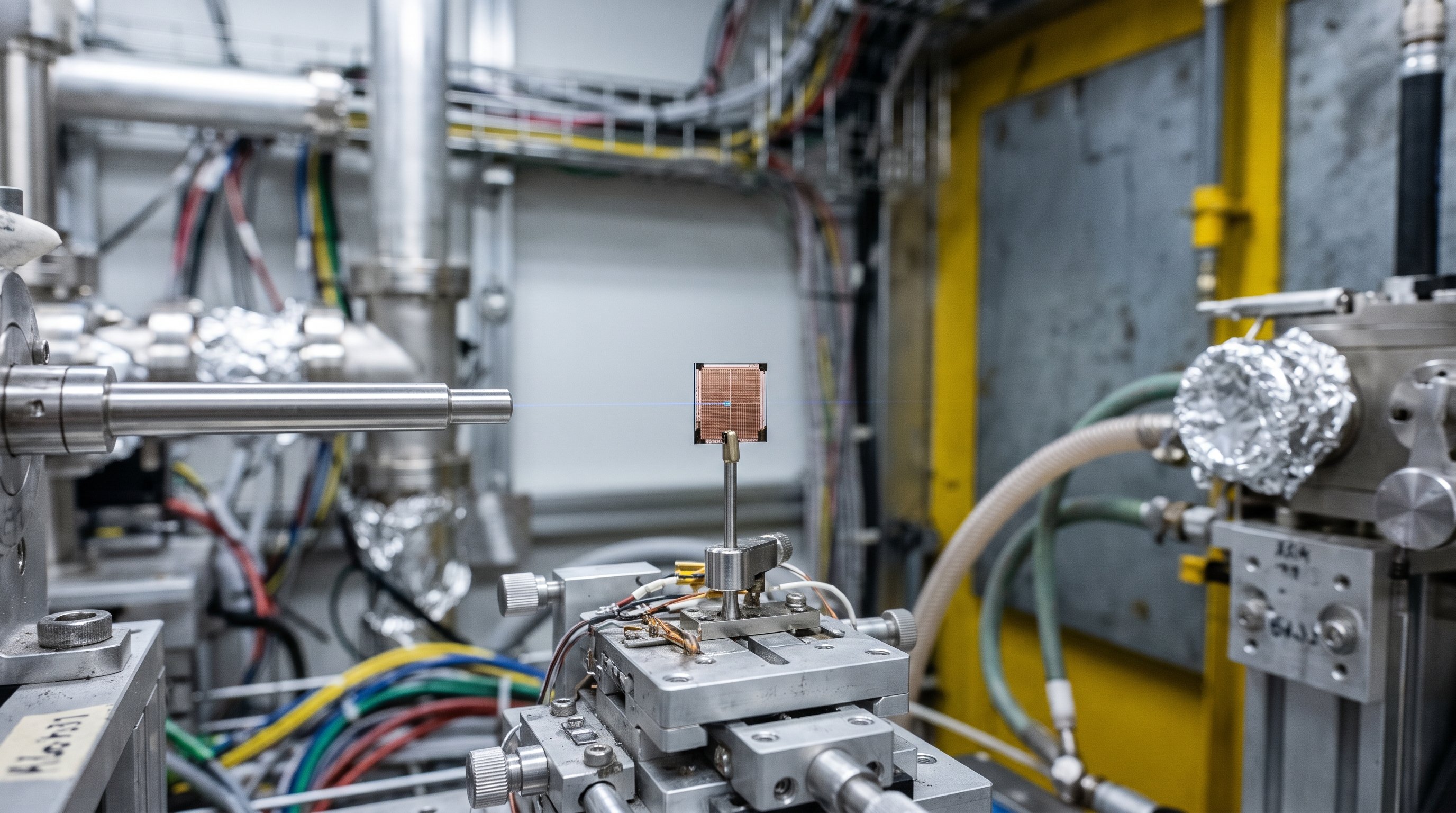
Five US national laboratories let AI build X-ray images in real time, pick interesting spots in a chip by itself and operate the measuring equipment in plain language. This helps researchers get more out of scarce measuring time.
-
OpenAI uses its AI for hardware design: from 3D models to circuit boards
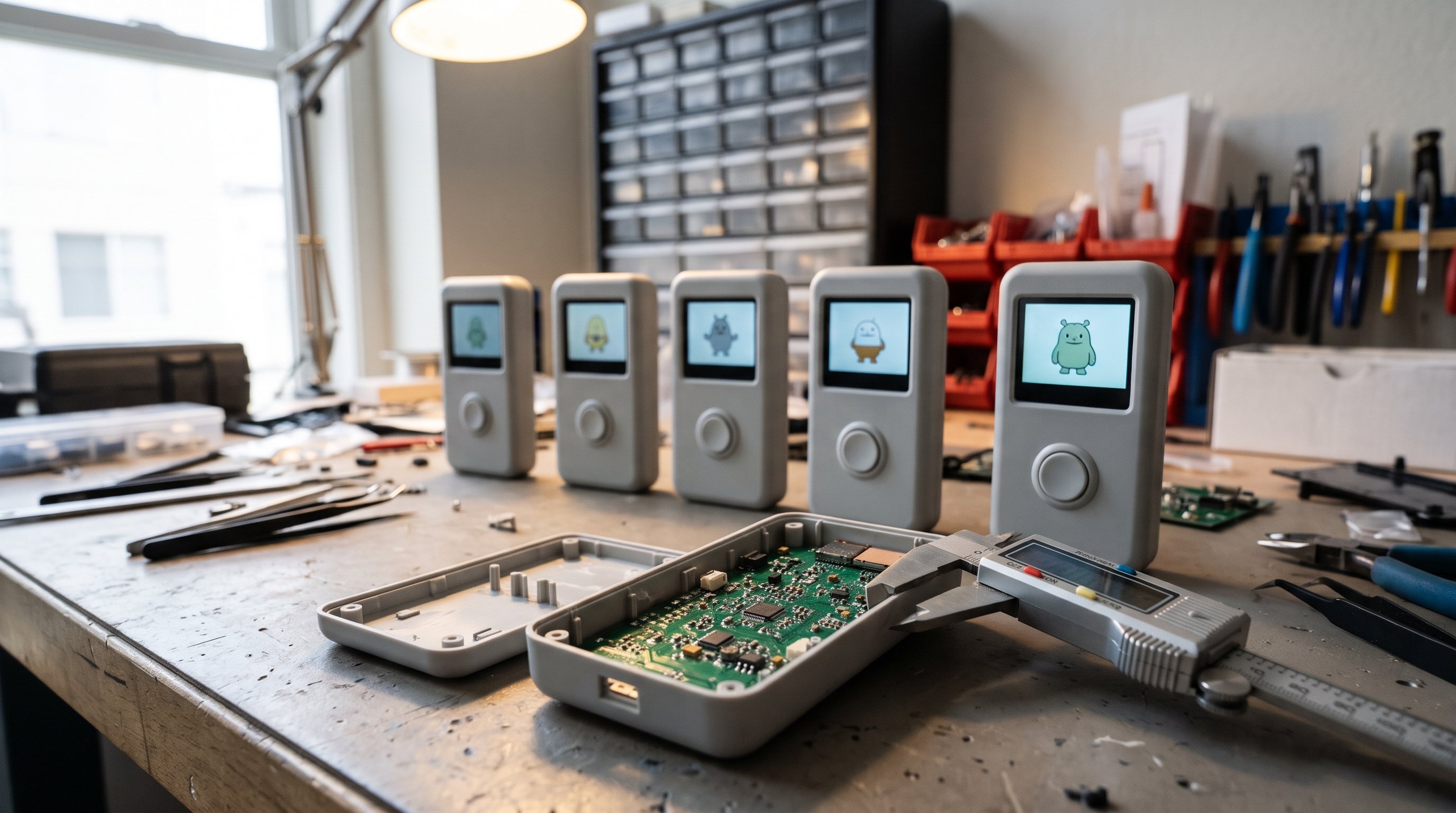
OpenAI shows how ChatGPT and Codex help engineers design physical products. Two employees had the GPT-6 Astra model design a working prototype in less than a week. Getting it made in a factory still took several rounds of checks by humans.
-
AI agent chooses gene therapy and injects the brain of a live mouse
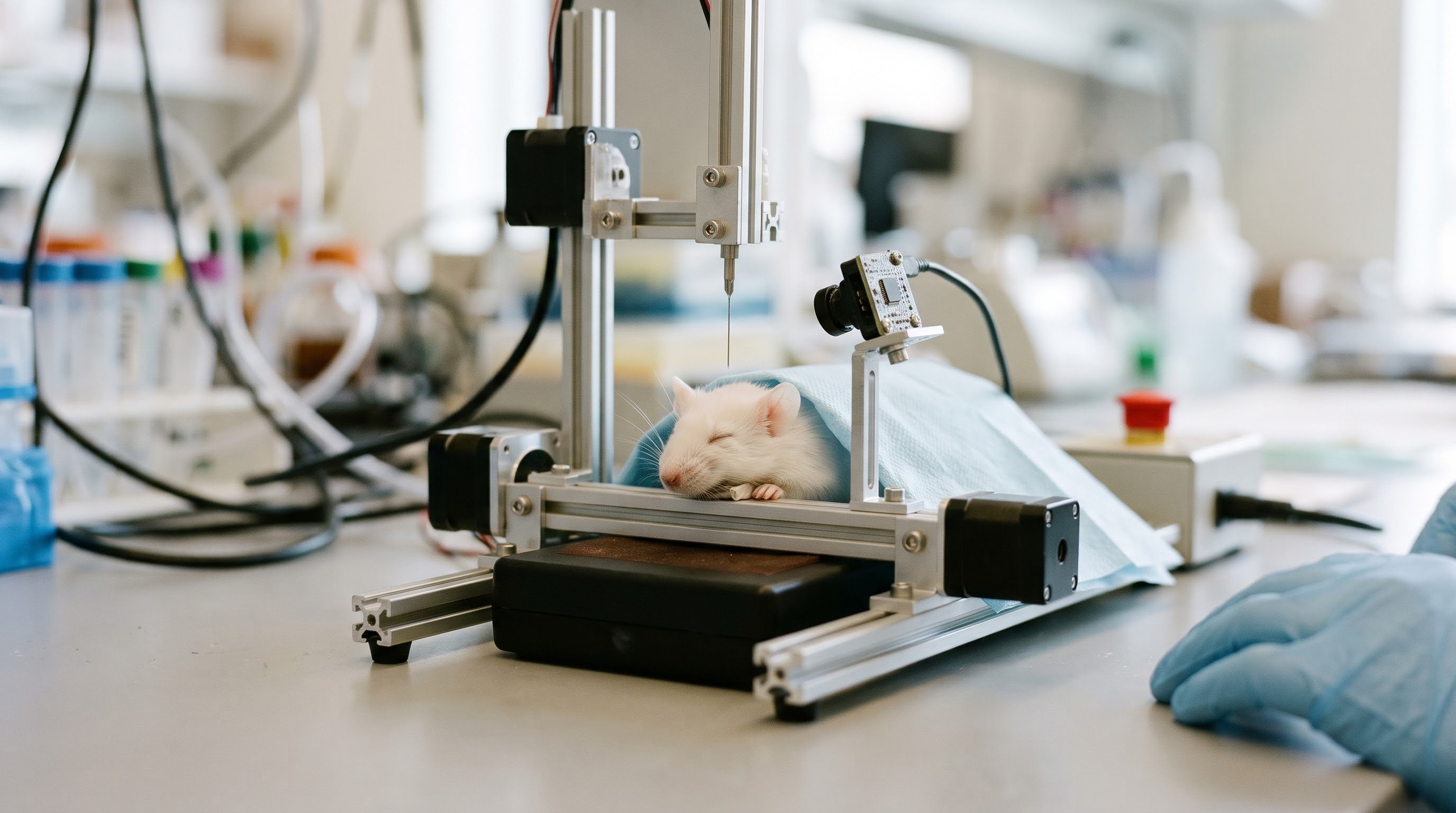
The US biotech company Exin Therapeutics says an AI agent running on Claude Sonnet 5 chose a gene therapy and a brain region by itself and injected a mouse with epilepsy. Models from OpenAI and xAI ran the same test, each making its own choices. Now the team is measuring which therapy works.
-
AI makes hacking easier, but it also helps the defenders
Smart AI agents that read and write code themselves make hacking easier, especially open models whose safety limits are easy to remove. But the same AI also finds security flaws before attackers do. A cat-and-mouse game, with recent examples in the Netherlands and Belgium.