Nederlands
AI finds hidden DNA error that standard software missed for years
An AI system from the American company Gamow Labs found the hereditary cause of a rare lung disease in a baby who died. Ordinary software had filtered the error out. A lab confirmed the finding, and the parents now know where they stand.
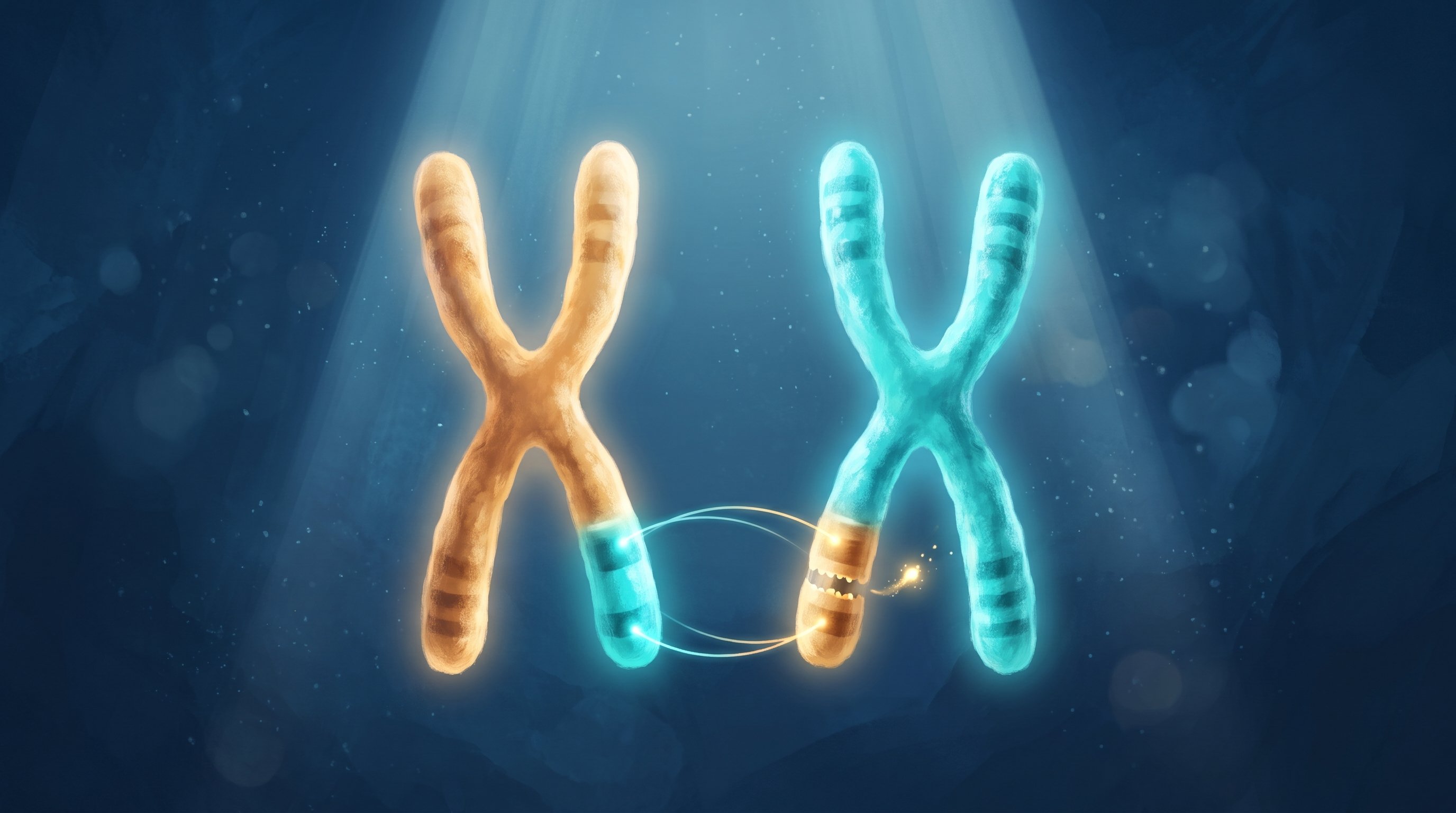
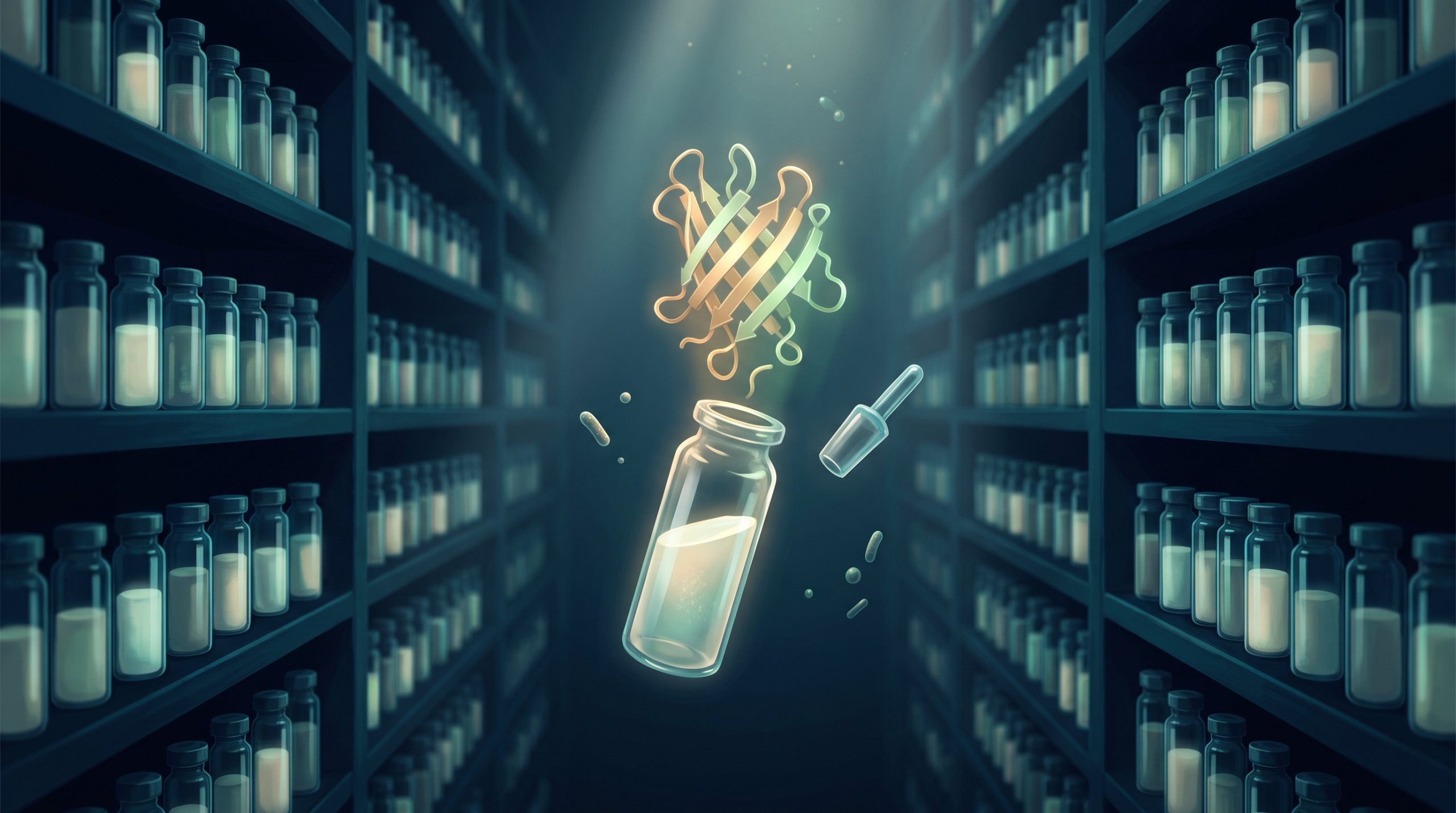
Three years ago, the baby son of the American Frost family died in a neonatal intensive care unit of a lung disease that nobody could explain. His DNA had been fully mapped and examined by specialists, but no cause was found. Now there is one. The young company Gamow Labs had its AI system look at the DNA again and found an error that the standard software had thrown away. A lab at Baylor College of Medicine in Houston confirmed the finding.
Gamow Labs announced the result on 13 October, the same day Google made its new AI model Gemini 4 Argon widely available. Gamow Labs used Argon in this research, and Google mentions the story as an example of what Argon can do in science.
Why a diagnosis matters so much to the parents
Without a diagnosis, the parents did not know whether the death of their son was bad luck, or whether something in their own DNA could go wrong again with a next child. They chose IVF, but could not test the embryos in a targeted way, because nobody knew what to test for. According to the father, Randall Frost, the diagnosis does not undo the loss, but it gives him and his wife peace of mind and the confidence to grow their family. They have since had a son through IVF.
The disease is called alveolar capillary dysplasia. In babies with this condition, the tiniest blood vessels around the air sacs in the lungs do not form properly. As a result, the blood in the lungs cannot take up oxygen. Almost all babies with this disease die in their first month of life. The cause usually lies in or around one gene, FOXF1. This gene helps to build those small blood vessels.
A switch that ended up far from the gene
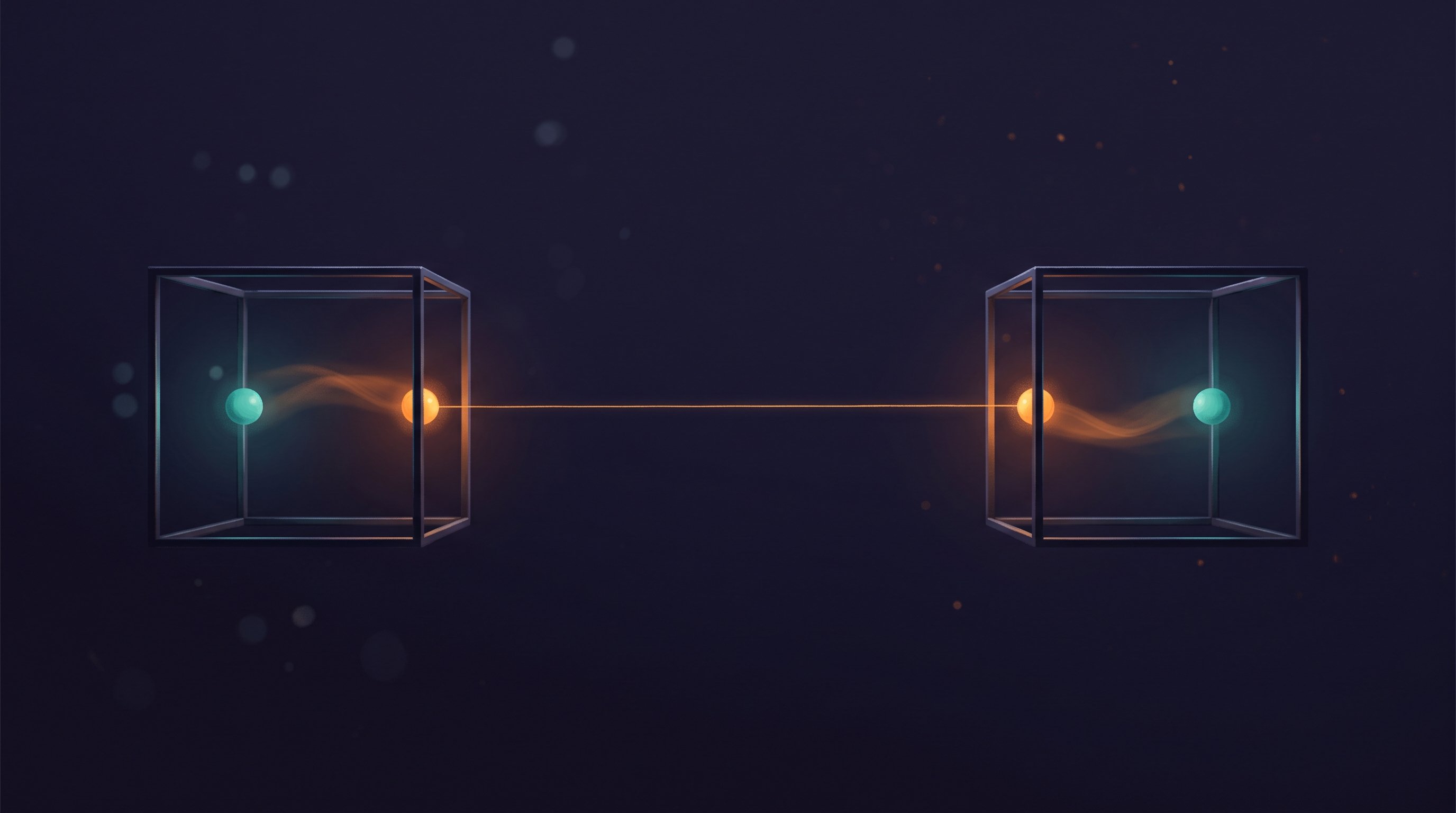
A gene does not work on its own. Somewhere else on the same stretch of DNA there is a kind of switch that determines how strongly the gene is turned on. In the Frost family's baby, a piece of one chromosome had swapped places with a piece of another chromosome. In the process, the switch for FOXF1 became separated from the gene. The gene was therefore turned on too weakly, and the lungs could not develop properly.
Such a swap is hard to find. No DNA is lost and nothing is added. All the 'letters' are still there; only two pieces are in the wrong place. Common software mainly looks for letters that are different, or for pieces that are missing or appear twice.
In this case, something else went wrong as well. Software filters out DNA changes that are common in many people by default, because they are almost always harmless. Because of an error in the data the software worked with, this swap was wrongly recorded as common. As a result, it never reached a doctor.
How the AI system works
Gamow Labs' system is called George-0.1. It consists of several AI agents: independently working AI programs that each investigate a different kind of clue in the DNA and search the medical literature. They then present the candidates, with the evidence, so that a doctor or researcher can assess them. For the reasoning, the system uses the most powerful AI models available today, such as Gemini 4 Argon. With Argon, the researchers also worked out why the standard software had missed the error.
Because reading DNA sometimes gives a false signal, the lab of geneticist Pawel Stankiewicz checked the finding with a second, precise measuring method. This confirmed the swap. Stankiewicz then shared the diagnosis with the family.
Tested on 26 difficult cases
The Frost family's story came from a blind test that Gamow Labs carried out together with Stankiewicz. The system received the DNA of 26 babies with a serious lung disease, without knowing what was already known about them. For all of these babies, the first diagnostic lab had found no cause. They had then been referred to Stankiewicz's lab, one of the leading experts in this field. That lab found the cause in 19 of the 26 babies.
George-0.1 found all 19 known causes again. In 2 of the 7 unsolved cases, the system pointed to a possible cause. One of these, the Frost family's son, has now been confirmed. According to Stankiewicz, these cases are among the most difficult in clinical genetics, and such systems can help doctors reach an answer faster. That counts all the more for seriously ill newborns, where every day matters.
What happens next
The test is small and concerns cases whose outcome was largely already known. The next step is to show that the system also works reliably with new patients, and that independent researchers can repeat the results. Gamow Labs wants to start this kind of research in neonatal intensive care units. That is where the need is greatest, and far from every hospital has a specialised geneticist on staff.
For founder Daniel McKinnon, the subject is personal. His first son died in 2021 of the same lung disease. In his case too, the cause was only found much later, when a researcher re-examined the DNA by hand. After that, McKinnon started the company.
What does this mean for the road to the singularity?
Mapping a person's DNA has become fast and affordable in recent years. Reading and understanding it is still human work, and there are too few experts. Here AI shows that it can take over that work: not by replacing a doctor, but by patiently checking the DNA for all kinds of errors and finding what ordinary software leaves behind. An experiment with a similar goal is Carbon-X from Hugging Face, which lets researchers ask questions about a piece of DNA in plain language. Gamow Labs goes a step further: its system searches a complete DNA profile by itself and delivers a candidate diagnosis with evidence.
If such systems can be used widely and reliably, every sick baby can get the same careful analysis that only the best experts can provide today. Old, unsolved cases can then also be looked at again, every time new knowledge becomes available. For families like the Frosts, that can make the difference between years of uncertainty and an answer.
What is the technological singularity? Read the explanation →