Nederlands
Topic
#Zuid-Korea
-
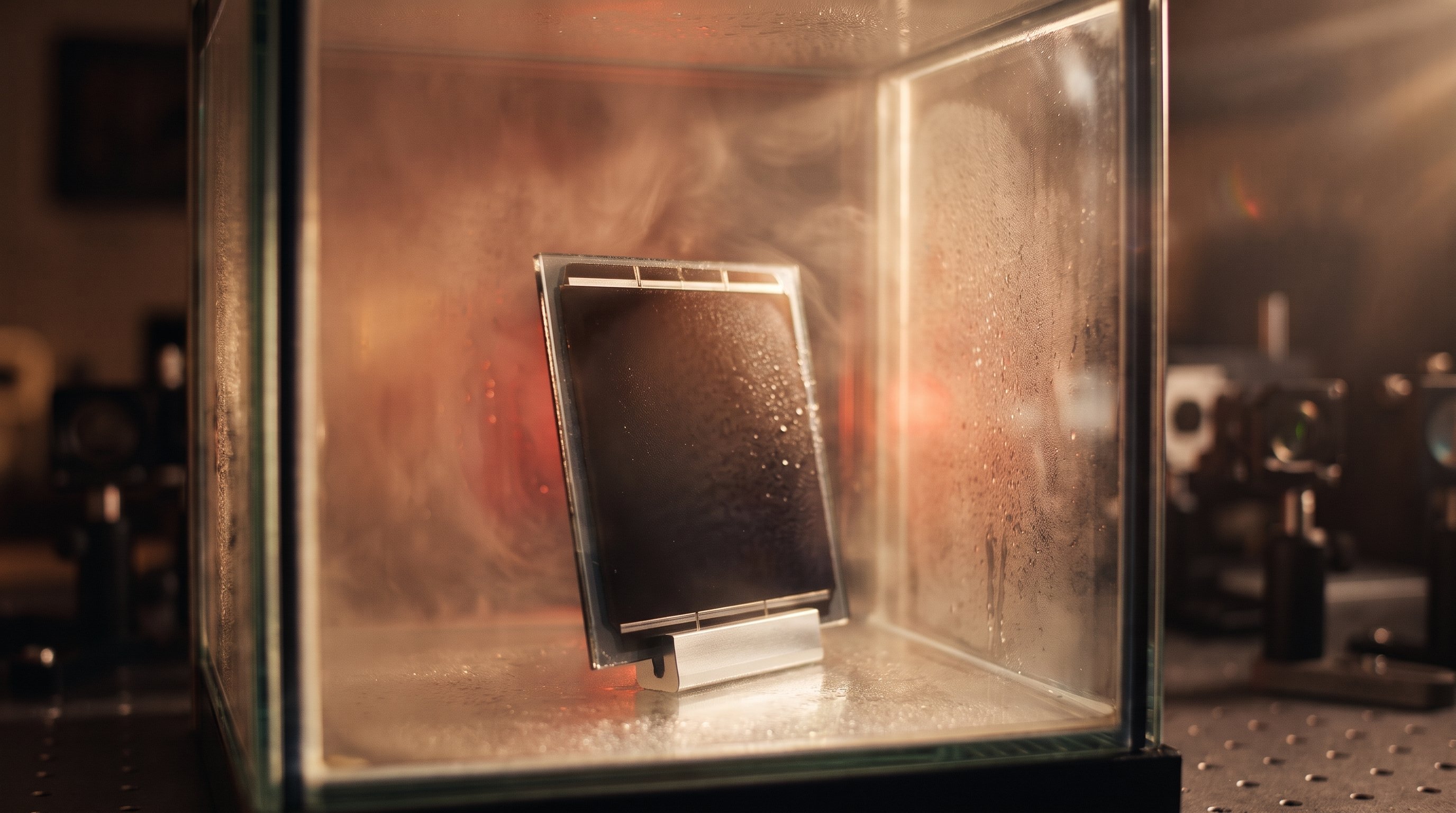
New solar cell survives 1,000 hours of heat and humidity thanks to a clean-up trick
Korean researchers filter the substance that makes perovskite solar cells wear out quickly out of the production process. After 1,000 hours at 85 degrees and in humid air, their cells still kept 95 per cent of their efficiency, an important step towards solar panels that last a long time.
-
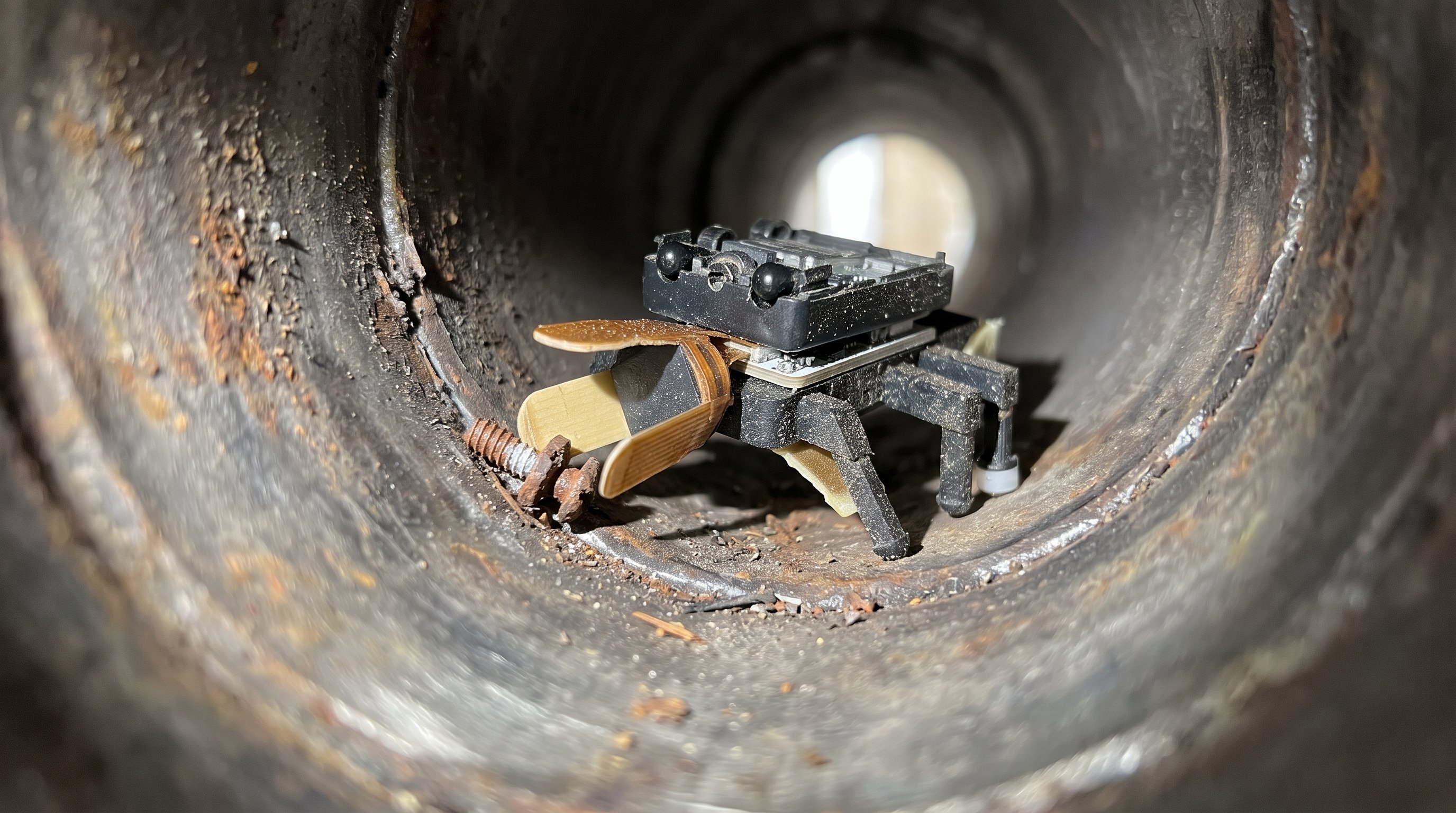
Soft beetle robot with artificial muscles can be steered with one finger
Researchers from KAIST, Caltech and NTU Singapore built a small soft robot modelled on a beetle. You steer it with your finger and get images and touch feedback straight back. The next step: making it faster and more energy-efficient.
-
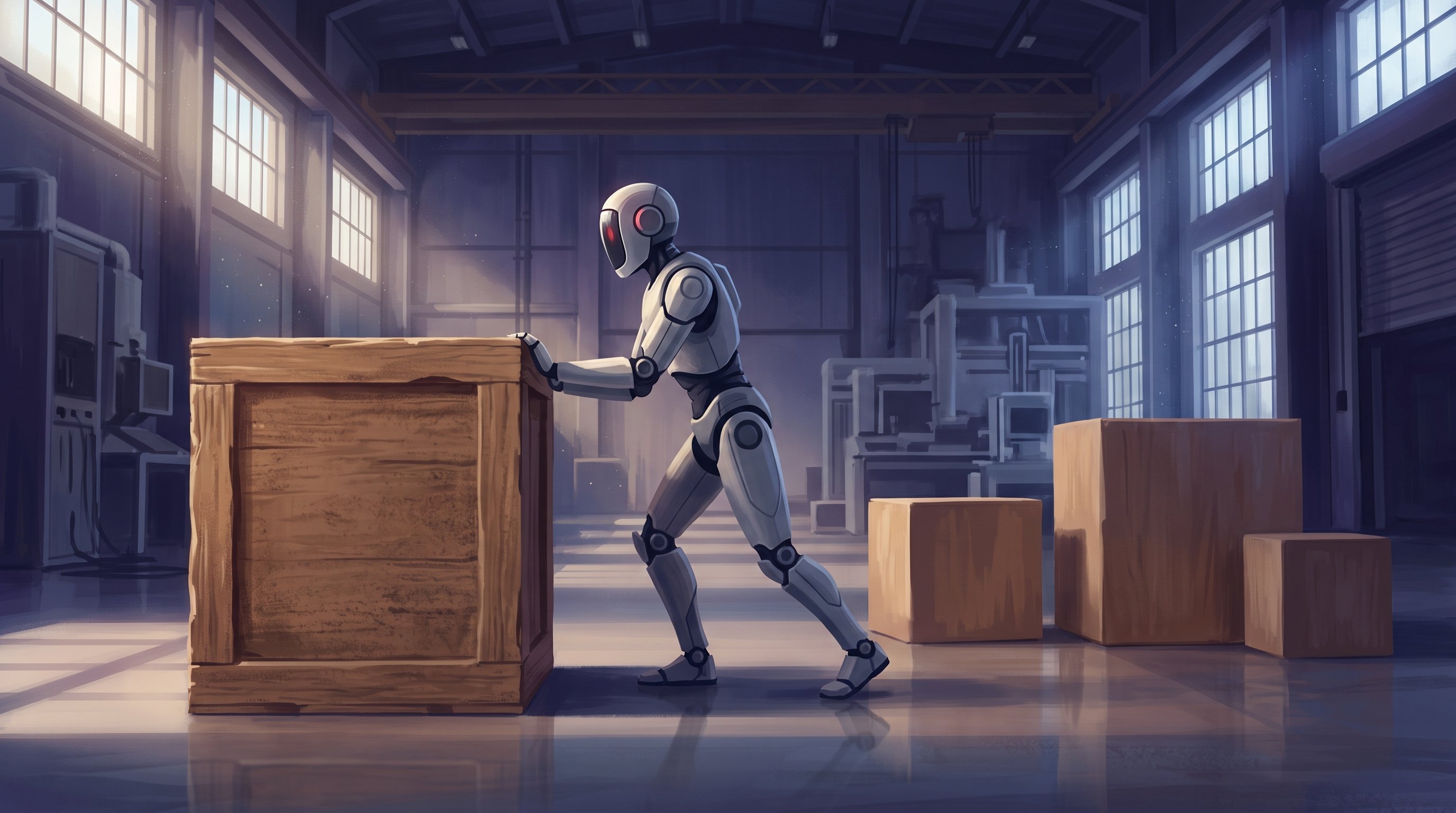
Humanoid robot from South Korea pushes 35 kilos and lifts 20 kilos while walking
Researchers at KAIST in South Korea had their humanoid robot push objects of up to 35 kilos and lift up to 20 kilos while walking. Legs and arms are controlled together by a single AI system. It is a demonstration in the lab; more tests will follow.
-
Robot AI from Seoul first imagines what the result will look like, and only then chooses its movement
Researchers at Seoul National University have built an AI model that lets a robot 'see' in advance how a task will turn out. With those images, the robot chooses its movements. In real tests it completed almost eight out of ten tasks, slightly more often than well-known competitors.
-
KAIST's AI fills in the ground beneath clouds on satellite images
Researchers at South Korea's KAIST built an AI model that learns what the Earth looks like from above, including location and scale. This lets it remove clouds from satellite photos and turn radar images into ordinary photos. That will help with disasters and nature management.
-
Probiotics slow an early blood sign of Alzheimer's in Korean study
In a South Korean study, older people with early memory problems took good gut bacteria or a dummy treatment every day for half a year. In the probiotics group, a blood value linked to Alzheimer's went down. Larger and longer studies now need to confirm this.