Nederlands
Probiotics slow an early blood sign of Alzheimer's in Korean study
In a South Korean study, older people with early memory problems took good gut bacteria or a dummy treatment every day for half a year. In the probiotics group, a blood value linked to Alzheimer's went down. Larger and longer studies now need to confirm this.
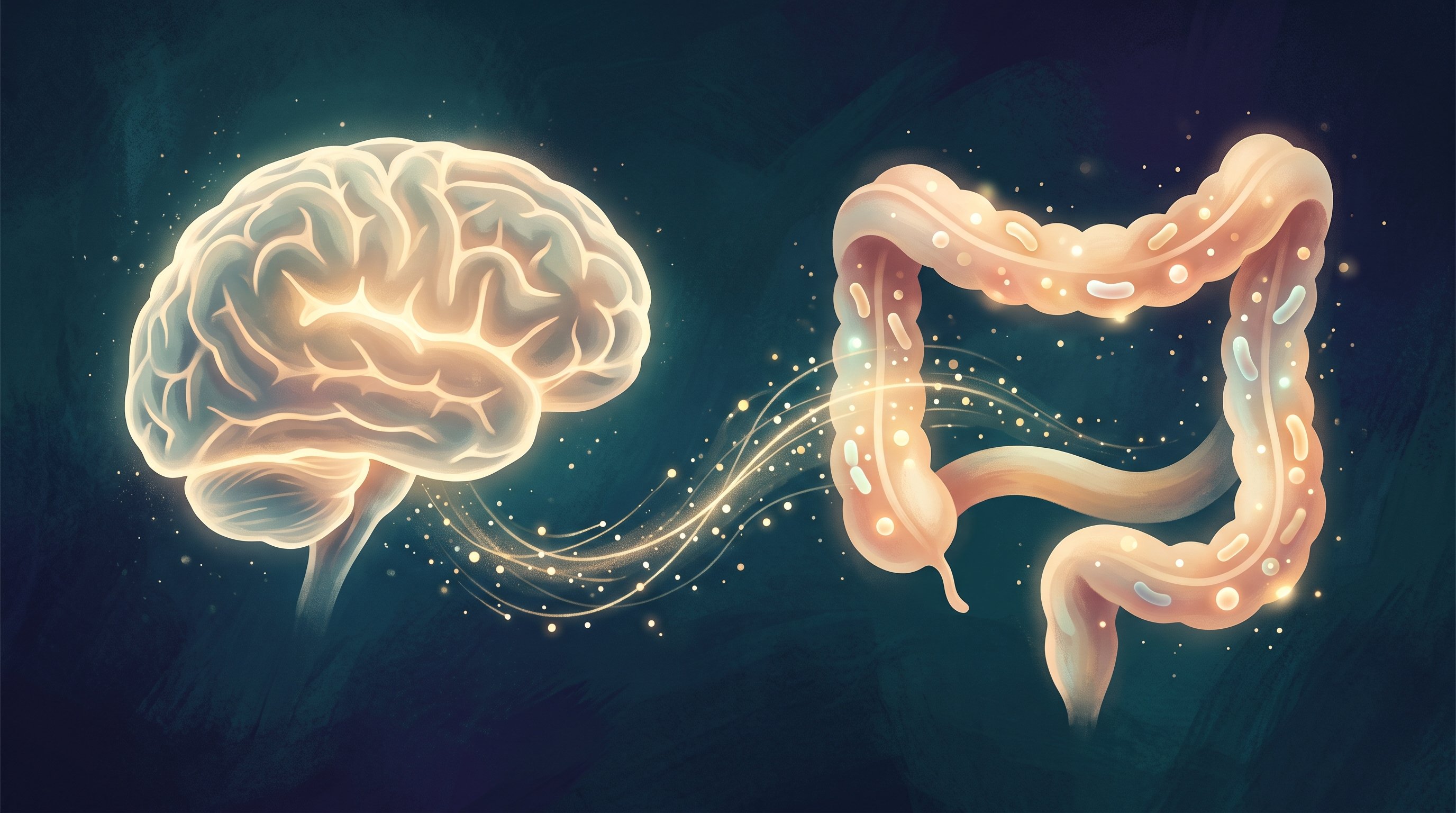
Alzheimer's begins long before anyone notices it. Years before the first clear memory problems, things are already changing in the brain. That is why researchers are looking for ways to slow the disease down at that early stage. One striking place to look is the gut. Billions of bacteria live there, and they are in contact with the brain through the blood and the nervous system.
Researchers from Chosun University and Chonnam National University Hospital in the South Korean city of Gwangju have tested whether good gut bacteria, known as probiotics, can do anything for people whose memory is just starting to decline. Their results appear in the Journal of Alzheimer's Disease.
Half a year of gut bacteria or a dummy treatment
The study included older people with early problems in thinking and remembering, a stage that often comes before Alzheimer's. They came from a large Korean group that has been followed for some time for dementia research.
The participants were assigned at random to take a powder every day for 24 weeks. One group received a mixture of three kinds of lactic acid bacteria and bifidobacteria, the other group a dummy treatment (placebo). Nobody knew who was getting what, not even the researchers. This set-up is the most reliable way to test whether a treatment really works. In the end, the results of 87 participants were counted: 40 in the probiotics group and 47 in the placebo group.
A lower value in the blood
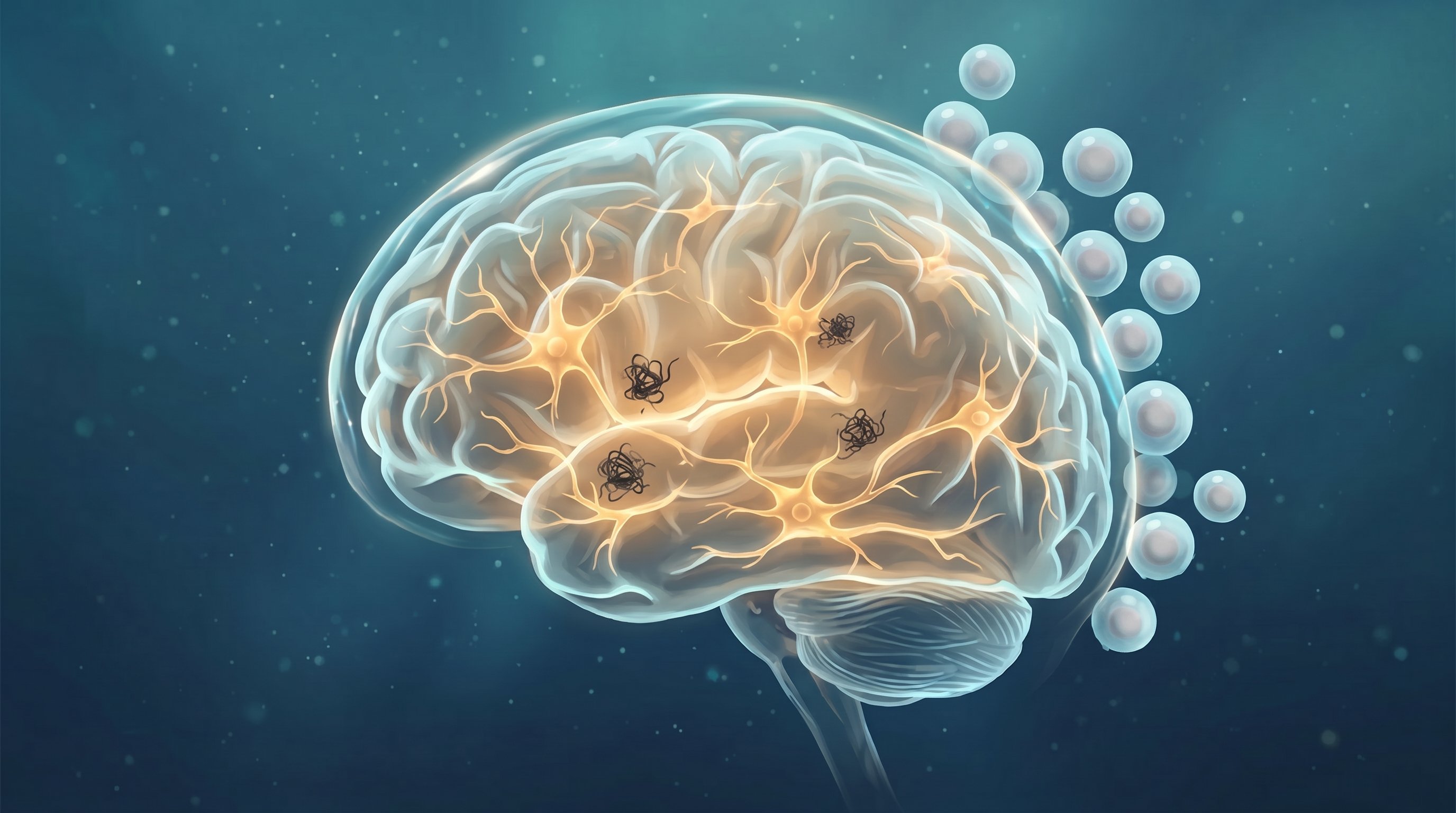
In Alzheimer's, the protein tau clumps together in the brain. One form of this protein can also be measured in the blood. The higher that value, the greater the chance that the disease is active. In the probiotics group, this tau value was clearly lower after half a year than in the placebo group.
The researchers also measured two substances in the blood that show whether nerve cells are being damaged or the brain is inflamed. In the placebo group these values rose; in the probiotics group they stayed the same.
The probiotics group also scored better on a widely used scale that measures how far someone's memory and thinking problems have progressed. They also did better on tasks that require spatial insight into how something fits together, such as copying a complicated drawing. On other tests, such as remembering words, the difference from the other group was not large enough to be certain.
What still needs to happen
It is a small study, and the researchers themselves call their results preliminary. A lower tau value in the blood does not yet mean that there are fewer tau clumps in the brain. That is why they want to carry out larger and longer studies, using brain scans to look directly into the brain as well. Exactly how the gut bacteria influence the brain is also being studied further.
The study is not advice to start taking probiotics yourself. Anyone worried about their memory is best advised to talk to their doctor.
What does this mean for the road to the singularity?
The fact that the gut and the brain talk to each other is one of the surprising discoveries of recent years. This study is a first step towards using that insight against one of the biggest diseases of our time, with a treatment that is simple and cheap.
AI can give this research a strong push. Hundreds of kinds of bacteria live in the gut, and every combination works differently. AI models can find patterns in large amounts of data on gut bacteria, blood values and brain scans that humans do not see, and so predict which bacteria are most promising. A large language model also knows both the microbiology of the gut and brain science, two fields that worked separately for a long time. This can bring connections to light that a specialist in a single field would miss. That brings closer the day when we can not only recognise Alzheimer's early, but also slow it down early.
What is the technological singularity? Read the explanation →