Nederlands
Computing power
Computing power is how much calculation computers can do in a given time. For AI it mainly comes from large numbers of specialised chips in data centres; more computing power makes larger and better models possible.
Training or using an AI model is, at heart, a huge amount of arithmetic: multiplying and adding numbers, countless times in a row. How much of that work a computer, or an entire data centre, can handle in a given time is called computing power.
For AI, most computing power comes from specialised chips, such as GPUs, that perform many calculations at once. Thousands of those chips together in a data centre provide the computing power to train the largest models. That also takes a lot of electricity, which is why computing power and energy often go together in AI news.
Why it matters
In recent years AI models improved mainly because more data and more computing power went into training. That makes computing power one of the most important raw materials of progress in AI, and companies are investing billions in it.
Yet more computing power is not the only way forward. The research organisation METR estimates that Anthropic is now improving its models about twice as fast, and found convincing evidence that this is not because more computing power is going into training more quickly. AI itself is probably helping with the research. Anthropic also looked at how it divides its own computing power: about 6 per cent of the computing power for AI research went to safety work.
Articles about Computing power
-
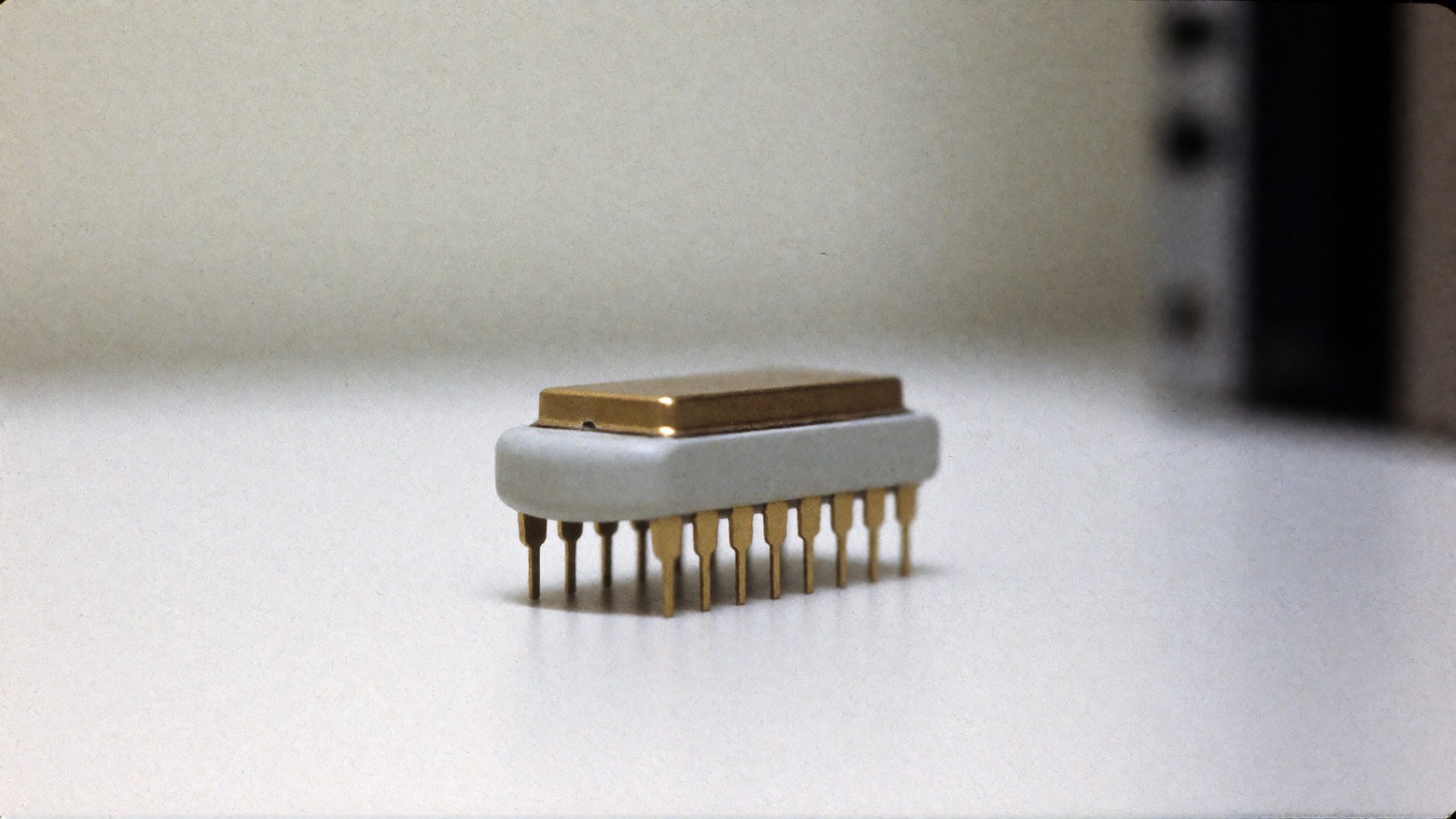
Intel puts a complete processing unit on a single chip
Intel announces the 4004: a processing unit of about 2,300 transistors on one piece of silicon, for 60 dollars. What used to take a cabinet full of parts now fits in a package with 16 pins.
-
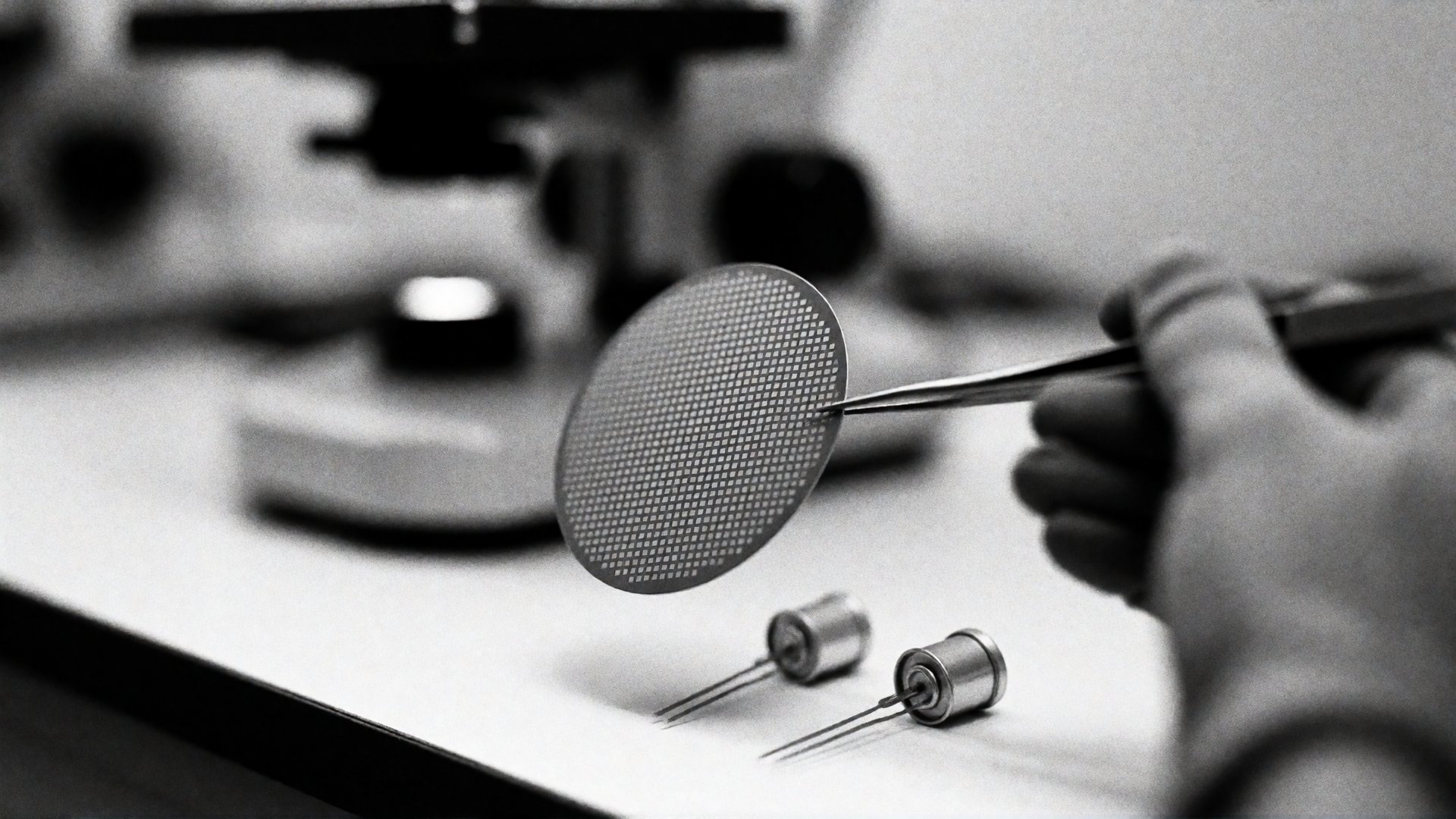
Gordon Moore: the number of components on a chip doubles every year
In the magazine Electronics, Gordon Moore of Fairchild writes that the number of components on a chip has roughly doubled every year so far, and that this can continue for at least ten years. In ten years' time he expects 65,000 components on one chip.
-
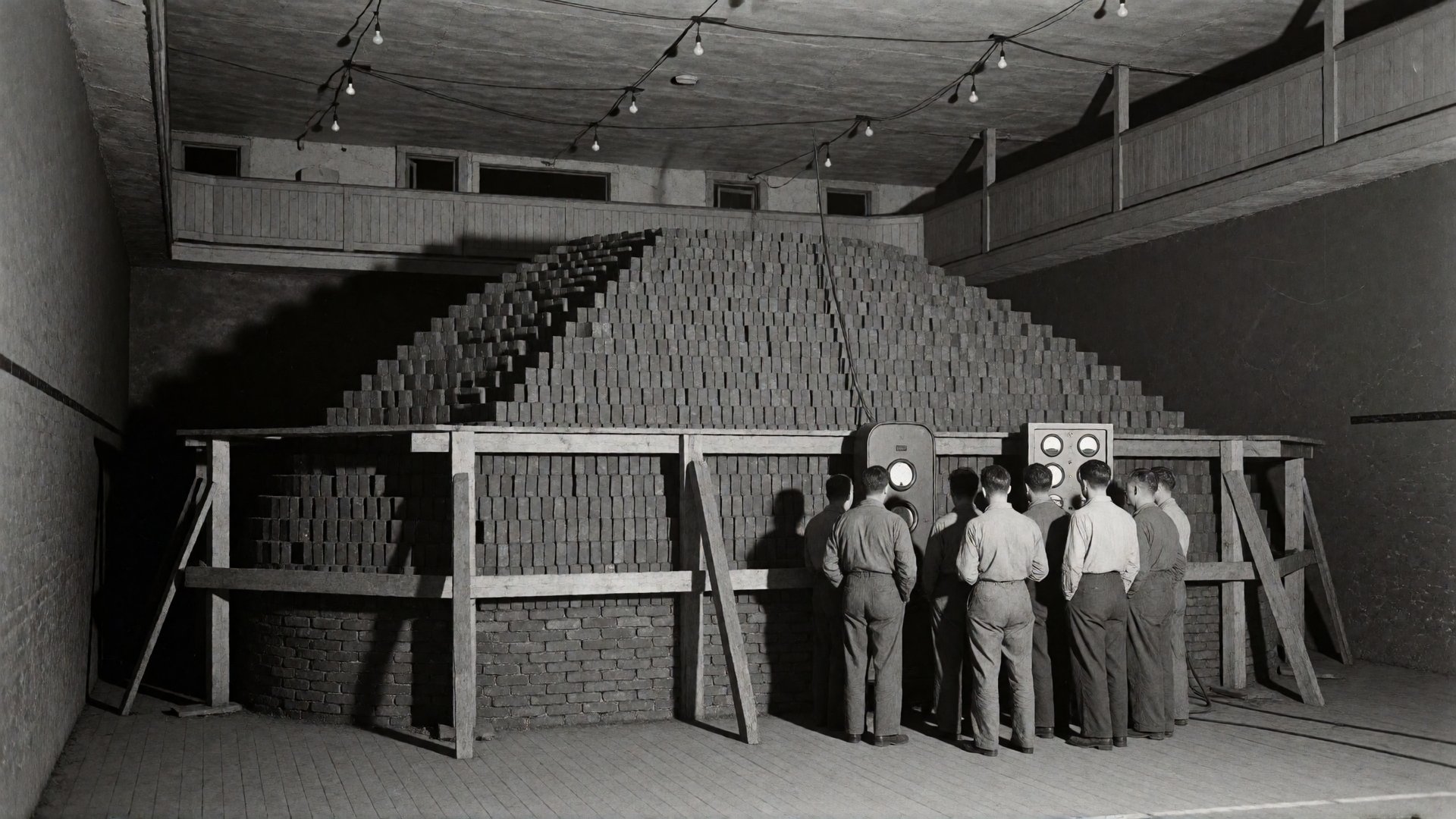
First nuclear reactor runs under the stands of a stadium in Chicago
On a squash court under a stadium in Chicago, a team led by Enrico Fermi has started the first chain reaction that keeps itself going and can be controlled. The reactor produced about half a watt, but the principle has been proven.