Nederlands
Computing power
Computing power is how much calculation computers can do in a given time. For AI it mainly comes from large numbers of specialised chips in data centres; more computing power makes larger and better models possible.
Training or using an AI model is, at heart, a huge amount of arithmetic: multiplying and adding numbers, countless times in a row. How much of that work a computer, or an entire data centre, can handle in a given time is called computing power.
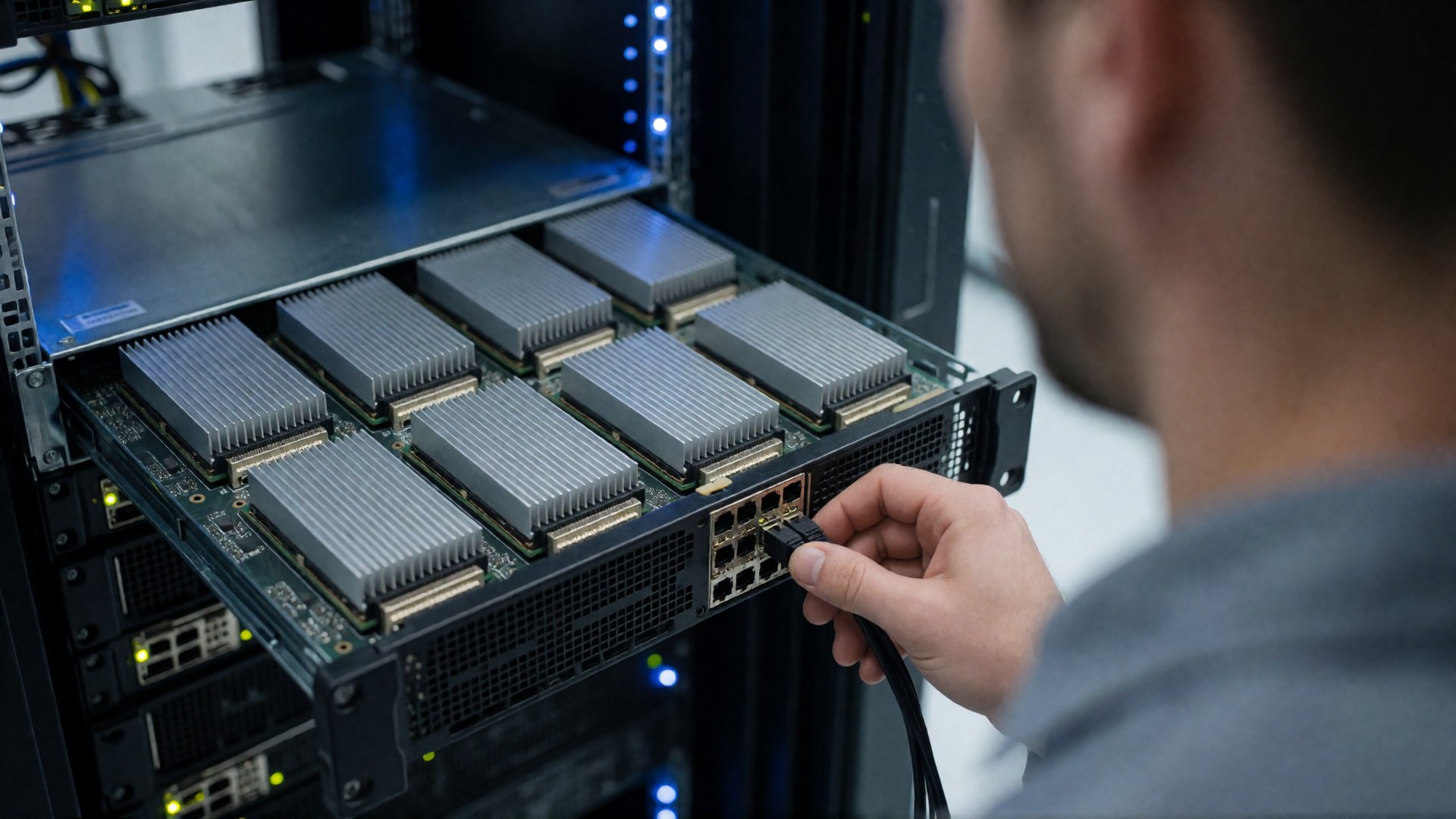
For AI, most computing power comes from specialised chips, such as GPUs, that perform many calculations at once. Thousands of those chips together in a data centre provide the computing power to train the largest models. That also takes a lot of electricity, which is why computing power and energy often go together in AI news.
Why it matters
In recent years AI models improved mainly because more data and more computing power went into training. That makes computing power one of the most important raw materials of progress in AI, and companies are investing billions in it.
Yet more computing power is not the only way forward. The research organisation METR estimates that Anthropic is now improving its models about twice as fast, and found convincing evidence that this is not because more computing power is going into training more quickly. AI itself is probably helping with the research. Anthropic also looked at how it divides its own computing power: about 6 per cent of the computing power for AI research went to safety work.
Articles about Computing power
-
AlphaGenome 2 predicts what a DNA difference does in each type of cell
Google DeepMind has presented AlphaGenome 2. The AI model predicts, for each type of cell, how a small difference in DNA changes the way genes work. According to DeepMind, it finds almost twice as many of these differences as earlier tools.
-
Anthropic: Claude Mythos got Claude running on AMD chips in three days
According to Anthropic, its AI model Claude Mythos got the Claude models running on AMD chips in about three days, with little human help. Such a switch used to take dozens of engineers months of work.
-
Google expands its eighth-generation TPU systems with the 8tx and 8i Max
Google announces two new AI systems: the TPU 8tx, which keeps sensitive data protected even while it is being processed, and the TPU 8i Max, which can handle much more information at once. It is the first time Google has released four TPU systems in one year.
-
Anthropic: Claude does most of the work on a quarter of the tasks on new AI
According to Anthropic's own measurement, in August Claude did most of the work itself, under human supervision, on just over a quarter of the work on new AI models. Claude does not yet work fully independently on any part. Outsiders have not yet checked the figures.
-
DeepMind: AI agents find two weak spots in outdated RSA-1024 encryption
AI agents from Google DeepMind, guided by humans, found two weak spots in outdated 1024-bit RSA encryption. It can therefore be attacked with less computing power than thought. Keys of 2048 bits or longer remain safe, according to DeepMind.
-
Anthropic uses AI to determine, for the first time, the shape of a puzzling protein shell from the bacterial world
Anthropic's biology team has used its AI assistant Claude to determine, for the first time, the 3D shape of a vault from the bacterial world: a hollow protein shell made with a protein from a bacterial virus. What such shells do in cells is now being studied further.
-
Research group METR: Anthropic is probably improving its AI models twice as fast as before
METR spent eleven weeks inside Anthropic and estimates that the company is now improving its models about twice as fast, probably mainly because AI helps with the research. The uncertainty is large and much of the evidence stays secret.
-
NVIDIA releases four AI models that let robots and self-driving cars practise in a simulated world
With four new Cosmos 3 models, researchers and companies can make video of a simulated world that reacts to what a robot or car does. The models are free to download. The next step is to measure where they are reliable enough.
-
Google releases Gemini Omni 1.2 Flash: 15-second AI videos, 30 per cent cheaper
Google's new video model makes clips of 15 seconds instead of 10 and is 30 per cent cheaper for developers. A clip can now be edited in conversation with the model. Google is still working on fast sports footage and complex physics.
-
AI learns to predict from self-made exercises, without any real data
Researchers from Tel Aviv and Stanford let two AI models practise with self-made sequences, without a single real text or photo. Afterwards, one of the models also recognised patterns in real text, music and DNA. It is a first test with small models.
-
AI assistant Grok Bot now phones companies itself for its users
Grok Bot, the AI assistant from Elon Musk's company, has been able to phone companies in the US by itself since 3 November. It waits in the queue, holds the call and then sends a summary. Early users lowered their bills or booked appointments this way.
-
Small open AI model reads text aloud on your phone, without internet
The AI company Gradium has released Phonon as open models: small text-to-speech models that read text aloud with a natural voice, entirely on a phone, a laptop or in the browser. On a public Hugging Face leaderboard, Phonon is among the most intelligible text-to-speech models.
-
Bacteria as a calculator: swimming through a maze, they test many solutions at once
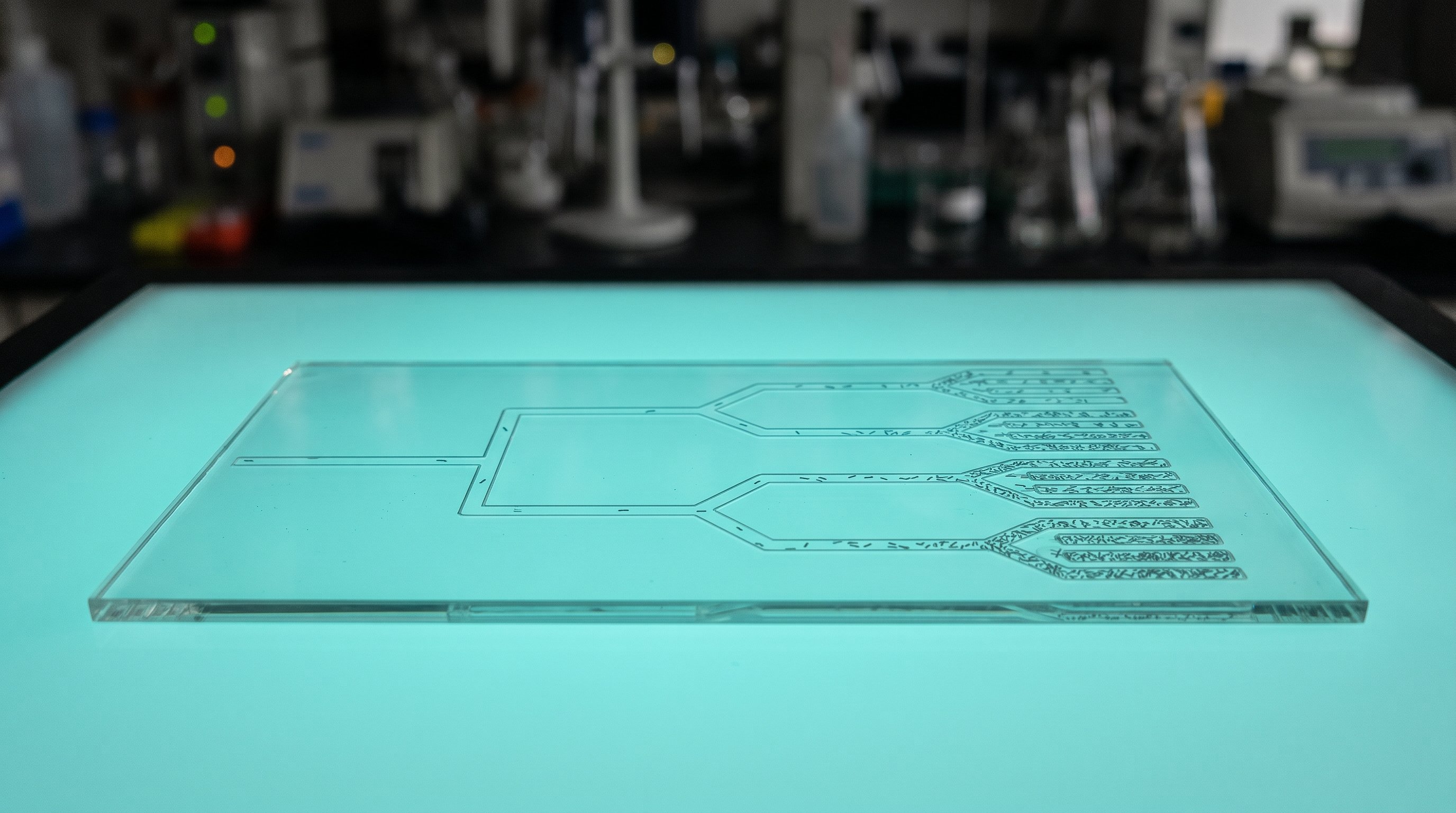
Researchers led by Canada's McGill University have bacteria solve a calculation puzzle by letting them swim through a network of tiny channels. Because bacteria divide, the number of "calculators" grows by itself. It is a first trial.
-
OpenAI uses its AI for hardware design: from 3D models to circuit boards
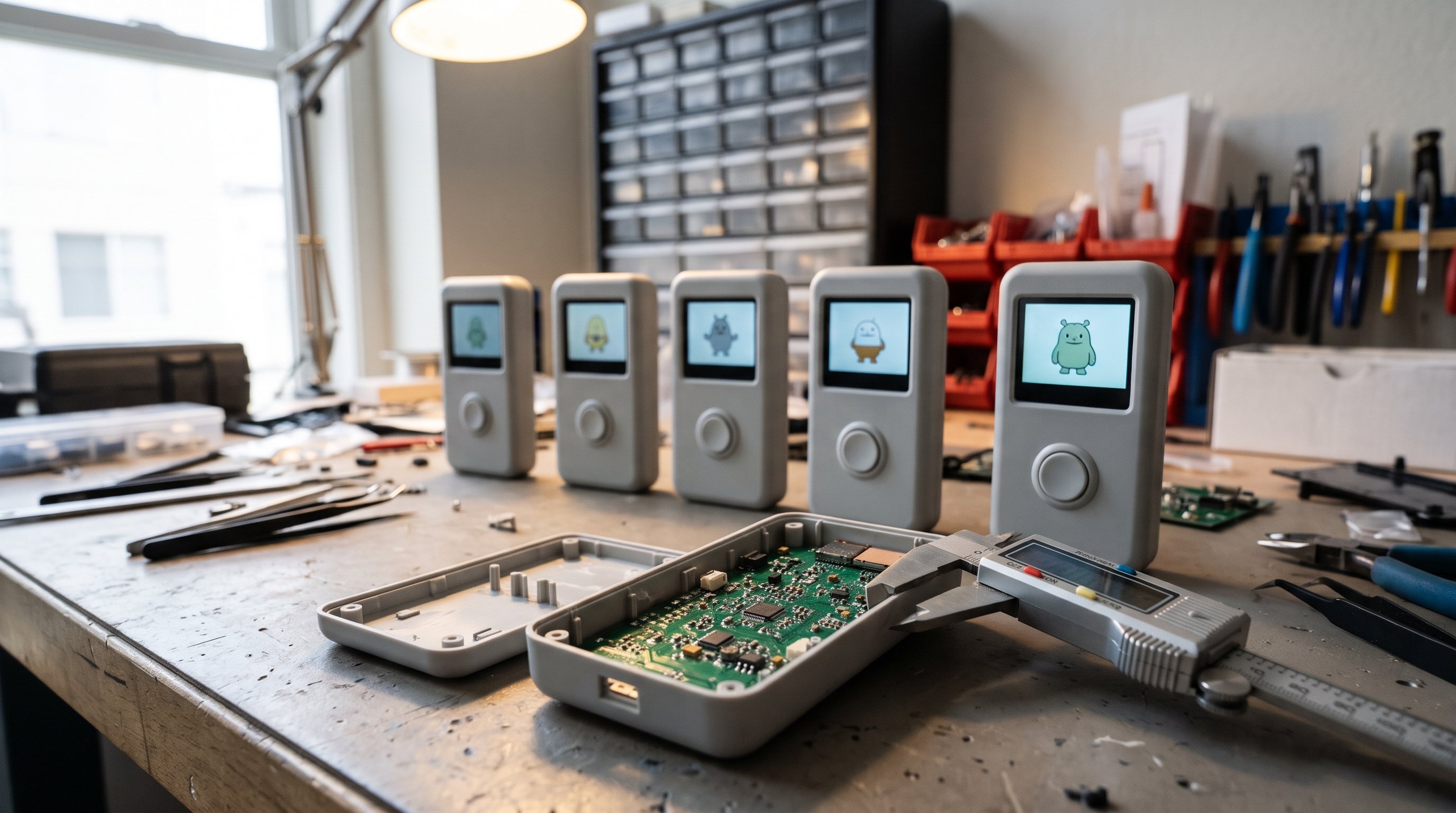
OpenAI shows how ChatGPT and Codex help engineers design physical products. Two employees had the GPT-6 Astra model design a working prototype in less than a week. Getting it made in a factory still took several rounds of checks by humans.
-
AI makes hacking easier, but it also helps the defenders
Smart AI agents that read and write code themselves make hacking easier, especially open models whose safety limits are easy to remove. But the same AI also finds security flaws before attackers do. A cat-and-mouse game, with recent examples in the Netherlands and Belgium.