Nederlands
Computing power
Computing power is how much calculation computers can do in a given time. For AI it mainly comes from large numbers of specialised chips in data centres; more computing power makes larger and better models possible.
Training or using an AI model is, at heart, a huge amount of arithmetic: multiplying and adding numbers, countless times in a row. How much of that work a computer, or an entire data centre, can handle in a given time is called computing power.
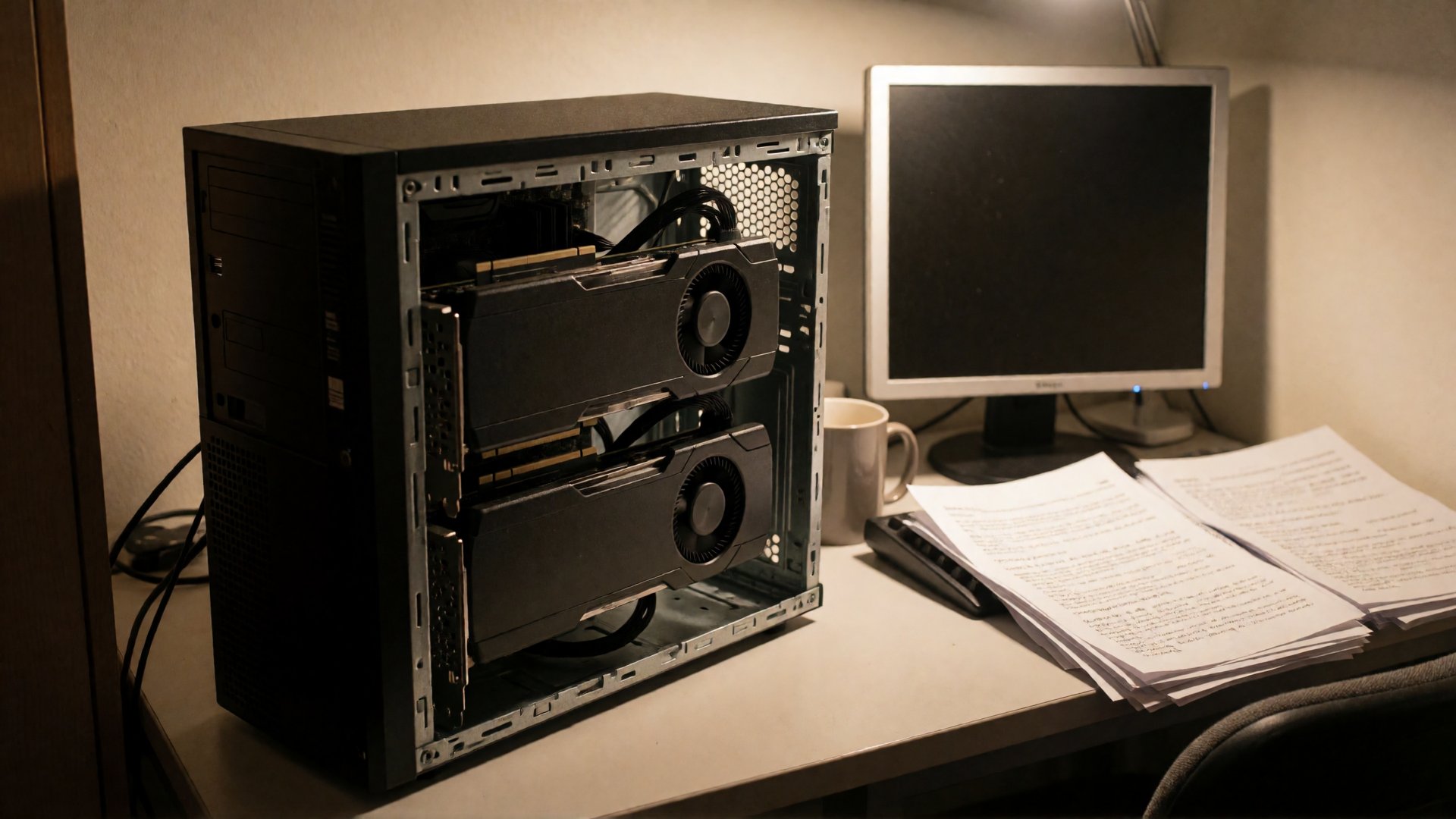
For AI, most computing power comes from specialised chips, such as GPUs, that perform many calculations at once. Thousands of those chips together in a data centre provide the computing power to train the largest models. That also takes a lot of electricity, which is why computing power and energy often go together in AI news.
Why it matters
In recent years AI models improved mainly because more data and more computing power went into training. That makes computing power one of the most important raw materials of progress in AI, and companies are investing billions in it.
Yet more computing power is not the only way forward. The research organisation METR estimates that Anthropic is now improving its models about twice as fast, and found convincing evidence that this is not because more computing power is going into training more quickly. AI itself is probably helping with the research. Anthropic also looked at how it divides its own computing power: about 6 per cent of the computing power for AI research went to safety work.
Articles about Computing power
-
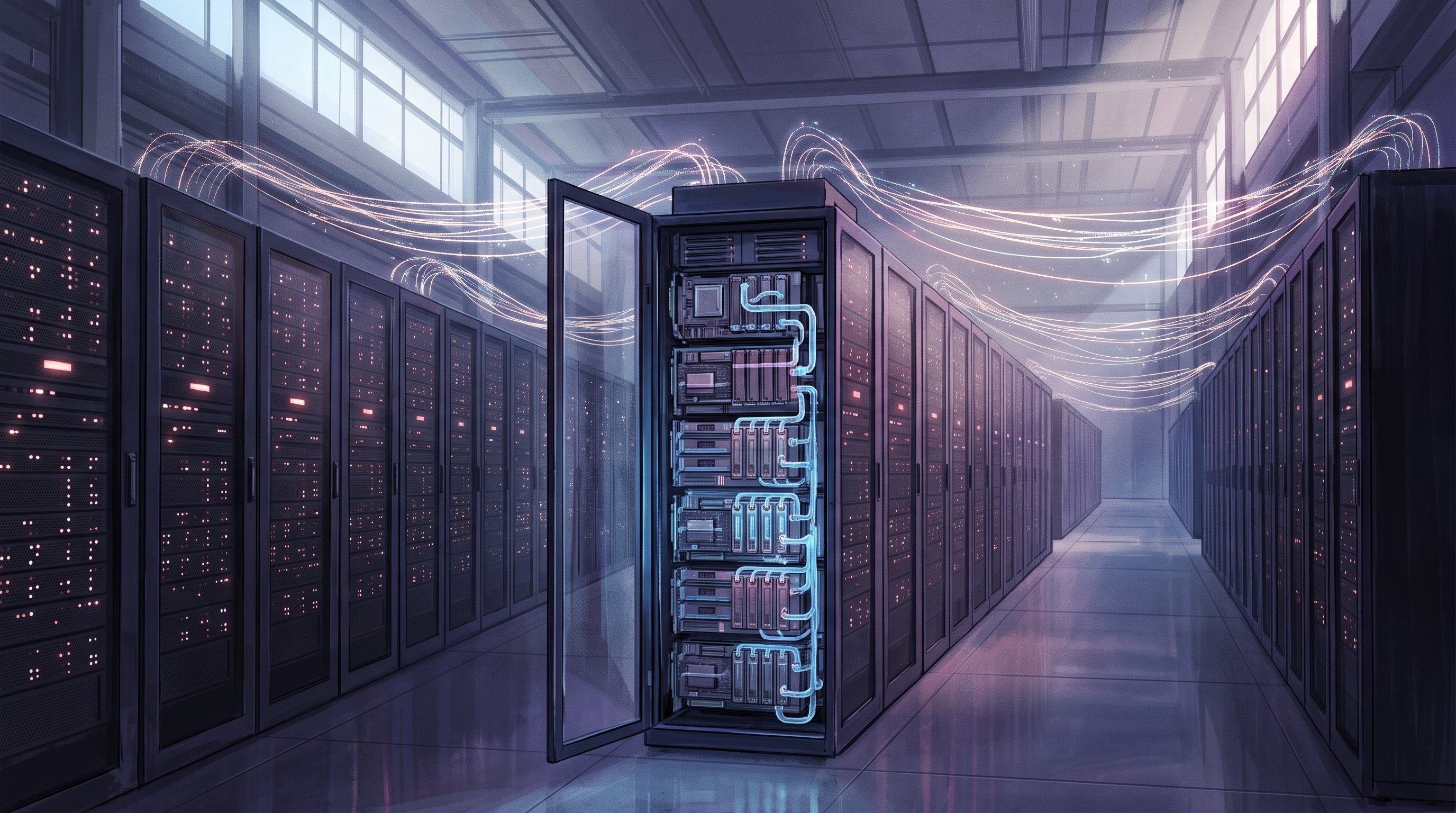
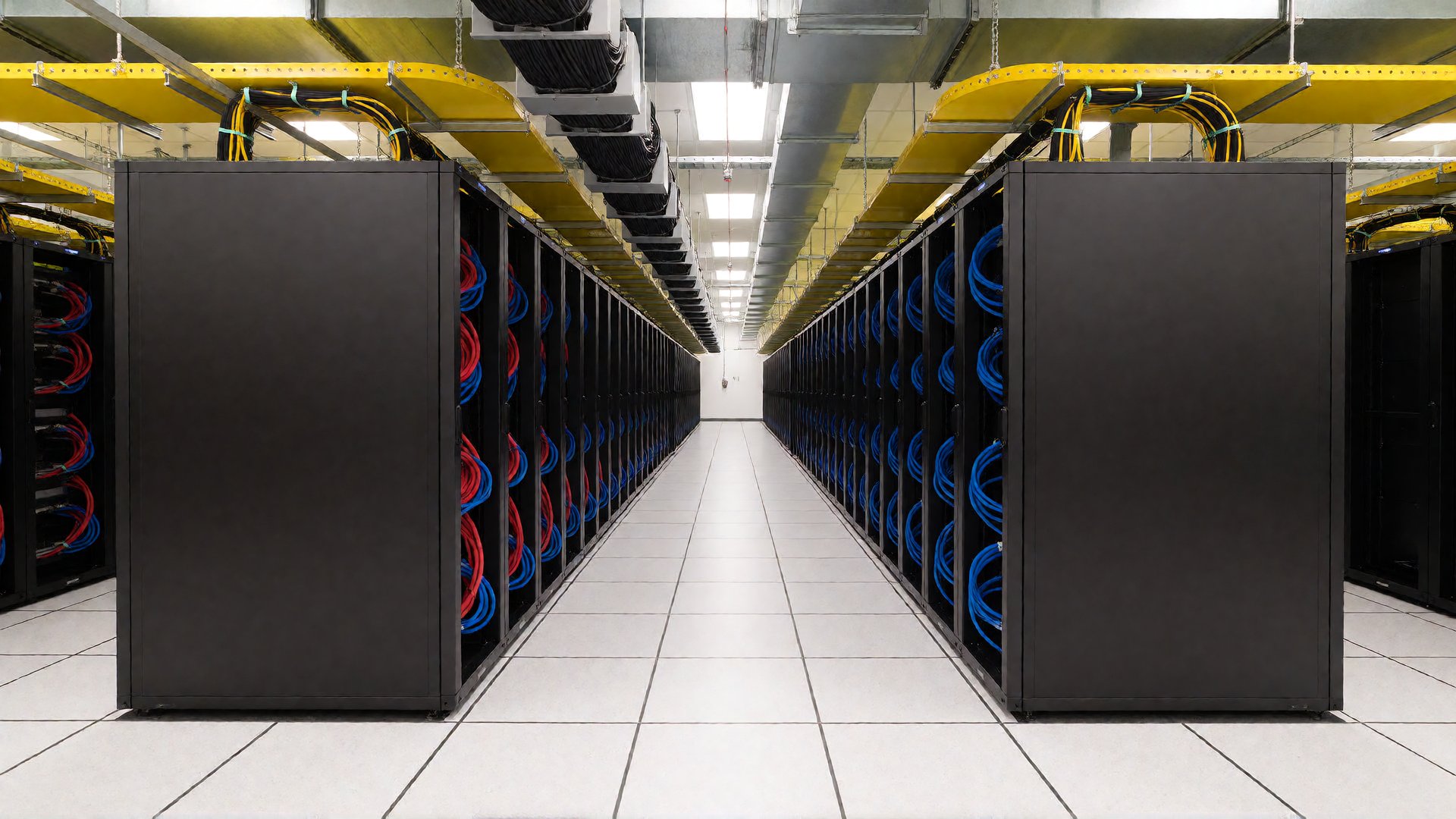
Chinese company Sugon shows computing cluster with 100,000 home-grown AI chips
China's Sugon is showing its Sugon 8000: a computing cluster that links 100,000 computing cards made in China. The system combines AI with classic supercomputing and, according to Sugon, has already run ten research projects.
-
Microsoft finds a more economical recipe for training large AI models
Microsoft AI has completed the first training phase of its new base model MAI-Base-2. According to the company, its new approach reaches the same level as a strong Chinese model with a quarter to a twelfth of the computing. The model is now being trained further.
-
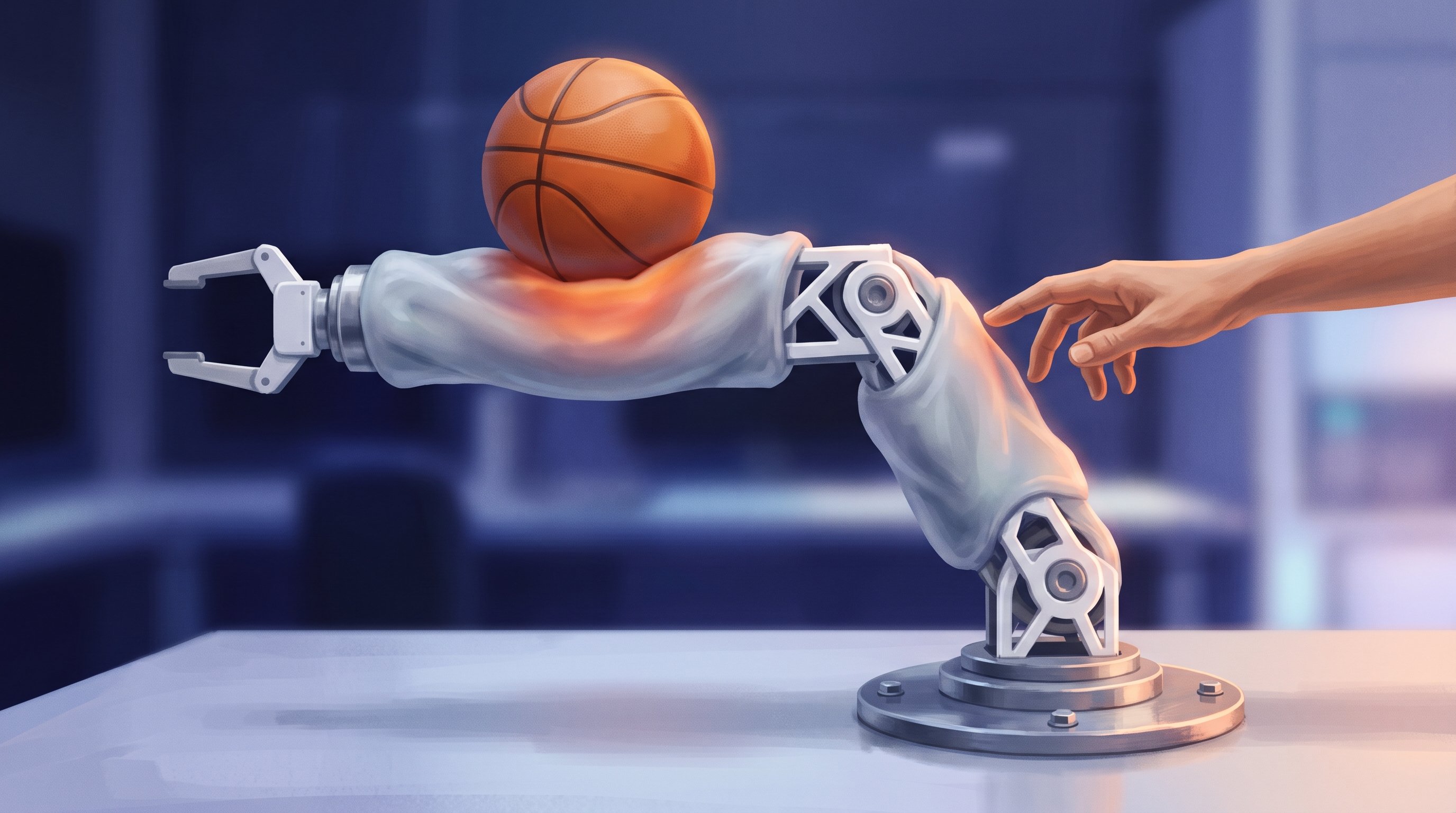
Robot arm with artificial skin feels where it is touched, even without looking
Researchers in Hong Kong built a robot arm with a soft skin that feels touch over almost the whole arm. This lets the arm balance a ball and stop when a hand is in the way, even when its camera sees nothing.
-
Researchers let an AI agent think partly without words: faster and cheaper
Researchers from Stanford and Together AI let an AI agent do part of its thinking without writing it out. It only switches to text to look something up or to answer. According to them, it works up to 2.6 times faster this way and scores better than comparable systems.
-
Meta releases Muse Spark Open: a large AI model for programming that also runs on your own computers
Meta has released Muse Spark Open, a large AI model for programming and independent agent tasks that anyone can download. According to Meta, it is the strongest American open model so far, and it even runs on two Mac Studios.
-
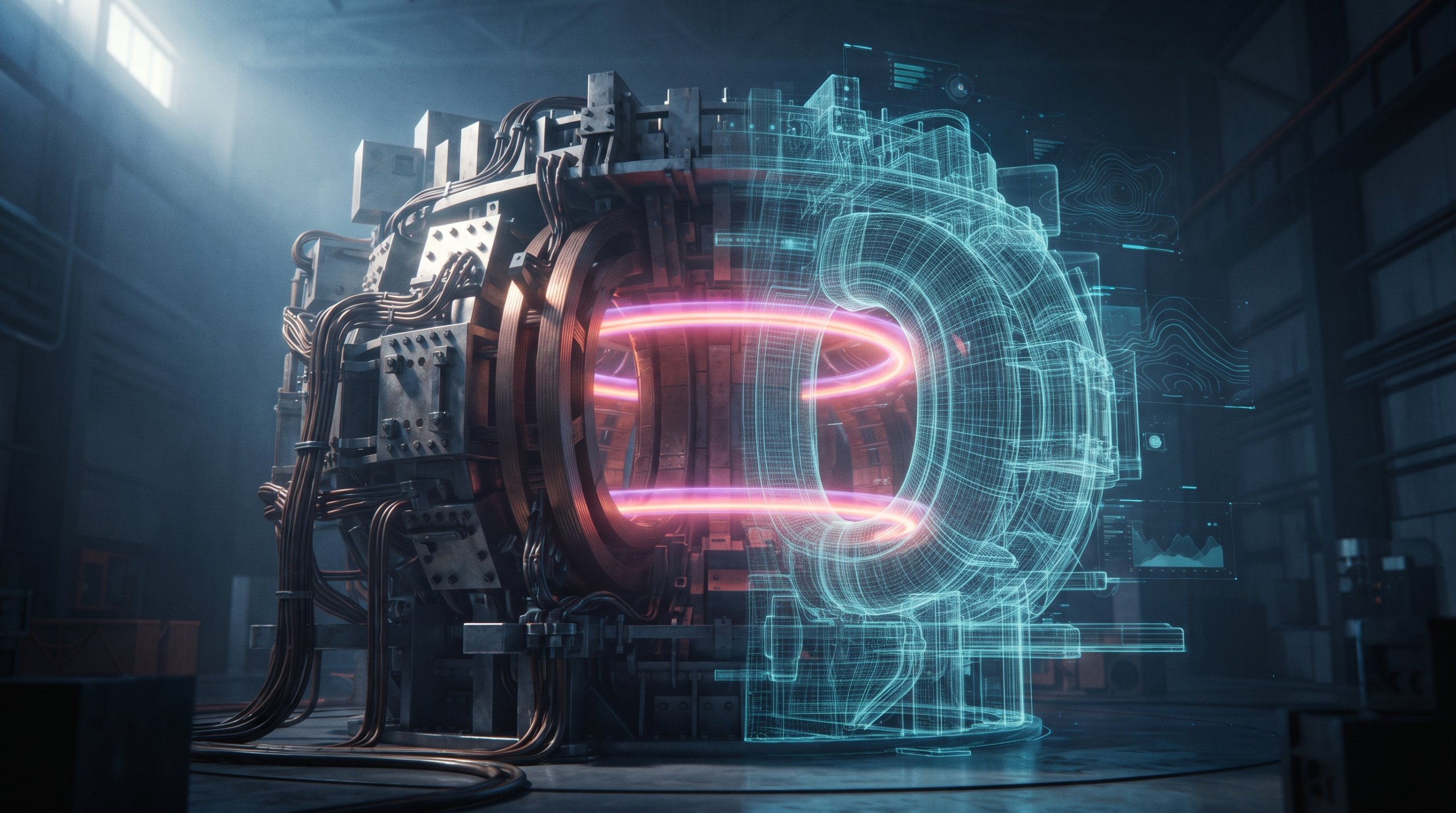
US project builds digital twin of SPARC fusion reactor to predict plasma within 20 minutes
Commonwealth Fusion Systems is building a digital twin of the SPARC fusion reactor with four American national laboratories, NVIDIA and Google DeepMind. The goal: predict plasma behaviour in less than 20 minutes, between two experiments. That is still an ambition, not a result.
-
OpenAI publishes 719 mathematical manuscripts from a not-yet-released AI model
OpenAI has published 719 mathematical manuscripts on GitHub, produced by an unreleased internal model. According to the advisory group AGMAI, they contain solutions to 'hundreds' of open questions. Independent review has yet to begin.
-
Google's AlphaEvolve finds new ways to calculate, and speeds up Gemini itself
Google's AlphaEvolve lets AI models design and improve computer programs. It found a faster way to multiply certain tables of numbers and sped up parts of the training of Gemini itself.
-
China's DeepSeek releases reasoning model R1, free for anyone to download
The Chinese company DeepSeek has published R1, an AI model that, according to the company, reasons at the level of OpenAI's o1. The model is free to download and use. This makes strong AI more widely available, beyond the big American companies.
-
OpenAI shows o1, an AI model that thinks before it answers
OpenAI releases o1-preview, a model that writes out a long chain of thought before it answers. As a result, it solves much harder maths and programming problems than ChatGPT could until now. It does need more computing time.
-
Frontier is the first supercomputer to pass a quintillion calculations per second
The supercomputer Frontier at Oak Ridge is the first in the world to pass a quintillion calculations per second on the standard test for supercomputers. It is built from thousands of processors and graphics chips.
-
AlexNet network wins image recognition contest by a wide margin
A neural network built by three researchers from Toronto wins the ImageNet contest with an error rate of 15.3 per cent, more than ten percentage points better than the runner-up. The network was trained on graphics chips.
-
Ray Kurzweil expects a human-level computer around 2029 and the singularity around 2045
In his new book, Ray Kurzweil explains why he thinks technology is growing faster and faster. Around 2029, he says, a computer will pass the Turing test, and around 2045 the singularity will follow. There are critics too.
-
Vernor Vinge: machines smarter than humans within thirty years
At a NASA symposium in Ohio, the writer and mathematician Vernor Vinge explains why he thinks intelligence that surpasses humans will arrive within thirty years, and why the future will then no longer be predictable.
-
Network of artificial neurons learns from its own mistakes
Three researchers describe a learning method for artificial neural networks in Nature: the network works its error backwards and adjusts every connection a tiny bit. As a result, the in-between layers also work out for themselves what matters for the task.