Nederlands
Gene therapy
Gene therapy adjusts or supplements the genetic material of cells to tackle a disease at its cause. It is a large field of research, with a few treatments already approved.
Many diseases are caused by a fault in a gene. A gene is a piece of DNA holding the blueprint for one protein, the molecules that do the work in the body. With gene therapy, medicine tries to tackle that fault at the source, instead of just treating the symptoms.
How does it work?
There are roughly three ways. The first is adding a working copy of a gene, for a gene that does not work properly. The second is repairing a fault in the DNA with techniques from the CRISPR family, which can change something at a chosen spot in the DNA. The third is switching a gene on or off, without changing the code itself.
The new genetic instructions have to reach the right cells. For that, researchers use a kind of delivery service, for example a virus made harmless or tiny fat droplets. Sometimes cells are first taken out of the body, modified and given back. Sometimes the modification happens in the body itself.
A change to the DNA is often permanent. That is why gene therapy is carefully assessed in advance, and doctors follow the participants of studies for a long time.
Why it matters
A one-off treatment can sometimes replace a lifetime of medication. Prime Medicine treated a patient for the first time with prime editing, a precise DNA correction, directly in the body: a single infusion is meant to repair a DNA fault in the liver in Wilson's disease (link). Another team woke up healthy genes that lie silent in Prader-Willi syndrome by removing one protein, in patients' cells and in mice (link). And in cell therapy, researchers at WEHI in Melbourne are working on immune cells that doctors can steer with two existing medicines: one helps the cells grow, the other slows them down again (link). A first study in people has yet to follow.
AI is taking part too. The US company Exin Therapeutics says that an AI agent chose a gene therapy and a brain region itself and injected them into a mouse with epilepsy (link). Many gene therapies are now being investigated further in studies, and a few have already been approved.
Articles about Gene therapy
-
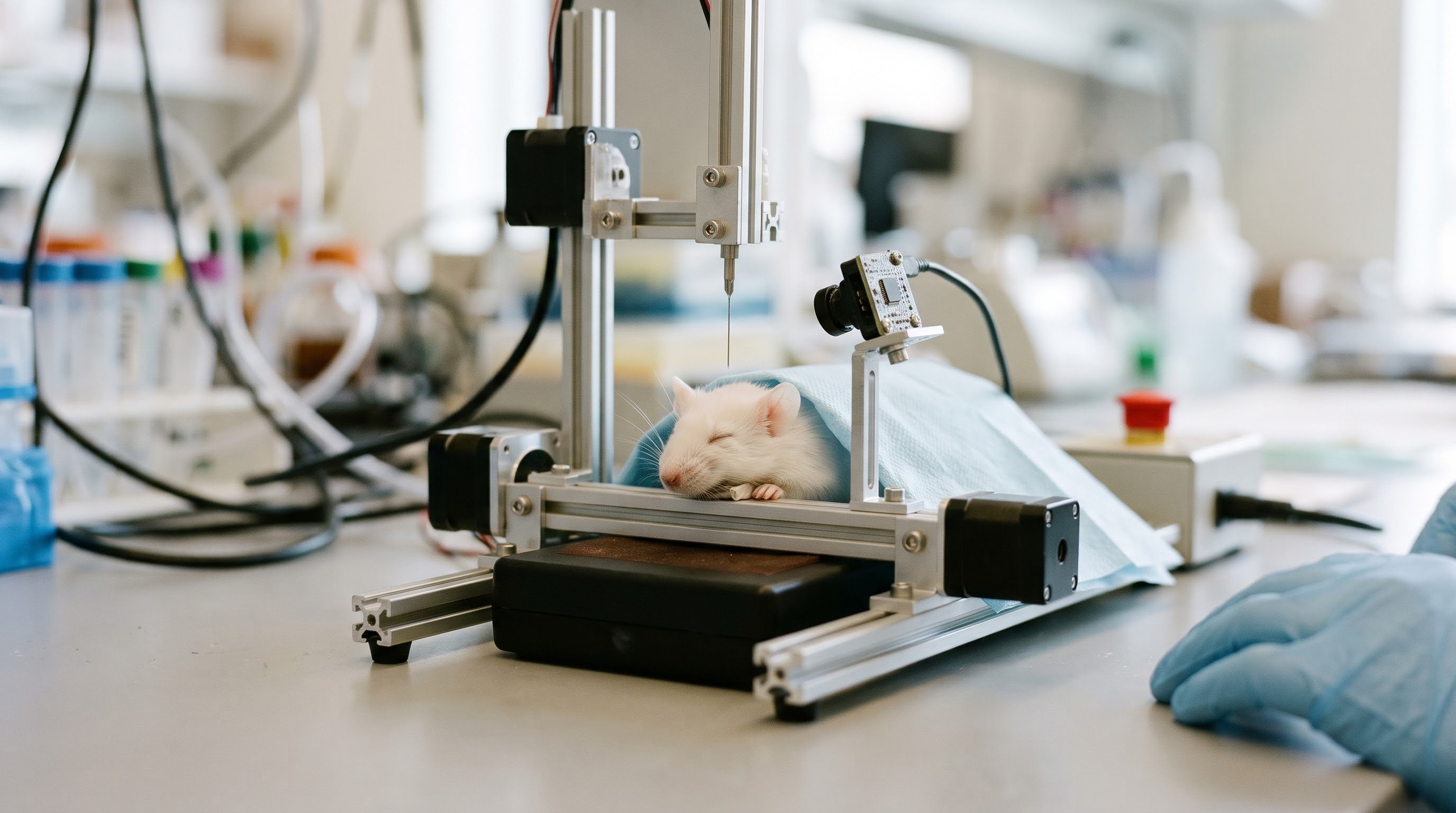
AI agent chooses gene therapy and injects the brain of a live mouse
The US biotech company Exin Therapeutics says an AI agent running on Claude Sonnet 5 chose a gene therapy and a brain region by itself and injected a mouse with epilepsy. Models from OpenAI and xAI ran the same test, each making its own choices. Now the team is measuring which therapy works.
-
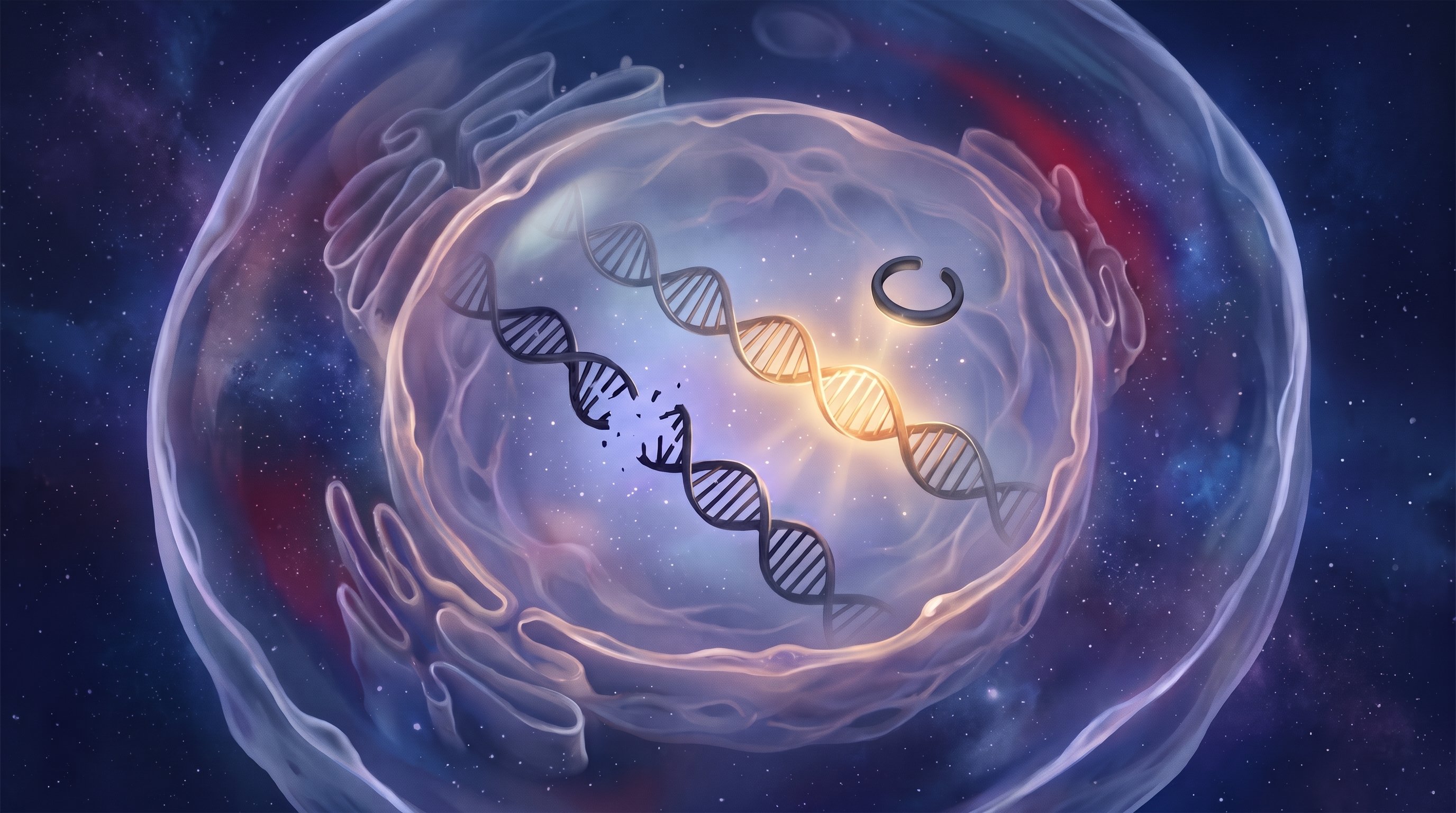
Researchers wake up silent, healthy genes in Prader-Willi syndrome
In Prader-Willi syndrome a group of genes does not work, even though every cell has a healthy back-up copy. Researchers in Melbourne switched that copy back on by removing one protein, in patient cells and in mice. Work on a medicine is now under way.
-
Hugging Face releases open AI model that lets researchers 'talk' to DNA
With Hugging Face's Carbon-X, researchers paste a piece of DNA into a chat and ask in plain language whether a change is likely to be harmful. The model is free and runs on a researcher's own computer. It is meant for research; the next step is testing in the lab.
-
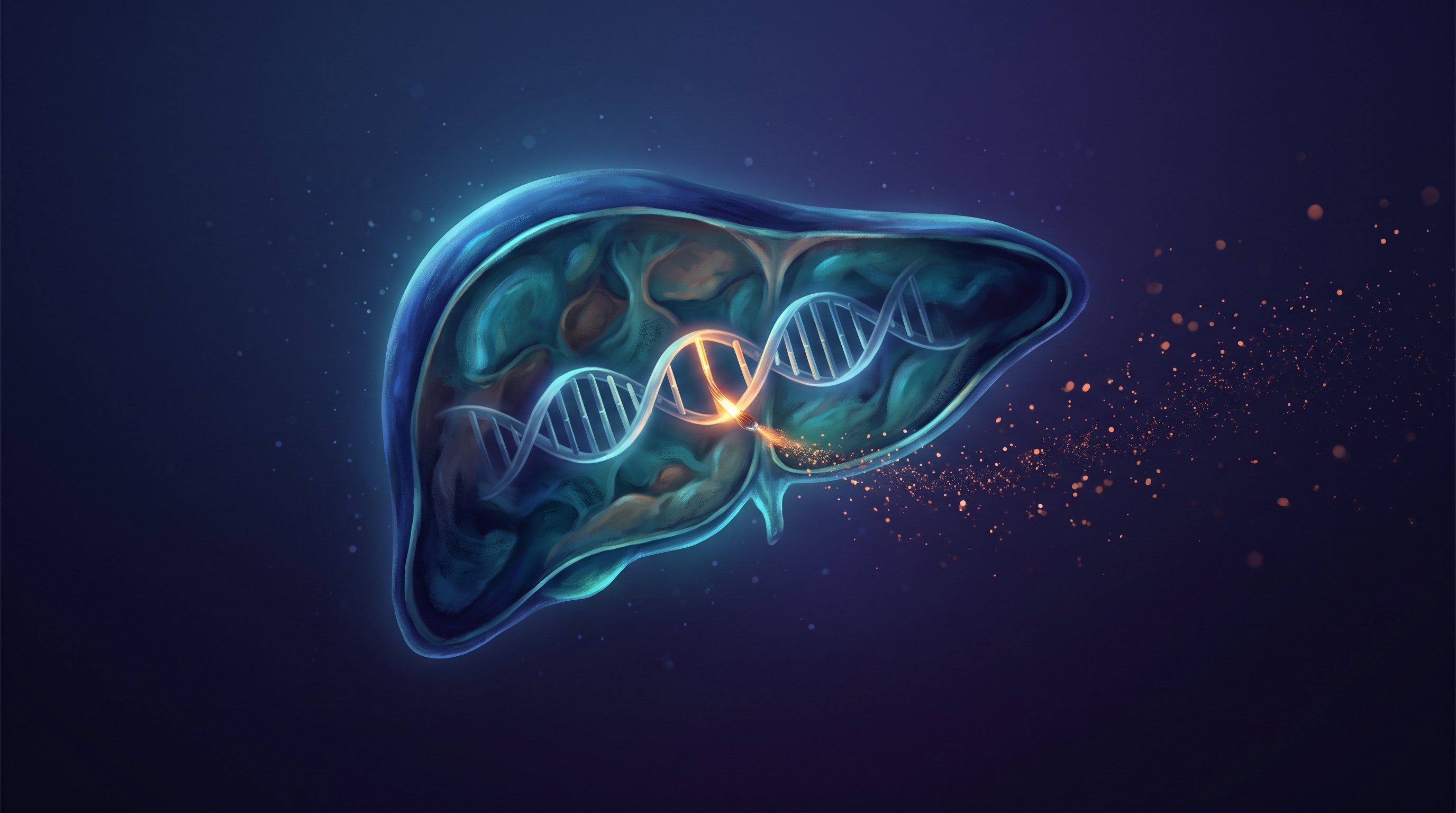
Precise DNA correction used inside a patient's body for the first time
Prime Medicine has for the first time treated a patient with prime editing directly inside the body. A single infusion is meant to repair a DNA error in the liver in Wilson's disease, an inherited copper disorder. The study has just begun; first results are expected in 2027.
-
Australian researchers give doctors a 'switch' to control immune cells as medicine
Researchers at WEHI in Melbourne have modified immune cells so that doctors can control them using two existing medications: one helps the cells grow, while the other inhibits them. The next step is a first study in humans.
-
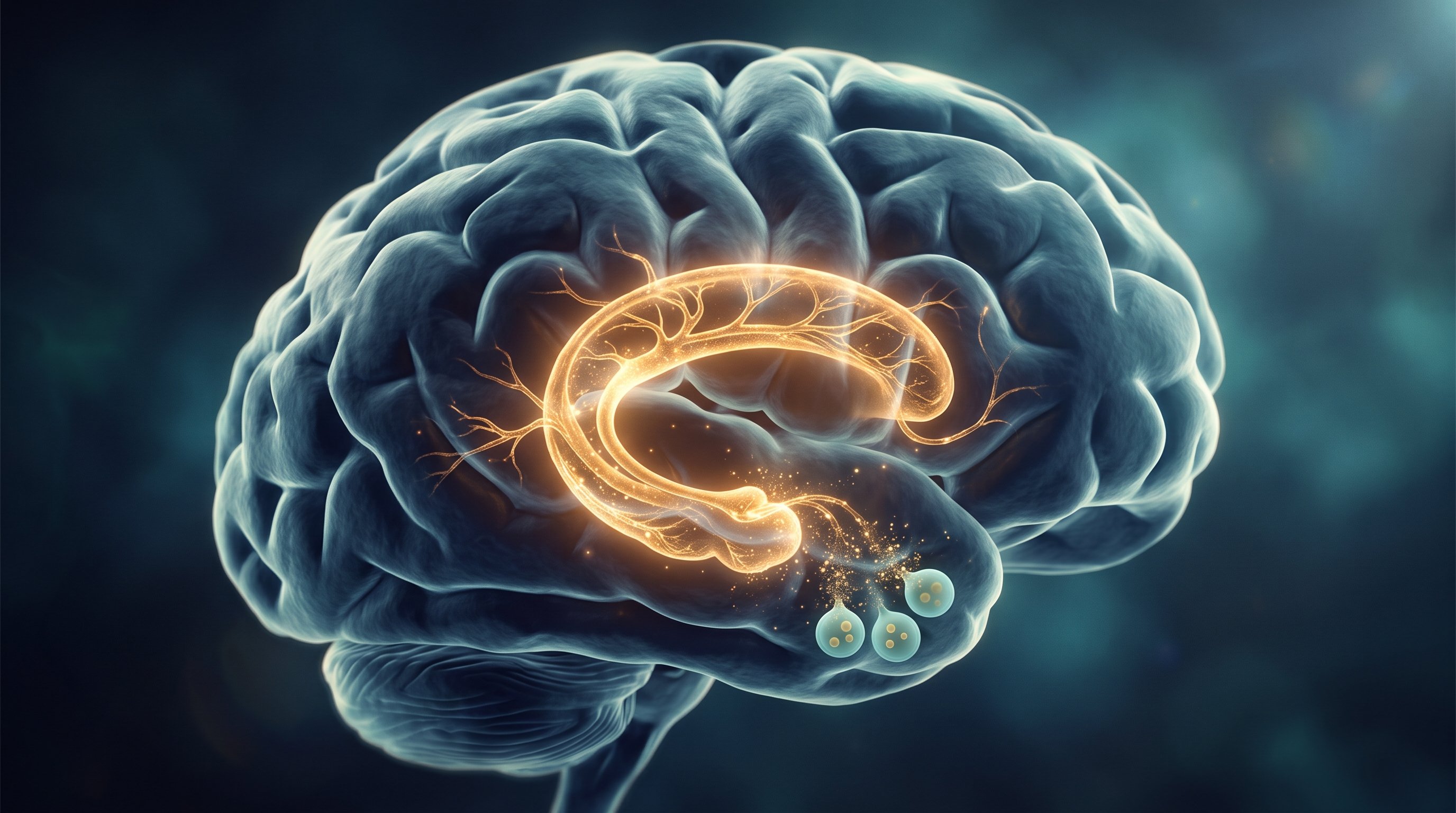
Brain enzyme helps keep memory sharp in old age
Researchers in Boston have discovered an enzyme that the brain itself makes more of as we get older, and that seems to protect memory. In old mice, an extra dose kept memory in better shape. The next step is to find out whether this can also be done safely in humans.