Nederlands
Researchers wake up silent, healthy genes in Prader-Willi syndrome
In Prader-Willi syndrome a group of genes does not work, even though every cell has a healthy back-up copy. Researchers in Melbourne switched that copy back on by removing one protein, in patient cells and in mice. Work on a medicine is now under way.
Researchers at the Walter and Eliza Hall Institute (WEHI) in Melbourne have found a new way to tackle Prader-Willi syndrome at its cause. They switch on genes that are turned off in this condition, by removing a protein that acts as a brake. This worked in cells from patients and in mice. The research was published in the journal Science Advances; WEHI announced it on 27 October.
A healthy copy that stays silent
Prader-Willi syndrome is a rare condition that people are born with. About 400,000 people worldwide live with it. Children with the syndrome develop more slowly, often have an intellectual disability and feel a hunger that never goes away, so they quickly become far too heavy. At the moment doctors can only treat the symptoms, with medicines, operations and a lot of care.
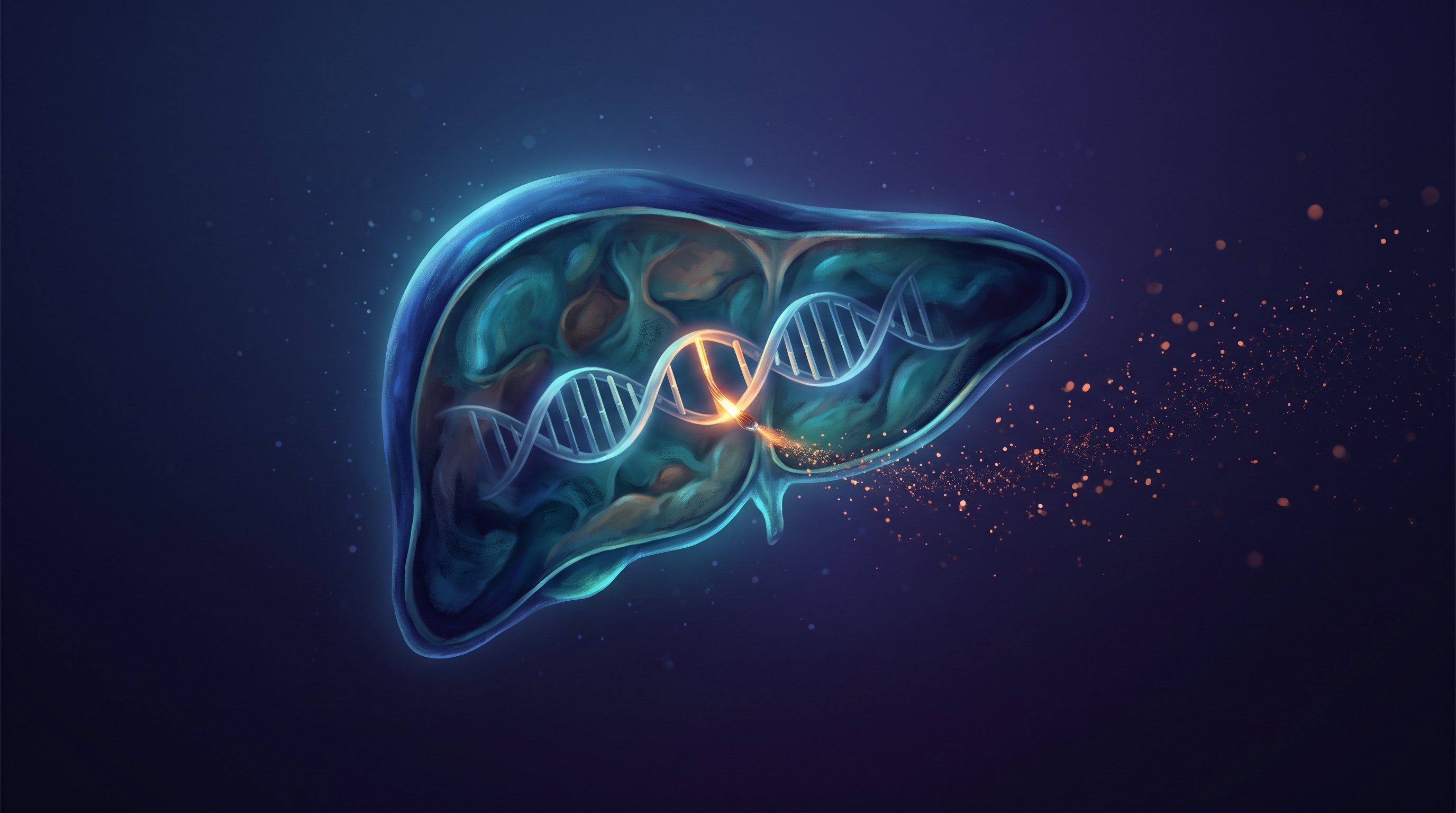
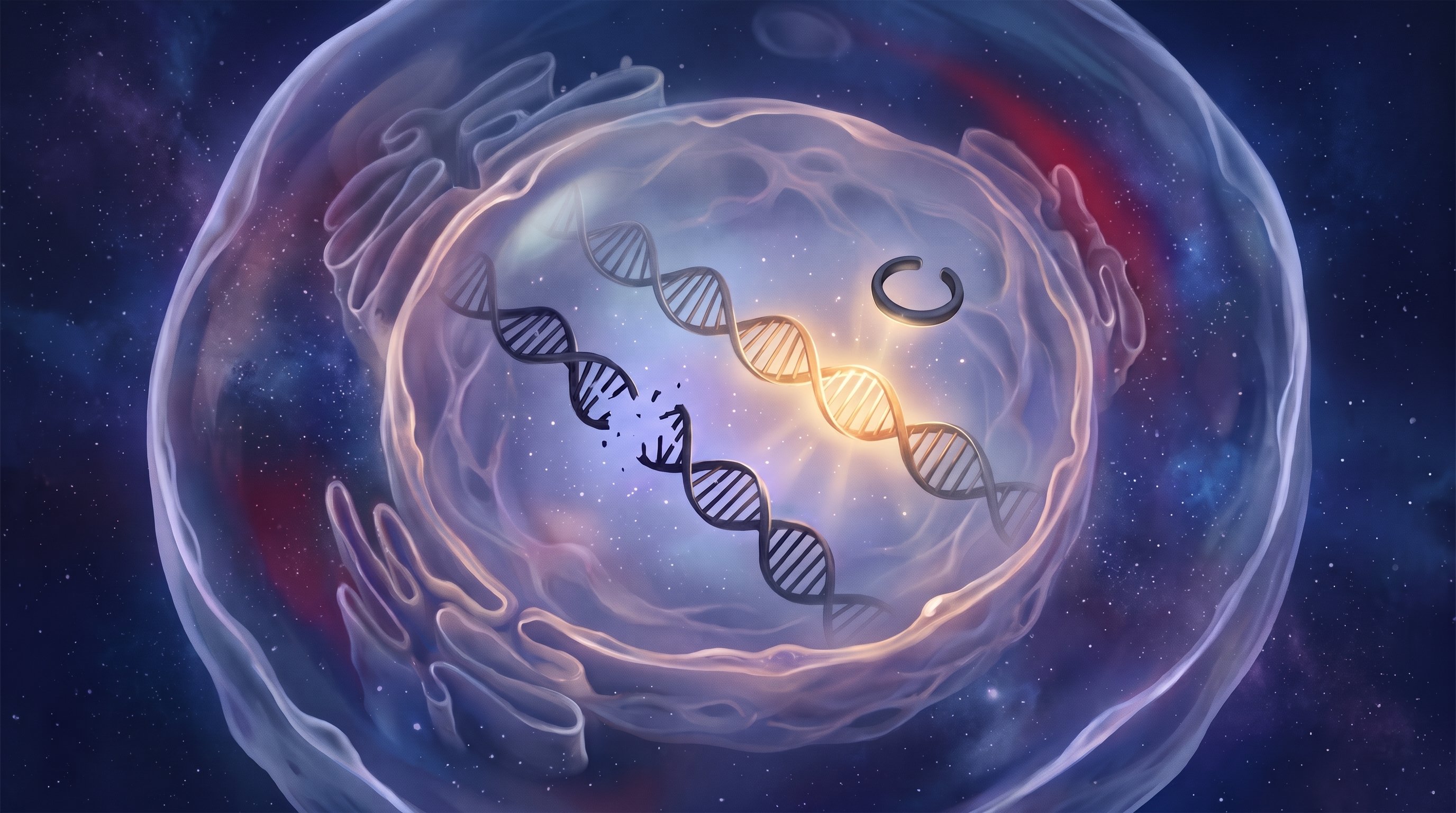
The cause lies in a small group of genes on chromosome 15. You have two copies of every gene: one from your father and one from your mother. For this group, normally only the father's copy works; the mother's copy is always switched off. In people with the syndrome, the father's copy is missing or does not work. The mother's copy is there and is healthy, but it stays silent.
The researchers' idea: switch that silent copy on, and it can take over the work.
Removing a brake
The protein SMCHD1, discovered at WEHI in 2008, helps to keep genes switched off. The team of Professor Marnie Blewitt has now shown that this protein keeps the mother's entire group of Prader-Willi genes silent, in humans and in mice. To do this they used, among other things, CRISPR, a technique for making targeted changes to genes, and stem cells from patients, from which they grew nerve cells.
When they removed SMCHD1, the silent genes switched back on. This happened in nerve cells from patients and in the brains of mice, including the part of the brain that controls hunger. It also worked when the protein was only removed after the brain had already developed. That is important, because treatment usually only starts after birth.
What it did in mice
The researchers studied mice with a form of the syndrome in which SMCHD1 had been removed in the brain. According to an earlier version of the study, about half of the females returned to a normal weight. These mice also became stronger and moved with better coordination. A difference in how the mice behaved towards their cage mates disappeared completely in both males and females. And this happened even though the genes were not yet fully switched back on.
Removing a protein that also keeps other genes switched off can carry risks. According to the team, little changed outside the Prader-Willi genes, and the mice grew up normally into adult animals. The approach also does not seem to cause another condition that arises in the same small part of the chromosome, Angelman syndrome. Blewitt says they already thought the sleeping genes could be woken up, but did not know whether that could be done safely.
From lab to medicine
So far the research has been done in the lab and in mice. The next step is a medicine that slows down SMCHD1 in humans. Togglelux Therapeutics, a company that WEHI set up for this purpose, is working on it. The research was partly funded by two foundations set up by patients' families, in Australia and the United States. Kathlene Jones of the Australian foundation says that a treatment that tackles the cause instead of the symptoms would be an enormous change.
What does this mean for the road to the singularity?
For many conditions that people are born with, a broken gene cannot simply be replaced. This research shows another route: getting a healthy copy that is already in every cell to work again. The fact that it still had an effect in mice after the brain had developed makes a treatment for children with the syndrome much more realistic. If a safe medicine can be made, doctors will be able to do something about the cause of Prader-Willi syndrome for the first time, and perhaps later also about other conditions in which a healthy copy lies silent.
What is the technological singularity? Read the explanation →