Nederlands
Brain enzyme helps keep memory sharp in old age
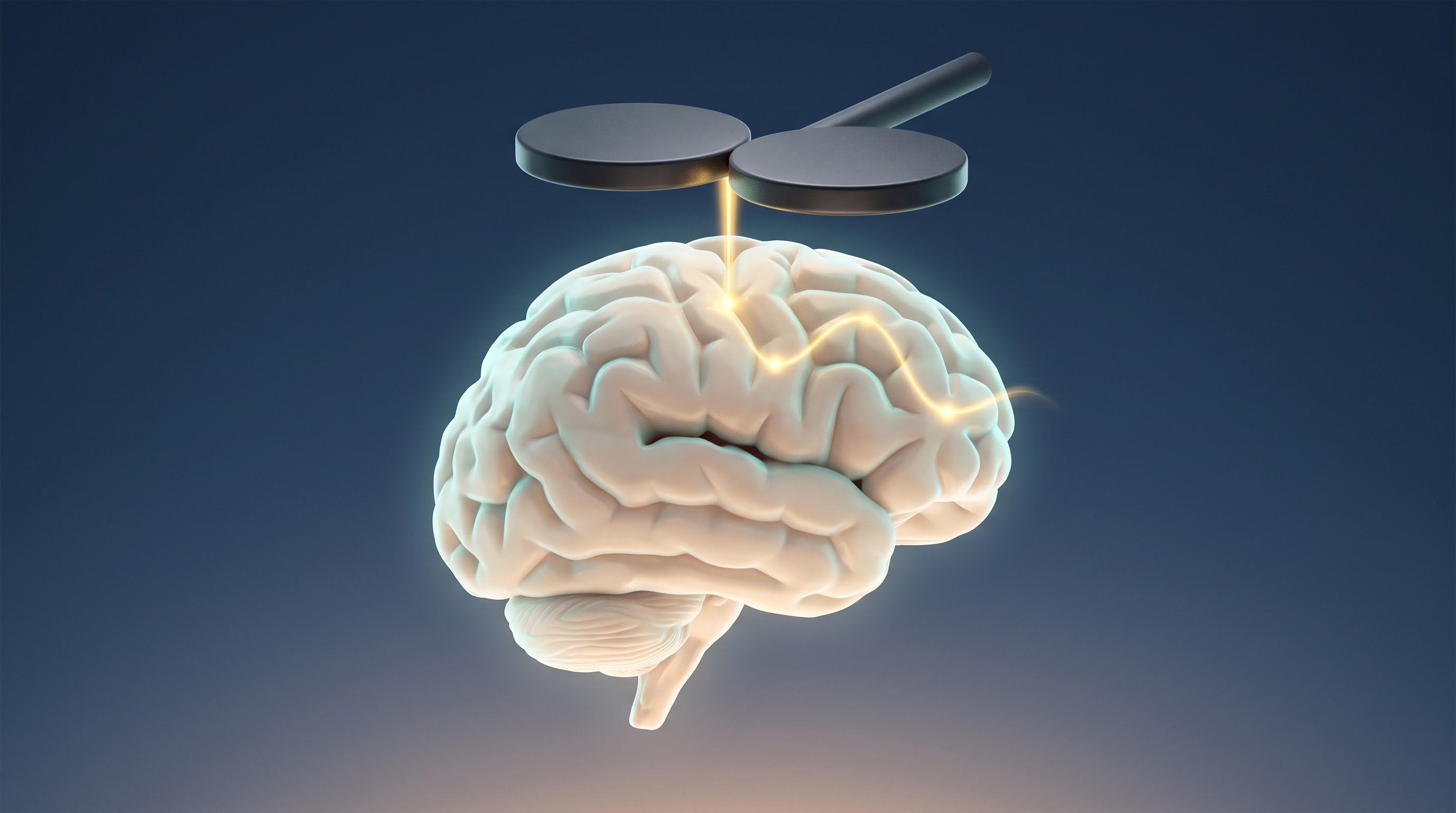
Researchers in Boston have discovered an enzyme that the brain itself makes more of as we get older, and that seems to protect memory. In old mice, an extra dose kept memory in better shape. The next step is to find out whether this can also be done safely in humans.
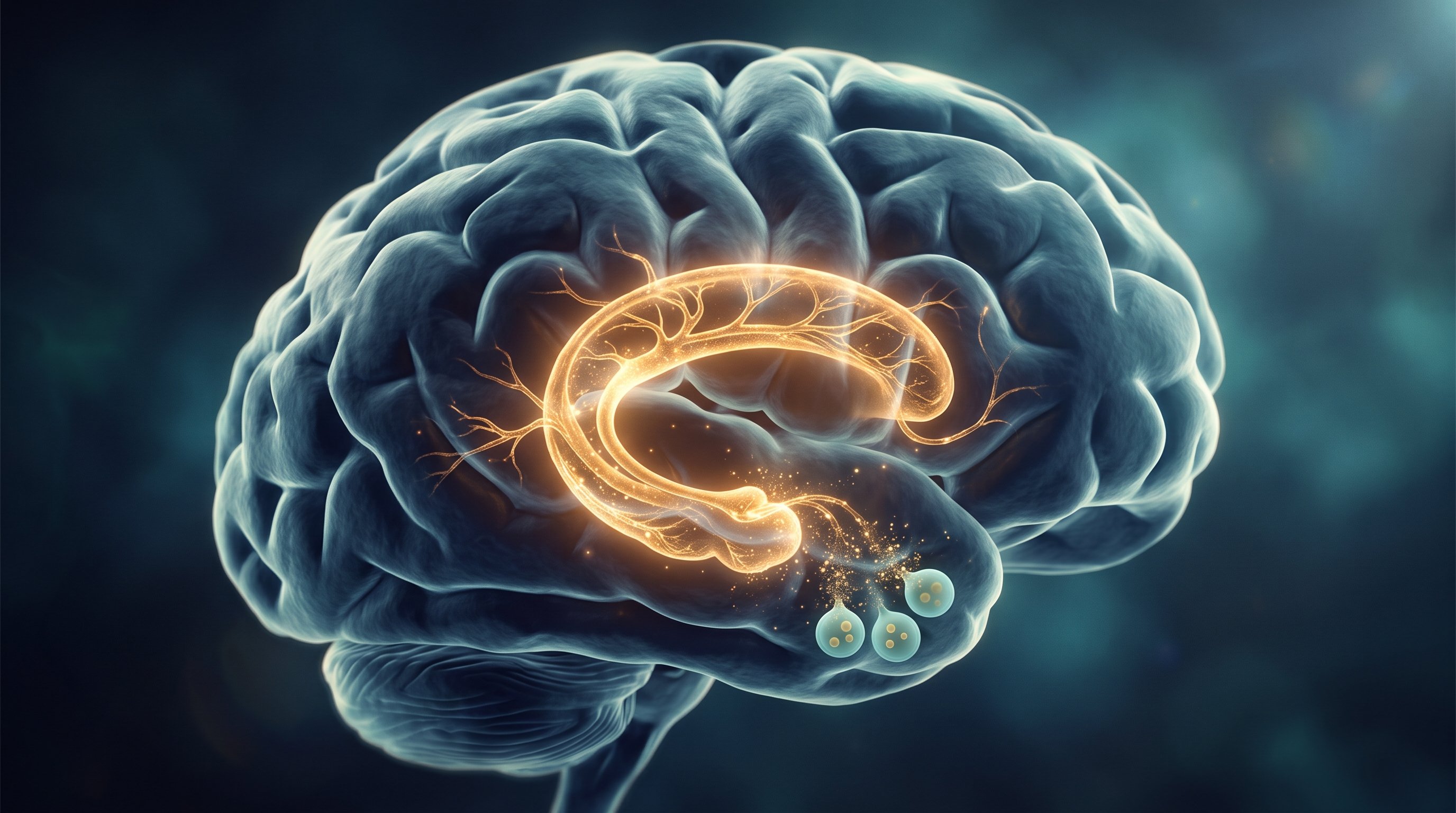
Why does one eighty-year-old stay as sharp as a fifty-year-old, while another forgets more and more? Researchers at Mass General Brigham and Harvard think they have found part of the answer: an enzyme that the brain itself starts to make as it gets older, and that protects memory. Their research appeared on 15 October 2026 in the journal Nature Neuroscience.
The enzyme is called PLA2G2F. In young mice, it can hardly be found in the brain. In old age, it appears in the hippocampus, the part of the brain that stores new memories. According to the researchers, this is no coincidence, but a kind of built-in repair mechanism.
Fat that builds up in the brain
To understand what the enzyme does, it helps to know first what goes wrong in an ageing brain. Connections between nerve cells, the so-called synapses, disappear. A smouldering inflammation develops. And the processing of fats goes wrong.
That last point is seen mainly in the microglia, the brain's clean-up cells. They clear away waste and support the nerve cells. With ageing, fat droplets build up in these cells, a bit like a drain that slowly clogs up. A clean-up cell full of fat does its job less well and actually keeps the inflammation going. That increases the risk of memory problems and Alzheimer's disease.
PLA2G2F is an enzyme that can cut and convert fats. The nerve cells release it into their surroundings, so that it also works on the cells around them.
Less enzyme, faster forgetting
The team, led by Cinzia Vicidomini and Amar Sahay, tested in mice what happens when the enzyme is removed or when extra is made.
Without the enzyme, the mice's brains aged faster. More connections were lost, the inflammation increased, new brain cells matured less well and more fat built up. The animals were also worse at remembering where an object had been, a classic memory test for mice.
When the researchers gave old mice extra enzyme instead, many of those changes did not occur and their memory stayed in better shape. One thing stood out in particular: when middle-aged mice were given the extra enzyme before their memory noticeably declined, the decline afterwards followed a different course. A version of the enzyme that could no longer cut had no effect. So it really is the action of the enzyme that makes the difference.
A trace in humans too
In humans, the researchers found a similar pattern. In brain tissue from older people who had died, the enzyme turned out to increase with age in the hippocampus. The level was higher in older people who did have the typical Alzheimer's changes in their brains, but remained mentally clear until the end.
The researchers also worked with human clean-up cells that they had grown in the lab from stem cells. There too, more activity of the enzyme led to fewer fat droplets and fewer cholesterol esters, fatty substances that are often found in Alzheimer's.
What still needs to happen
The experiments in which the enzyme was increased were done in mice, using a virus that delivered the gene to the brain. In humans, it is so far a correlation: older people with a lot of the enzyme stay clear-headed more often, but that does not yet prove that the enzyme is the cause. According to the researchers, more research is needed to determine whether this approach can be safely translated into a treatment for patients. They are now looking for safe ways to increase the enzyme in the ageing brain. Sahay and Vicidomini have applied for a patent on this approach.
The research fits into a broader search for 'superagers', people who keep an excellent memory into old age. Earlier in 2026, other researchers discovered that such people have about twice as many young nerve cells in their hippocampus as people of the same age.
What does this mean for the road to the singularity?
This research shows that the brain does not just passively wear out, but fights back with its own means of protection. Those who know those means may be able to strengthen them. That is a different and hopeful way of looking at memory loss: not only limiting damage, but giving the brain's own resilience a push.
Discoveries like this are being made faster and faster thanks to techniques that can read out which genes are switched on in each brain cell, and thanks to computer analyses that find patterns in thousands of fatty substances at once. AI is also playing a growing role in searching through those enormous amounts of data. The next steps are research in larger groups of people and a safe way to increase the enzyme. If that succeeds, a future comes closer in which a sharp memory in old age is the rule rather than the exception.
What is the technological singularity? Read the explanation →