Nederlands
Australian researchers give doctors a 'switch' to control immune cells as medicine
Researchers at WEHI in Melbourne have modified immune cells so that doctors can control them using two existing medications: one helps the cells grow, while the other inhibits them. The next step is a first study in humans.
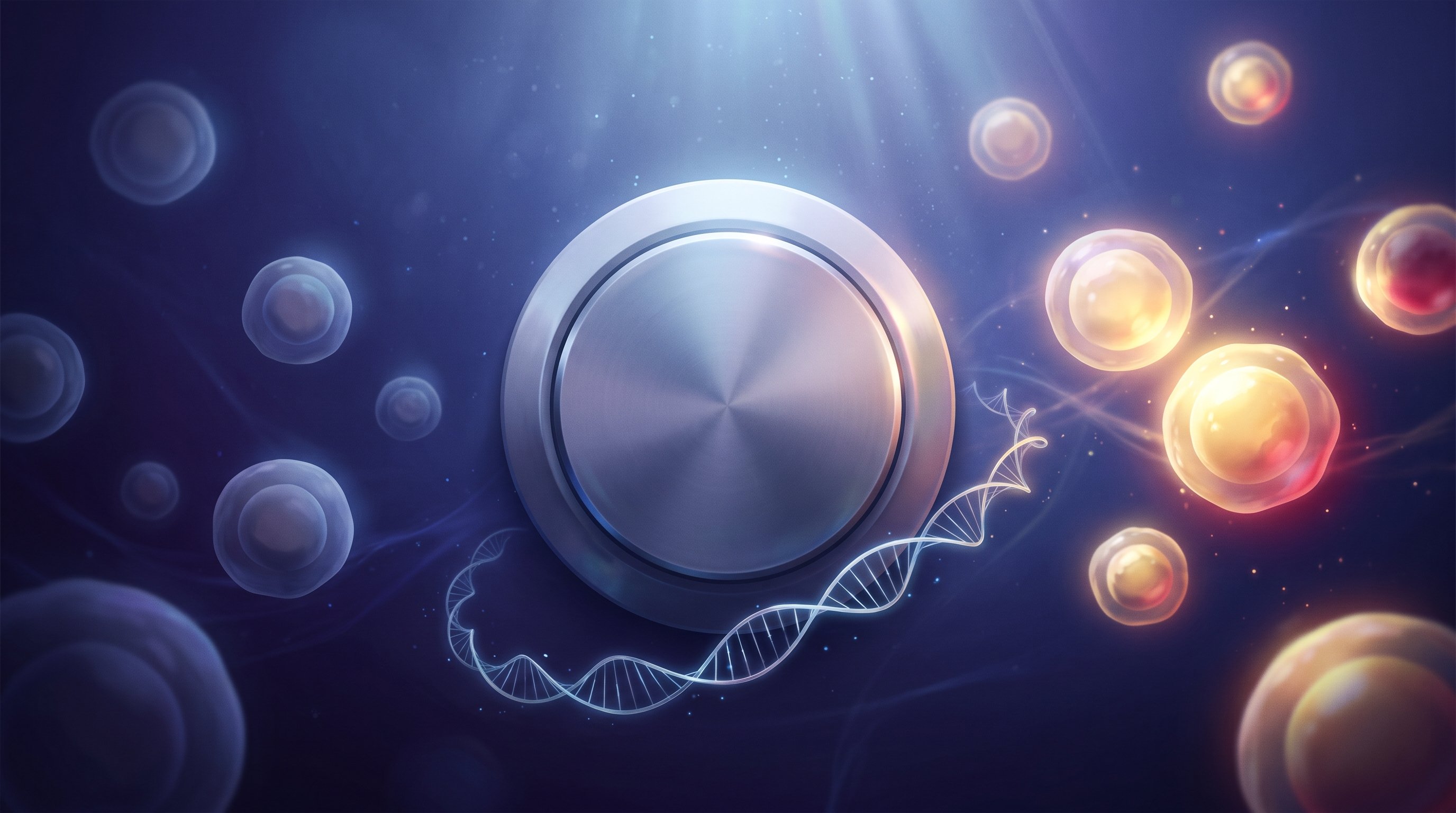
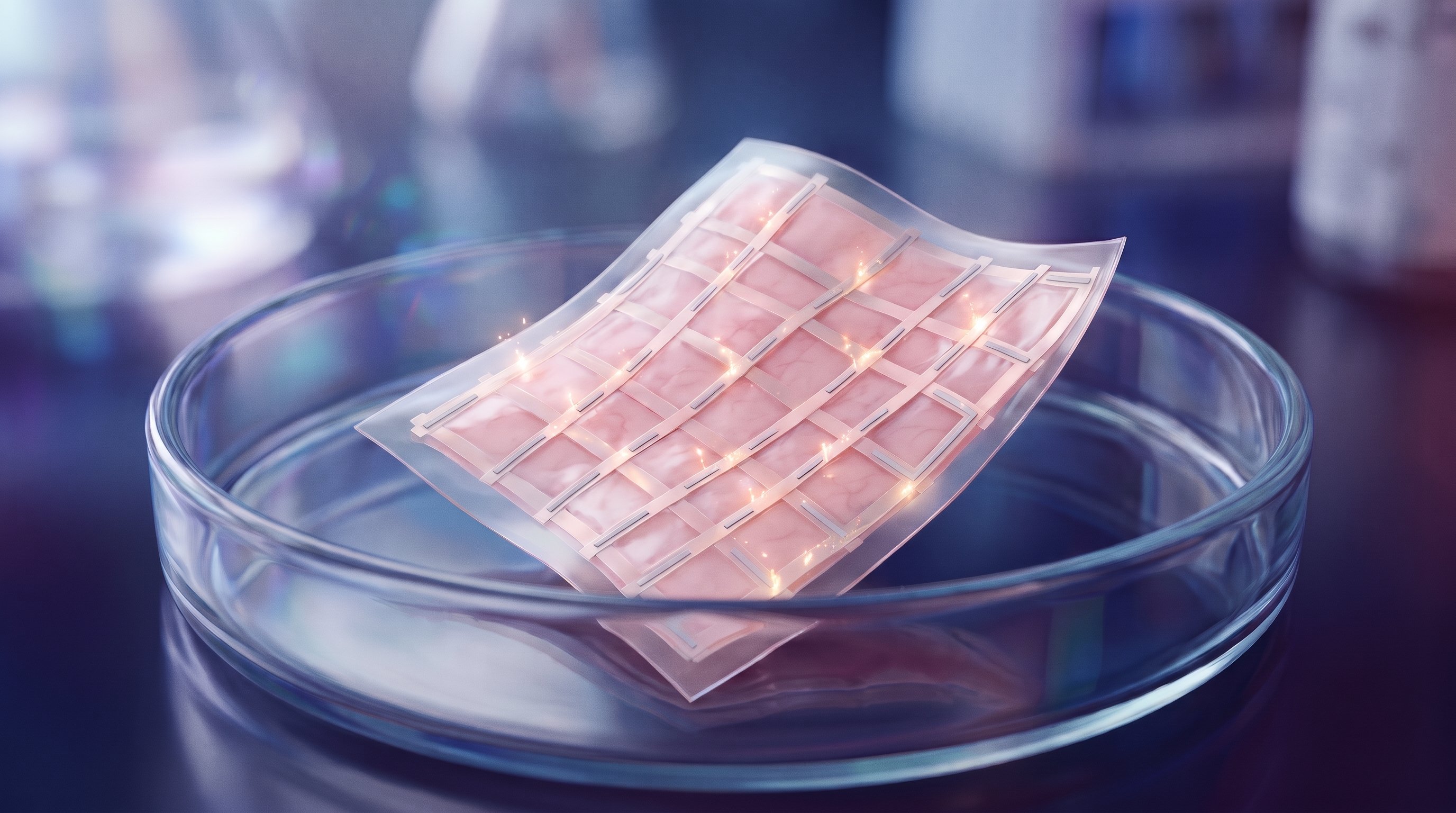
An increasing number of diseases are being treated with living cells as medicine. Doctors extract immune cells from the blood, modify them in the laboratory, and return them to the patient. Such cells can attack cancer or clear viruses. A well-known example is CAR-T therapy for blood cancer.
There is only one difficult point. Once in the body, the cells do their own thing. If they work too hard or differently than expected, the doctor has few ways to rein them in. Furthermore, in patients who take medications that suppress the immune system, for instance after a transplant, the new cells themselves are inhibited.
Researchers at the Australian institution WEHI in Melbourne have devised a clever solution to this problem. They published their work in the journal Blood.
Two well-known medications as a switch
The researchers use two medications that doctors have known about for years: tacrolimus and ciclosporine. Both inhibit the immune system. They are widely used after organ transplants to prevent rejection.
The team modifies the immune cells so that tacrolimus has no effect on them. However, they remain sensitive to ciclosporine. This creates a kind of switch in the hands of the doctor:
- If the patient receives tacrolimus, the patient's own immune cells are inhibited, but the modified cells can simply do their job and grow.
- If the modified cells behave differently than intended, the doctor can switch to ciclosporine. This does inhibit the modified cells.
The major advantage is that no new medication is required. According to the researchers, this makes the step to the hospital much smaller.
Precise cuts in DNA
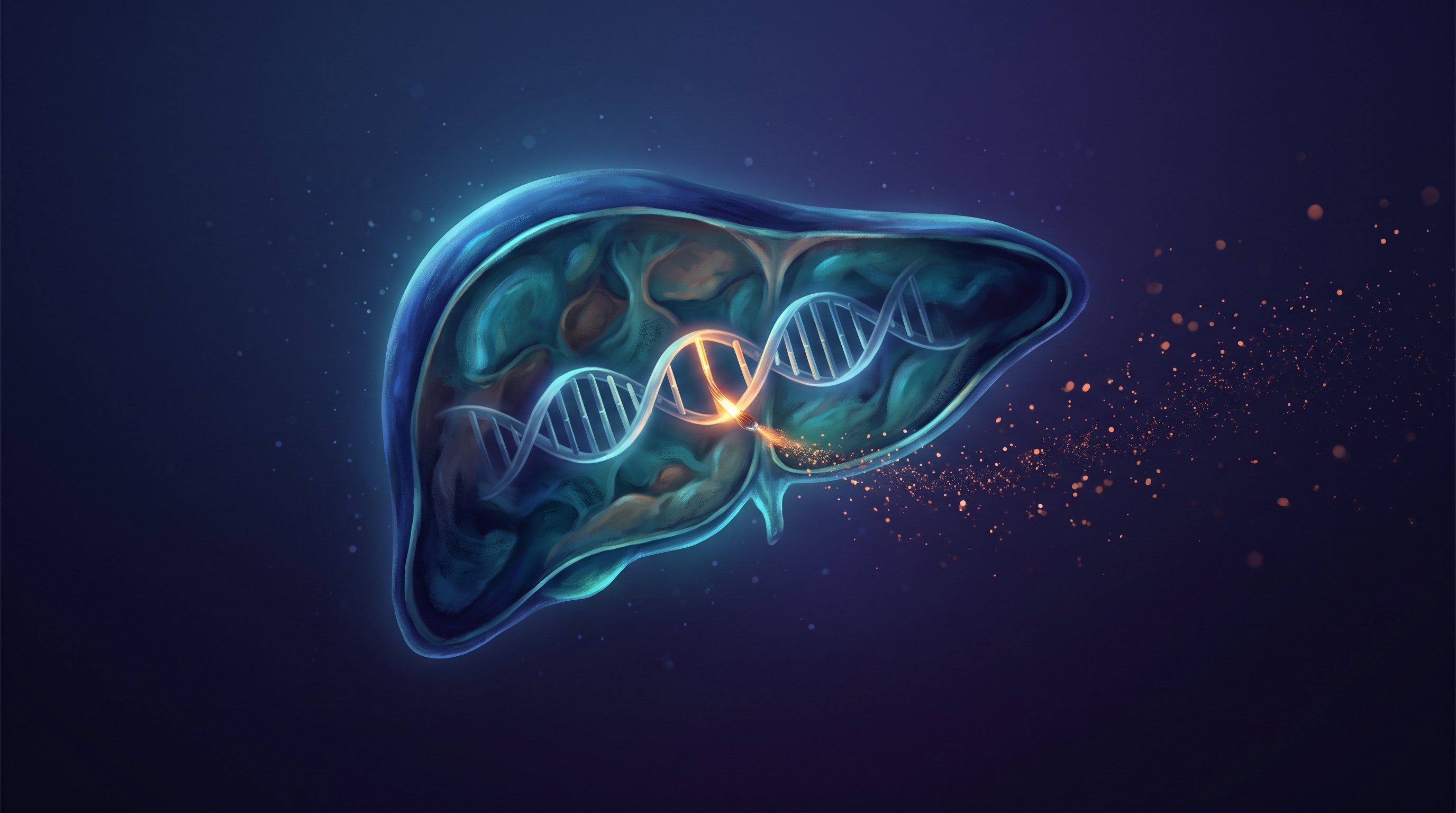
For the modification, the team used prime editing. This is a new, extra precise form of genetic cutting and pasting. Where the well-known CRISPR scissors cut the DNA, prime editing works more like the find-and-replace function in a word processor: it changes a few letters in the DNA without cutting the strand entirely.
With this technique, the researchers were able to do two things at once. In immune cells from people with a rare and serious form of blood cancer, they improved the DNA error that causes the disease. Simultaneously, they made the cells insensitive to tacrolimus. The idea is that the restored cells can then replace the diseased cells, while the patient receives tacrolimus.
Also for other cell therapies
The team also tested the same approach on two other types of cell therapies. The first are immune cells targeted at a virus. These can help people who have received a donor organ to fight an infection without having to stop their medications against rejection. The second are CAR-T cells against cancer.
According to lead researcher Tom Lew, who also works as a haematologist, the idea comes directly from clinical practice: doctors want more control over cell therapy using resources they already know. Colleague Miles Horton, a paediatrician, points out that the method is broadly applicable.
Next steps
The research was conducted in the laboratory, using cells from patients. The team is now working towards a first study in humans. It must be shown there how well the switch works in the body and how long the modified cells remain active.
What does this mean for the road to the singularity?
Cell therapy is changing medicine: instead of a pill, the patient receives living cells that do the work themselves. This research makes such a treatment easier to control, and thus safer. The fact that it can be done with two old, well-known medications makes it extra practical.
AI can greatly accelerate this kind of work in the coming years. Models that understand DNA and proteins already help in choosing the right location for a modification and in estimating whether a cut causes damage elsewhere. And an AI model that understands both genetics and transplant medicine can more quickly see that a medication from one corner of the hospital can be a solution to a problem in a completely different corner, as happened here. In this way, precise, controllable cell therapies are getting closer for more patients.
What is the technological singularity? Read the explanation →