Nederlands
Immunotherapy
Immunotherapy is a treatment that uses or adjusts the body's own immune system to fight a disease, especially cancer. Examples are drugs that switch immune cells back on, modified immune cells and tailor-made vaccines.
The immune system clears away sick and damaged cells every day. Sometimes it does not recognise a disease, or it is held back. Immunotherapy tries to change that: the treatment adjusts the immune system, rather than attacking the disease directly.
How does it work?
There are several kinds. What they share is that the immune system does the work.
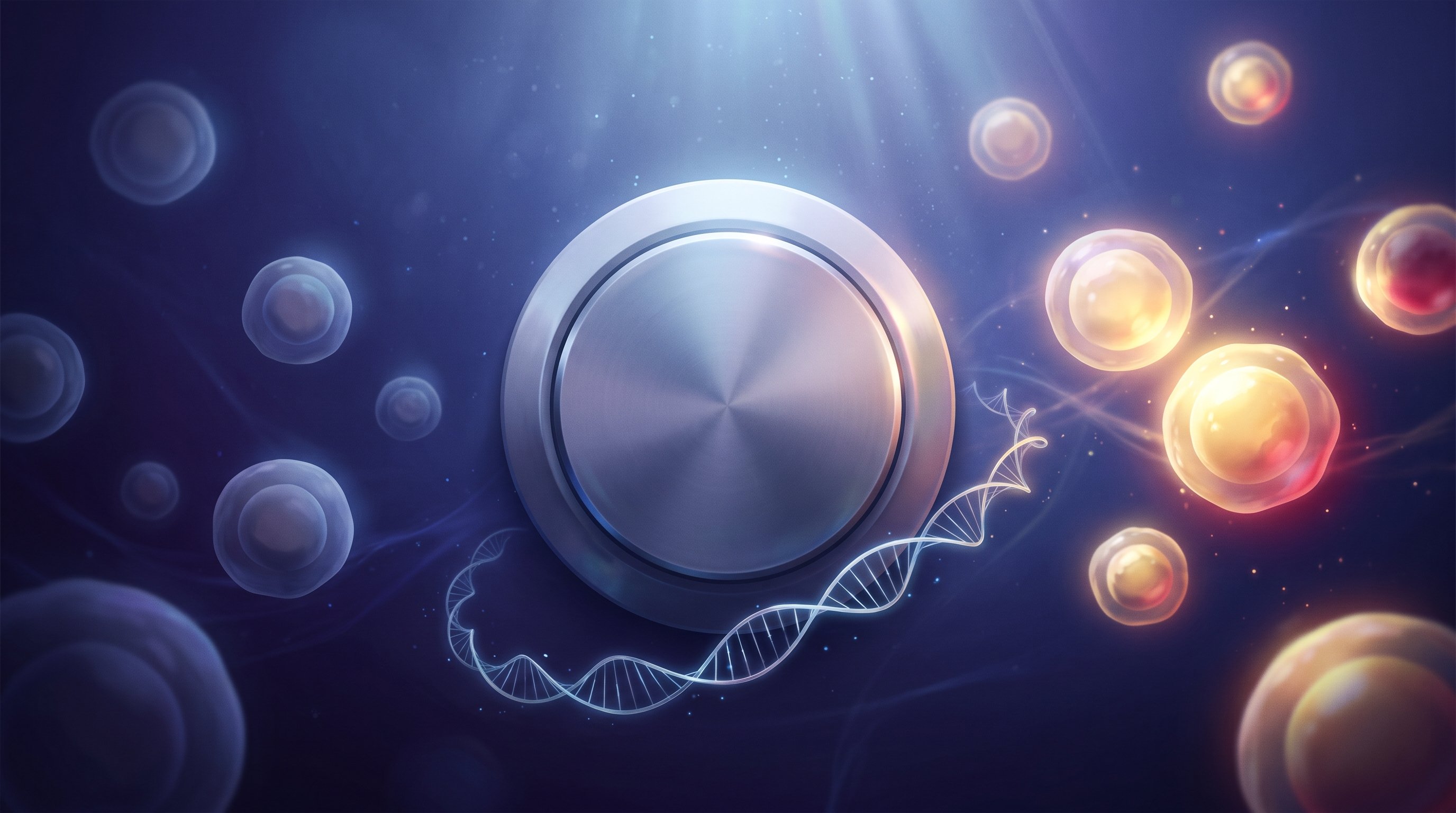
- Drugs that switch immune cells back on. Cancer cells can press a button that switches immune cells off. Drugs such as Keytruda block that button, so that the immune cells go back to work.
- Modified immune cells. Doctors take immune cells from the blood, modify them in the lab and give them back. A well-known example is CAR-T therapy for blood cancer.
- Tailor-made vaccines. Such a vaccine teaches the immune system to recognise a feature of the tumour. This can be done with mRNA, a piece of genetic code that gives the cell a building instruction.
The immune system needs time to learn. The effect of a treatment can therefore often only be seen after months. Immunotherapy can also make the immune system too active, causing side effects. Doctors weigh that up for each patient.
Why it matters
Immunotherapy is one of the major developments in cancer treatment, and researchers are now looking at other diseases too.
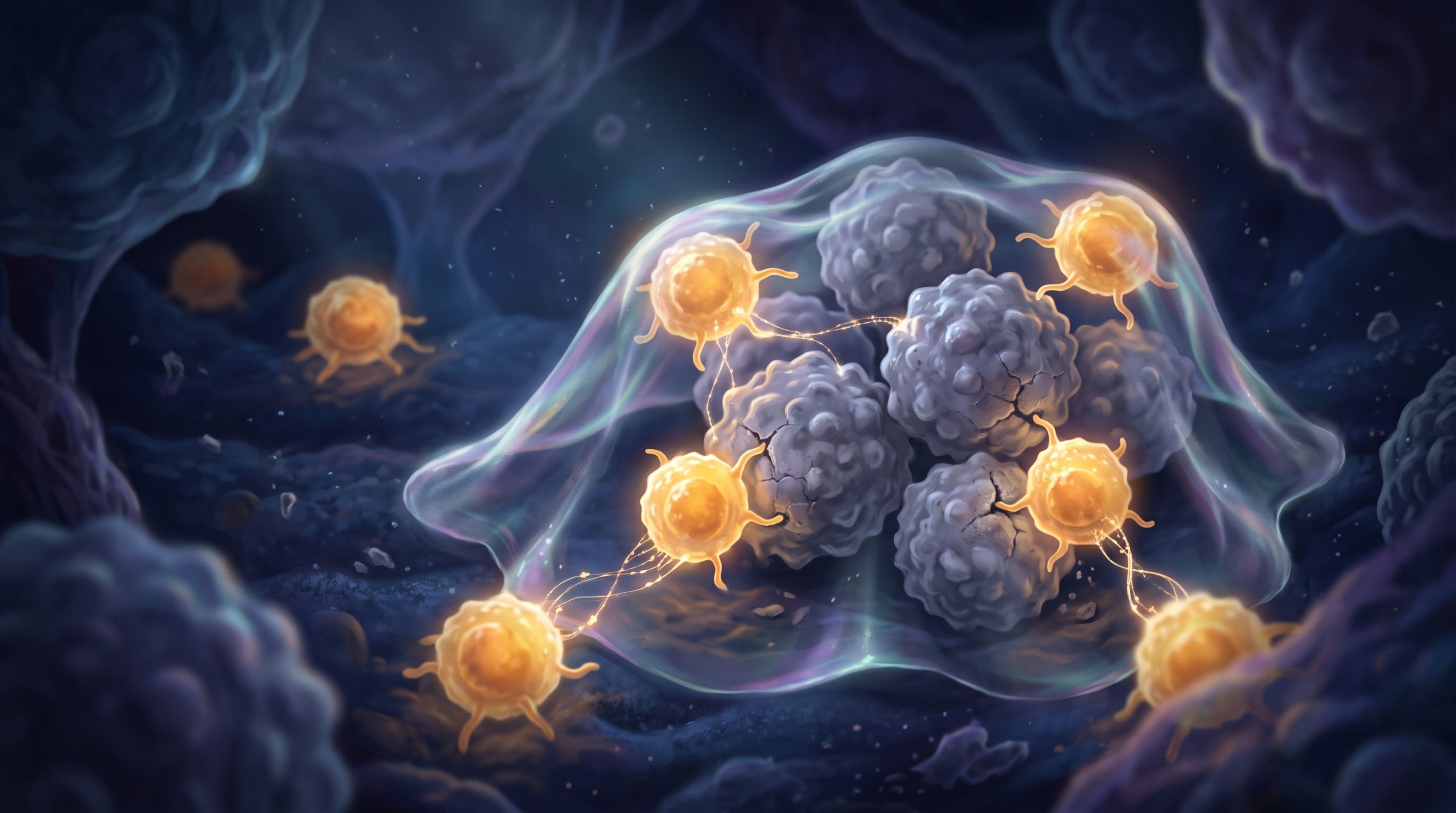
In a large study of 1,137 people with melanoma, for example, a personal mRNA vaccine reduced the chance of recurrence or death by 42 per cent, as an addition to the usual treatment (link). Clues come from the lab too. Australian researchers found that a little-known kind of immune cell can track down small-cell lung cancer, even when it hides from the rest of the immune system. Two existing drugs made that attack stronger in the lab (link). Researchers at WEHI in Melbourne went a step further: they modify immune cells so that doctors can steer them with two existing drugs. One drug helps the cells grow, the other slows them down again. The next step is a first study in people (link).
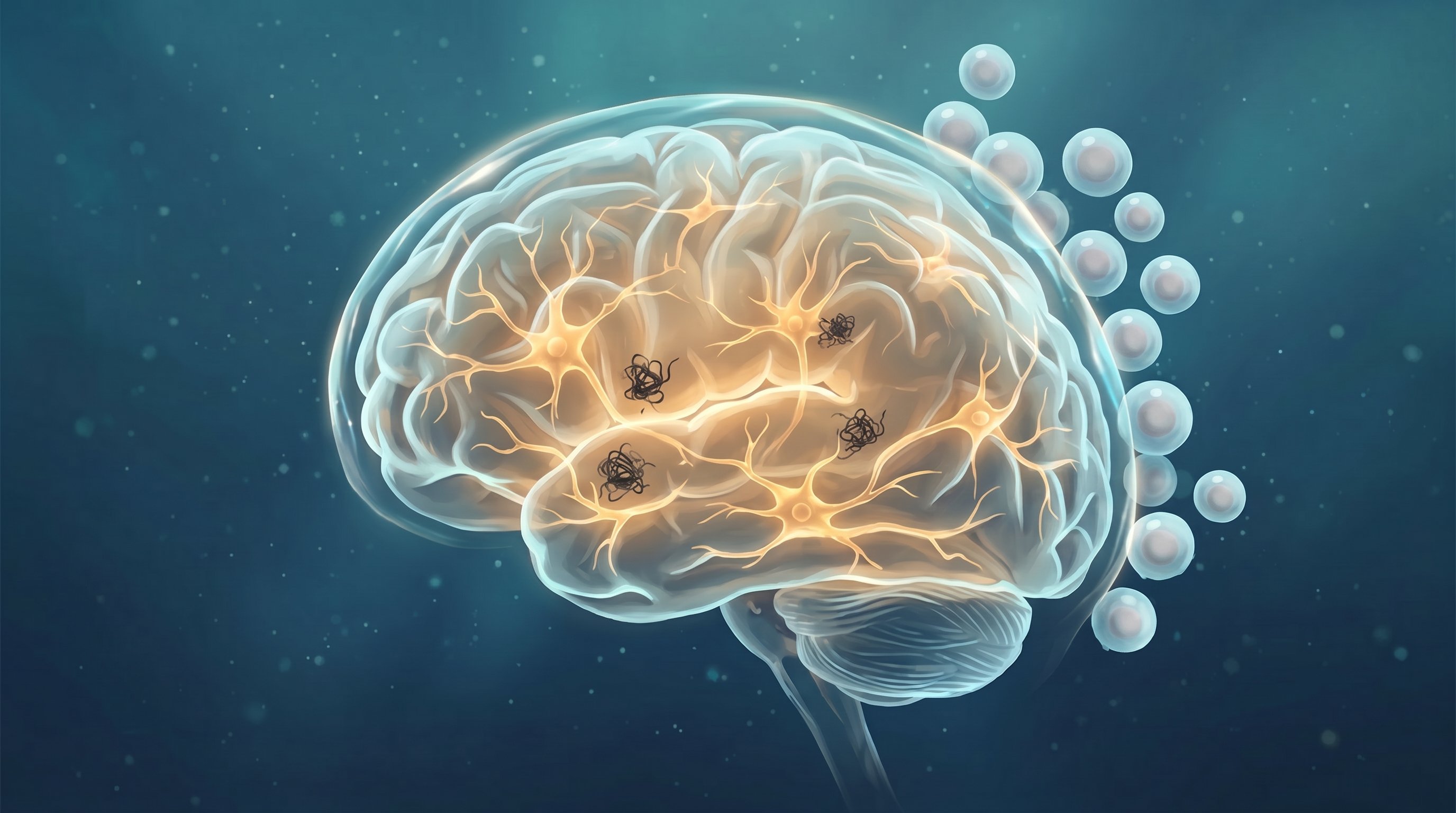
The immune system is being looked at for brain diseases too. Researchers in St. Louis used an antibody to block the route by which immune cells enter the brain in mice. The mice kept about 40 per cent more brain tissue and remembered better, while the harmful protein tau stayed put (link). Whether this can be done safely in people has yet to be worked out.
These are research results. A doctor decides which treatment suits a patient.
Articles about Immunotherapy
-
Anthropic buys a one-person biotech company: Claude handled the work with eleven laboratories
With help from Claude, one scientist took a possible treatment for a rare muscle disease from idea to first results in mice in less than 18 months. Anthropic took over his company and also reports early results from six partners.
-
Personalised mRNA vaccine cuts the risk of melanoma returning by 42 per cent
A vaccine made to measure for each patient cut the risk of recurrence or death by 42 per cent in a large study of 1,137 people with melanoma. The full results have now been presented at the European cancer congress ESMO.
-
Antibody keeps immune cells out of the brain and slows Alzheimer's damage in mice
Researchers in St. Louis blocked the route immune cells take into the brain in mice. The mice kept about 40 per cent more brain tissue and remembered better, while the harmful protein tau simply stayed in place. The next step is finding out whether this can be done safely in people.
-
Australian researchers give doctors a 'switch' to control immune cells as medicine
Researchers at WEHI in Melbourne have modified immune cells so that doctors can control them using two existing medications: one helps the cells grow, while the other inhibits them. The next step is a first study in humans.
-
Overlooked immune cells can recognise and kill small-cell lung cancer
Australian researchers discovered that a little-known type of immune cell can track down an aggressive form of lung cancer, even when it hides from the rest of the immune system. Two existing medicines made that attack stronger in the lab. The next step is research in patients.