Nederlands
In this Chinese factory, humanoid robots build parts for new robots
The German company Schaeffler has opened a factory in Taicang, China, where humanoid robots assemble the 'joints' of new robots. According to the company, mass production of these parts starts there.
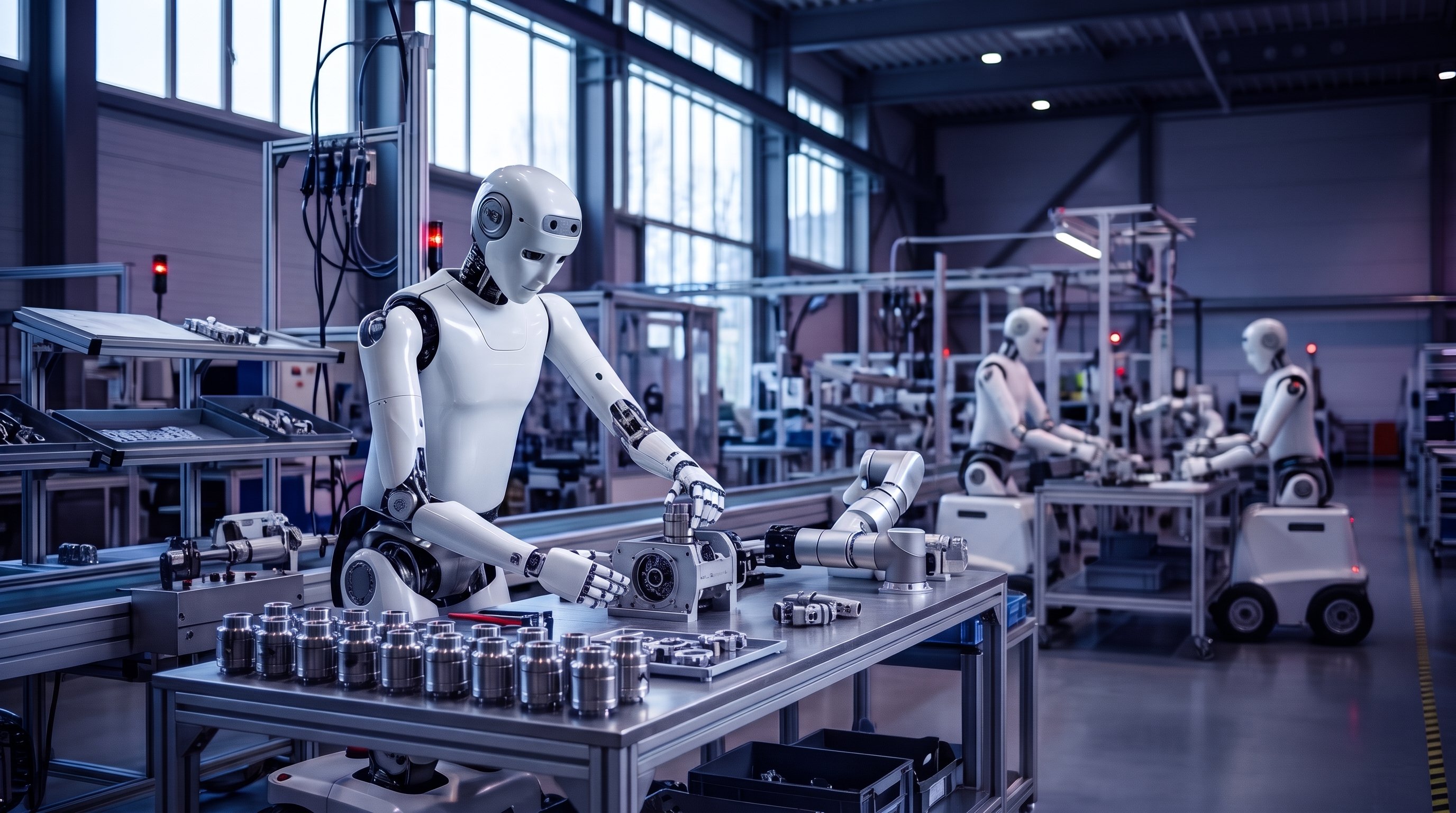
A robot that helps to build new robots: in Taicang, China, that has been daily work since 20 October. The German company Schaeffler, known for bearings and drive systems for cars and machines, opened a pilot factory for humanoid robots there, covering about 7,500 square metres. According to the company, mass production of parts for such robots starts there.
Robots assemble robot joints
A humanoid robot needs a small drive unit in every joint: a motor with gears that turns an arm or stretches a leg. These units are called actuators. Some rotate, others push and pull in a straight line. These are exactly the parts made in Taicang, for the next generation of humanoid robots.
According to Schaeffler, six humanoid robots work on the assembly line at five workstations. They pick up and sort parts, press and screw them together, check the result and put labels on them before packing them. Jochen Schröder, the head of production, says it is the first time within Schaeffler's worldwide network that humanoid robots assemble parts for humanoid robots.
Some of these robots come from the Chinese robot maker ROKAE. It reports that five of its Helios robots work on the line. Helios has no legs, but moves on a base with wheels, at a speed of up to 1.5 metres per second, about walking pace. On top are two arms that sense how much force they use, so they can gently press a part into place.
Practising before the real thing
Next to the assembly line is a training centre. There, robots learn tasks such as inspecting parts with a camera, moving crates, packing and refilling material at the line. The practice stations resemble the workstations in Schaeffler's roughly one hundred factories around the world. What a robot learns here can therefore be used elsewhere later.
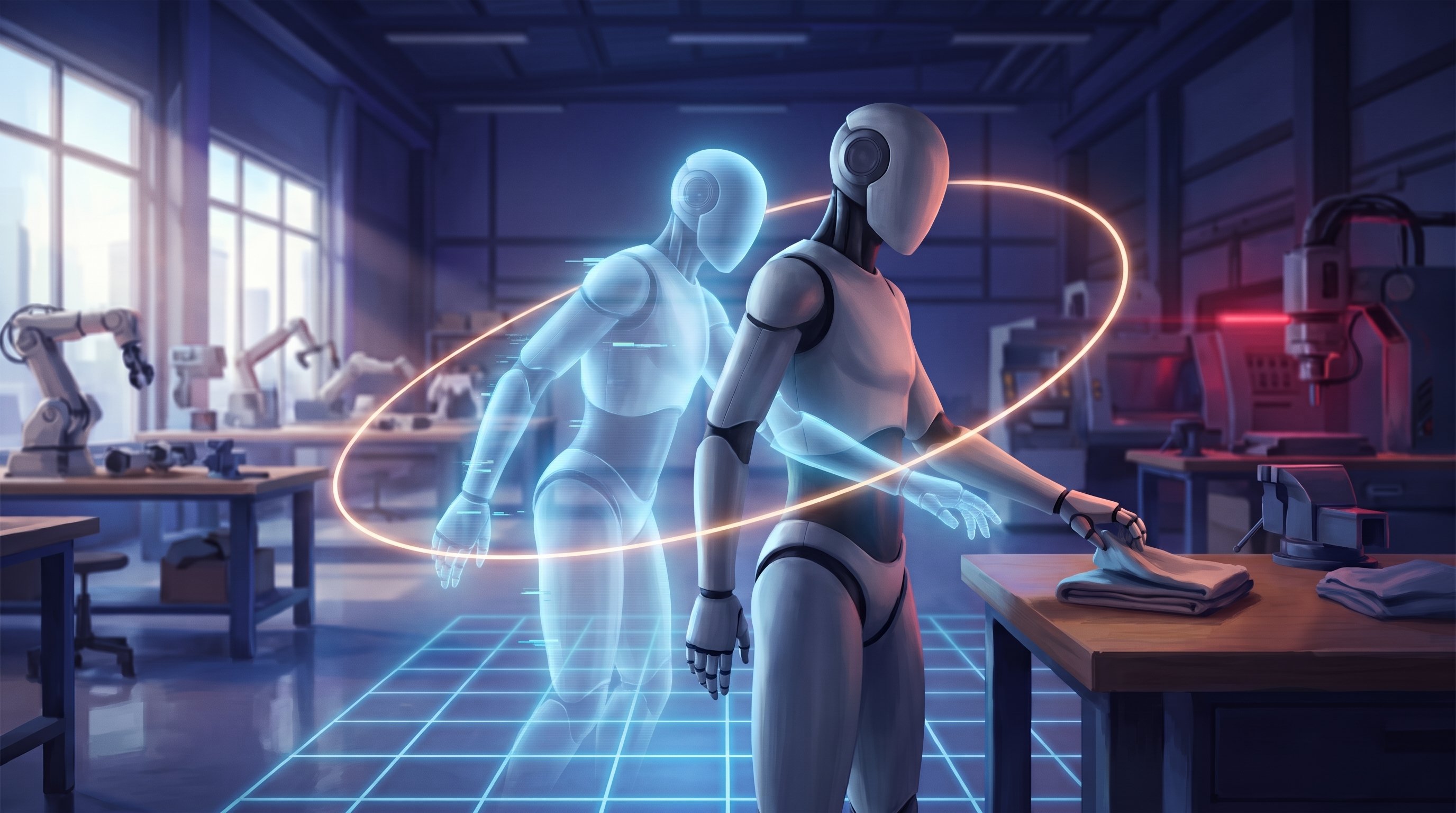
The factory also has a digital twin: a virtual copy of the line that keeps exact track of what happens in reality. Sensors measure how precisely parts are assembled, how long each step takes, how much electricity is used and what condition the machines are in. A change can therefore be tried out on the computer first. According to Schaeffler, this makes new processes ready faster and keeps production more stable.
A growing market
Schaeffler sees strong demand for parts for humanoid robots. After two new customers in China in the third quarter of 2026, its total orders stand at about 400 million euros, according to the company. ROKAE reports that it delivered its ten-thousandth robot arm in September and that more than eighty companies use these arms in their production.
Schaeffler has not said how many parts the line makes per day or how often a human still has to step in. Those figures will show how well the robots can handle the work.
What does this mean for the road to the singularity?
One of the big questions about humanoid robots is how to make enough of them. If robots can assemble some of the parts for new robots themselves, production can grow along with demand. Taicang is one of the first factories to try this on an industrial scale. It also matters that the robots learn there in surroundings that resemble real factories, and that everything they do is measured. With that data they can keep getting better. If the line shows that it works, it is a step towards robots built in large numbers and at lower cost.
What is the technological singularity? Read the explanation →