Nederlands
Unitree lets AI improve the software of its robots by itself
Robot maker Unitree is working on Rehearsal: AI reads research by itself, writes robot code, tests it in a simulated world and then puts it on real robots. Founder Wang Xingxing now expects robots to handle most tasks on command in 2027 or 2028.
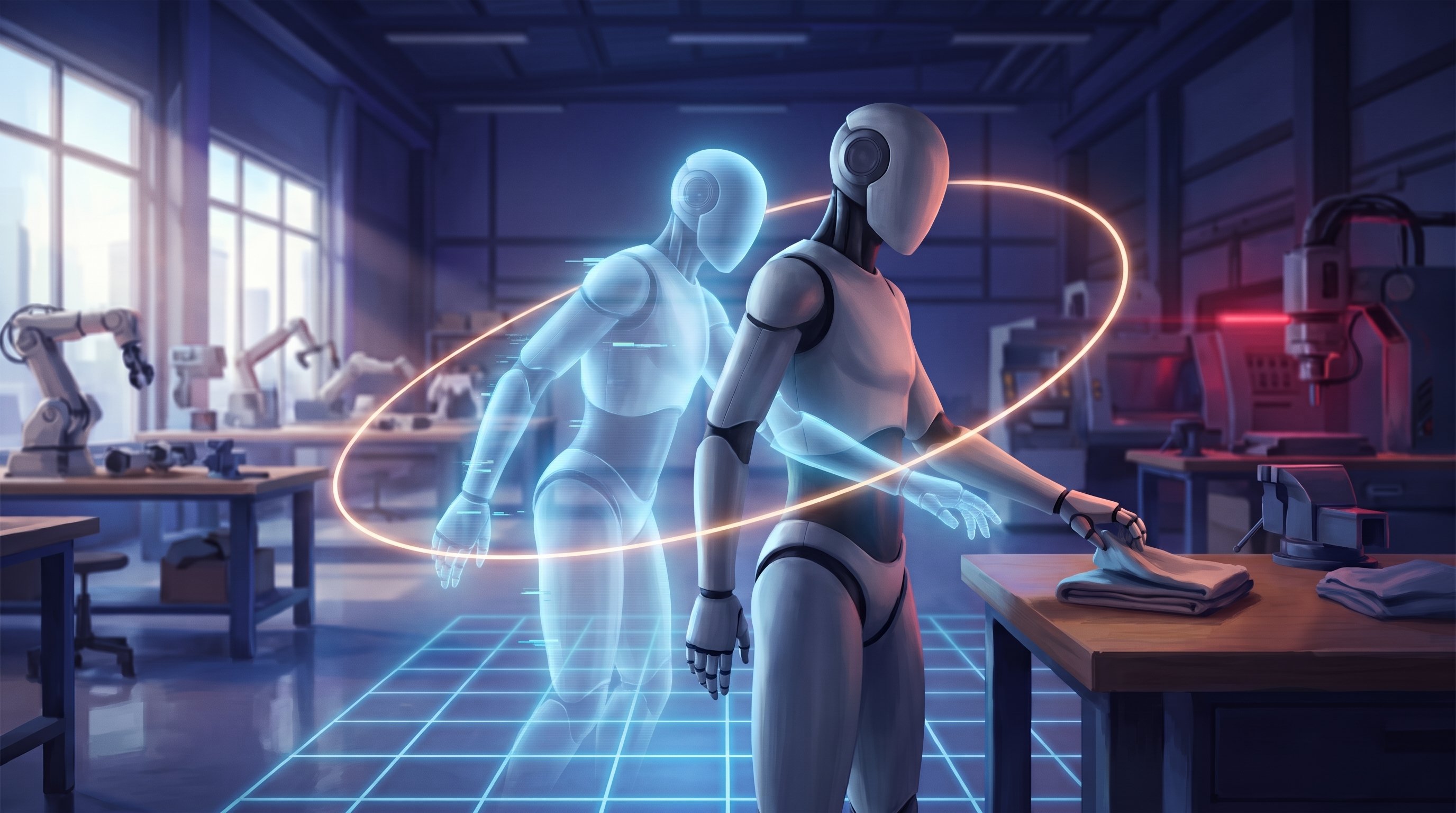
The Chinese robot maker Unitree wants its humanoid robots to improve themselves. On Thursday 22 October in Hangzhou, founder Wang Xingxing presented the system Rehearsal at a conference on AI in robots that Unitree organised itself. According to the Hong Kong newspaper South China Morning Post, he called it the company's most important project this year.
Why robots need this
Teaching a robot something new currently takes a lot of human work. Engineers write the control software and first test it in a simulation: a simulated world on the computer, in which a robot can practise thousands of times without breaking anything. Then comes the test on a real robot. That is often where things go wrong, because what works in the simulation does not always succeed in a real kitchen or living room.
A well-known test with 1,000 everyday household tasks, BEHAVIOR-1K, shows how hard housework is for robots. According to Stanford University's AI Index 2026, robots completed 12.4 per cent of the tasks there in full.
How Rehearsal works
Rehearsal is meant to take over a large part of that work, in a loop of four steps:
- The AI searches scientific papers for techniques that suit what the robot has to learn.
- With those, the AI writes new control code by itself.
- That code is tested in a simulation.
- If the code reaches a score set in advance, the update goes to real robots.
What the real robots then experience goes back into the loop as learning material for the next round. Engineers can watch and steer. In the long term, Wang wants that oversight to be needed less and less. According to the news agency Bloomberg, Unitree already partly works this way: the company uses the results of real tests to adjust its AI models.
Faster than expected
Wang has become considerably more optimistic in a short time. In August, at the World Robot Conference in Beijing, he still said that large-scale use of robots in factories and homes could take two to ten years. Now he expects humanoid robots in 2027 or 2028 to be able to carry out about 80 per cent of the tasks given to them out loud, even in a home they do not know and without special training for that home.
According to Wang, new AI models such as OpenAI's GPT-6 changed his mind. Unitree robots with GPT-6 can now paint, for example, including switching colours and rinsing the palette.
Tasks in which a robot has to handle soft or irregular objects carefully, such as folding laundry, are still difficult. There are no independent measurements yet of robots trained with Rehearsal. Those have to show how quickly the loop really makes robots better.
A smarter brain for a strong body
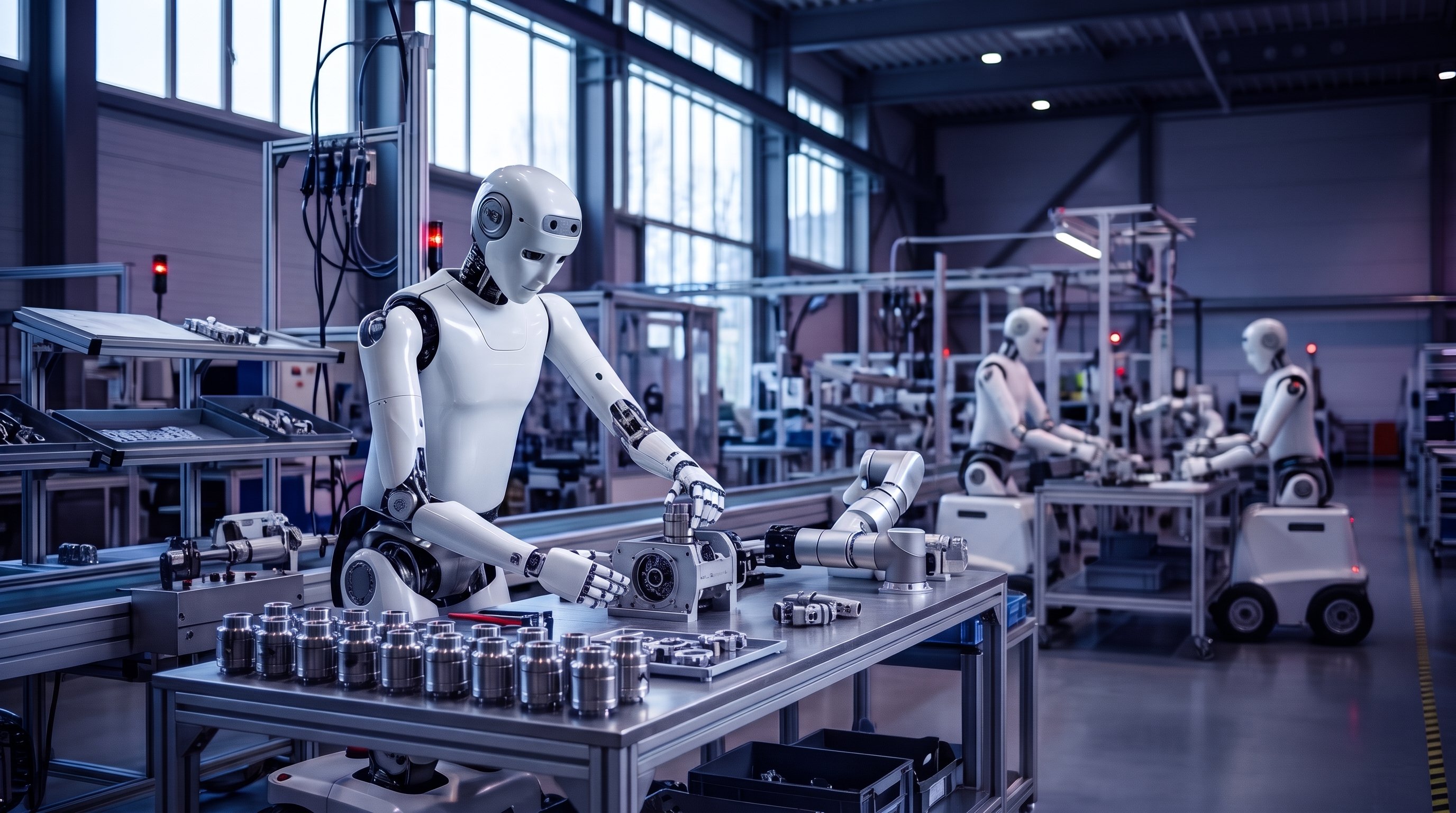
Unitree has been working on the bodies of its robots for a long time. Last week the company showed the H2-X, a humanoid robot that jumps, fights and lifts a car to rescue someone. That video mainly showed what the body can do; how much the robot decided by itself remained open. Rehearsal is about exactly that brain: robots that learn by themselves and adapt better and better to the real world.
Security and data
A robot that updates itself collects a lot of data: research it has read, code it has written, test results and what the robot experiences in the real world. Technology site TechTimes points out that under the Chinese intelligence law, Chinese organisations are obliged to cooperate with their country's intelligence services, and that this may also apply to this data.
In addition, security researchers found two vulnerabilities in earlier Unitree robots in 2025. The Go1 robot dog had a hidden remote access point; Unitree said it was unintended and has since been fixed. A second vulnerability, via Bluetooth, affected the Go2 and the G1, among others. Unitree has not confirmed whether that one has been closed. Owners of such a robot are advised to update its software as soon as an update is available.
What does this mean for the road to the singularity?
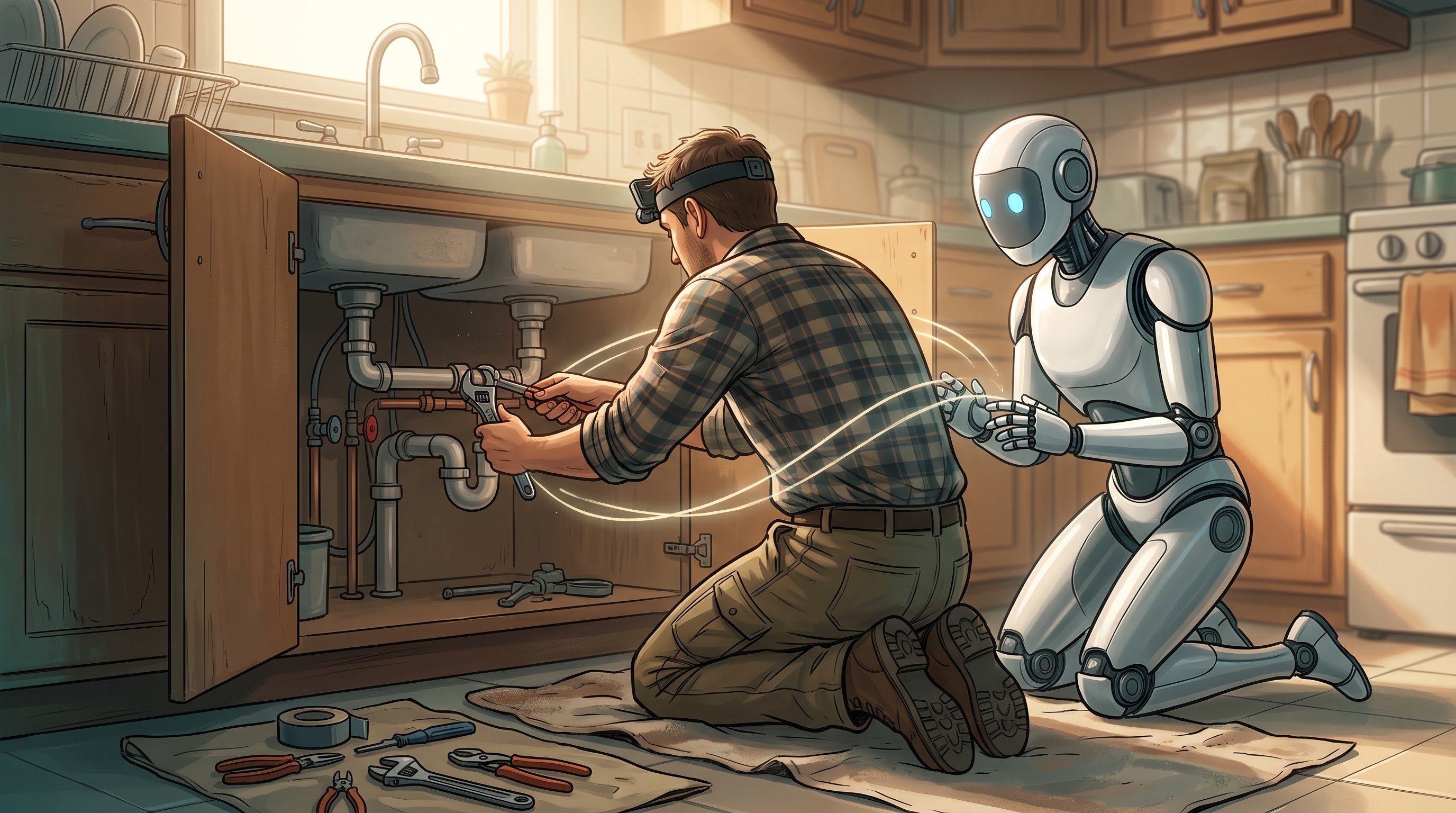
Until now, robots have mainly learned what people pre-program or teach them in simulations. Rehearsal turns that around: the AI looks up knowledge by itself, writes code by itself and learns from what happens in the real world. If that loop works well, each round can make the next one faster, and robots will learn new tasks much faster than now. That is an important step towards machines that independently do useful work in homes and factories. The next step is for independent researchers to measure how good robots with Rehearsal become at ordinary, everyday tasks.
What is the technological singularity? Read the explanation →