Nederlands
Topic
#China
-
Chinese catalyst turns CO2 into methanol, as a fuel for Mars
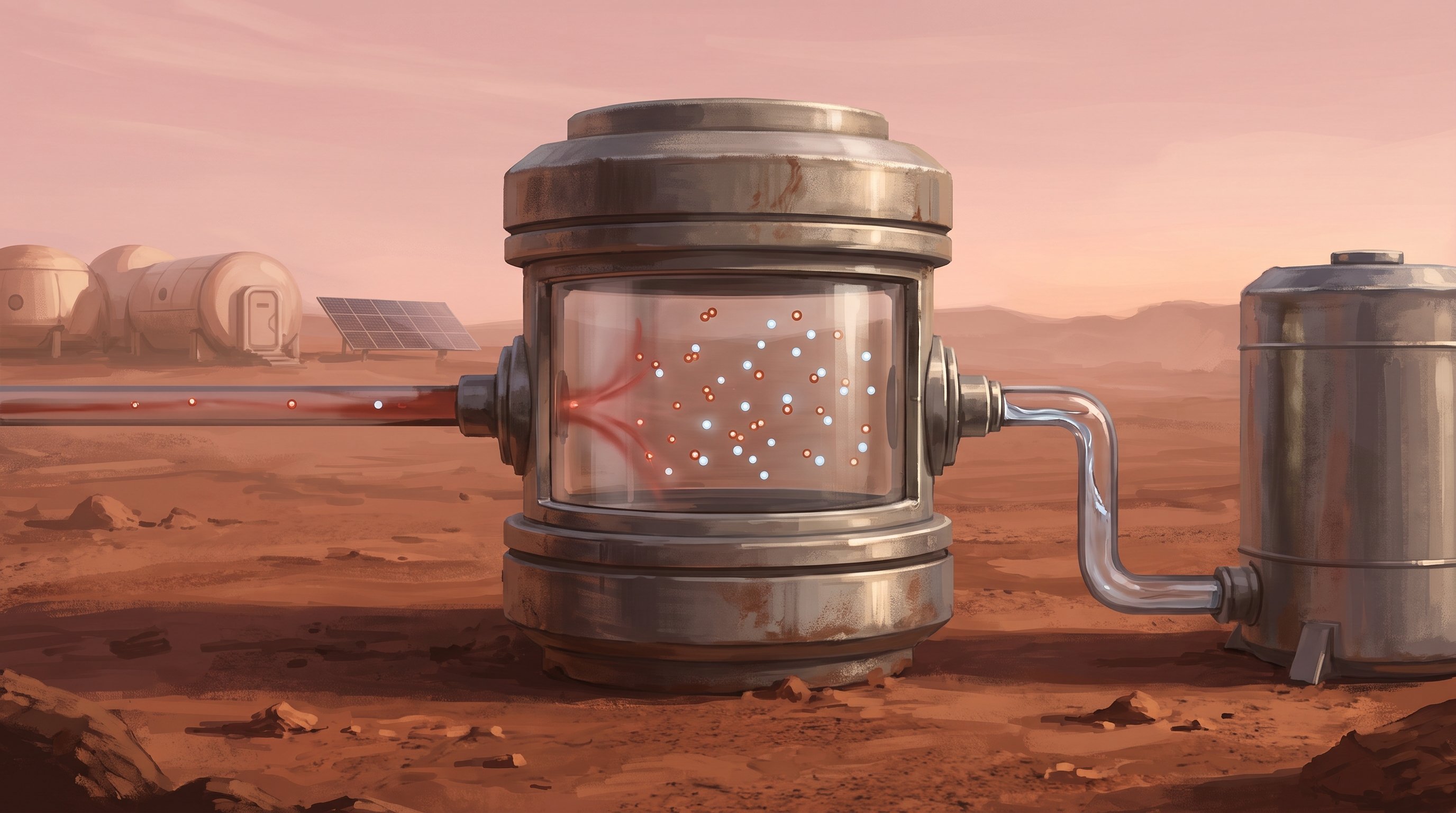
Researchers in Hefei made a catalyst of copper and sodium that turns carbon dioxide and hydrogen into methanol eleven times faster than without sodium. The aim: to make liquid fuel from the air on Mars one day. The experiments have now been done in the lab on Earth.
-
Baidu and Lyft aim for driverless robotaxis in London in 2027
Baidu and Freenow by Lyft have presented their self-driving taxi in London. The car has been on test drives there since July, with a safety driver on board. In 2027 they want to drive without a driver and carry passengers, if the regulators agree.
-
Solar power overtakes nuclear power worldwide for the first time
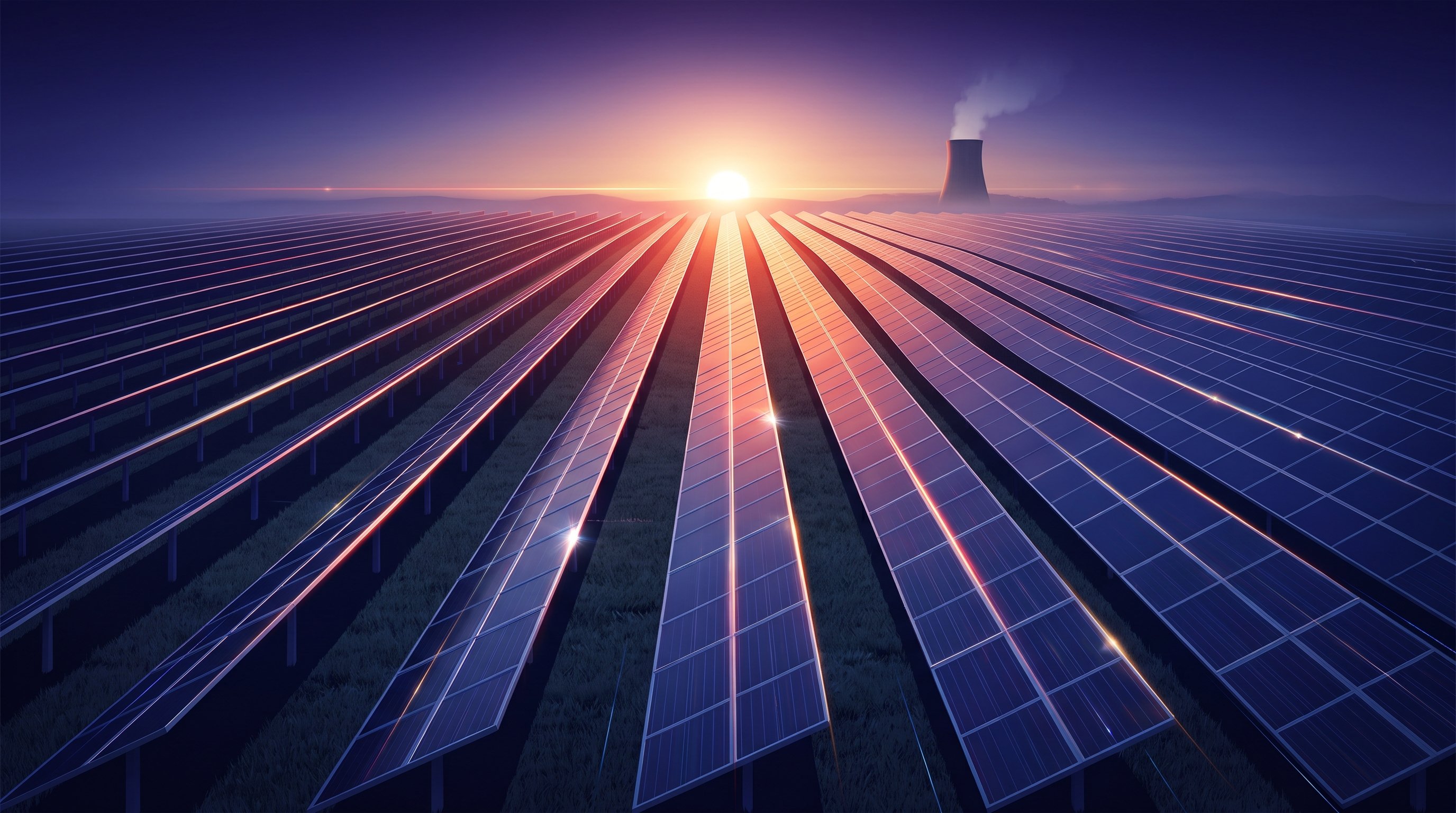
In 2025, solar panels generated more electricity than all nuclear power plants combined for the first time, says a major annual report on nuclear power. This year the lead is already clear, while nuclear's share is at its lowest level in 45 years.
-
In this Chinese factory, humanoid robots build parts for new robots
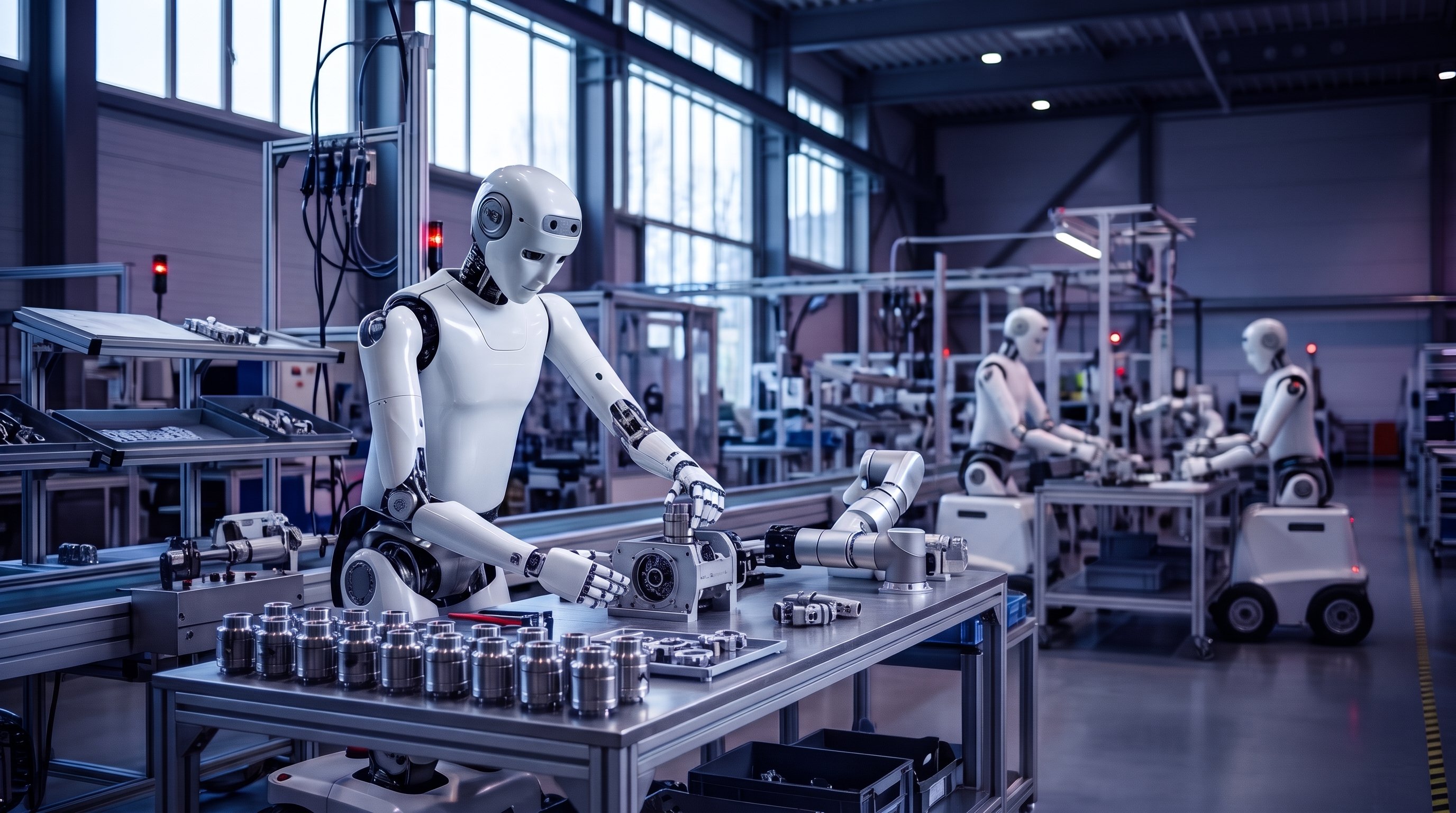
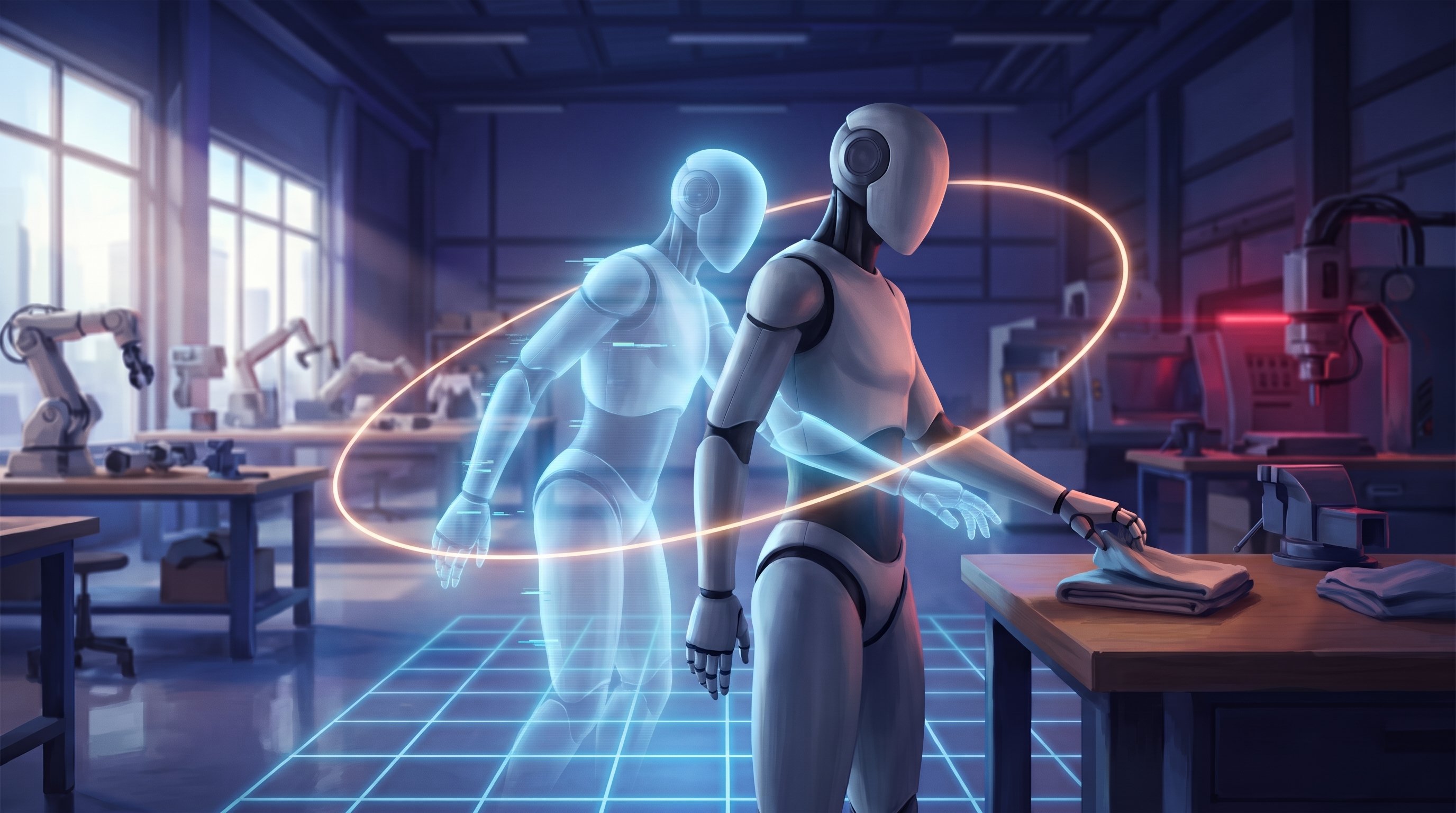
The German company Schaeffler has opened a factory in Taicang, China, where humanoid robots assemble the 'joints' of new robots. According to the company, mass production of these parts starts there.
-
Chinese team sends 3.2 petabits per second through a single optical fibre
Chinese researchers sent 3.2 petabits per second through one optical fibre with 24 cores, and the equipment processed everything straight away. That is a record for this kind of real-time measurement and could help connect AI data centres faster in future.
-
A little silver makes a light lithium battery without a separate negative electrode much more stable
Researchers in Hong Kong add a substance containing silver to a battery without a separate negative electrode. A 2 amp-hour test cell reached 467 watt-hours per kilogram, and a smaller cell kept 90 per cent of its capacity after 200 charges.
-
Flexible solar cells reach high efficiency and pass a tough endurance test
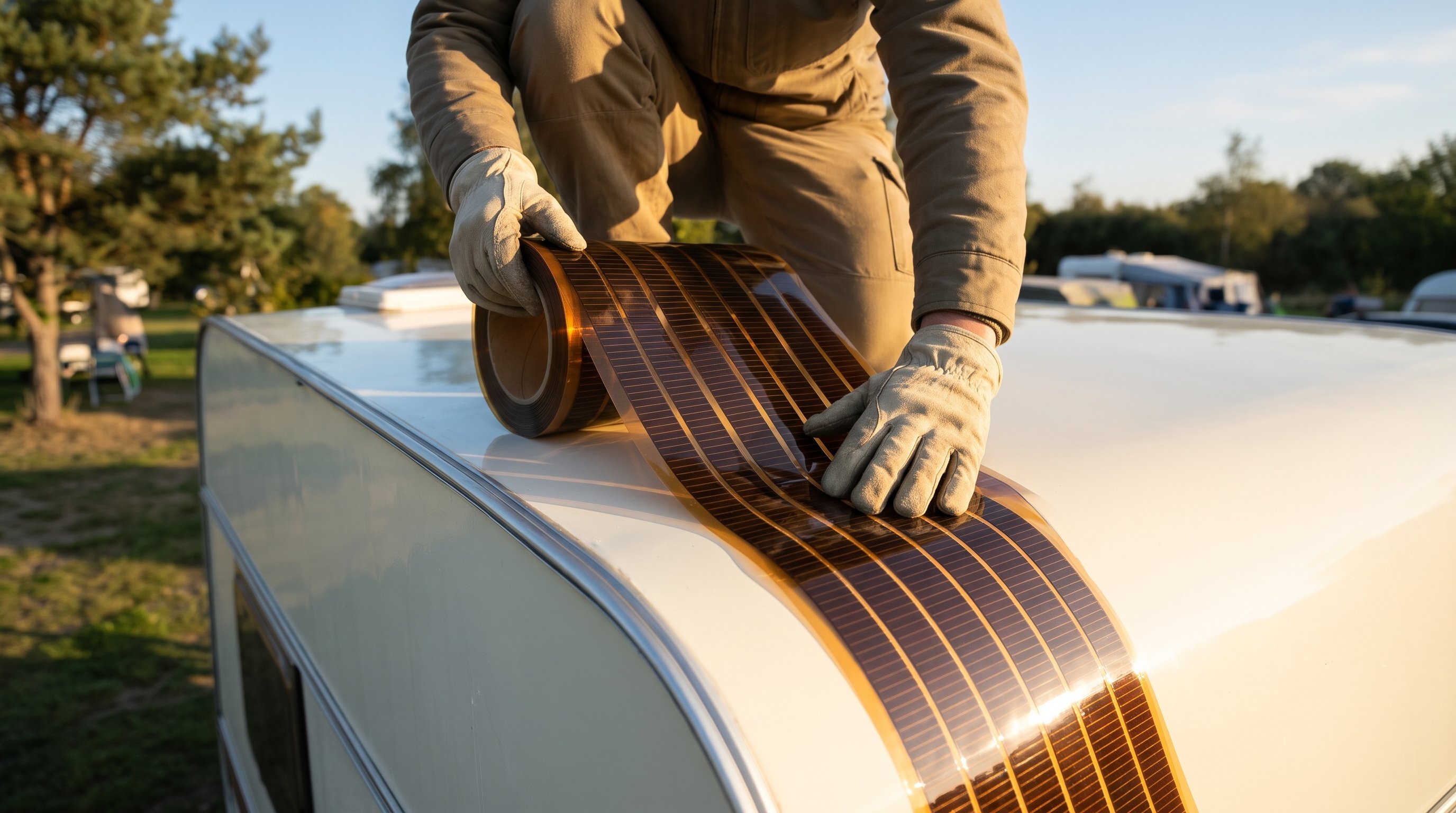
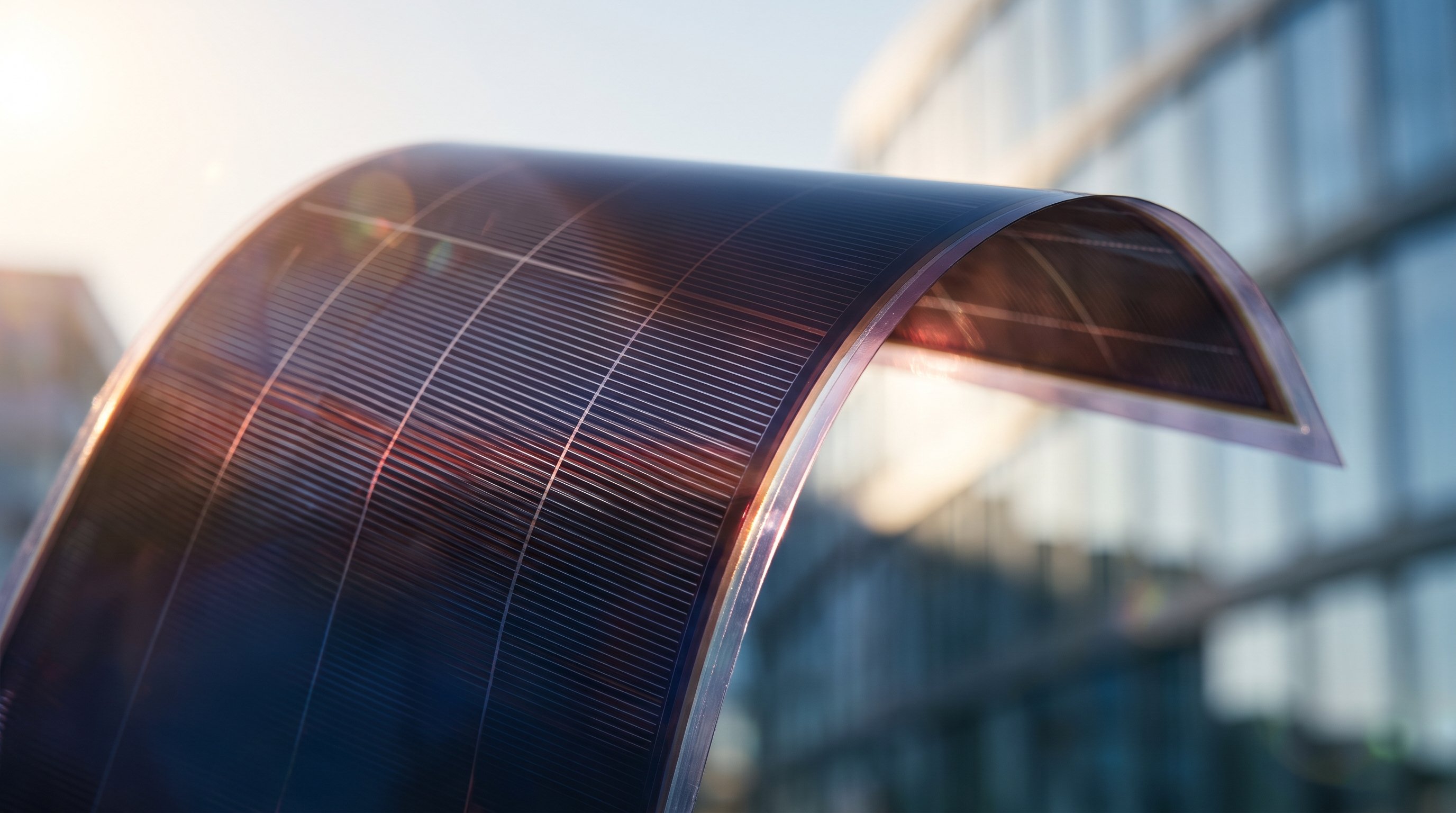
Chinese researchers have made flexible solar cells that also work well as larger panels. A small cell converts a certified 26.9 per cent of sunlight into electricity. After more than 1,000 hours of heat and humidity, a test panel kept 92.5 per cent of its efficiency.
-
Unitree lets AI improve the software of its robots by itself
Robot maker Unitree is working on Rehearsal: AI reads research by itself, writes robot code, tests it in a simulated world and then puts it on real robots. Founder Wang Xingxing now expects robots to handle most tasks on command in 2027 or 2028.
-
Svolt starts series production of fast-charging batteries with a partly solid electrolyte
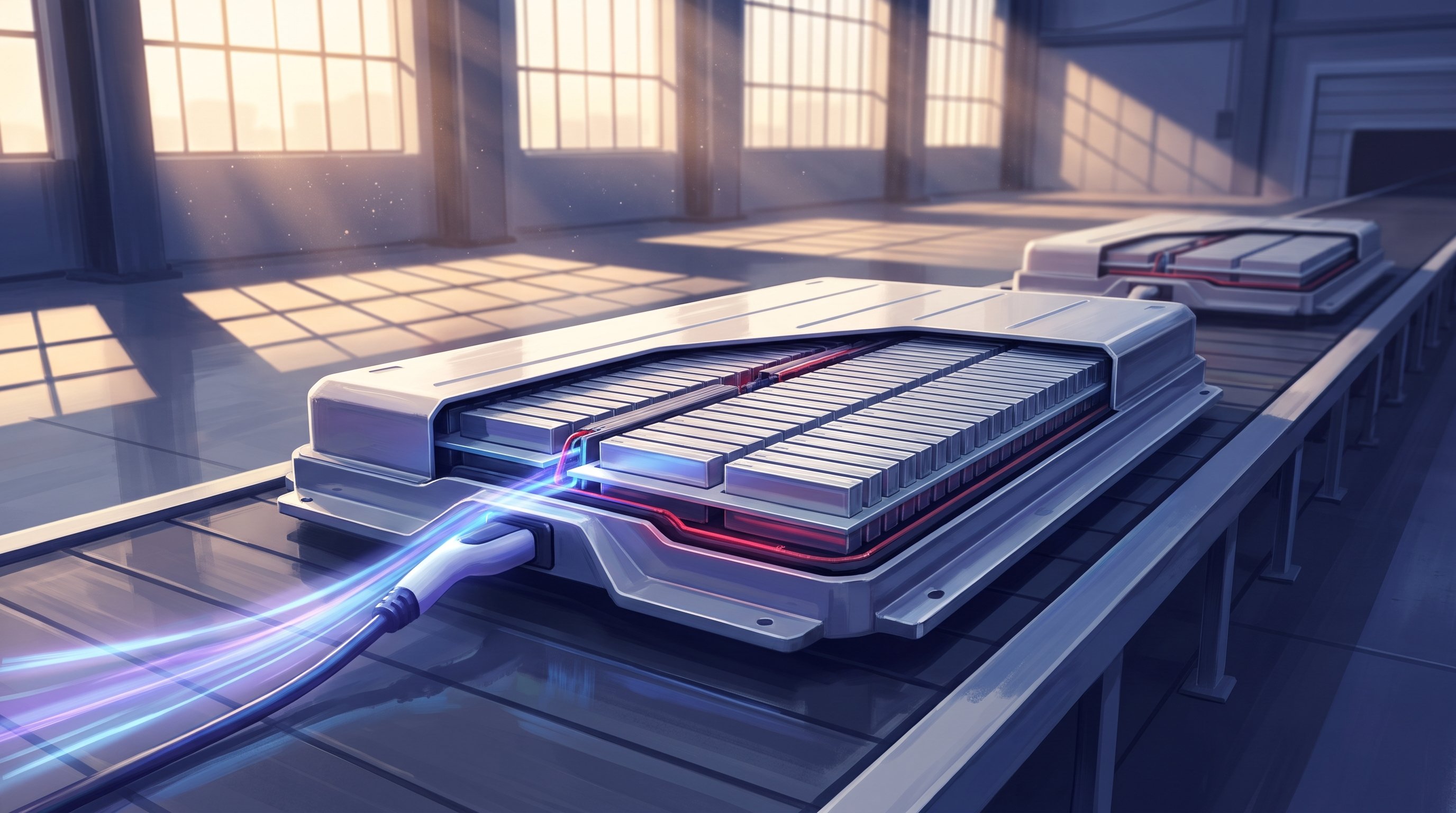
Chinese battery maker Svolt is now building 100 kWh battery packs in series, with cells that partly use a solid material. According to the company, 12 minutes of charging adds 500 kilometres of range. Svolt will soon announce which cars will get them.
-
Chemical lock helps organic solar cells keep working well for longer
Chinese researchers have chemically fixed a very thin, fragile layer inside organic solar cells. Small cells reached 20.4 per cent efficiency, larger modules 18.8 per cent, and after 2,000 hours in the light the tested cells still delivered more than 85 per cent of their starting efficiency.
-
Chinese AI model Kimi K3.1 Pro ranks fourth in independent leaderboard
Kimi K3.1 Pro from the Chinese company Moonshot AI ranks fourth in the independent leaderboard of Artificial Analysis, ahead of the newest models from OpenAI and Google. It improved most in independent computer work. Moonshot plans to release the model by 4 November.
-
Unitree has humanoid robot do kung fu and lift cars as a bodyguard
The Chinese robot maker Unitree shows the H2-X, a humanoid robot that fights, jumps and lifts a car to rescue someone. It is mainly a demonstration of what the underlying H2 platform can do; there is no price or sale date yet.
-
AI model designs working proteins from a sentence in plain language
Researchers in China have built an AI model that designs proteins from a description in plain language. In four trials, the result actually did what was asked of it: give off light, break down plastic, convert alcohol and help capture CO2.
-
AI model trained on almost four million fossils sheds new light on the great mass extinctions
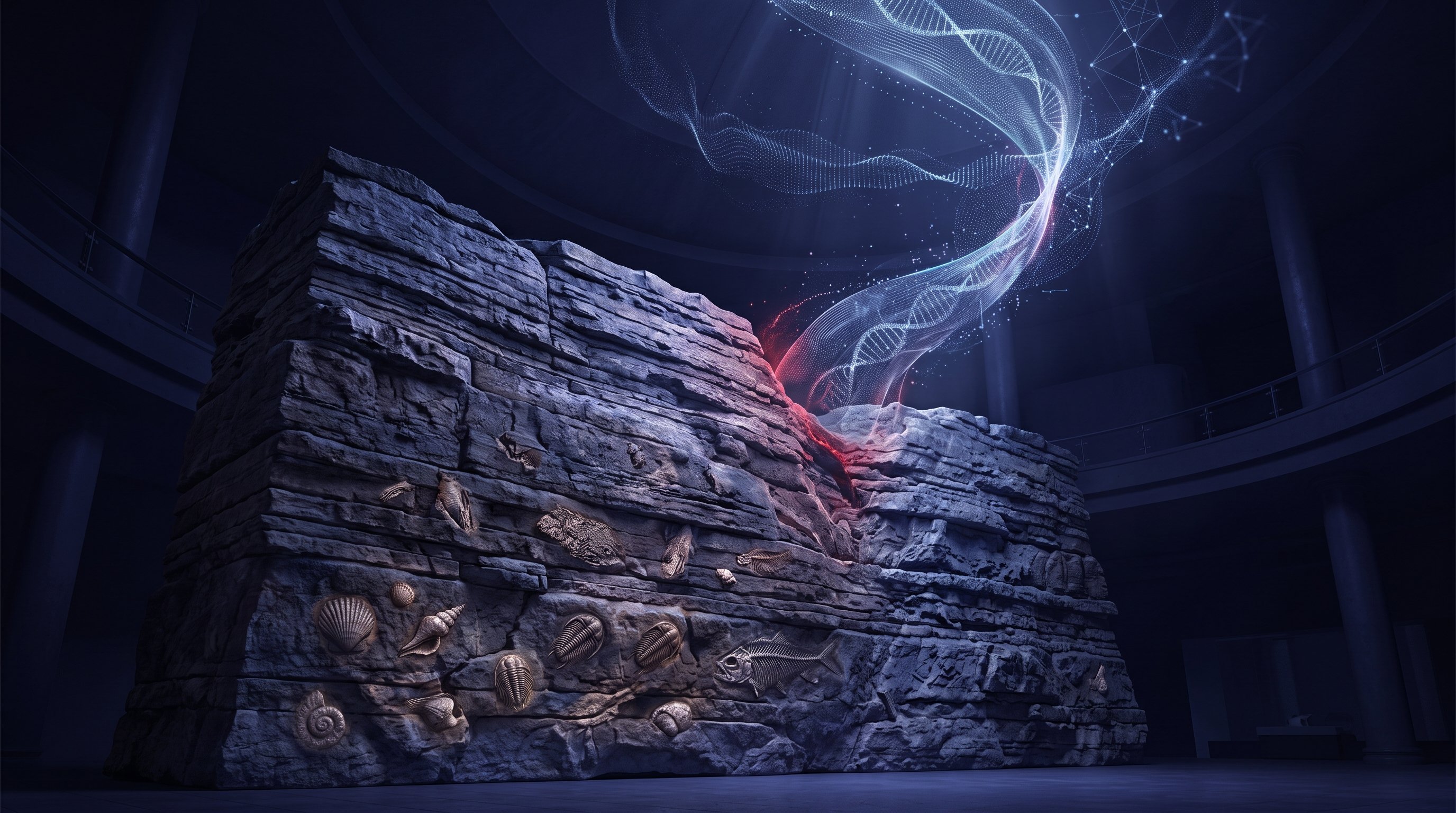
Chinese researchers trained an AI model on almost four million fossils. It maps the history of life in unprecedented detail and suggests that three of the five great mass extinctions happened more gradually than thought. Other palaeontologists are somewhat more cautious.
-
Large open AI model from DeepSeek now fits on a computer with 128 gigabytes of memory
DeepSeek's new open AI model is too big for an ordinary computer. The company Unsloth made a heavily reduced version that runs on a powerful laptop or mini computer with 128 gigabytes of memory. This costs some accuracy.