Nederlands
Topic
#Eiwitten
-
Researchers wake up silent, healthy genes in Prader-Willi syndrome
In Prader-Willi syndrome a group of genes does not work, even though every cell has a healthy back-up copy. Researchers in Melbourne switched that copy back on by removing one protein, in patient cells and in mice. Work on a medicine is now under way.
-
AI designs molecular scissors that cut disease proteins at a chosen spot
The lab of Nobel laureate David Baker used AI to design enzymes that cut other proteins at a preselected position, including the protein that clumps together in Alzheimer's disease. Some of those enzymes also work in living cells.
-
AI model designs working proteins from a sentence in plain language
Researchers in China have built an AI model that designs proteins from a description in plain language. In four trials, the result actually did what was asked of it: give off light, break down plastic, convert alcohol and help capture CO2.
-
Claude designs proteins against scorpion venom in 64 hours: 17 bind to their target in the lab
A research version of Claude designed over 318,000 small proteins against five scorpion toxins in 64 hours. Two labs made 211 of them, and 17 bound firmly to their toxin. It is not yet an antidote, but it is a first step.
-
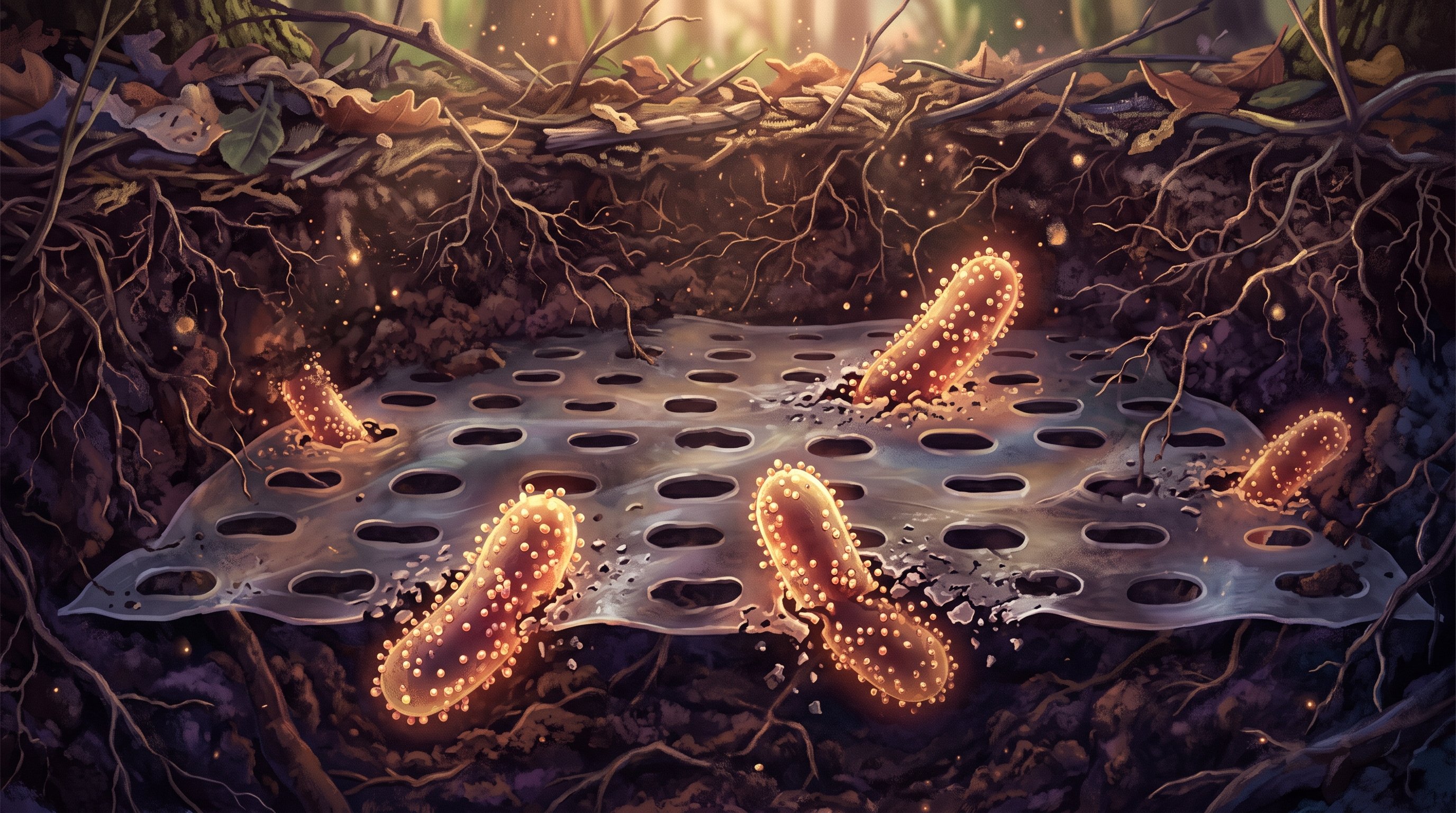
Bacteria in forest soil eat bioplastic with a 'Pac-Man enzyme' that also disarms penicillin
Researchers at the University of Konstanz buried bioplastic in forest soil and found the enzyme bacteria use to eat it. That enzyme also turns out to make penicillin harmless. The discovery helps with better biodegradable plastic and with research into resistance.
-
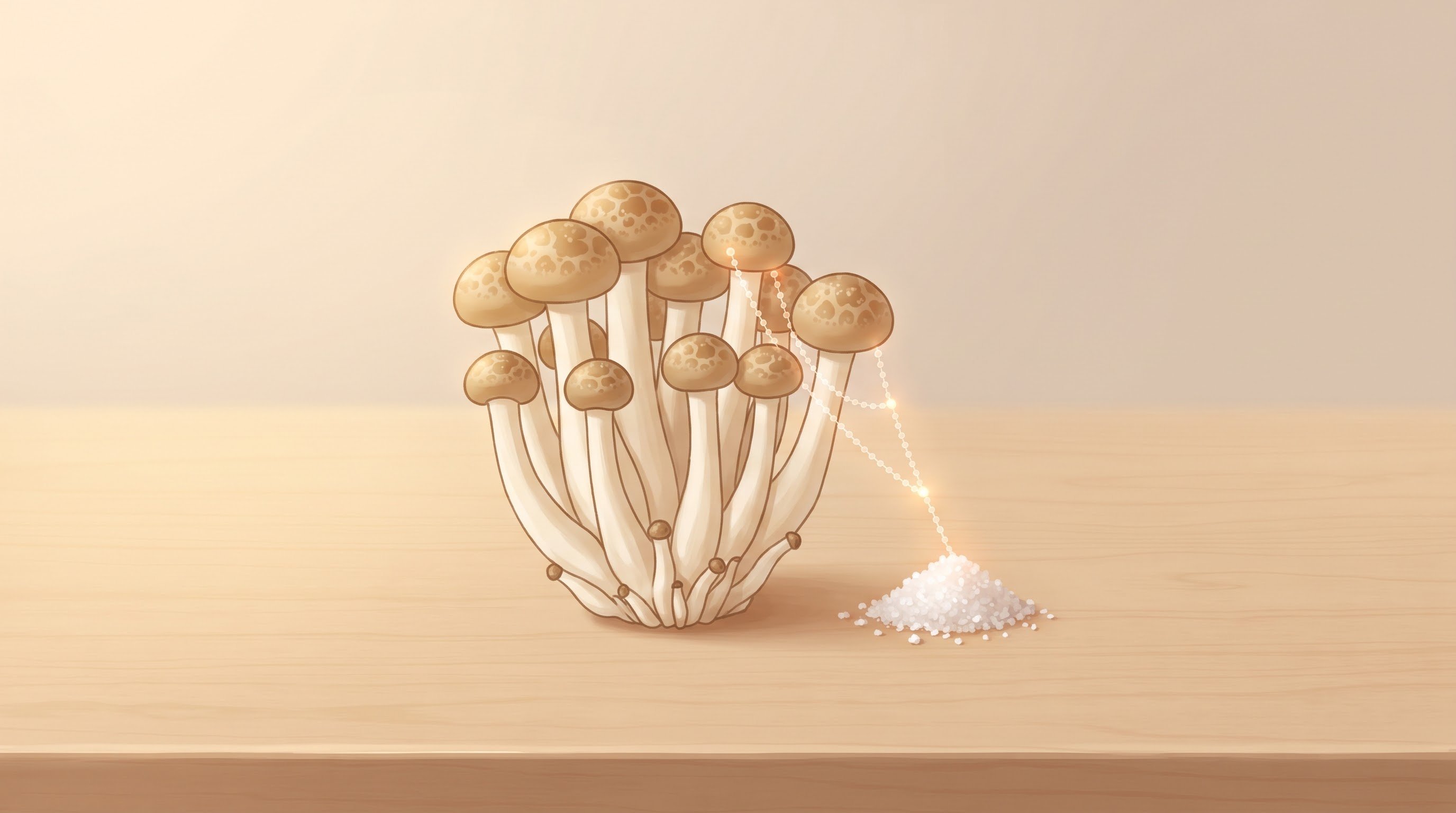
Substance from the beech mushroom makes salt taste much saltier
Chinese researchers found three small protein fragments in the beech mushroom that make salt water taste saltier, the strongest by almost 71 per cent. AI helped with the search. The next step is to test them in real food, and to find out how much salt can then be left out.
-
Biologists search for new antibiotics with AI agents and find a first candidate
Google had biologists search together with AI agents through databases full of proteins whose function nobody knows. They arrived at a small protein from a respiratory bacterium that, according to the predictions, tackles hard-to-fight bacteria. It is now being tested in the lab.