Nederlands
Topic
#MIT
-
MIT builds thin swimming robot powered by living muscle cells
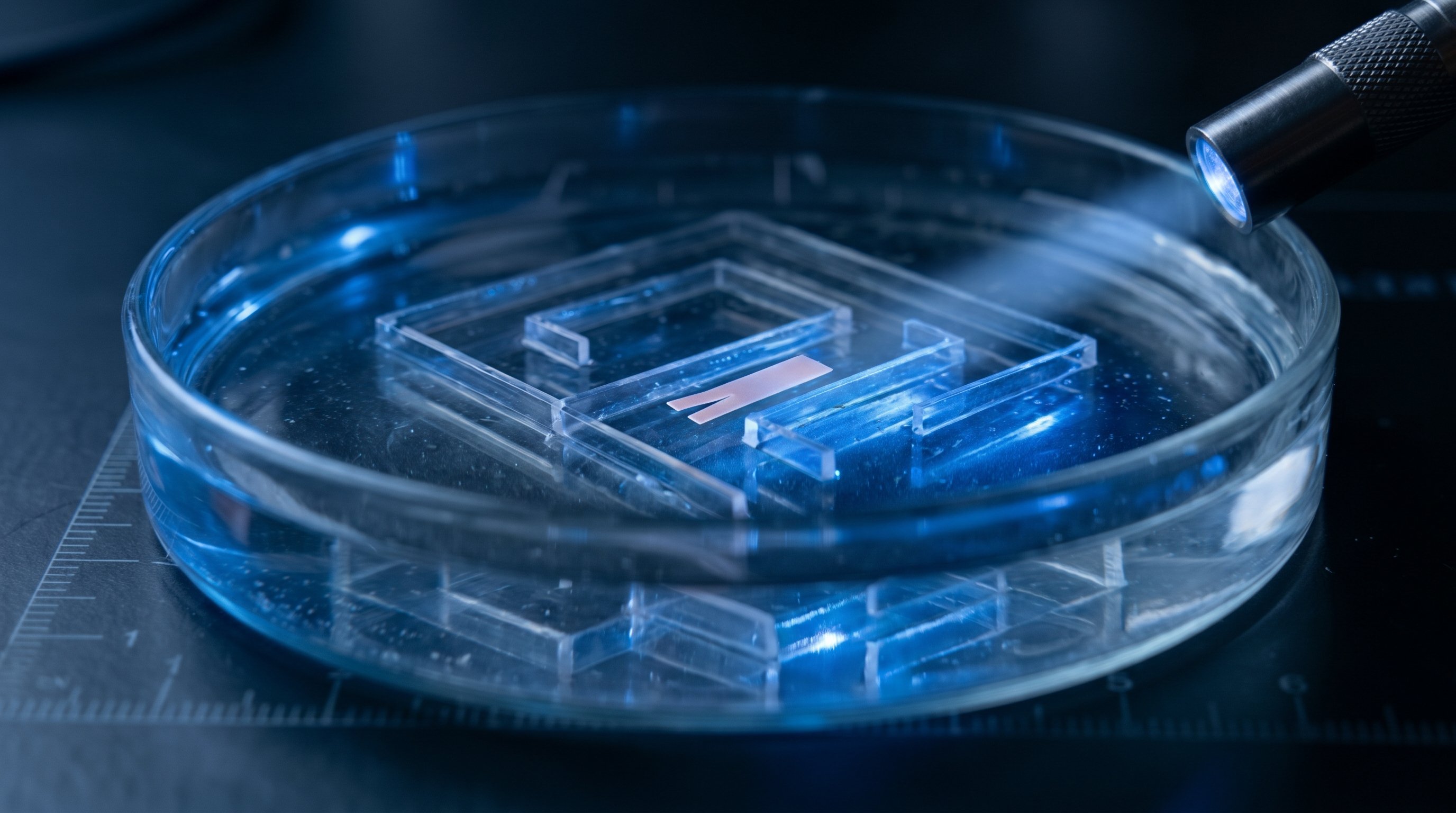
Researchers at MIT have built a paper-thin swimming robot powered by a layer of living muscle cells. The cells contract when light falls on them, so the robot can be steered. In the lab it has already swum through a small maze.
-
MIT researchers' glue sticks to wet tissue in seconds and could soon replace stitches
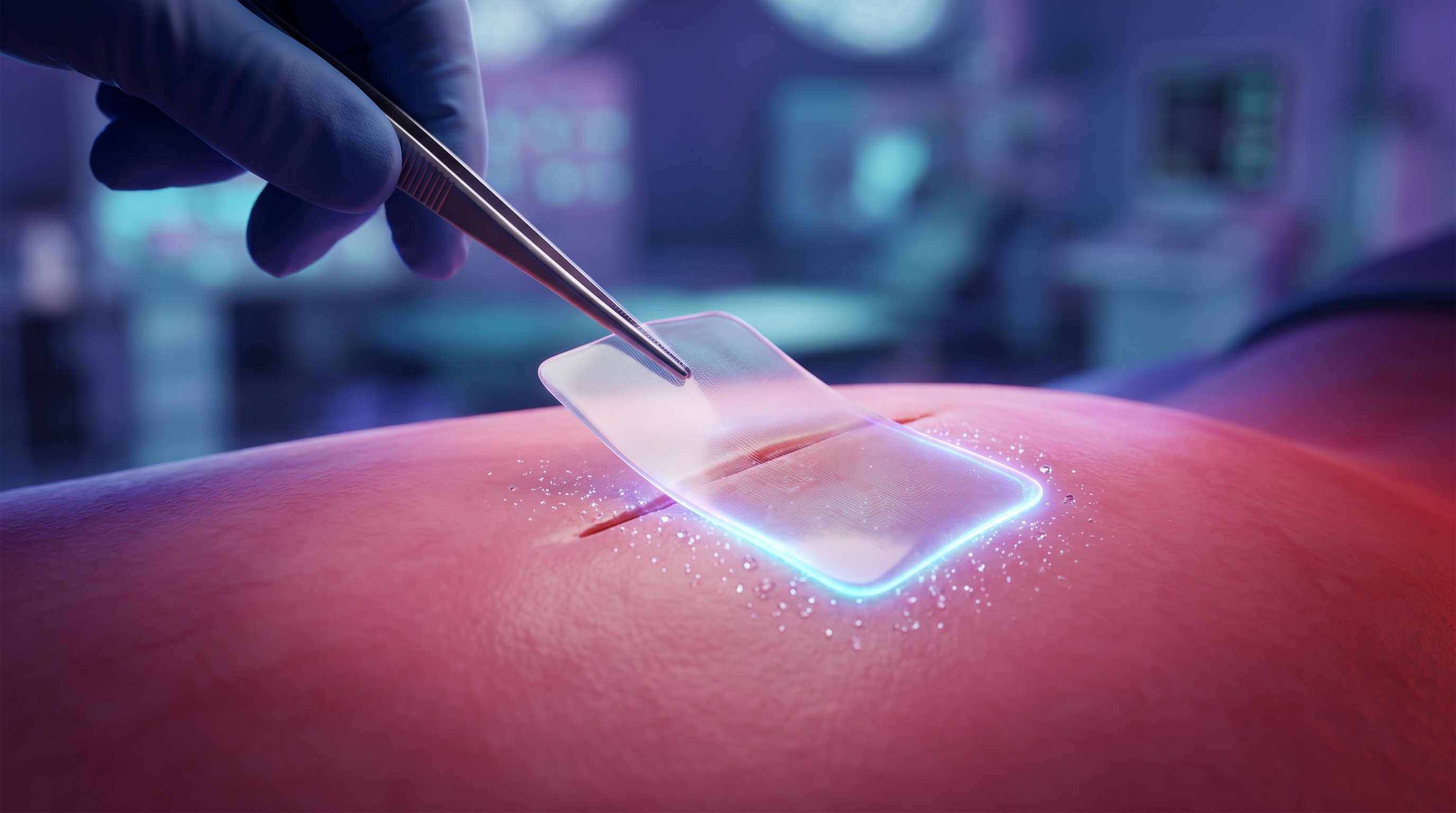
The company SanaHeal, an MIT spinout, makes a glue that sticks to wet and bleeding tissue within a few seconds. According to MIT it is already approved for stopping bleeding after accidents. Next year, trials in people during surgery will begin.
-
AI that knows a head is symmetrical tracks the moving head of an unborn baby during an MRI scan
An unborn baby moves during an MRI scan, so images of the brain fail or come out skewed. Researchers at MIT and Boston Children's Hospital built an AI model that quickly tracks the position of the head. The secret: the model already knows that a head is the same on the left and the right.
-
Does Claude learn by playing on a desert island?
MIT researchers let the AI assistant Claude loose on a virtual island for thirty hours without any task. It invented its own games, made drawings with blocks and did small experiments. With that experience, it later did better on most new tasks than a version of Claude without that play experience.
-
Soft sheet measures how it bends and twists
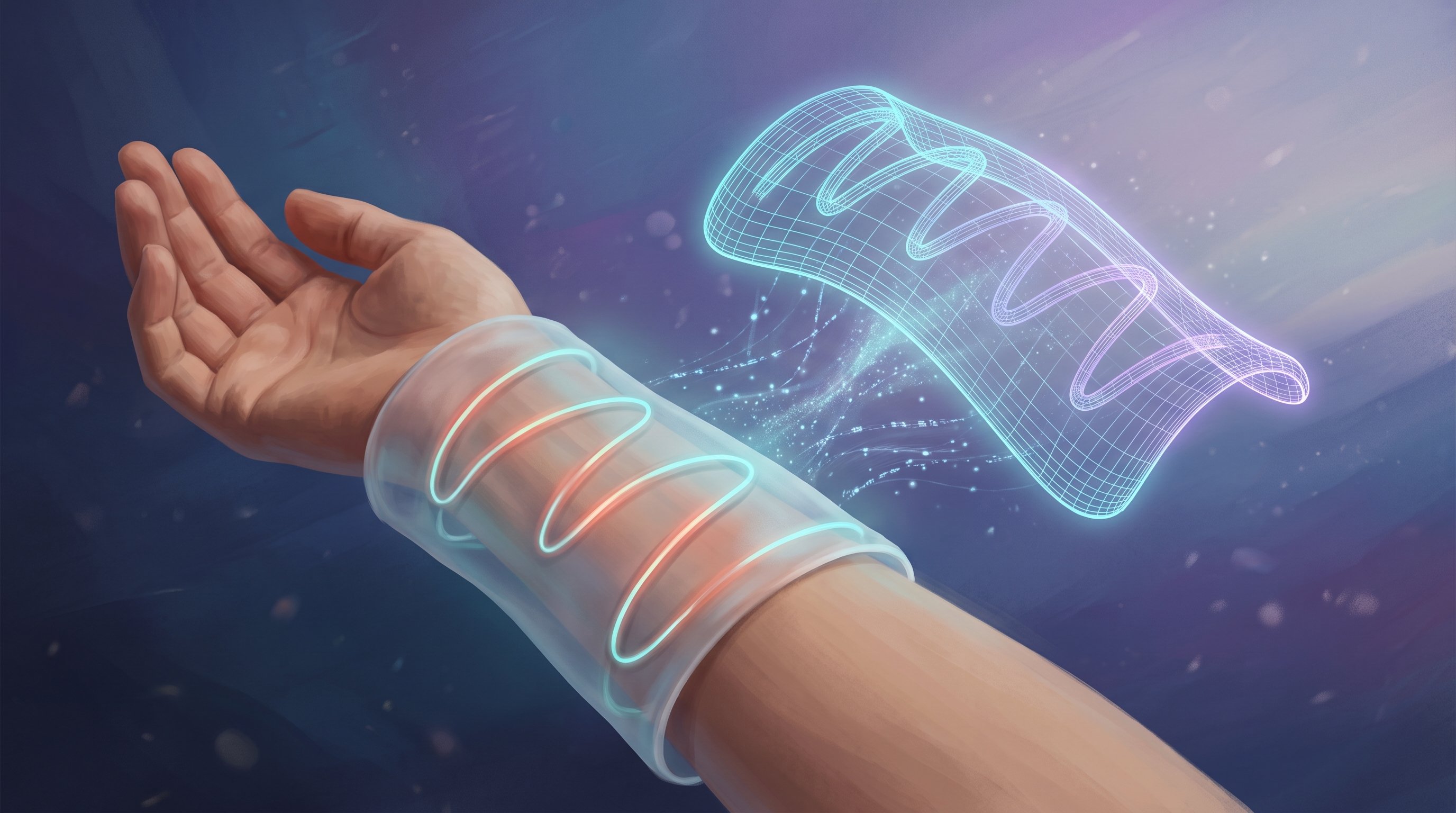
MIT researchers have made a soft, stretchy sheet with light-guiding fibres that measures how it bends and twists. A computer turns that into a 3D model, accurate to less than half a centimetre. It could later help with physiotherapy, games and robots.
-
MIT teaches AI to see how crystals are built, and that helps the search for new materials
Language models know a lot about materials, but cannot 'see' how a crystal is built. MIT researchers linked 3D structures to descriptions in plain language. As a result, their model finds better candidates, for example for batteries.
-
AI model IRIS reads which signals cells in an embryo have received
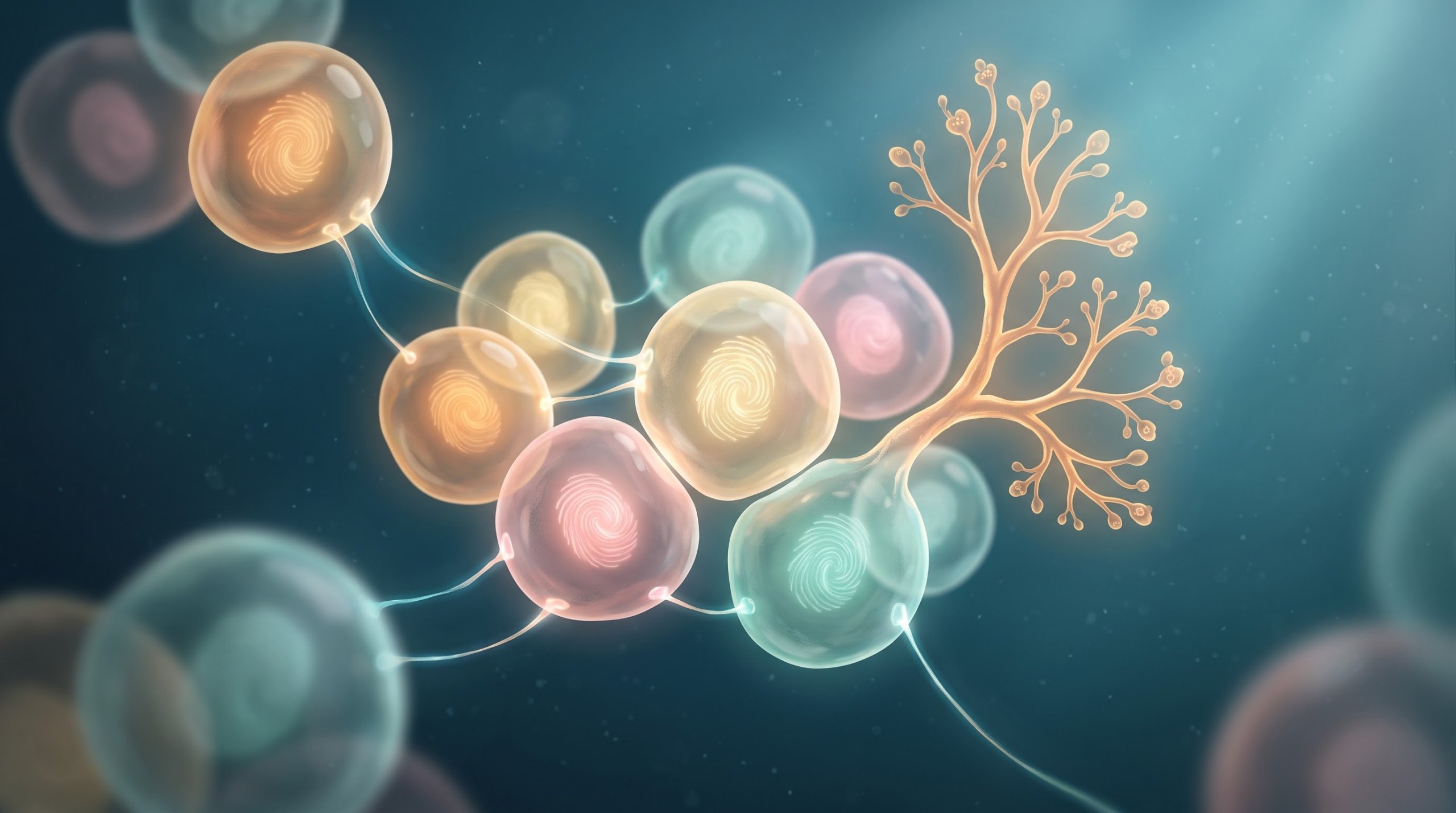
Researchers at MIT and the Whitehead Institute have built an AI model that can tell from a cell's gene activity which signals that cell received from its neighbours. With that knowledge, they have already improved a lab recipe for growing precursors of lung tissue from human stem cells.