Nederlands
AI model IRIS reads which signals cells in an embryo have received
Researchers at MIT and the Whitehead Institute have built an AI model that can tell from a cell's gene activity which signals that cell received from its neighbours. With that knowledge, they have already improved a lab recipe for growing precursors of lung tissue from human stem cells.
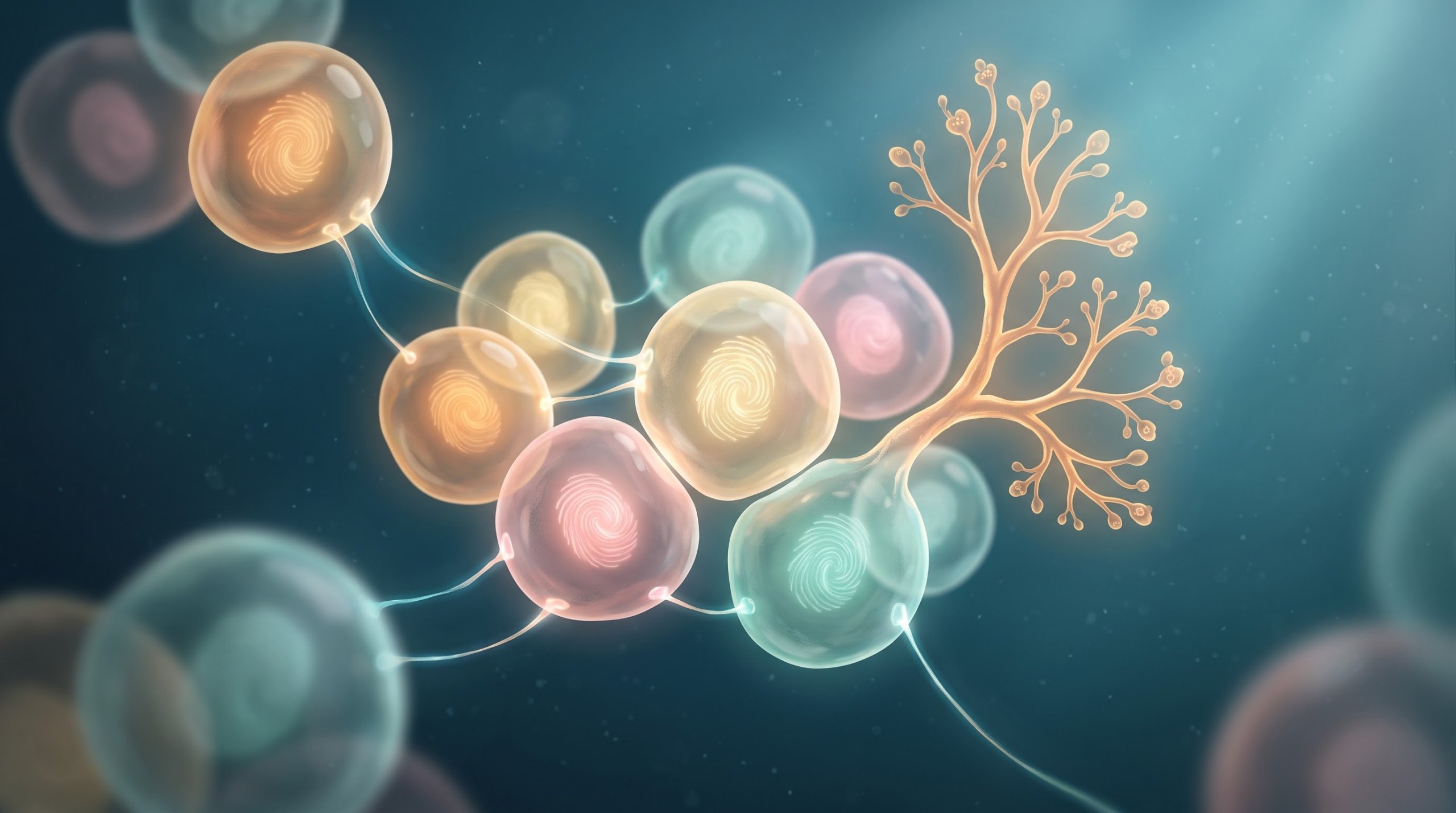
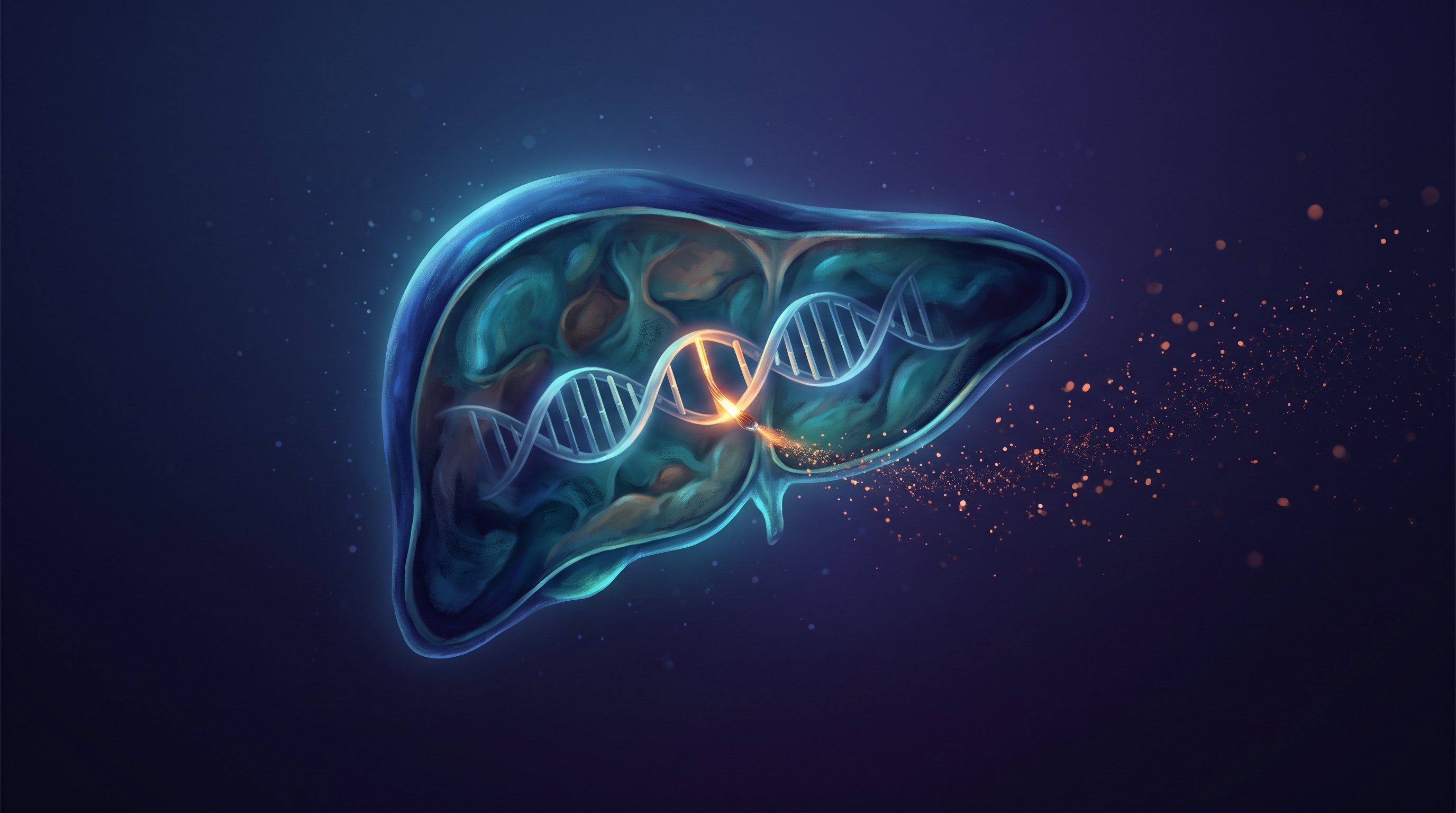
Every human begins as a small cluster of stem cells. Those cells can still go in any direction: they can become brain, liver, heart or muscle cells. Which direction a cell takes depends on which genes are switched on or off. A cell does not decide this alone. Cells constantly send each other chemical messages that tell a cell where it is and what it should become. Such a message is passed on inside the cell through a fixed chain of steps, a signalling pathway. At the end of that chain, certain genes are switched on or off.
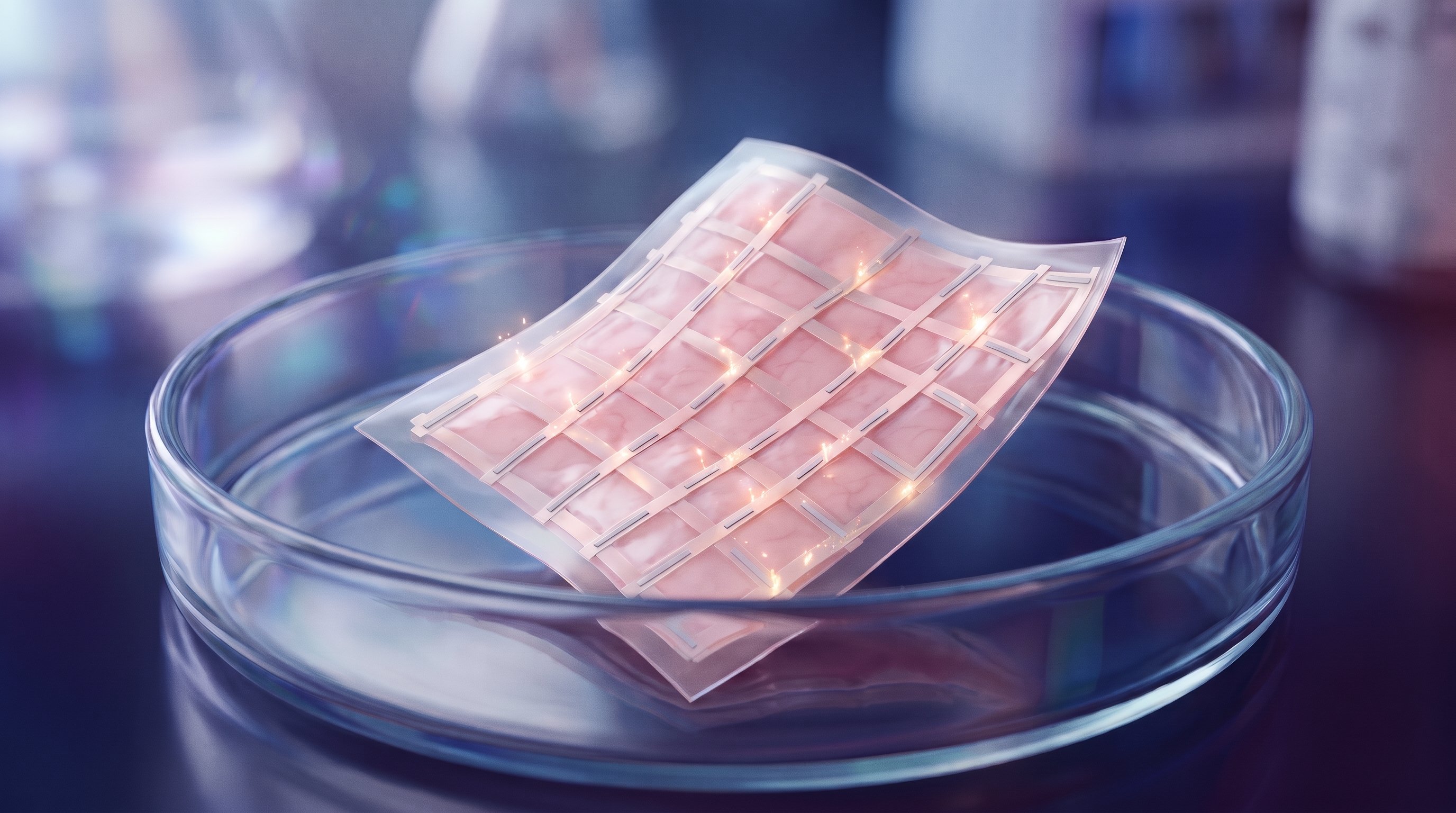
Anyone who knows exactly which messages a cell received at which moment understands how tissues and organs develop. That knowledge also works as a recipe: give stem cells in the lab the same signals, and you can steer them towards the cell type you want. That is important for organoids, small replica organs that researchers use to study diseases and test medicines.
Until now, working out afterwards which messages a cell had received was a big job. Researchers long assumed that each signalling pathway has a different effect in each cell type. Then each pathway has to be studied separately in each cell type, which means countless experiments.
Each signalling pathway leaves a fingerprint
A team led by Pulin Li, assistant professor of biology at MIT and a member of the Whitehead Institute for Biomedical Research, and doctoral student Nicholas Hutchins discovered that it can be done more simply. Each signalling pathway leaves a recognisable pattern of gene activity in a cell, a kind of fingerprint. And that fingerprint looks very similar in very different cell types. The team published the results on 8 September 2026 in the journal Nature Methods. The paper is free for everyone to read.
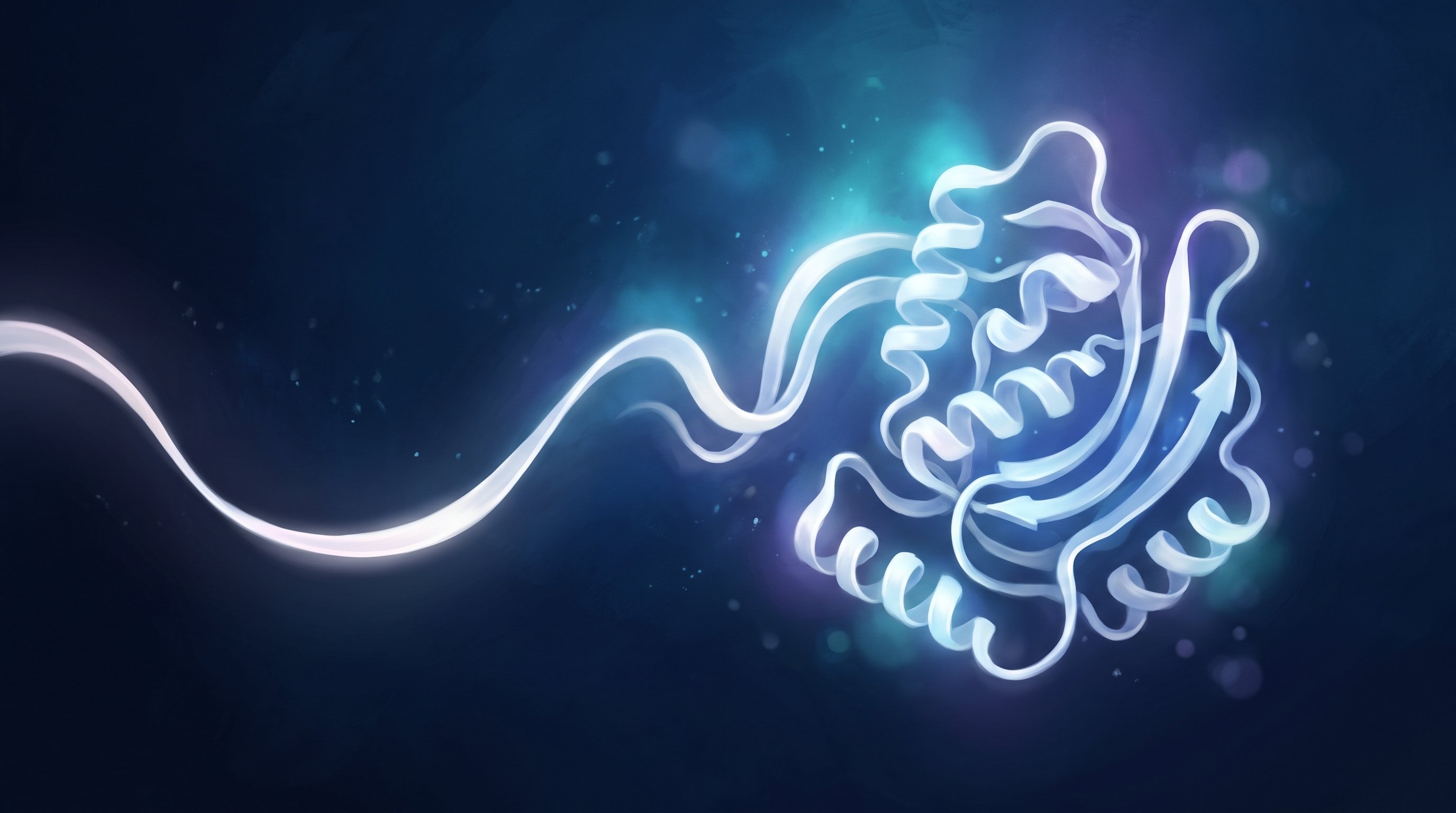
To recognise those fingerprints, the researchers built IRIS. It is an AI model based on a neural network: a computer system that learns by itself to recognise patterns in large amounts of data. IRIS looks at thousands of genes at once and estimates for each cell which signalling pathways were active. The model also recognises such a fingerprint in cell types it never saw during training. Li compares it to speech recognition that is trained mainly on English and as a result also learns to understand other languages better. This technique is called transfer learning: using knowledge from one situation in another.
Trained on tens of thousands of human stem cells
To train IRIS, the researchers first built a large database. In the lab, they gave human embryonic stem cells dozens of different combinations of six important signals, in several steps one after the other. They then measured in more than 40,000 individual cells which genes were switched on. They also used data from an earlier experiment with mouse stem cells.
They then applied IRIS to an existing map of cells from young mouse embryos, from the phase in which the first tissue layers form. For about forty cell types, the model mapped which signals they received and in what order. For developments that biologists already know well, such as the path to heart muscle cells, IRIS arrived at the known order. The model also recognised the signals in cell types that were not in the training data, such as early nerve cells.
A better route to lung tissue
The real test was a question that had no answer yet. Around the lungs in an embryo lies a special kind of supporting tissue, the lung mesenchyme. Among other things, that tissue controls how the lungs get their branched shape. How exactly it develops was largely unknown. That made it difficult to recreate in the lab.
IRIS predicted that a signalling pathway called WNT plays a key role here at an early stage. The researchers tested this with pieces of gut tube from nine-day-old mouse embryos, which they grew in the lab for a day. With a substance that switches WNT on, typical lung genes switched on in a larger area. With a substance that blocks WNT, one of those genes disappeared completely.
They then adjusted an existing lab recipe for human stem cells. In that recipe, the WNT signal only came on the last day. Following IRIS's suggestion, they gave it earlier and for longer. As a result, clearly more cells grew into precursors of lung mesenchyme, and this worked in different human stem cell lines. According to Hutchins, IRIS thus helps to decipher the language cells use to talk to each other much faster than is possible with experiments alone.
Next steps
The researchers see their work as a beginning. The WNT signal alone is probably not enough to make lab cells that work just like real lung cells. For that, they want to combine IRIS's full predictions with larger cell maps of lung development. Reliability also differs per signalling pathway: the model recognises WNT and retinoic acid (a substance derived from vitamin A) very well, while a pathway called FGF is harder. How well the fingerprints work in cell types that differ greatly from the training cells is being studied further. The team proposes a fixed cycle of doing experiments, training the model, predicting and testing again, with IRIS getting better each round.
Better lung models in the lab make it easier to study diseases such as asthma, lung cancer and pulmonary fibrosis (in which scar tissue forms in the lungs) and to test possible treatments. The further goal is regenerative medicine: treatments that repair damaged tissue. The code of IRIS is freely available, so that other research groups can start working with it straight away.
What does this mean for the road to the singularity?
IRIS shows clearly how AI can speed up biological research. Instead of trying all combinations of signals one by one in the lab, the model points to the promising route, and that turned out to be right in the lab. That is exactly the cycle of predicting and testing with which AI can accelerate science. It is also notable that the model learns something general: knowledge from human stem cells in a culture dish turned out to be useful in mouse embryos and in new cell types. The researchers expect that linking it to large AI foundation models for cells will make it even more widely applicable. If such models keep growing, a complete map of all signals in a developing embryo comes within reach, and with it a much more targeted way of growing tissue for research and, eventually, for repairing organs.
What is the technological singularity? Read the explanation →