Nederlands
MIT researchers' glue sticks to wet tissue in seconds and could soon replace stitches
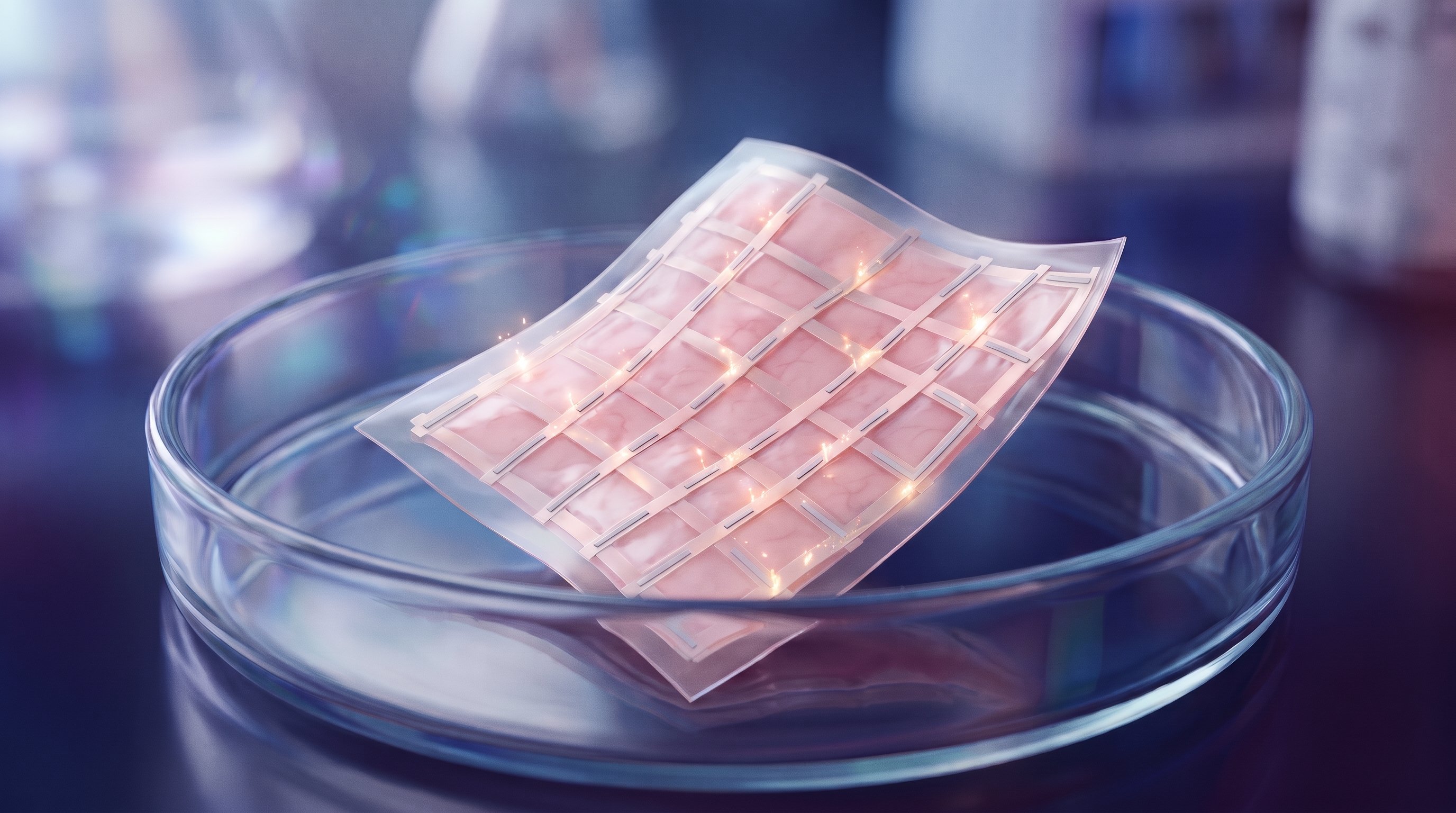
The company SanaHeal, an MIT spinout, makes a glue that sticks to wet and bleeding tissue within a few seconds. According to MIT it is already approved for stopping bleeding after accidents. Next year, trials in people during surgery will begin.
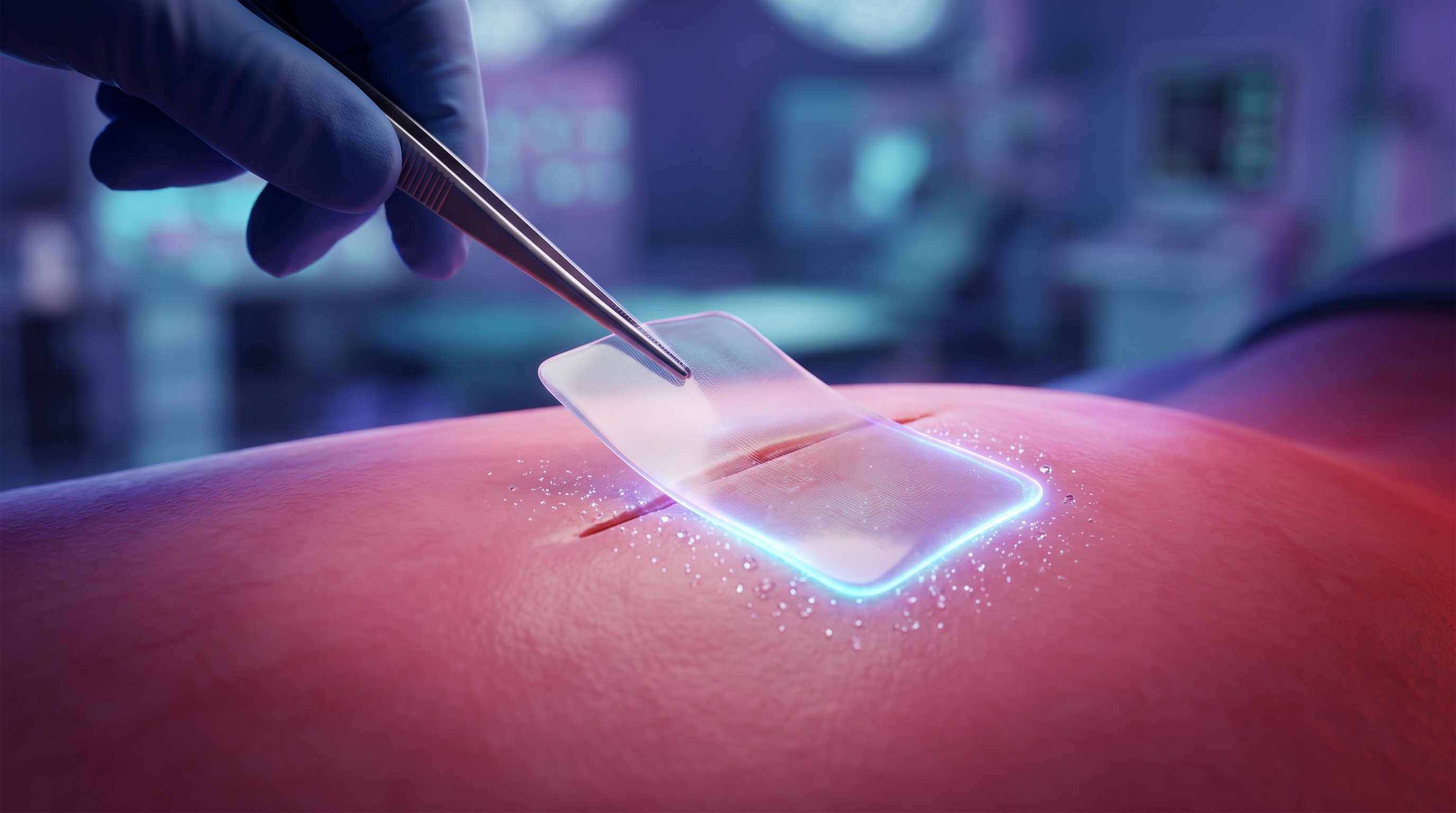
People who have surgery usually go home with stitches or staples. A surgeon sews a wound or a hole in an organ shut, stitch by stitch. That works, but it takes time, every stitch is one more small hole in the tissue, and blood or fluid can still leak through. A glue would be much faster. The problem: ordinary glue does not stick to anything wet. And inside the body, everything is wet.
The American company SanaHeal thinks it has solved that problem. The company grew out of research at the Massachusetts Institute of Technology (MIT) in the United States and was founded in 2021 by Hyunwoo Yuk, who is now its chief technology officer. He did his PhD research in the lab of Professor Xuanhe Zhao. MIT wrote about the company on 20 October 2026.
A glue that first soaks up the water
SanaHeal's glue is a hydrogel: a material made of long chains of molecules (polymers) with a lot of water in it, a bit like jelly. The idea comes from nature. Barnacles stick to rocks and ships under water, and spiders make threads that stay sticky when they are wet.
The first version worked like double-sided tape. It contains a substance that is also used in nappies and is very good at soaking up water. When you press the tape onto wet tissue, it first draws the water away from the surface. After that it can make direct contact and it sticks within a few seconds. The glue swells a little in the process and forms a seal that no air or fluid can get through. It does not have to wait for the blood to clot: it also sticks to a bleeding wound.
According to the company, the body tolerates the material well. It causes little reaction from the immune system and little scar tissue. The team published the technique earlier in journals including Nature and Nature Biomedical Engineering. In animal tests, the glue sealed wounds in organs, among other things.
From accidents to the operating theatre
According to MIT, the glue is already approved for stopping bleeding after accidents and injuries. Next year, trials in people will begin, in which it has to stop bleeding during surgery and repair damaged tissue.
Yuk sees many more uses. Think of heart bypass surgery, a caesarean section, or repairing a hernia or a tendon. For these, surgeons now use stitches, staples or surgical robots. According to Yuk, sticking is much less invasive than sewing. It works in open surgery, but also in keyhole surgery, where a surgeon works through small cuts and stitching is difficult. And it suits surgical robots well: a robot arm can press on a patch more easily than it can tie a knot in a thread. Faster operations could also make healthcare cheaper, he says.
SanaHeal does not make finished products itself. It works with larger medical device companies, which build the glue into their own products and run the trials with patients. That way the technique can be used in more places at the same time.
What still has to happen
A glue inside the body has to meet strict requirements. It has to stay in place long enough, be safe in the long term, and be tested and approved separately for each type of operation. The trials in people next year are therefore the important next step. Yuk says the road from the lab to the patient took longer than he expected, but that it is worth it if the invention really helps patients.
What does this mean for the road to the singularity?
Robots are taking over more and more work in the operating theatre, but stitching remains one of the hardest jobs for a robot arm. A glue that closes a wound in a few seconds makes that work much simpler. That brings closer the moment when a robot with AI can carry out part of an operation on its own. Designing such materials can also go faster. An AI model knows the chemistry of nappies, the biology of barnacles and medicine all at once, and can make connections that stay out of view for a single specialist. Exactly that kind of cross-fertilisation between fields produced this glue. With AI, the next invention of this kind could come sooner.
What is the technological singularity? Read the explanation →