Nederlands
Topic
#Wearables
-
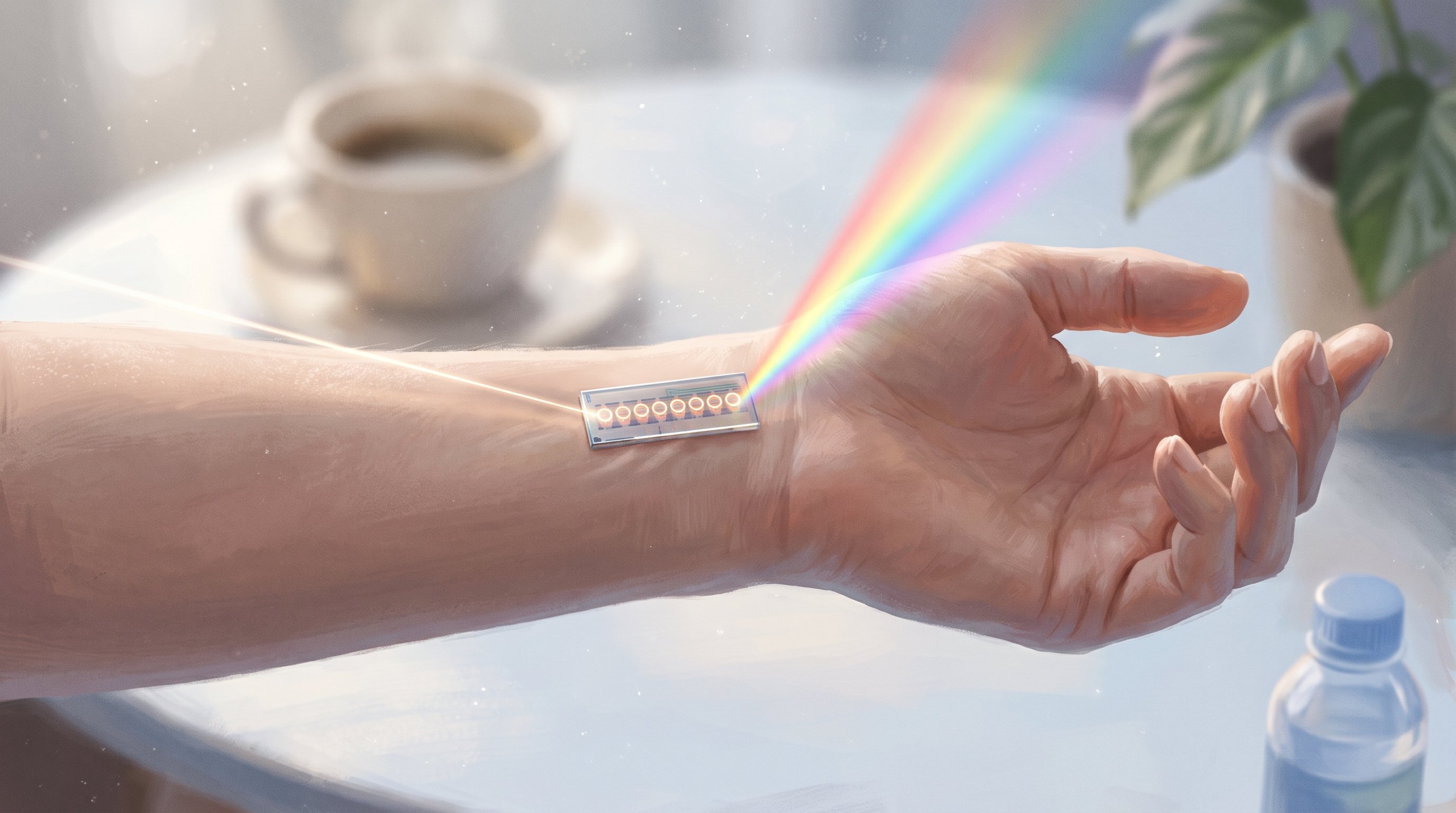
10-dollar light sensor from Cambridge can recognise substances in skin, food and plastic
Researchers at the University of Cambridge made a spectrometer on a chip of a few centimetres, for about 10 dollars. It recognises substances by the light they absorb. In one volunteer it tracked blood sugar without a finger prick; the next step is testing in more people.
-
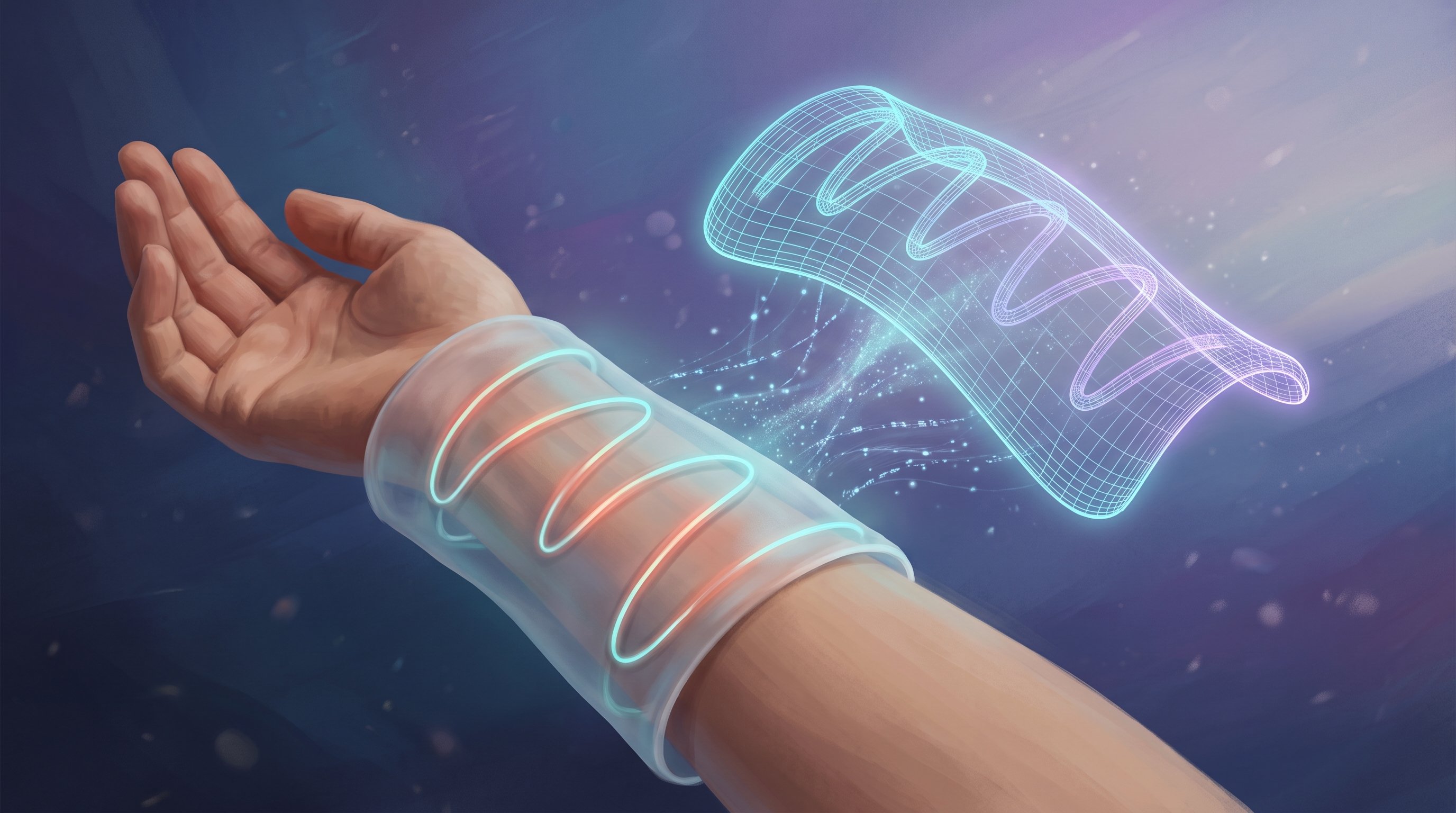
Soft sheet measures how it bends and twists
MIT researchers have made a soft, stretchy sheet with light-guiding fibres that measures how it bends and twists. A computer turns that into a 3D model, accurate to less than half a centimetre. It could later help with physiotherapy, games and robots.
-
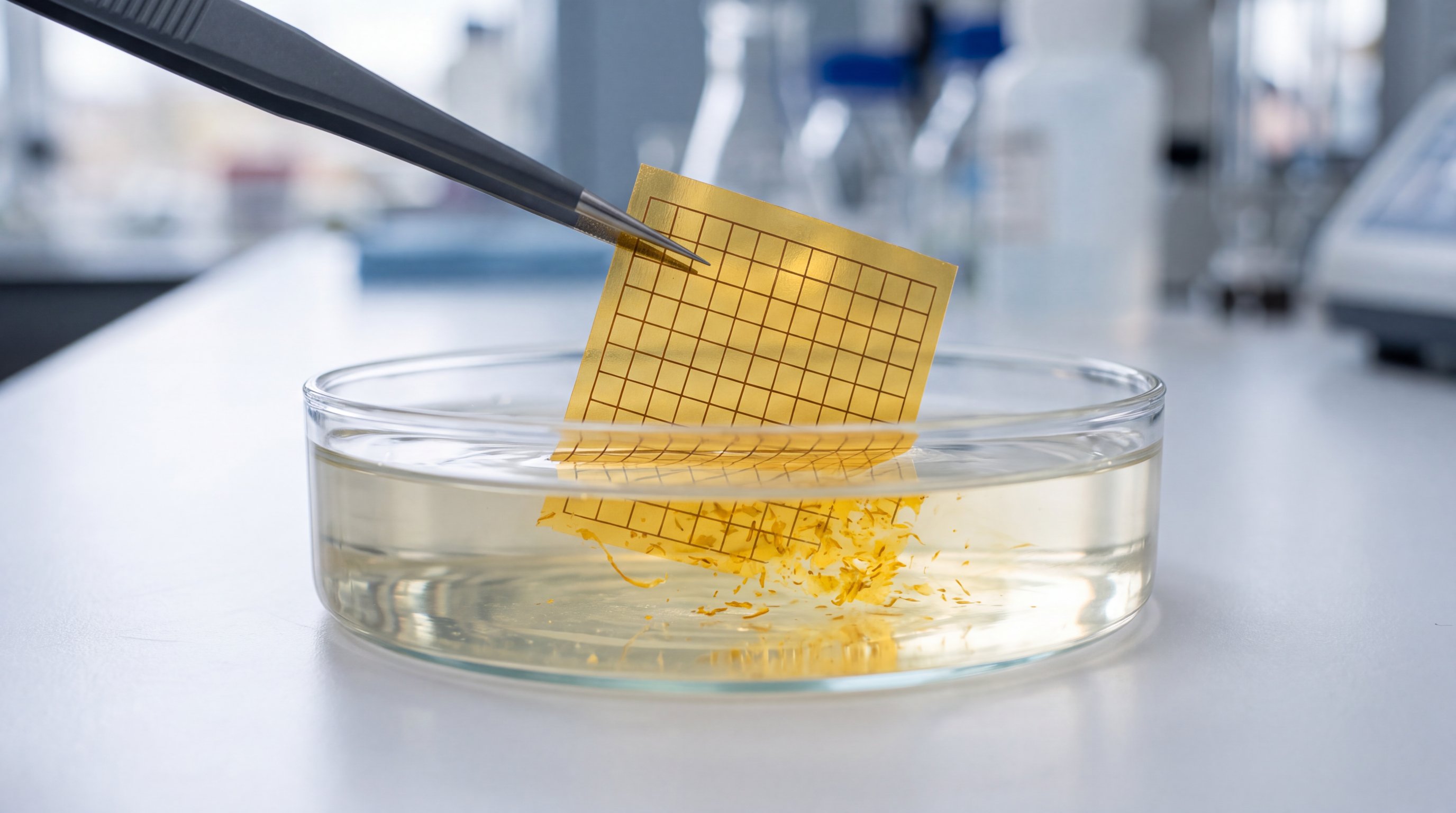
Printed brain-inspired chip dissolves in six minutes after use
Researchers in China have printed a flexible chip that, like our brain, calculates and remembers in the same place. It recognises handwritten digits almost as well as ordinary software and dissolves in six minutes after use.
-
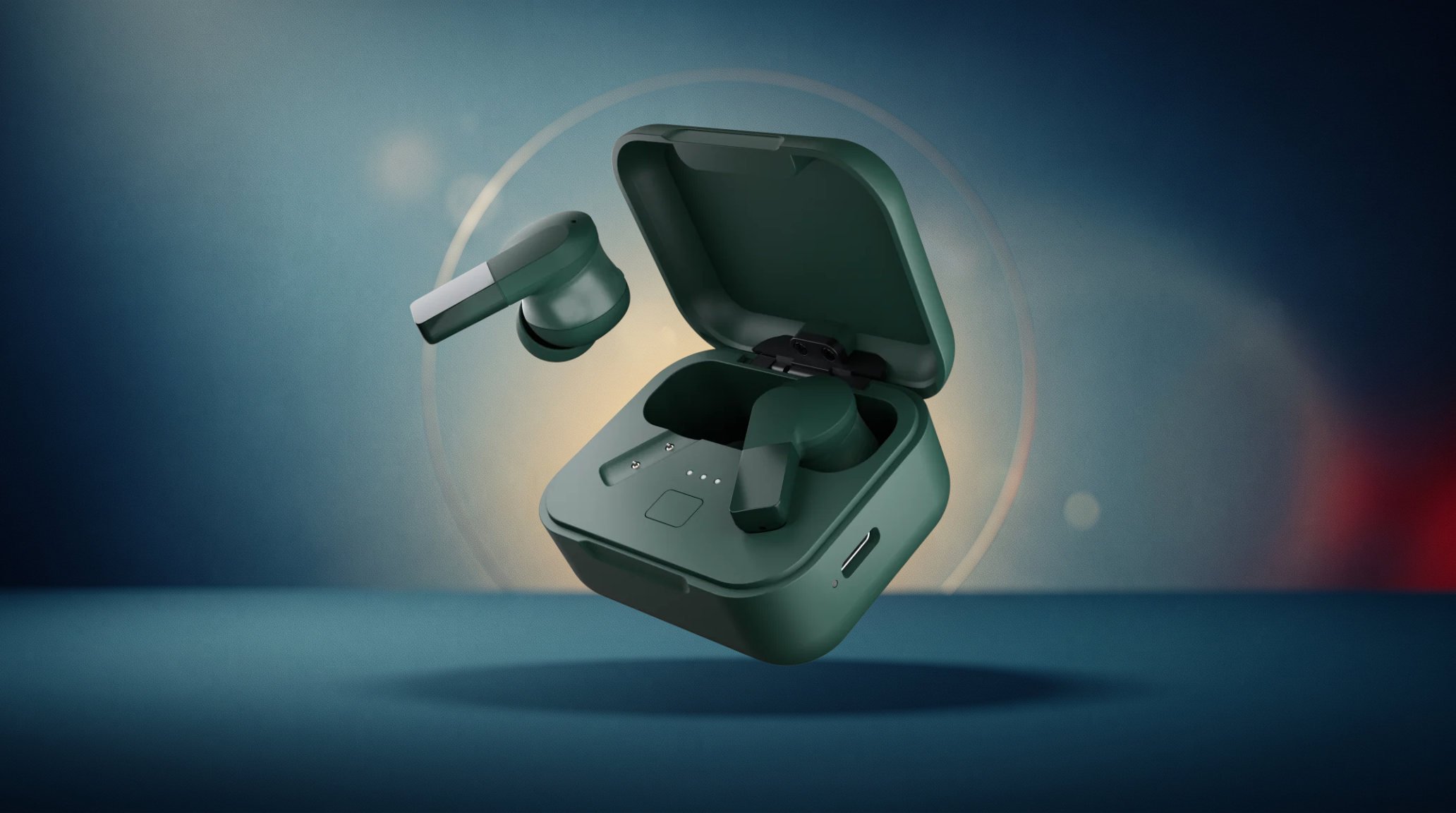
Fairphone launches new earbuds with batteries users can replace themselves
Amsterdam-based Fairphone has launched the Fairbuds 2: wireless earbuds whose batteries, in both the buds and the charging case, can be replaced by the user. They last longer on one charge, have noise cancelling and are cheaper than the first version.
-
AI company pays plumbers and technicians to teach robots home repairs
The American data company HUMXN is paying for repairs to plumbing, electrics and heating and cooling systems in Minneapolis, Chicago and Miami. The technician wears a camera during the job, so that robots can learn how skilled workers solve problems. The resident gets the job done for free.
-
Northwestern builds glasses whose sensors generate their signal from facial movements
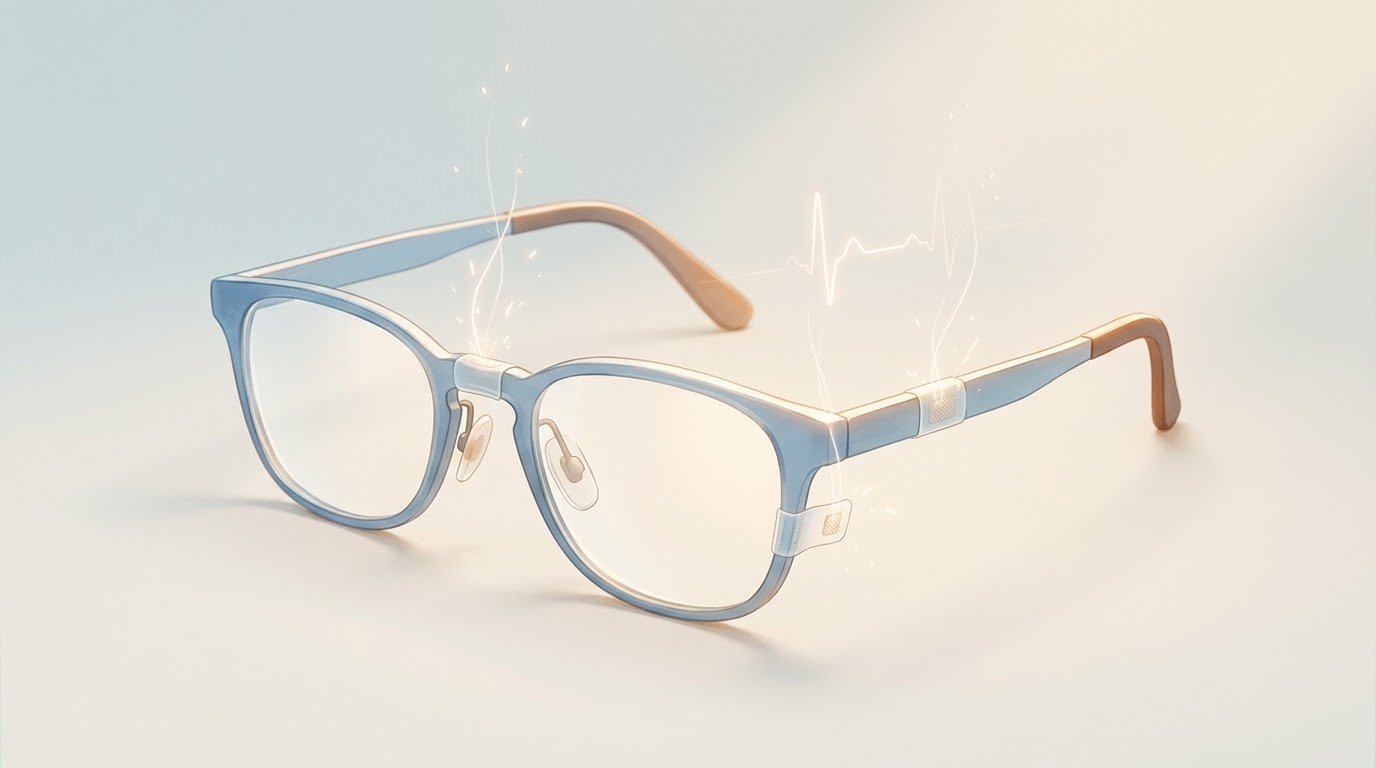
Researchers at Northwestern University built GlassTENG: glasses with sensors that generate their signal from facial movements. They recognise the pulse, firm blinking and jaw movements, and the readout electronics use almost no power. A battery-free version is the next step.