Nederlands
Fairphone launches new earbuds with batteries users can replace themselves
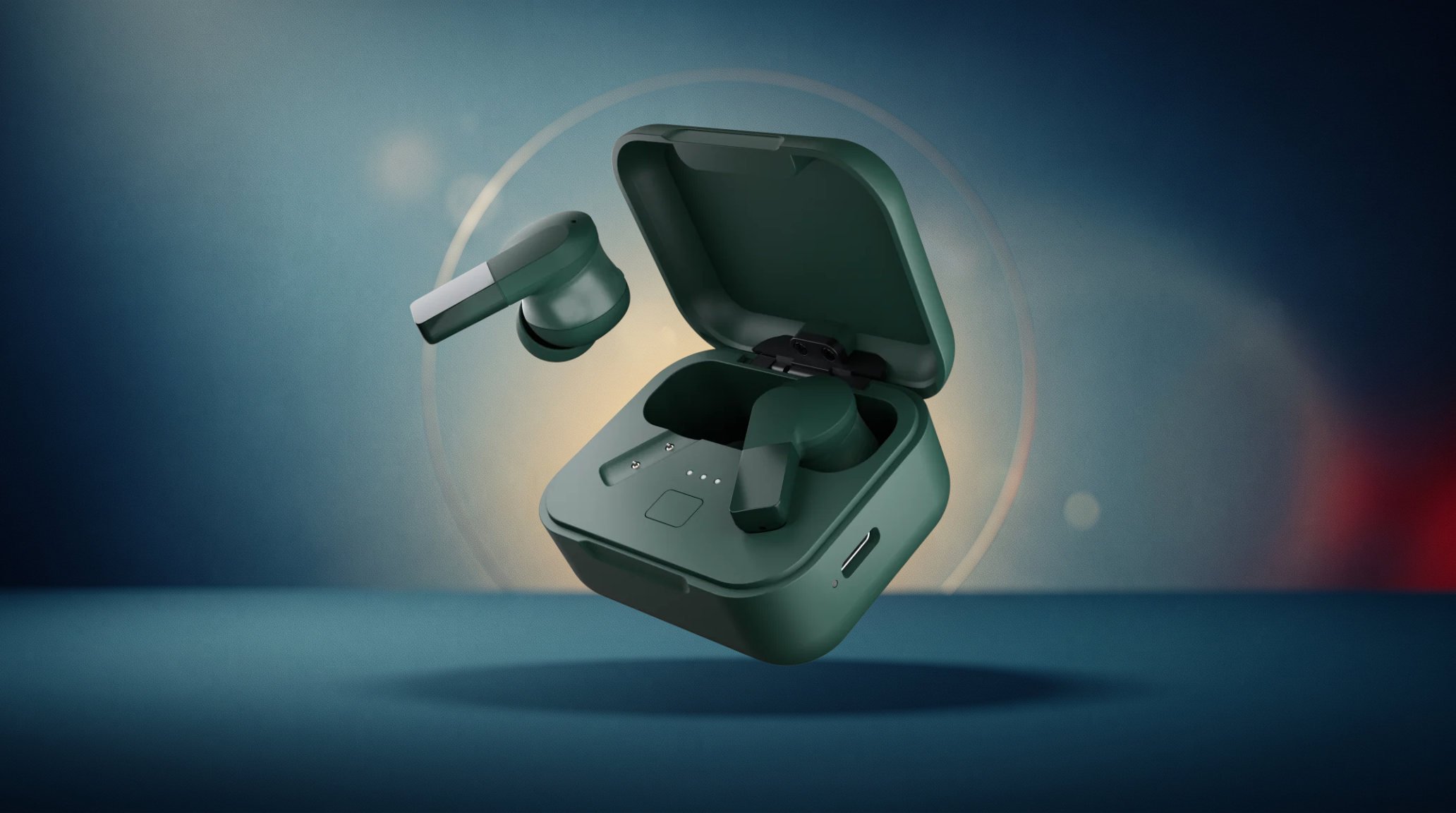
Amsterdam-based Fairphone has launched the Fairbuds 2: wireless earbuds whose batteries, in both the buds and the charging case, can be replaced by the user. They last longer on one charge, have noise cancelling and are cheaper than the first version.
Wireless earbuds have a well-known problem. After a few years the battery no longer lasts as long, and with most brands that battery cannot be replaced. Then the whole set is thrown away, while the rest still works perfectly well.
The Amsterdam company Fairphone, known for the phone that users can repair themselves, takes a different approach. On 14 October 2026 it launched the Fairbuds 2, the successor to the first Fairbuds from 2024. With these earbuds too, the batteries can be replaced by the user, both in the buds and in the charging case.
Repair it yourself
According to Fairphone, the Fairbuds 2 consist of seven parts that users can replace themselves. The batteries are among them. A new battery for the earbuds costs 9.95 euros in Fairphone's European online shop, a new battery for the charging case 12.95 euros. Anyone who loses one earbud can also buy a single replacement.
According to testers, no tools are needed for the battery in the earbuds, because no glue is used. For the charging case, a small screwdriver is needed. Fairphone gives up to three years' warranty.
Listening for longer
The new earbuds are also better than the previous ones in other respects. According to Fairphone, they last up to 8 hours on one charge, or 6 hours with noise cancelling switched on. Noise cancelling dampens sound from outside, such as the rumble of a train. With the extra charges from the case, the total comes to 40 hours. Ten minutes of charging is enough for about two hours of music.
The buds and the case have become smaller and lighter. They now also support a Sony technology for higher-quality music, provided the phone supports it too. They can be connected to two devices at the same time, for example a phone and a laptop. They are also resistant to splashing water and dust.
According to Fairphone, almost half of the weight consists of recycled or fairly sourced materials. The outside contains no PFAS, the so-called 'forever chemicals'.
Price
The Fairbuds 2 cost 119 euros in Europe and are on sale in Fairphone's online shop. That is about 30 euros less than the first Fairbuds cost at their launch. They come in green and black. In the United States, sales start on 2 November.
How good the earbuds sound and how strong the noise cancelling is in everyday use will have to be shown by extensive tests in the coming weeks. The big difference from most competitors is already settled, though: when the battery weakens after a few years, only that part needs to be replaced.
What does this mean for the road to the singularity?
Electronics are getting smarter and smarter. Earbuds, glasses and watches are increasingly getting AI functions, such as an assistant that explains something in your ear or translates a conversation live. As a result, many more of these small devices will appear in the coming years. That makes it more important that they last a long time and that new raw materials are not needed all the time.
Fairphone shows that a small Dutch company can choose its own path here: devices that users repair themselves, with parts that are sold separately. The more manufacturers follow that example, the better technological progress and careful use of raw materials go together.
What is the technological singularity? Read the explanation →