Nederlands
Digital twin
A digital twin is a virtual copy of a real thing, such as a machine, factory or reactor, which lets you practise and make predictions without using the real thing.
A digital twin is a virtual copy of something from the real world: a machine, a factory, a building or even a nuclear fusion reactor. The copy exists in the computer and behaves like the original. You can practise on it, try out what happens if you change something and predict what is coming, without touching the real thing. It is comparable to a flight simulator: the pilot practises in a replica aircraft, so mistakes cost nothing.
How does it work?
For a digital twin you need a model of the thing, built from physical laws, design drawings and measurement data. Sometimes sensors on the real thing keep the twin up to date, so that it moves along with it. Then you can see in the twin what is happening now and what is likely to come.
A twin can also produce data for AI. You let the virtual version generate images or measurements and train an AI model with them, without the real thing having to exist yet.
Why it matters
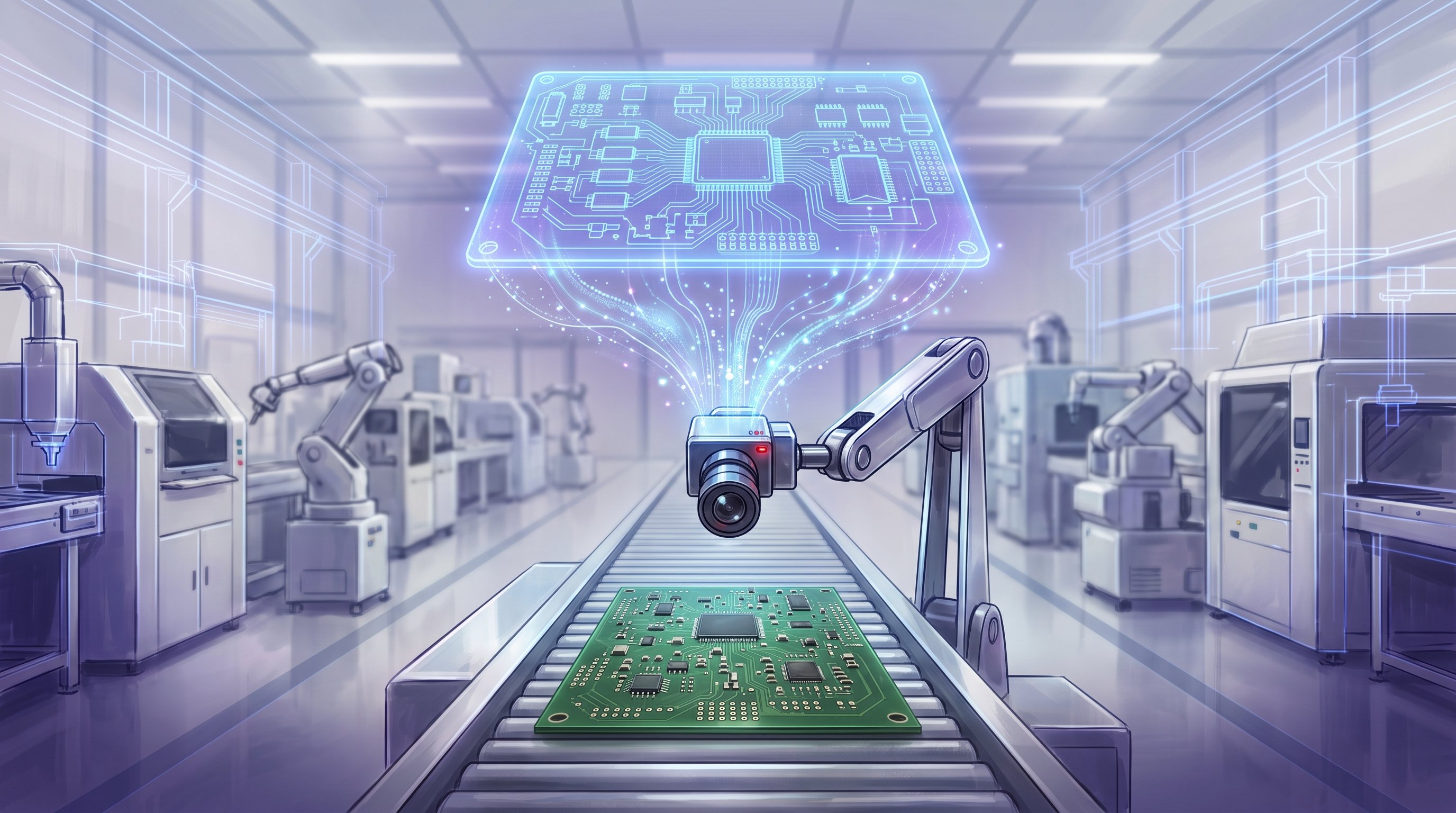
This lets you try things that are expensive, dangerous or impossible in real life. In an electronics factory in Erlangen, Germany, Siemens and Nvidia have AI prepare the production of new circuit boards using a digital copy of the factory. The AI cameras that inspect the boards learn their job on synthetic photos while no prototype exists yet. According to Siemens, that saves up to 85 per cent of the preparation work (link). In the US, Commonwealth Fusion Systems is building a digital twin of the SPARC fusion reactor with four national laboratories, NVIDIA and Google DeepMind, aiming to predict plasma behaviour in under 20 minutes. That is still an ambition, not a result (link).
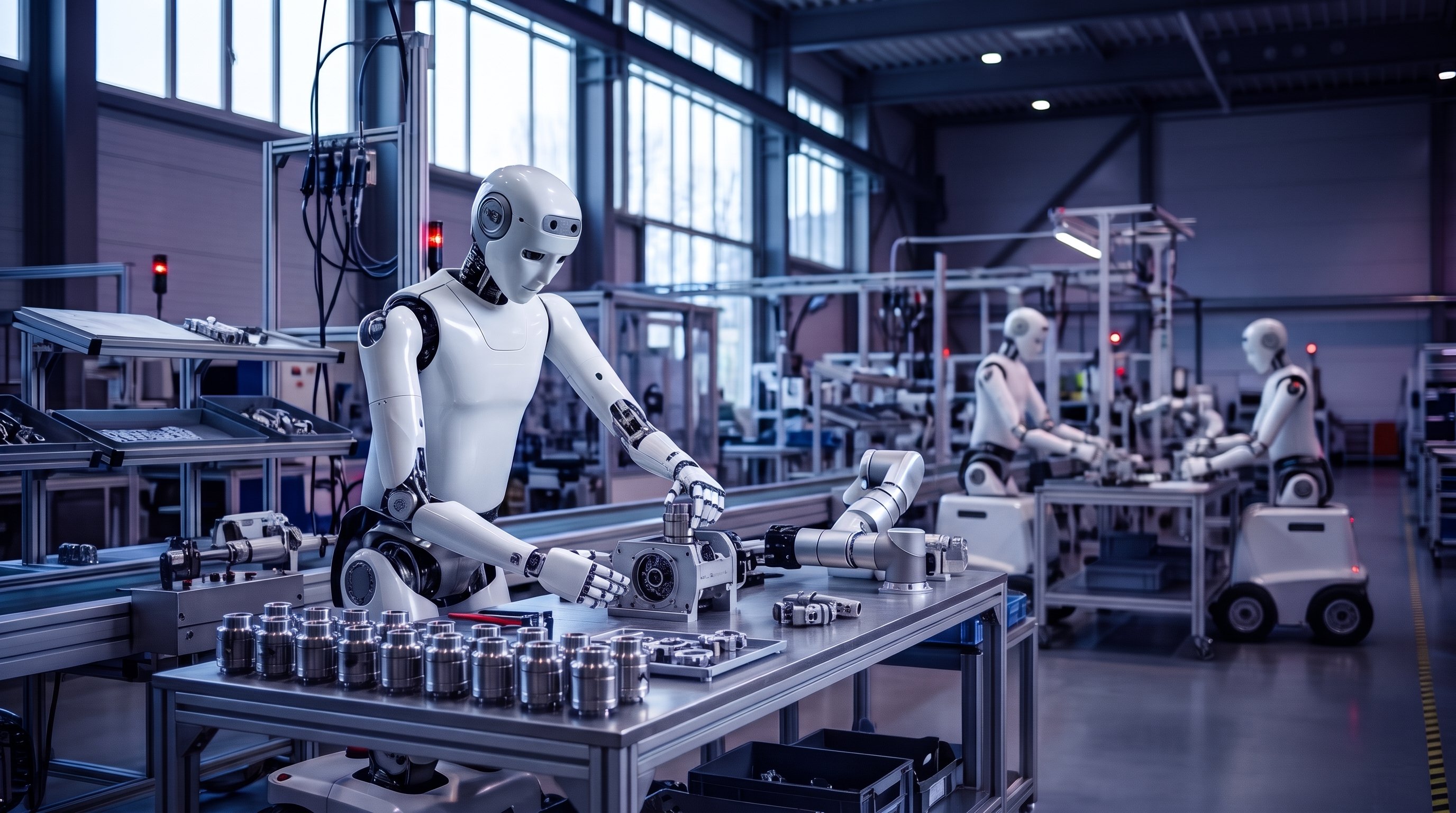
The robot world comes into this too. The German company Schaeffler has opened a factory in Taicang, China, where humanoid robots assemble the 'joints' of new robots. According to the company, mass production of those parts starts there (link). A twin makes it possible to learn and test before anything happens in reality, and that saves time and materials.
Articles about Digital twin
-
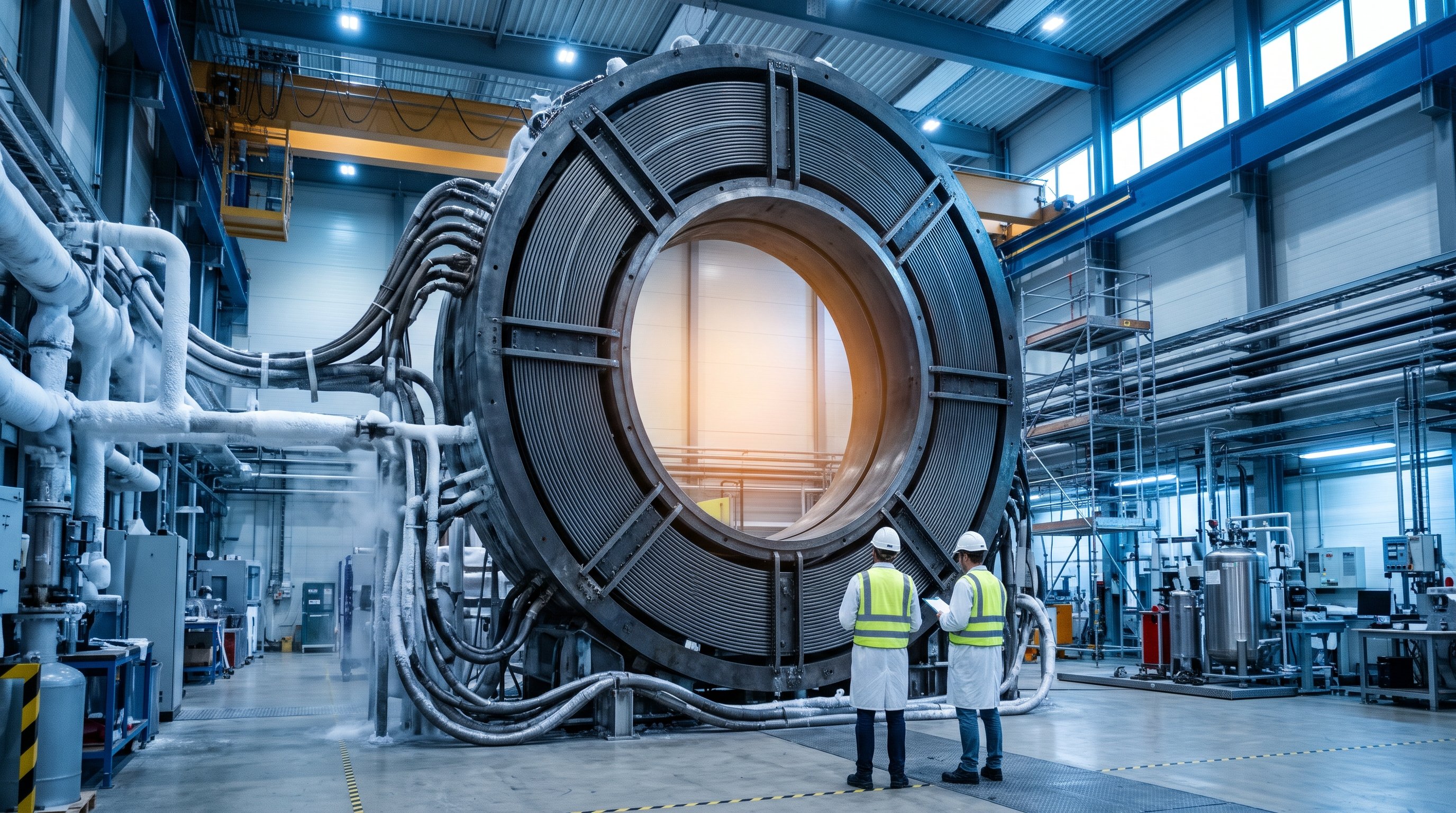
MIT to test a flat superconducting magnet for Thea Energy's fusion plant at full power
The US fusion company Thea Energy is having a large, flat superconducting magnet tested at MIT, at the full magnetic field and full force of a power plant. Flat magnets are much easier to make than the twisted magnets of ordinary stellarators.
-
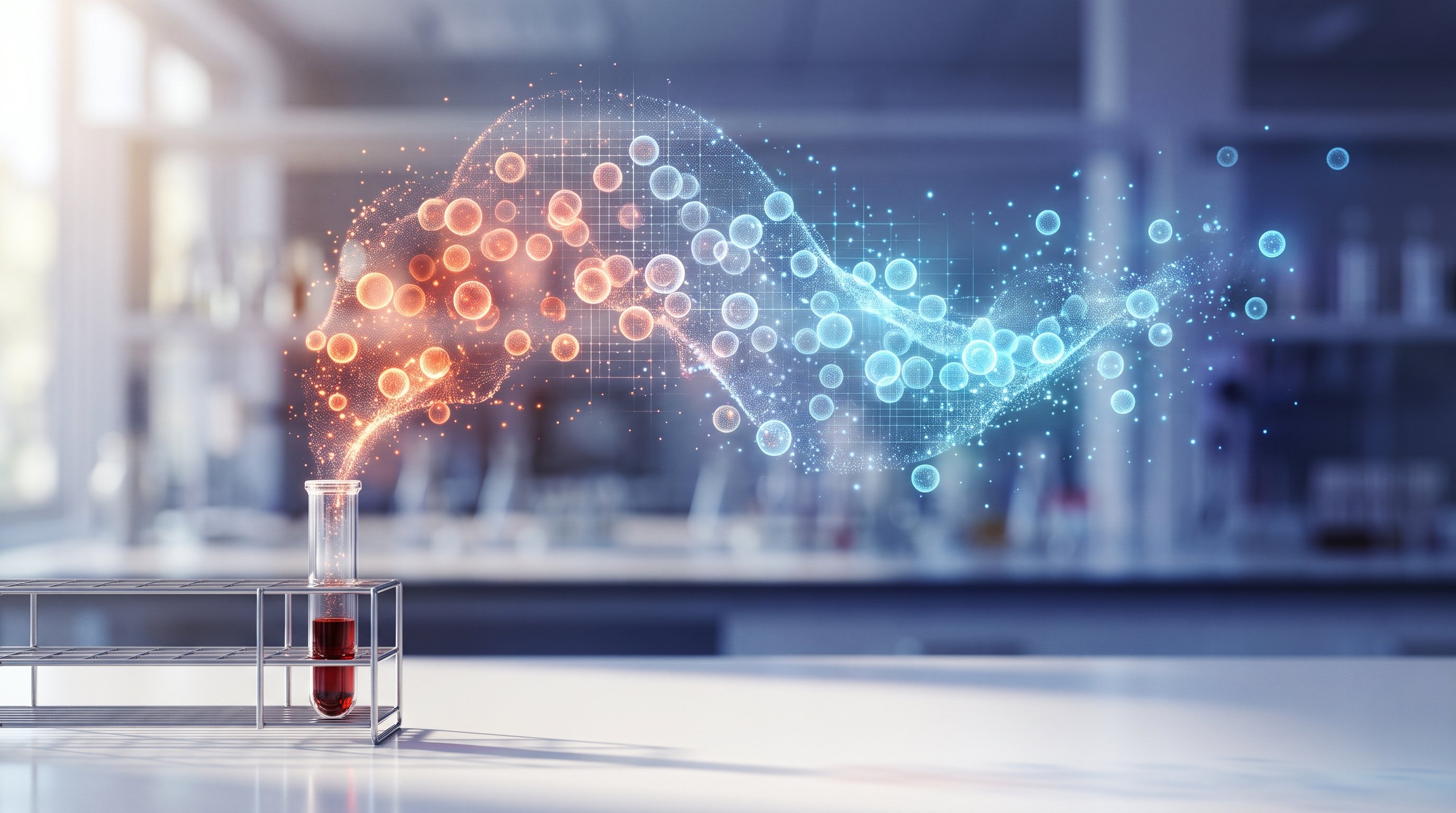
AI copies the immune system of pregnant women and finds a candidate drug against preterm birth
Stanford researchers used digital twins of the immune system to test nine existing drugs. In the simulation, aspirin plus a stomach acid reducer delayed labour far longer than aspirin alone. A large study in pregnant women must show whether this works in real life.
-
In this Chinese factory, humanoid robots build parts for new robots
The German company Schaeffler has opened a factory in Taicang, China, where humanoid robots assemble the 'joints' of new robots. According to the company, mass production of these parts starts there.
-
Siemens factory in Erlangen teaches AI cameras to inspect with simulated photos, before a prototype exists
In a German electronics factory, Siemens and Nvidia let AI prepare the production of new circuit boards with a digital copy of the factory. According to Siemens, this saves up to 85 per cent of the preparation work. It is a first step towards a factory that adjusts itself.
-
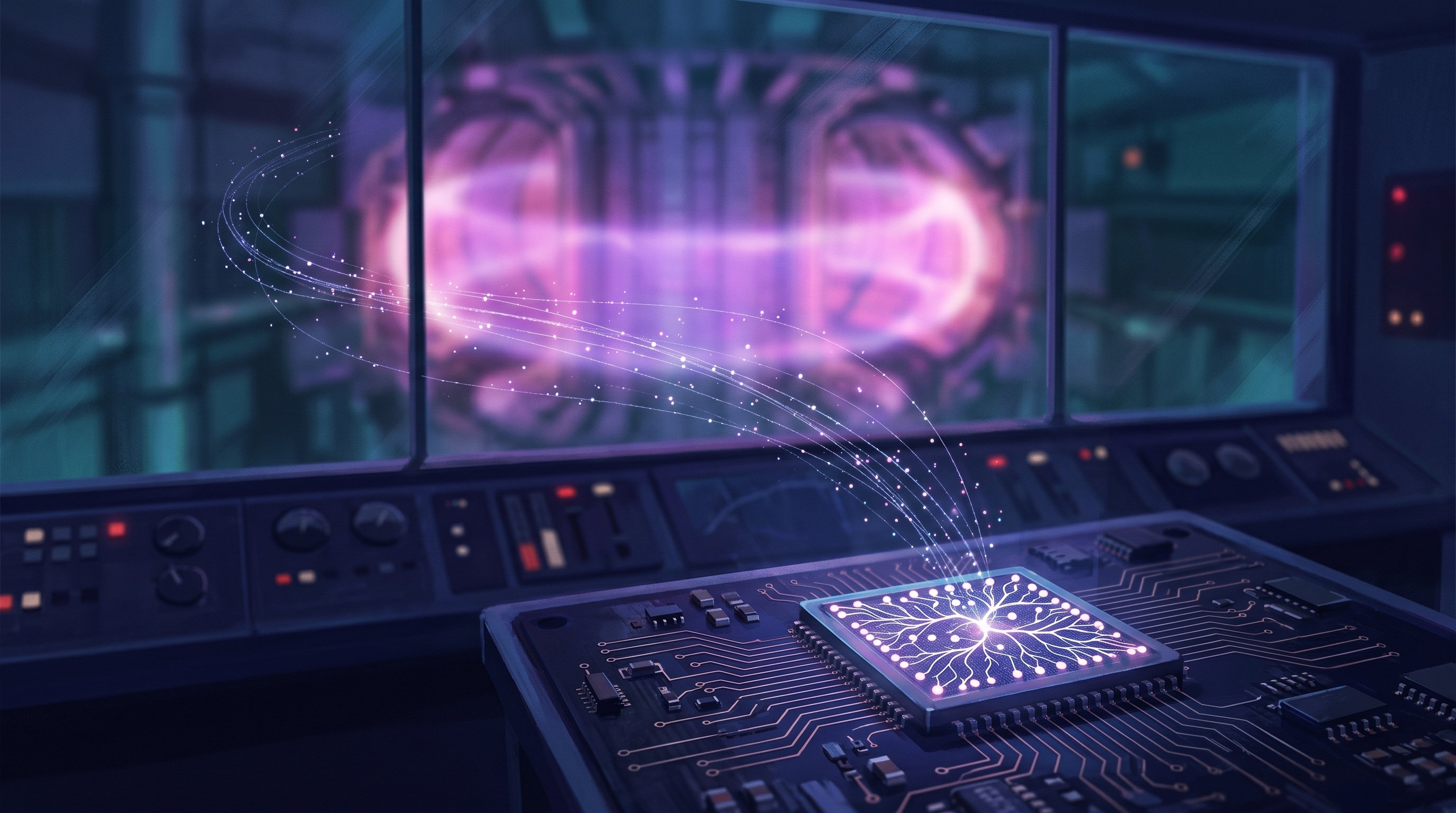
Brain-inspired chip keeps up with a million measurements per second from a fusion reactor
An American team tested a superconducting chip that works like a network of brain cells. It processed measurements from a fusion reactor as fast as they came in. Next year, a chip ten times larger will monitor the reactor itself.
-
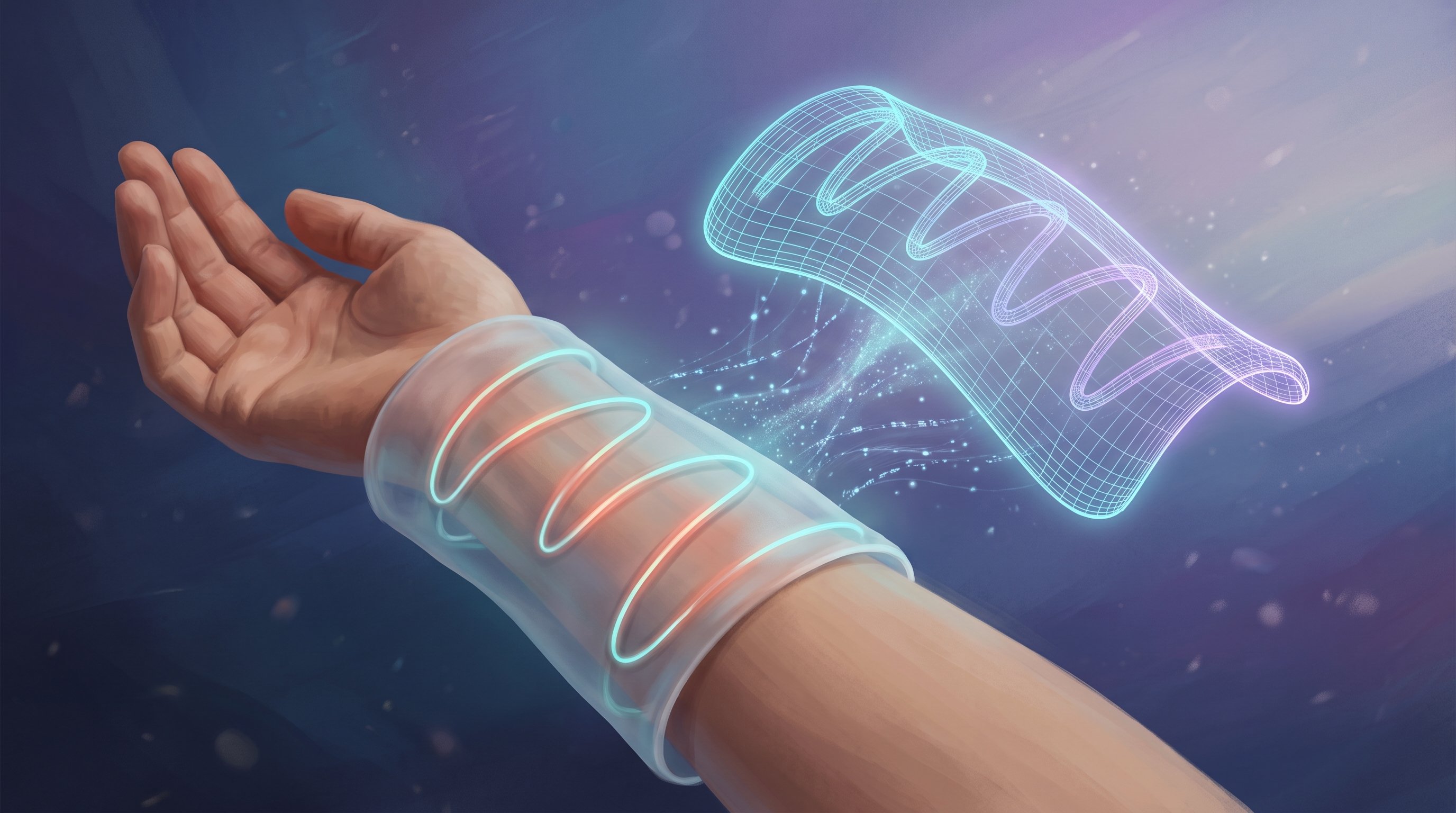
Soft sheet measures how it bends and twists
MIT researchers have made a soft, stretchy sheet with light-guiding fibres that measures how it bends and twists. A computer turns that into a 3D model, accurate to less than half a centimetre. It could later help with physiotherapy, games and robots.
-
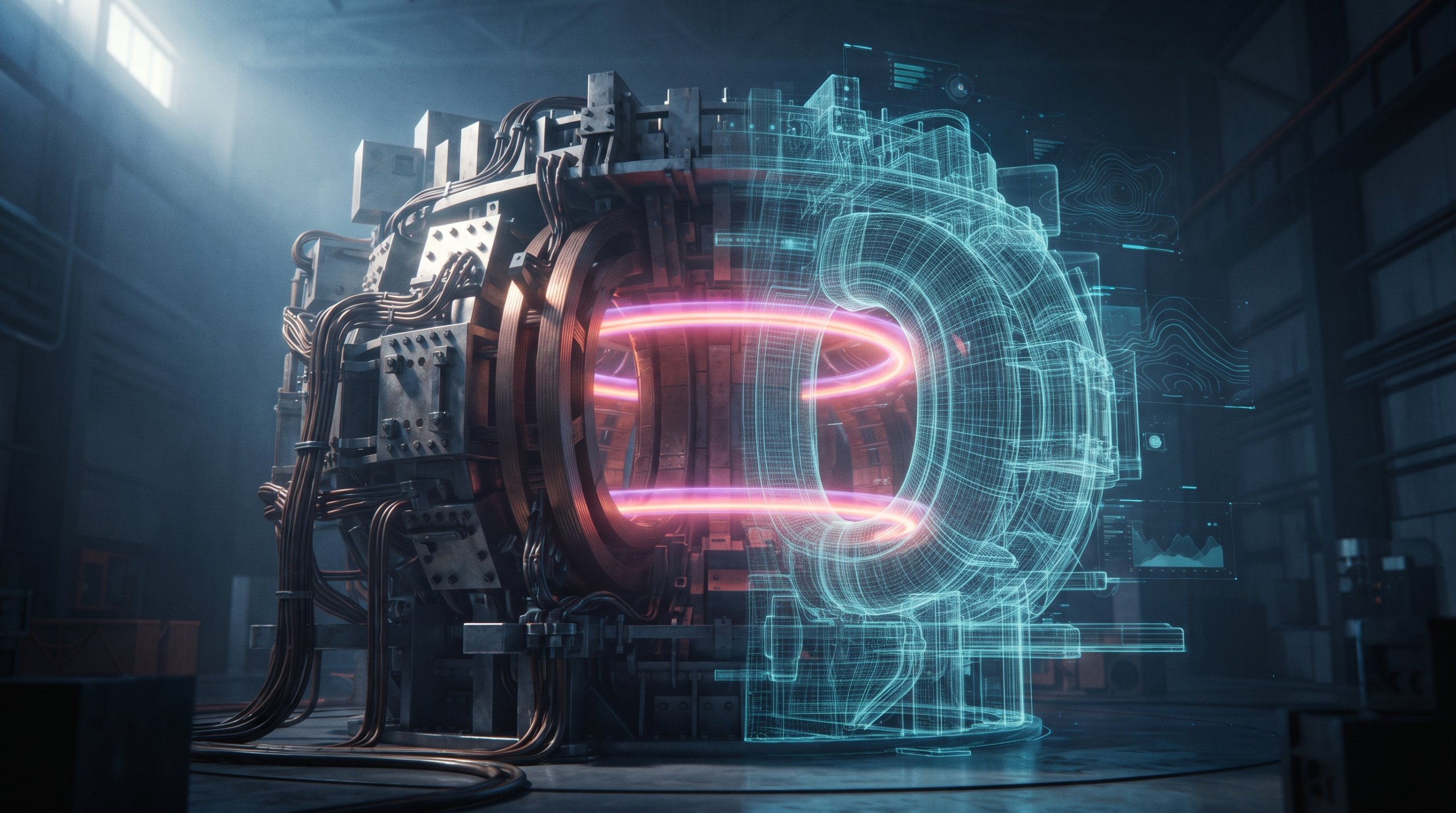
US project builds digital twin of SPARC fusion reactor to predict plasma within 20 minutes
Commonwealth Fusion Systems is building a digital twin of the SPARC fusion reactor with four American national laboratories, NVIDIA and Google DeepMind. The goal: predict plasma behaviour in less than 20 minutes, between two experiments. That is still an ambition, not a result.