Nederlands
Optical fibre
An optical fibre is a hair-thin strand of glass that light travels through. It carries data at great speed over long distances, even under the ocean.
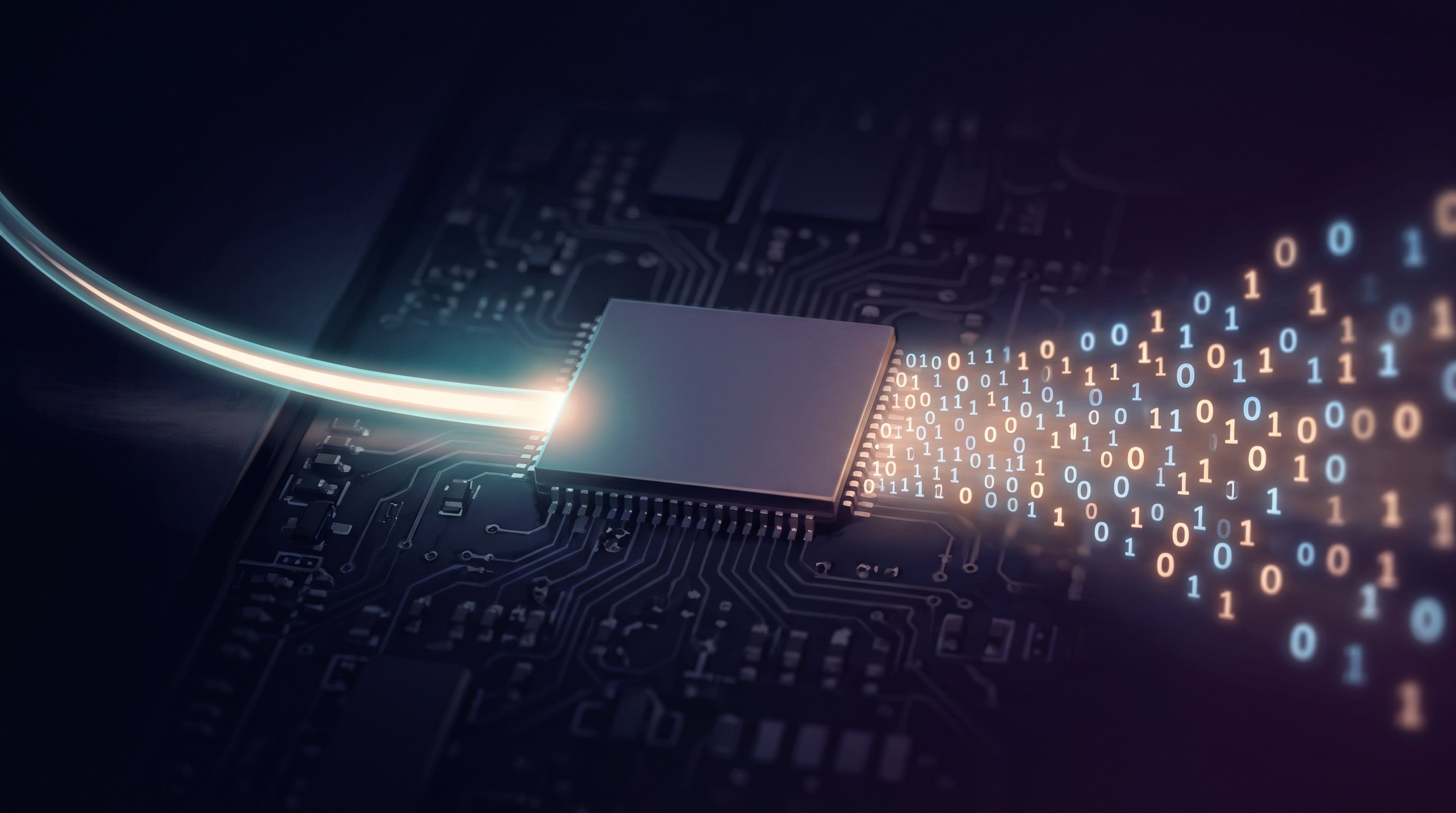
An optical fibre is a strand of glass, thinner than a hair, that light travels through. Data is converted into flashes of light, which pass through the fibre to the other end and are converted back into data there. A large part of the internet runs over optical fibre.
How does it work?
The light stays in the fibre because the glass core reacts to light differently from the cladding around it. The light keeps bouncing back off the edge and so follows the bends of the fibre. A small device, a modulator, converts electrical signals into light signals, and at the other end a receiver converts them back.
Compared with copper wire, light in optical fibre loses much less signal over distance and produces much less heat. You can also send several colours of light through it at the same time, each carrying its own data stream.
Why it matters
AI data centres have thousands of chips constantly exchanging data, and optical fibre is indispensable for that from about a metre upwards. Japanese researchers built a component 0.3 millimetres long that converts electrical signals into light, using tiny holes that slow the light down. It works on low voltage, which makes it far more economical, and sends up to 200 gigabits per second (link). At a major data centre trade show in the US, three companies showed a working server rack in which chips talk to each other via light, with the optical parts right next to the computing chip (link).
A lot is also happening over long distances. Chinese researchers sent 3.2 petabits per second through a single optical fibre with 24 cores (link). Meta is having a subsea cable laid between the United States and France in which each fibre gets two light channels instead of one. According to Meta, that gives 1 petabit per second, twice as much as the best cables today (link).
Articles about Optical fibre
-
German company makes a molecule that stores quantum information and can pass it on with light
The German company NVision and researchers from Ulm and Jerusalem describe in Nature a molecule of carbon and hydrogen that stores quantum information and can pass it on with light. Such a building block could later link quantum computers together.
-
Chinese team sends 3.2 petabits per second through a single optical fibre
Chinese researchers sent 3.2 petabits per second through one optical fibre with 24 cores, and the equipment processed everything straight away. That is a record for this kind of real-time measurement and could help connect AI data centres faster in future.
-
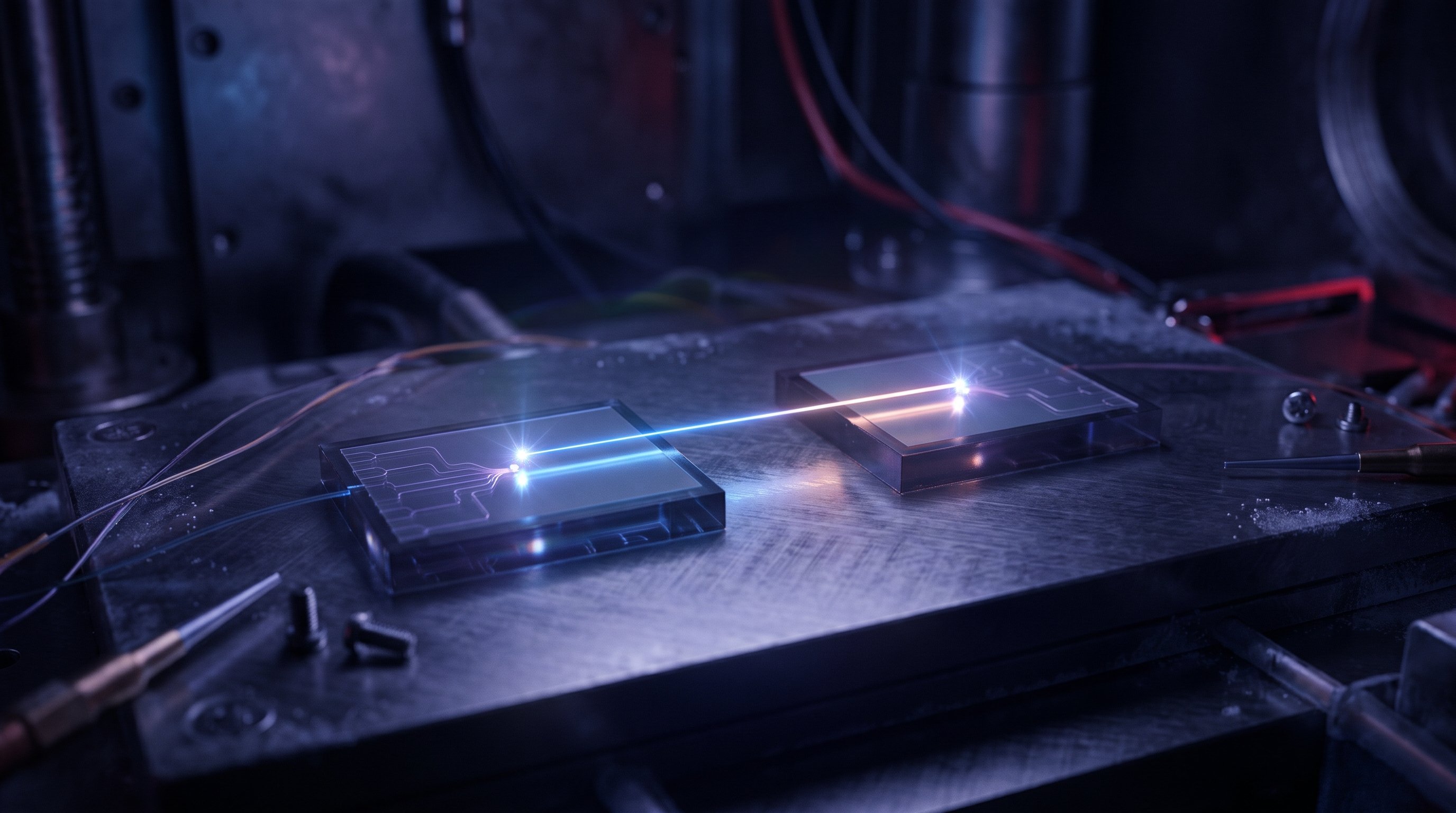
Tiny holes that slow down light make a small Japanese chip for optical fibre far more efficient
Japanese researchers built a component that turns electrical signals into light, using tiny holes that slow the light down. It is 0.3 millimetres long, runs on low voltage and sends up to 200 gigabits per second. The next step: losing less light along the way.
-
Soft sheet measures how it bends and twists
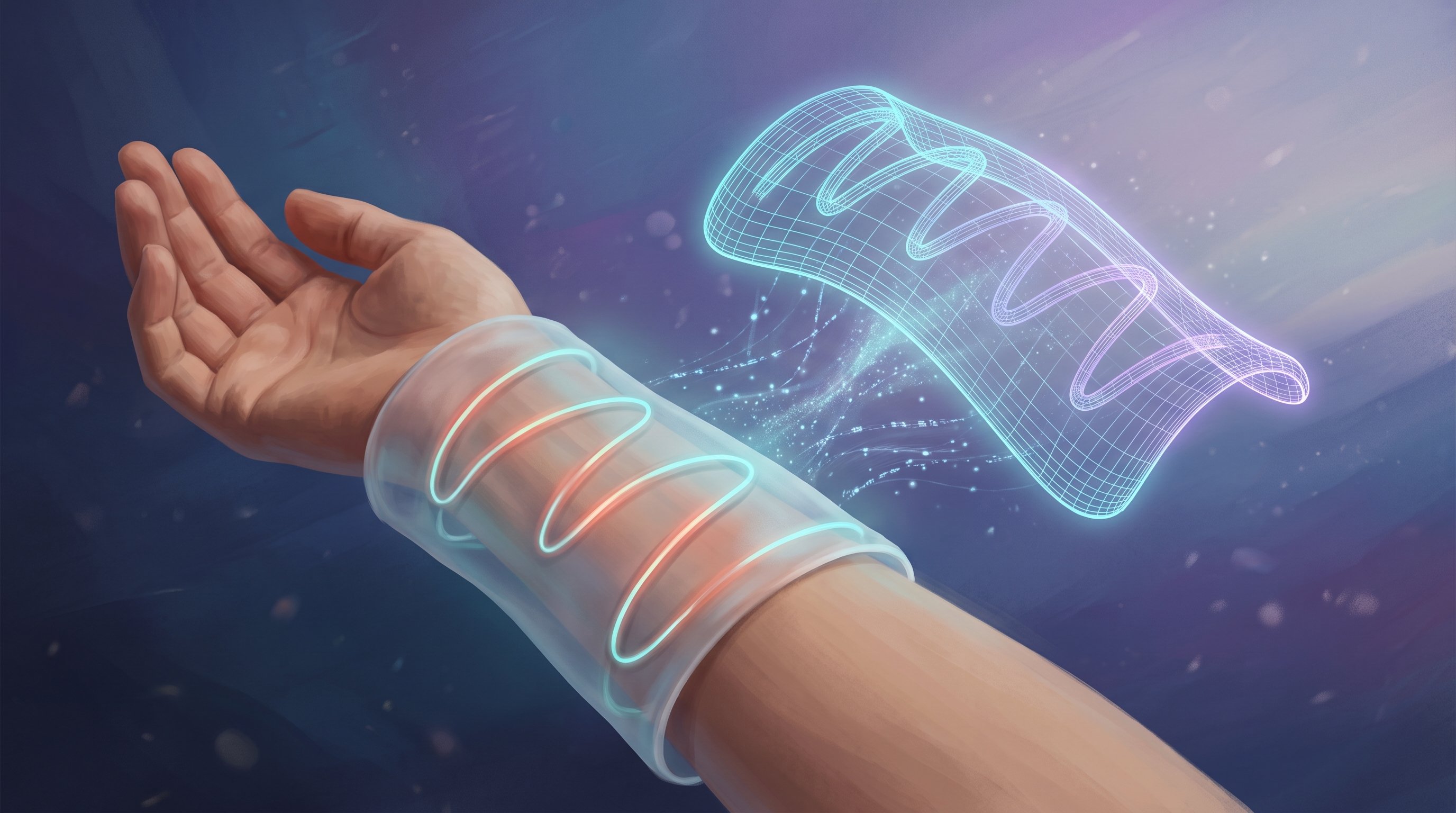
MIT researchers have made a soft, stretchy sheet with light-guiding fibres that measures how it bends and twists. A computer turns that into a 3D model, accurate to less than half a centimetre. It could later help with physiotherapy, games and robots.