Nederlands
Working AI server rack lets chips talk through light, with the optics right next to the chip
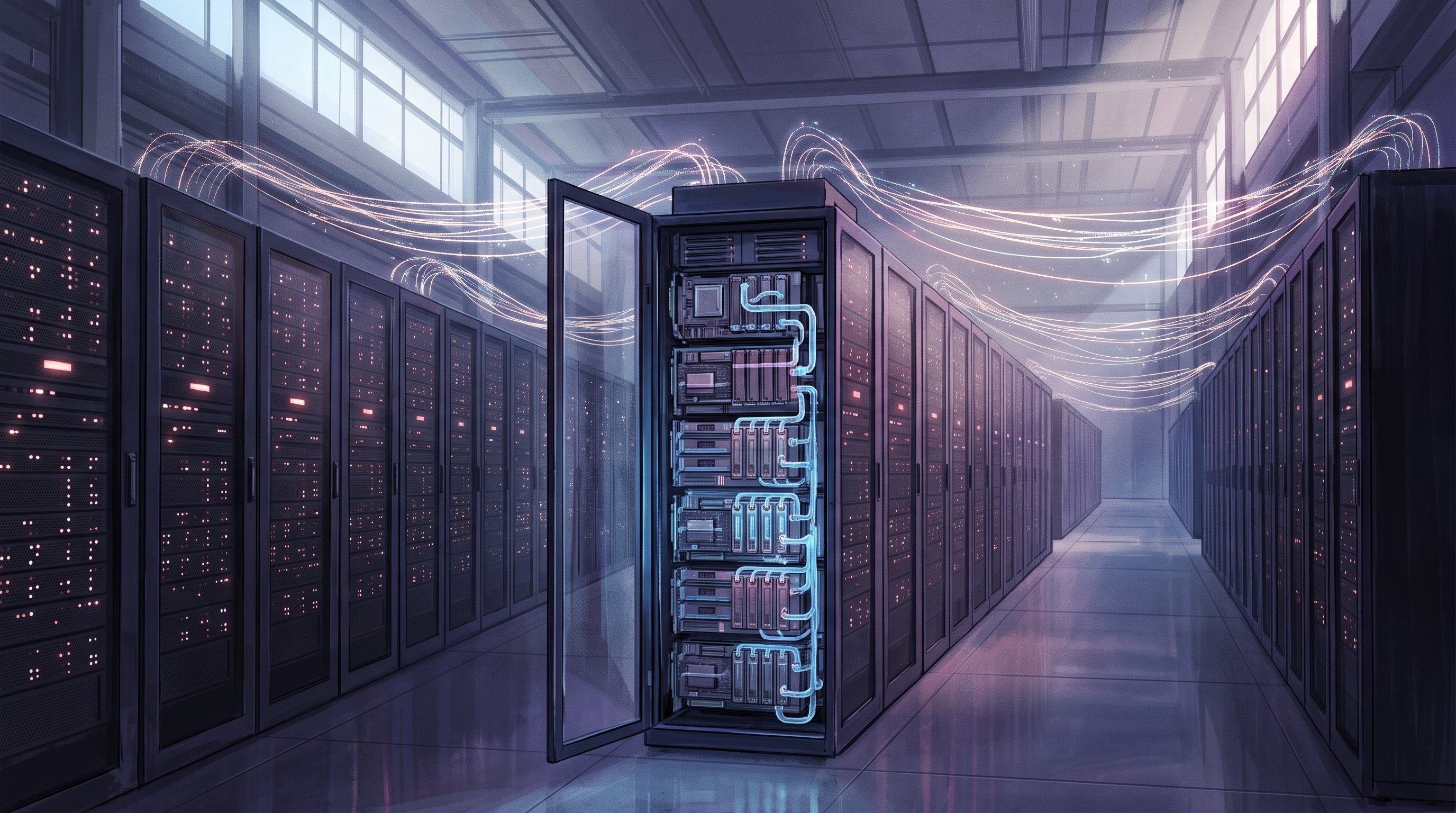
At a major data centre trade show in the US, three tech companies showed a working server rack in which chips talk through light, with the light components right next to the computing chip. That could make AI data centres much more energy-efficient. Large-scale production is next.
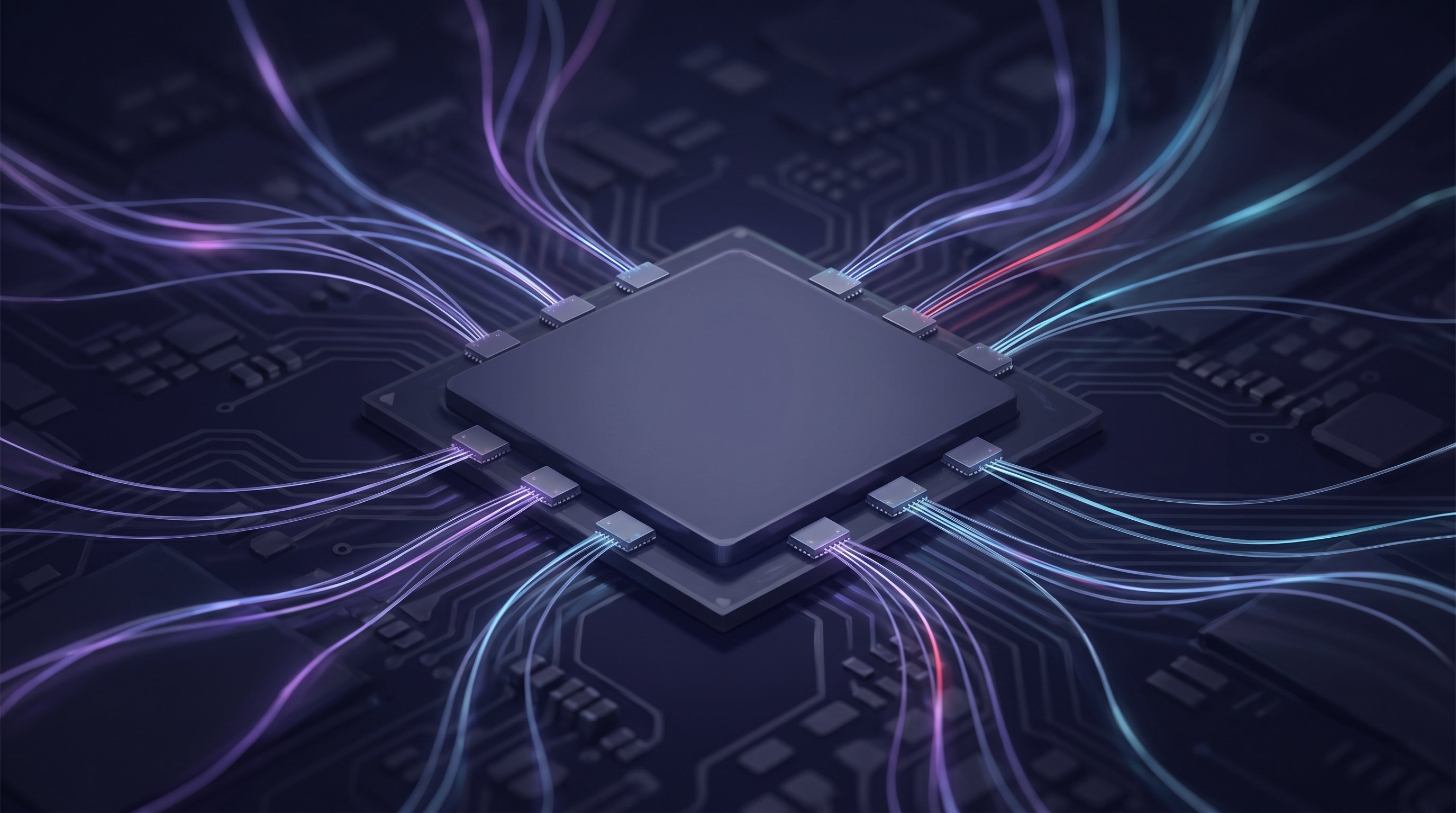
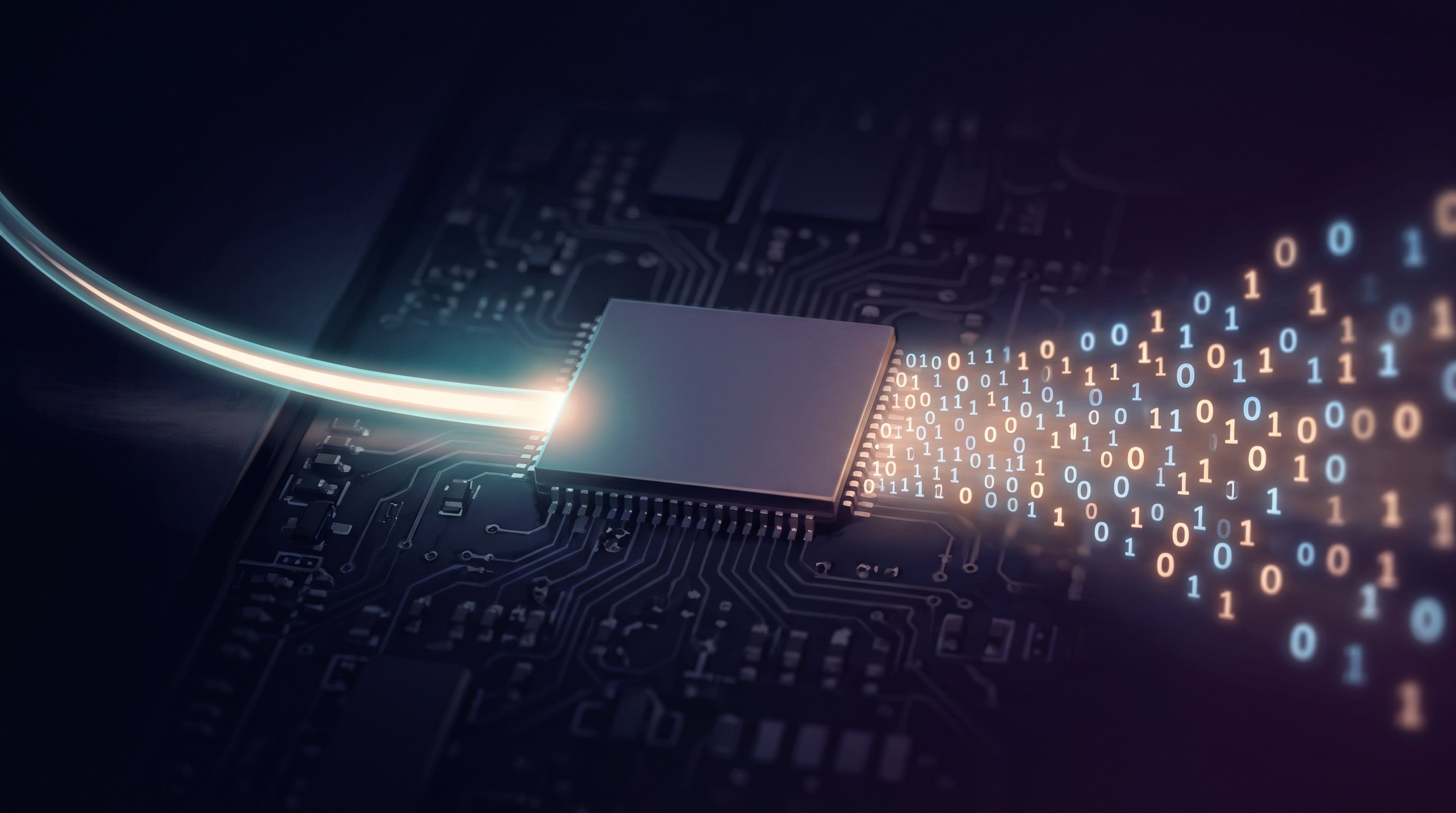
In an AI data centre, thousands of chips work together on one task. To do that, they constantly have to exchange data, and that takes a lot of electricity. Today, that data travels over short stretches of copper wire to separate light modules at the edge of a server. There, the electrical signal is converted into light, which travels on through glass fibre. The longer the piece of copper, the more energy it takes to keep the signal strong enough.
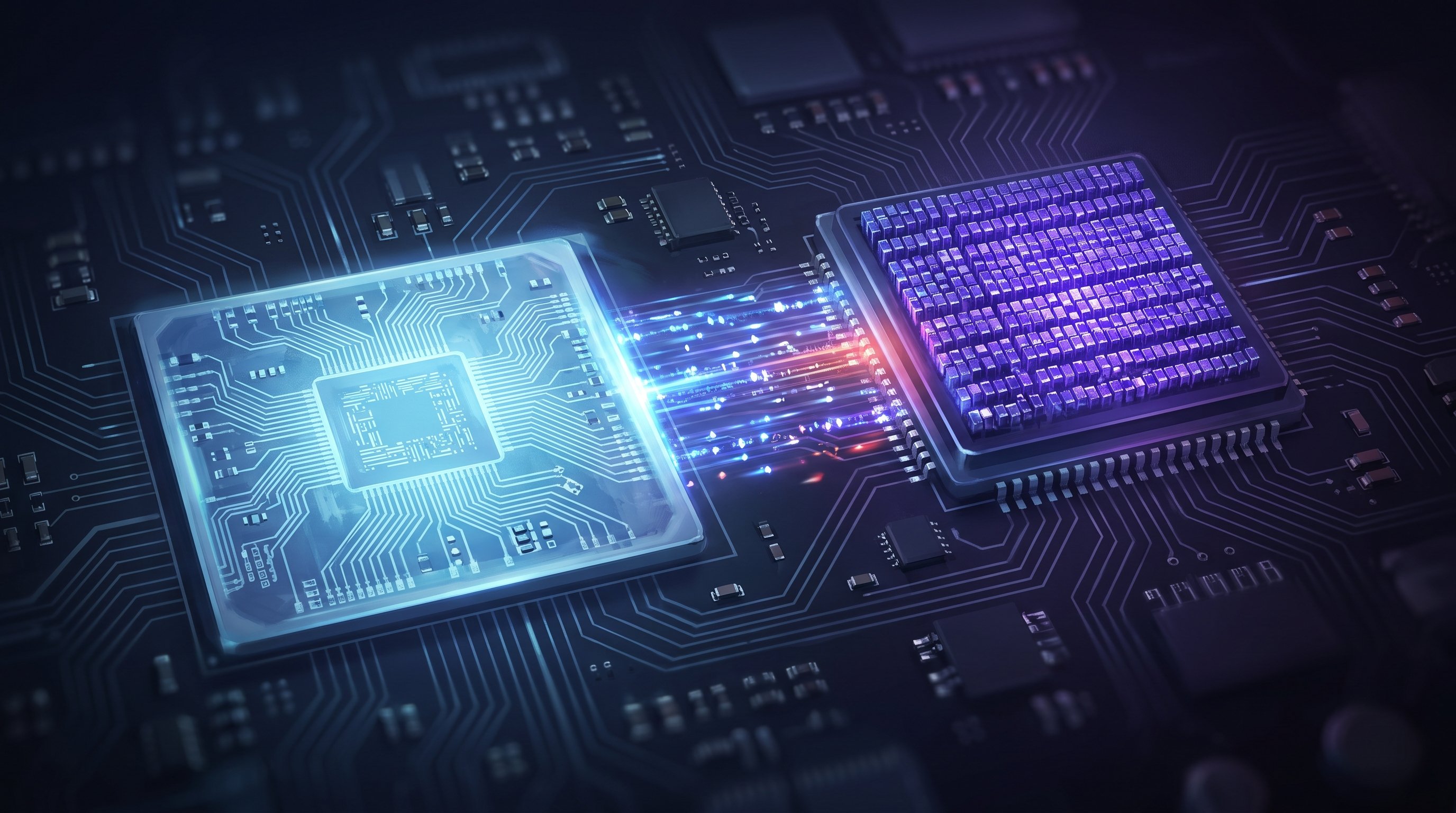
One solution is to put the light components much closer to the chip, in the same chip package. This is called co-packaged optics: optics packaged together with the chip. The companies Wiwynn (a Taiwanese server builder), Ayar Labs (an American company that makes light chips) and GUC (a Taiwanese chip designer) have now shown such a system running in a complete server rack.
What was on show
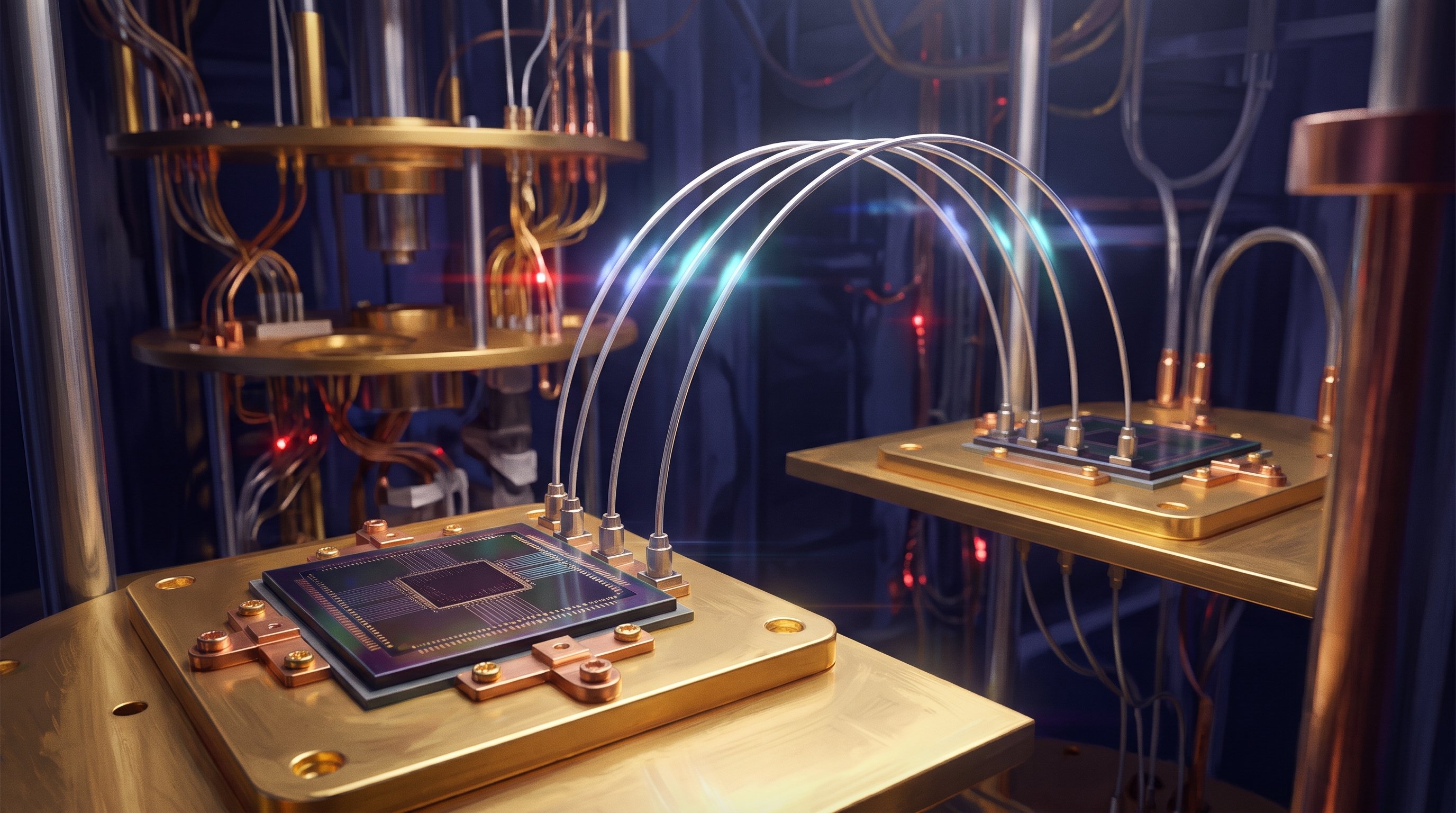
The demonstration took place at the OCP Global Summit, a large trade show for data centre technology in San Jose, from 12 to 15 October 2026. The rack contained a computing chip from GUC with light chips from Ayar Labs next to it, which received their light from separate laser sources. Screens showed live how the light connections were working. The system itself monitored whether the light stayed stable as the chips heated up. The companies also showed how the glass fibres run neatly through the rack and how a technician can disconnect them for maintenance.
According to Wiwynn's chief executive William Lin, the trial shows that the light components work reliably in a real system. Ayar Labs' chief executive Mark Wade says the question is no longer whether it works, but whether it can be built and managed on a large scale.
Up to seventy per cent less power for the connections
The gain lies in the distance. With a separate light module, the electrical signal has to travel centimetres; with co-packaged optics, only millimetres. As a result, an extra chip to boost the signal is no longer needed. According to figures from chipmaker Nvidia, this cuts the consumption of such a fast connection from about 30 to 9 watts: some 70 per cent less. The tech site TechTimes calculated that in a data centre with 100,000 AI chips, this could save more than 2 megawatts. That is roughly the average electricity use of thousands of households.
Each Ayar Labs light chip reaches a total of 4 terabits per second, by sending data over several colours of light at once. That is enough to send about a hundred high-quality films every second.
What still has to happen
One drawback is that the light components are attached to the expensive computing chip. If one breaks, the whole package is worthless. So the factories have to make very few mistakes. In addition, the agreements on how components from different brands work together still need further testing. The companies now want to move to large-scale production, so that large cloud companies can approve the technology and start using it.
What does this mean for the road to the singularity?
AI is growing fast, and electricity is one of the biggest brakes. More and more data centres are running up against the limits of the power grid. If the connections between chips cost much less energy, more power is left for the actual computing work. Light instead of copper is therefore an important building block for the much larger AI systems that are on their way.
What makes this interesting is that AI can contribute to it itself. A system that measures every light connection live produces huge amounts of measurement data. AI models can spot early in that data that a laser is starting to drift or a connection is getting weaker, before anything goes wrong. In this way, AI helps to build and maintain the machines that the next generation of AI runs on.
What is the technological singularity? Read the explanation →