Nederlands
Construction permit for four Xe-100 nuclear reactors at Dow plant in Texas
The US nuclear regulator has issued a construction permit for four Xe-100 reactors at a Dow plant in Texas. Dow has not yet taken a final decision to build the power station.
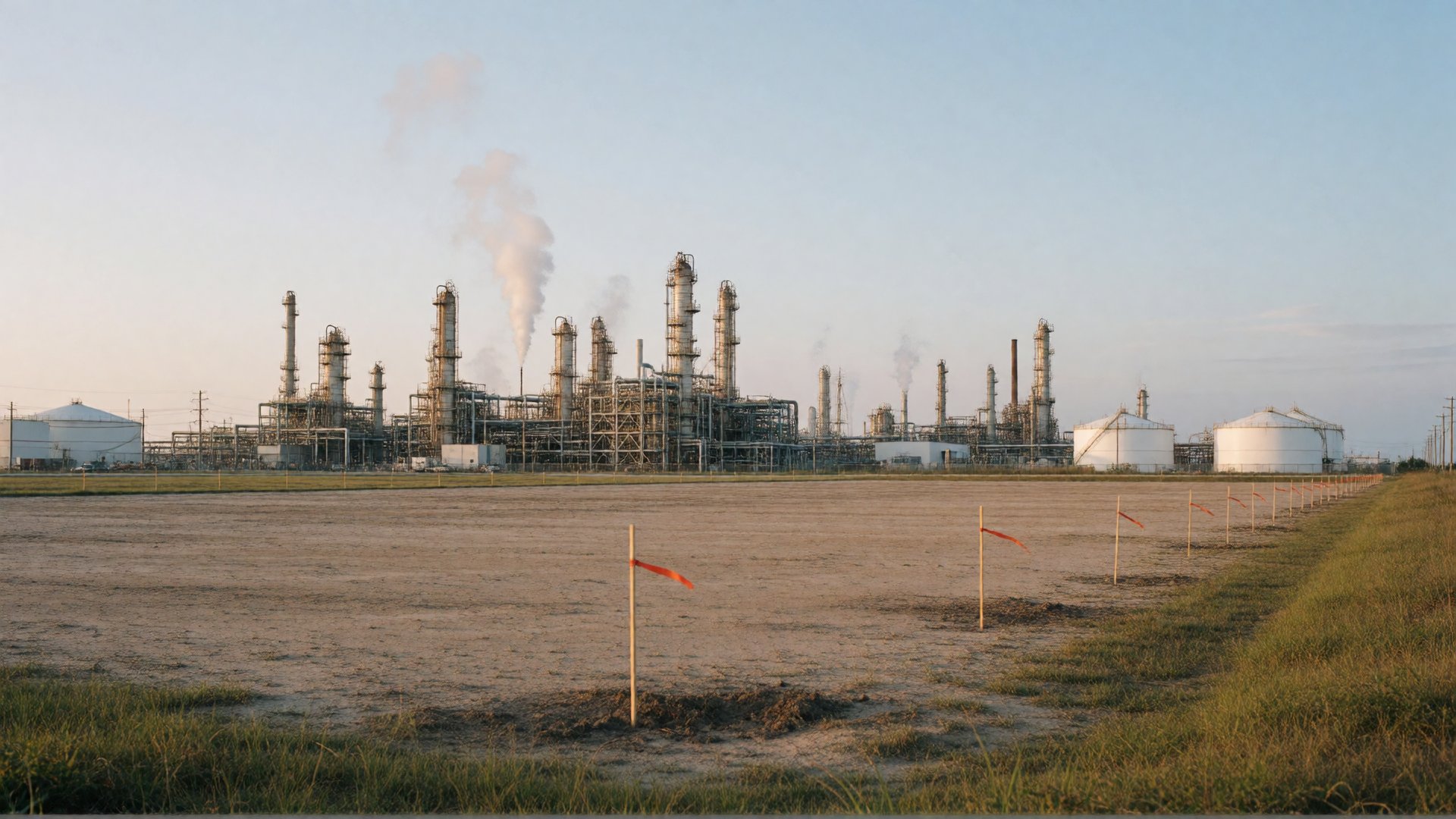
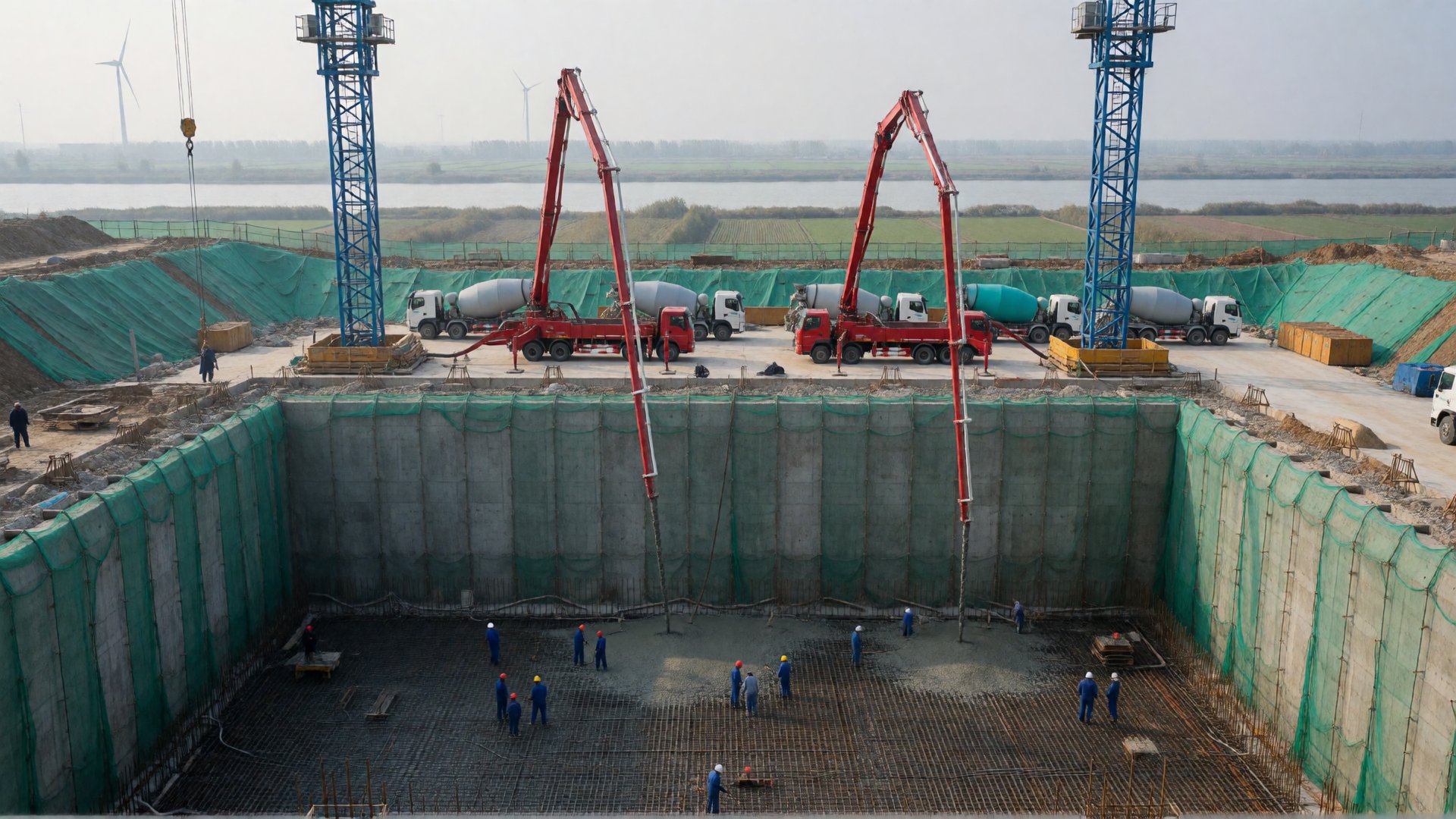
The US nuclear regulator, the Nuclear Regulatory Commission (NRC), issued a construction permit on 9 November 2026 for the planned Long Mott Generating Station in Texas. The permit follows the safety review that the NRC completed on 30 October: the regulator then concluded that the design of the Xe-100 reactor and the chosen site are safe enough to start building. According to NRC chairman Ho K. Nieh, it is the first US construction permit for a gas-cooled high-temperature reactor in more than half a century.
The power station, with four small reactors, will be built at chemical company Dow's plant in Seadrift, Texas. Dow subsidiary Long Mott Energy is developing the project together with reactor builder X-energy, with support from a US Department of Energy programme for new reactor types. According to X-energy, it is the first time the NRC has approved a new-generation nuclear power station for an industrial site in the United States.
The permit allows construction, but not yet loading fuel or switching the reactors on. That requires a separate operating licence after construction.
Steam for the plant
A chemical plant needs not only electricity but also a lot of hot steam, which today is usually made with gas. Together, the four Xe-100 reactors are to deliver 800 megawatts of heat, or 320 megawatts of electricity. Dow mainly wants to use them to make steam for its own plant; any electricity left over can go to the grid. According to Dow and X-energy, the reactors will replace electricity and steam installations that are at the end of their working life.
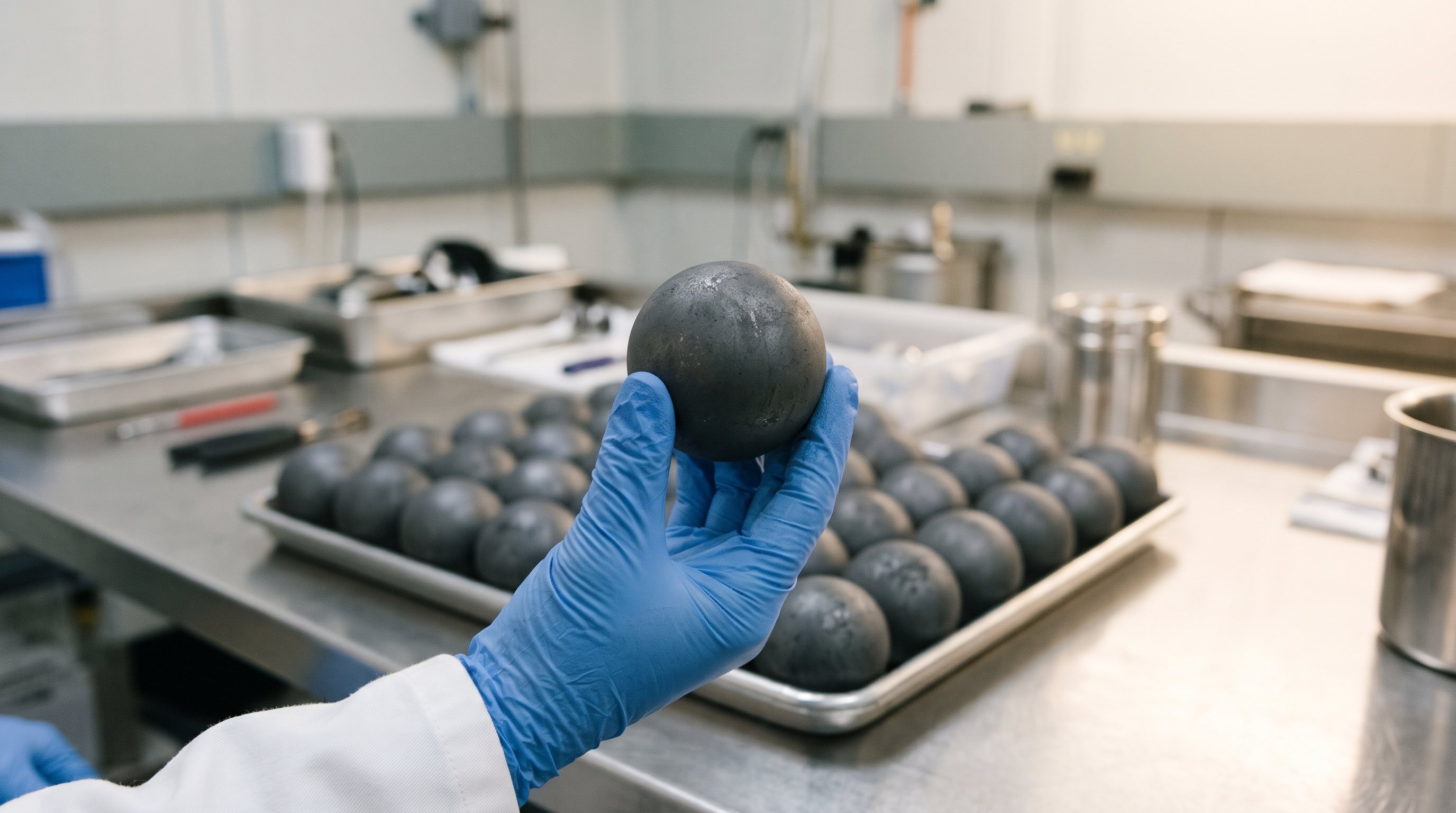
Ordinary nuclear power stations are cooled with water. The Xe-100 uses helium gas and can therefore get much hotter, and that heat is exactly what a plant needs for steam. The fuel is held in balls the size of a billiard ball. Each ball contains thousands of tiny grains of uranium, and every grain is wrapped in protective layers. Because the fuel consists of separate balls, new balls can be added while the reactor keeps running. According to X-energy, it is the first time the NRC has approved such a reactor with a bed of fuel balls.
No final decision yet
Dow stresses that the permit is not yet a decision to build. First the design must be finished and the board of directors must assess the project. According to X-energy, Dow is expected to take a first investment decision in 2027. If the project goes ahead, construction could start later this decade and the power station could be running in the early 2030s, according to Dow.
What does this mean for the road to the singularity?
The factories of the future need not only electricity but also a lot of heat, and today that mostly comes from gas. With this permit, a new type of nuclear reactor that can make very hot steam itself has been approved for construction for the first time. If the build in Texas succeeds, it will serve as an example for more factories and data centres that want to use clean energy day and night.
What is the technological singularity? Read the explanation →