Nederlands
Construction starts on gas-cooled reactor at China's Xuwei nuclear plant
The first concrete has been poured at the Xuwei nuclear plant in China for a Chilong One, a nuclear reactor that is cooled with gas and can therefore run very hot. Together with two conventional reactors, it is to supply electricity and hot steam to nearby factories.
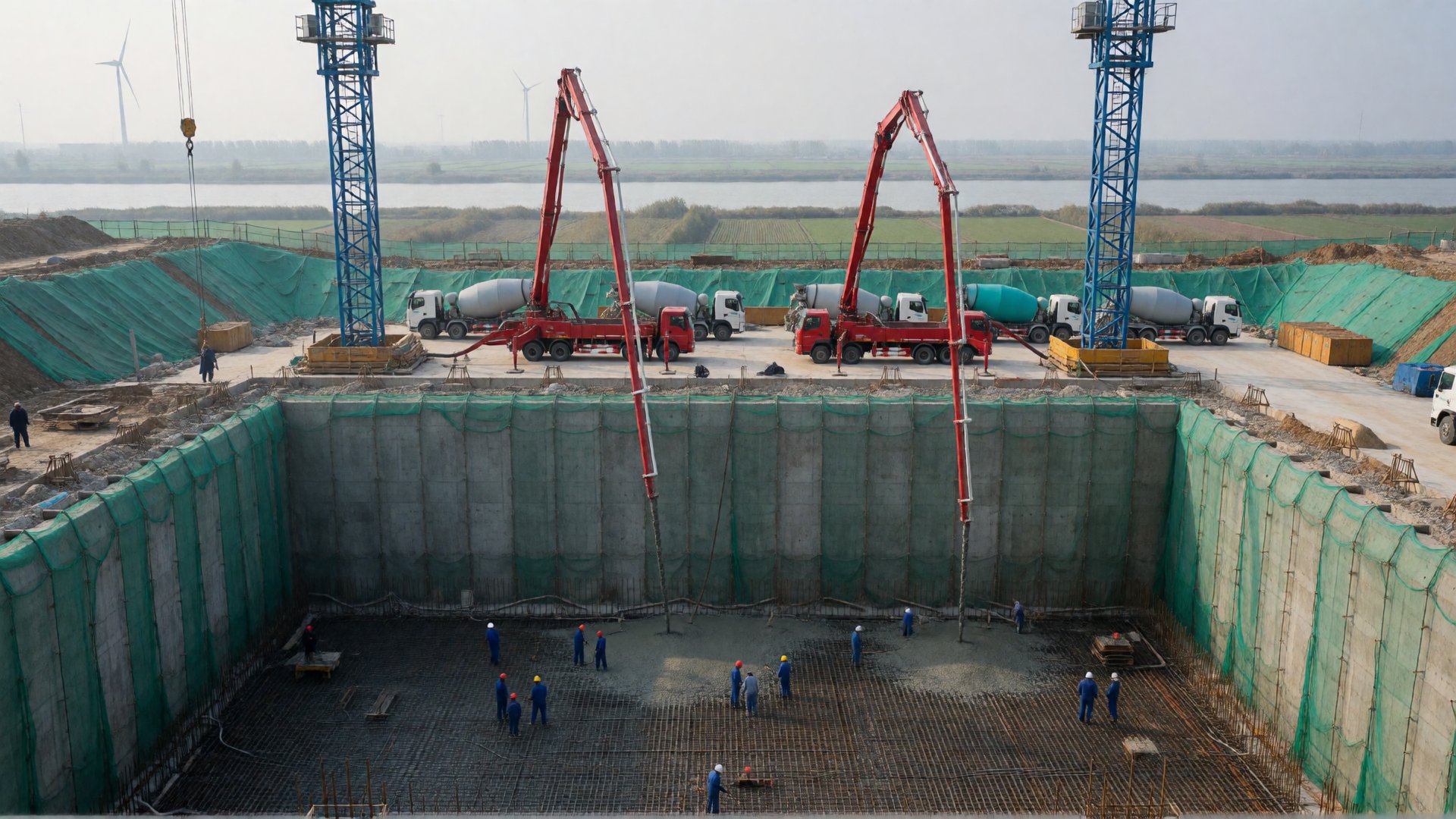
The Chinese state-owned company China National Nuclear Corporation (CNNC) has started building the third reactor of the Xuwei nuclear power plant, near the port city of Lianyungang in Jiangsu province. The first concrete has been poured for the reactor building. According to CNNC, it is the first reactor of this type to be built commercially, rather than as a pilot project.
A reactor cooled with gas
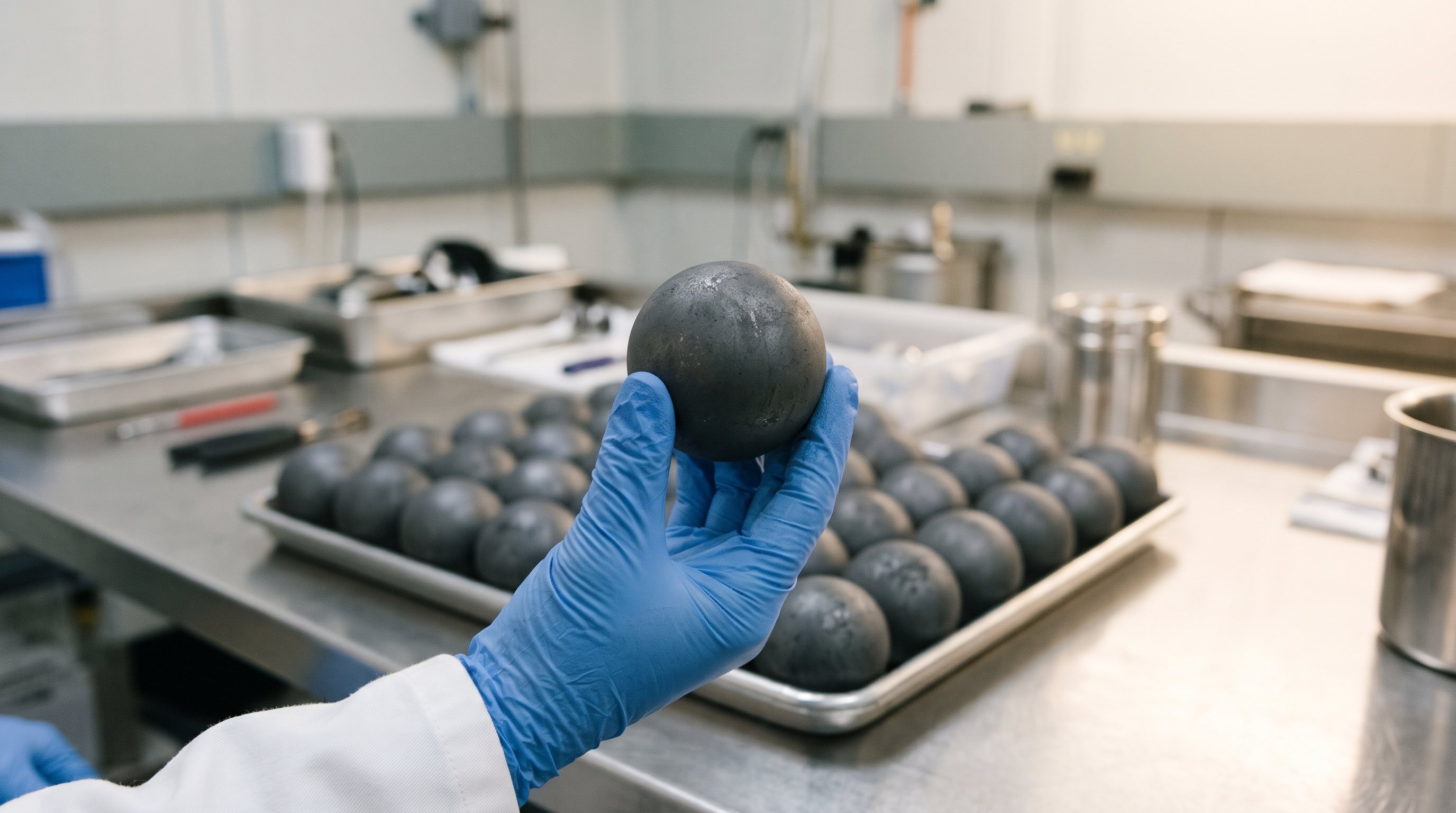
The new reactor is called Chilong One and was developed by CNNC and Tsinghua University in Beijing. It is a high-temperature reactor: it is not cooled with water, like most nuclear power plants, but with gas. Water boils and therefore has to be kept under high pressure; gas does not. This allows such a reactor to reach much higher temperatures, and that is exactly what many factories need. China already has a demonstration plant with reactors of this kind at Shidaowan, in Shandong province. Xuwei is meant to be the step from trial to everyday use.
The Chilong One will have an electrical output of 660 megawatts and is designed to last 60 years, World Nuclear News reports. The same first phase includes two conventional water-cooled reactors of the Chinese Hualong One type, each with 1,208 megawatts. Construction of the first of these has been under way since January 2026.
Steam for the factories
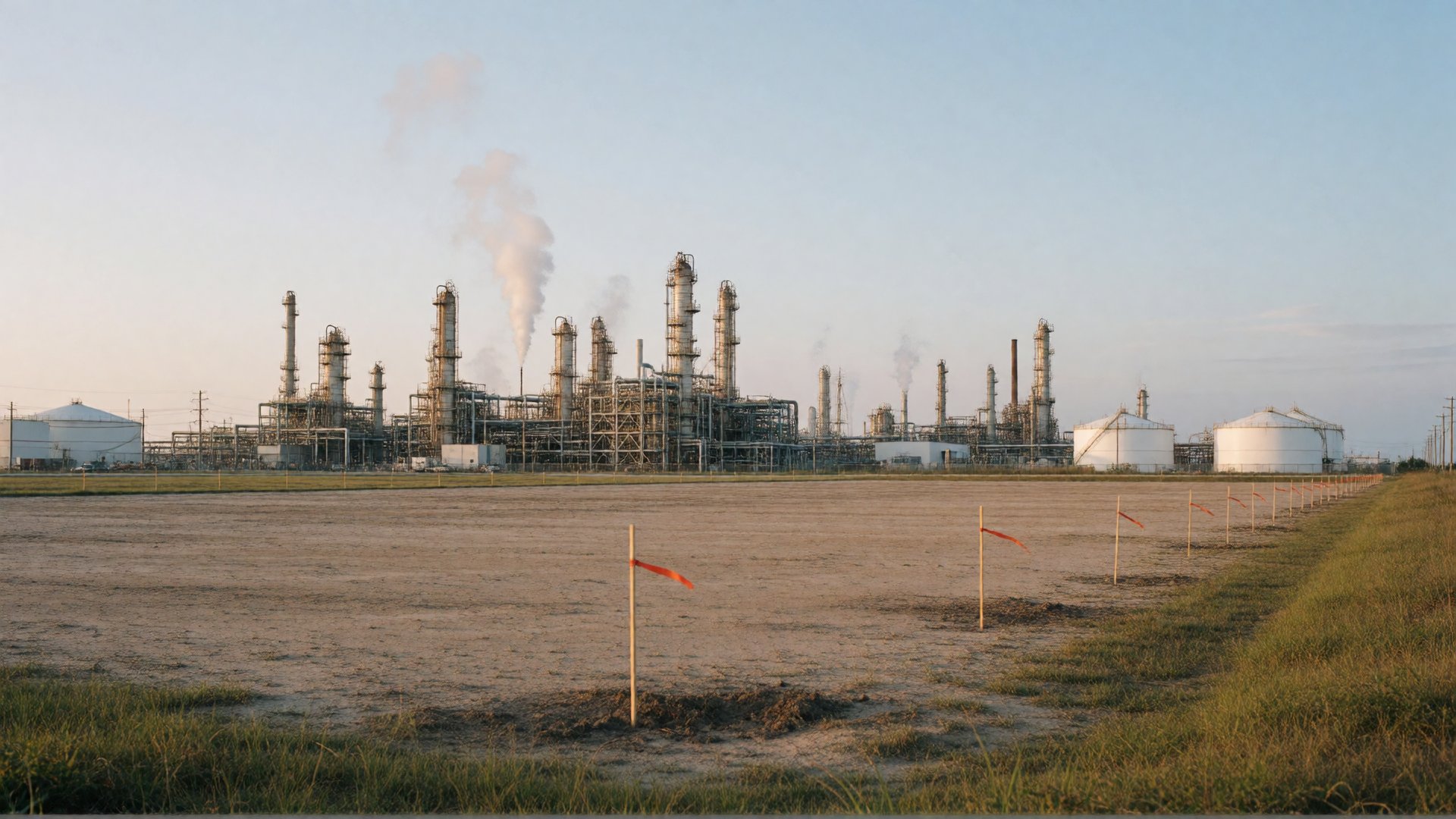
The plant is located next to a large petrochemical industrial zone, where fuels and raw materials for plastics, among other things, are made. These factories run on hot steam, which today often comes from coal. At Xuwei the two types of reactor work together. Heat from the Hualong One reactors turns purified water into steam. The Chilong One then makes that steam even hotter. This produces three kinds of steam, at different temperatures and pressures, for different factories.
According to CNNC, it is the first time in the world that a water-cooled and a gas-cooled reactor have been linked in this way, and the first large project to connect nuclear energy directly to the petrochemical industry. Once the first phase is complete, the company expects to supply 32.5 million tonnes of steam a year and up to just over 11.5 billion kilowatt hours of electricity. CNNC calculates that the factories will then need 7.26 million tonnes less coal a year and that CO₂ emissions will fall by 19.6 million tonnes. These are the company's own expectations, for a plant that is still being built.
The Chinese government approved the first phase in August 2024. The owner is Suneng Nuclear Power, a subsidiary of CNNC.
What does this mean for the road to the singularity?
Factories need not only electricity but also a lot of heat, and that heat is hard to make clean. A reactor that reaches very high temperatures can replace coal and gas in heavy industry. If the combination of reactors at Xuwei works as planned, China will show how a single plant can supply both electricity and heat to an entire industrial zone: an important building block for the huge amount of clean energy that an ever more technological society will need.
What is the technological singularity? Read the explanation →