Nederlands
Frontier is the first supercomputer to pass a quintillion calculations per second
The supercomputer Frontier at Oak Ridge is the first in the world to pass a quintillion calculations per second on the standard test for supercomputers. It is built from thousands of processors and graphics chips.
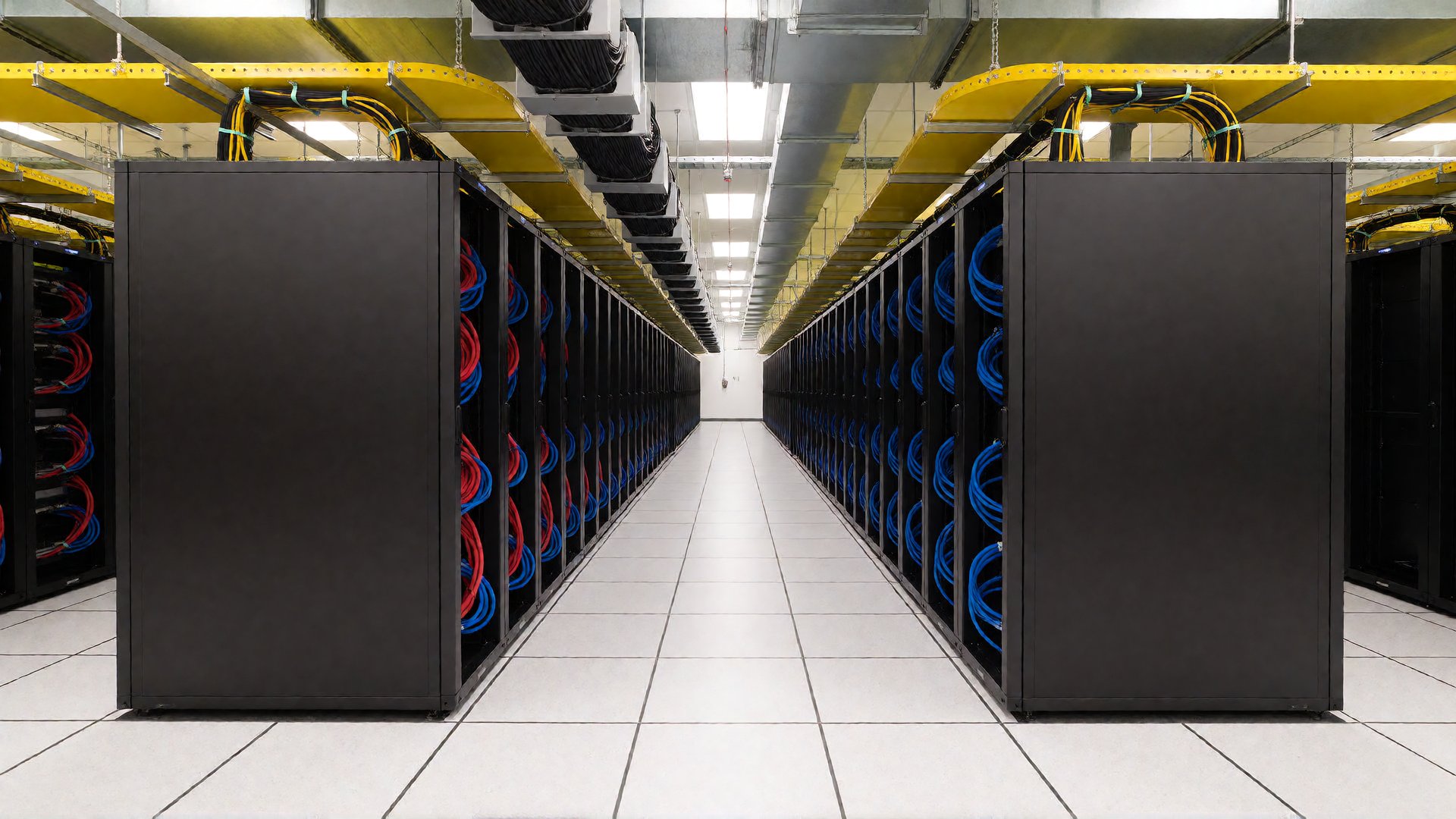
OAK RIDGE, MAY 2022 - The fastest computer in the world stands at Oak Ridge National Laboratory in the United States. Frontier reaches 1.1 exaflops: more than a quintillion (10^18, a 1 followed by eighteen zeros) calculations per second. It is the first computer to pass that mark. In the new edition of the TOP500, the twice-yearly ranking of the fastest computers in the world, it is in first place. It replaces the Japanese Fugaku, which had been the fastest for two years.
What is a calculation per second?
A calculation here means one sum with numbers that have decimals, such as 3.14 times 2.71. A quintillion of them per second is a speed at which you can simulate the climate, a supernova or the behaviour of a virus. The laboratory names such simulations, along with cancer cells and the structure of atoms, as work for Frontier.
The speed is measured with a fixed test, called Linpack, which solves a large set of equations. Frontier reached 1.102 exaflops. Fugaku, the previous number one, reaches 442 petaflops. Frontier is therefore more than 2.5 times as fast.
How do you build such a machine?
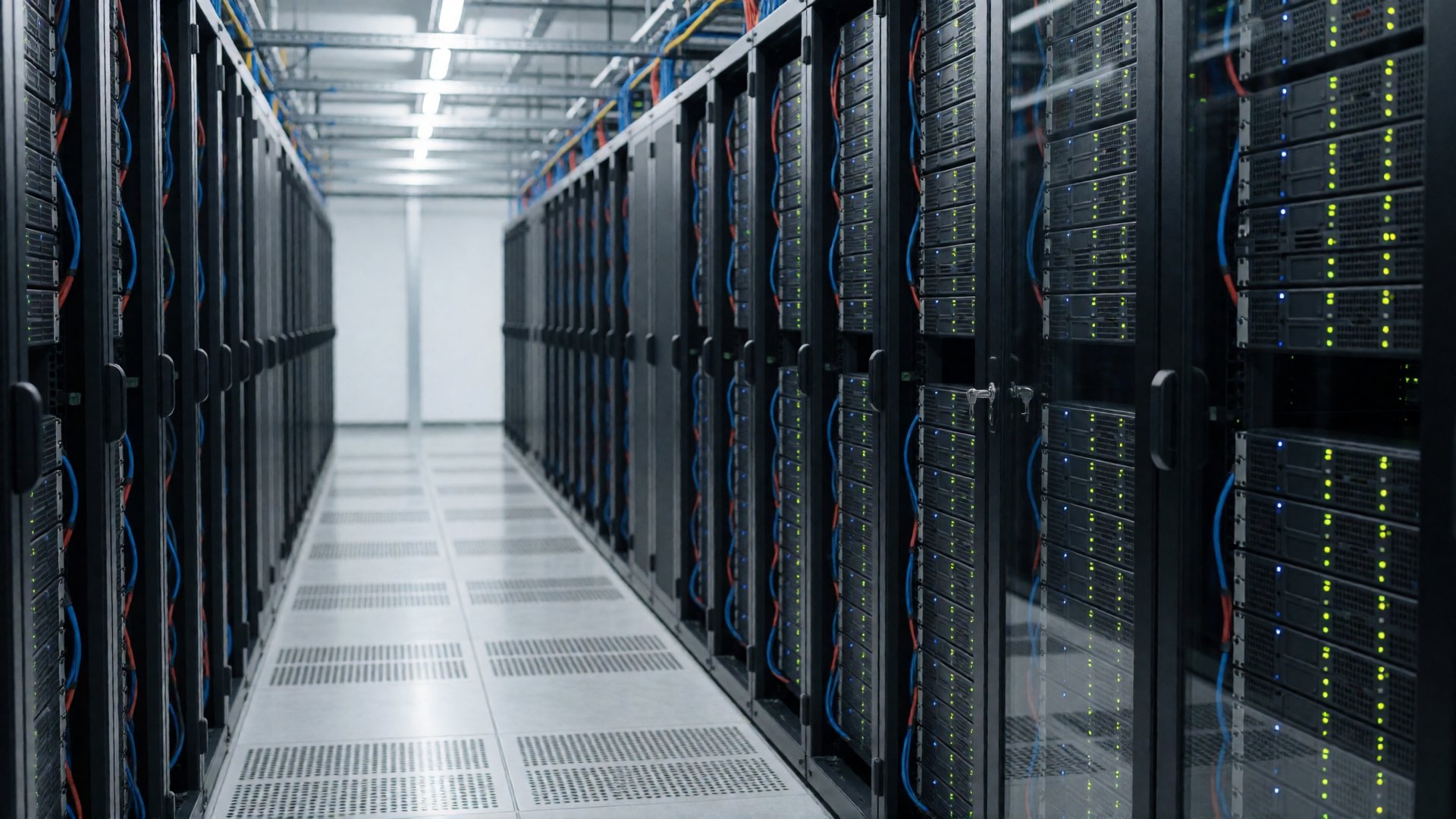
No single chip can do this alone. Frontier is a large group of thousands of computing nodes that work together. They stand in 74 cabinets. Each node has one processor and four AMD accelerators, graphics chips that are made not for games but for computing work. In total there are more than 9,400 processors and more than 37,000 accelerators.
Why graphics chips? They are built to do many small sums at the same time, and that is exactly what helps with scientific calculations: you split the work into pieces and let all the chips calculate at once. A fast connection between the nodes makes sure the pieces are exchanged quickly. The whole system is cooled with liquid, which according to the laboratory is more efficient and quieter than cooling with air.
Accurate or fast?
There is one more number. For physics simulations, a computer keeps every number very accurate, with 64 bits, the zeros and ones with which a number is stored. AI programs often make do with 32, 24 or even 16 bits per number. With fewer bits the computing goes faster, because the chips can handle more of them at once. On a test with the less accurate numbers, Frontier reached about 6.9 exaflops. That is more than three times the earlier top score of Fugaku.
Frontier is still being brought into service. The final checks and the first scientific projects follow later this year, and full use begins in early 2023.
Looking back from 2026
Frontier gained company. In the 65th edition of the TOP500, the American El Capitan was in first place with about 1.74 exaflops. Frontier itself, after a new measurement of 1.35, was second, ahead of the American Aurora with 1.01. All three were American machines, and the European JUPITER in Jülich reached a first measurement of 0.79 exaflops in that edition.
The link with AI lies in the chips. The graphics accelerators that Frontier runs on are the same kind of component on which AI models are trained, and the laboratory itself names machine learning as one of the uses. Frontier showed that such a machine, with more than a quintillion calculations per second, could be built. The computing power that AI training needs has grown further since then.