Nederlands
Google expands its eighth-generation TPU systems with the 8tx and 8i Max
Google announces two new AI systems: the TPU 8tx, which keeps sensitive data protected even while it is being processed, and the TPU 8i Max, which can handle much more information at once. It is the first time Google has released four TPU systems in one year.
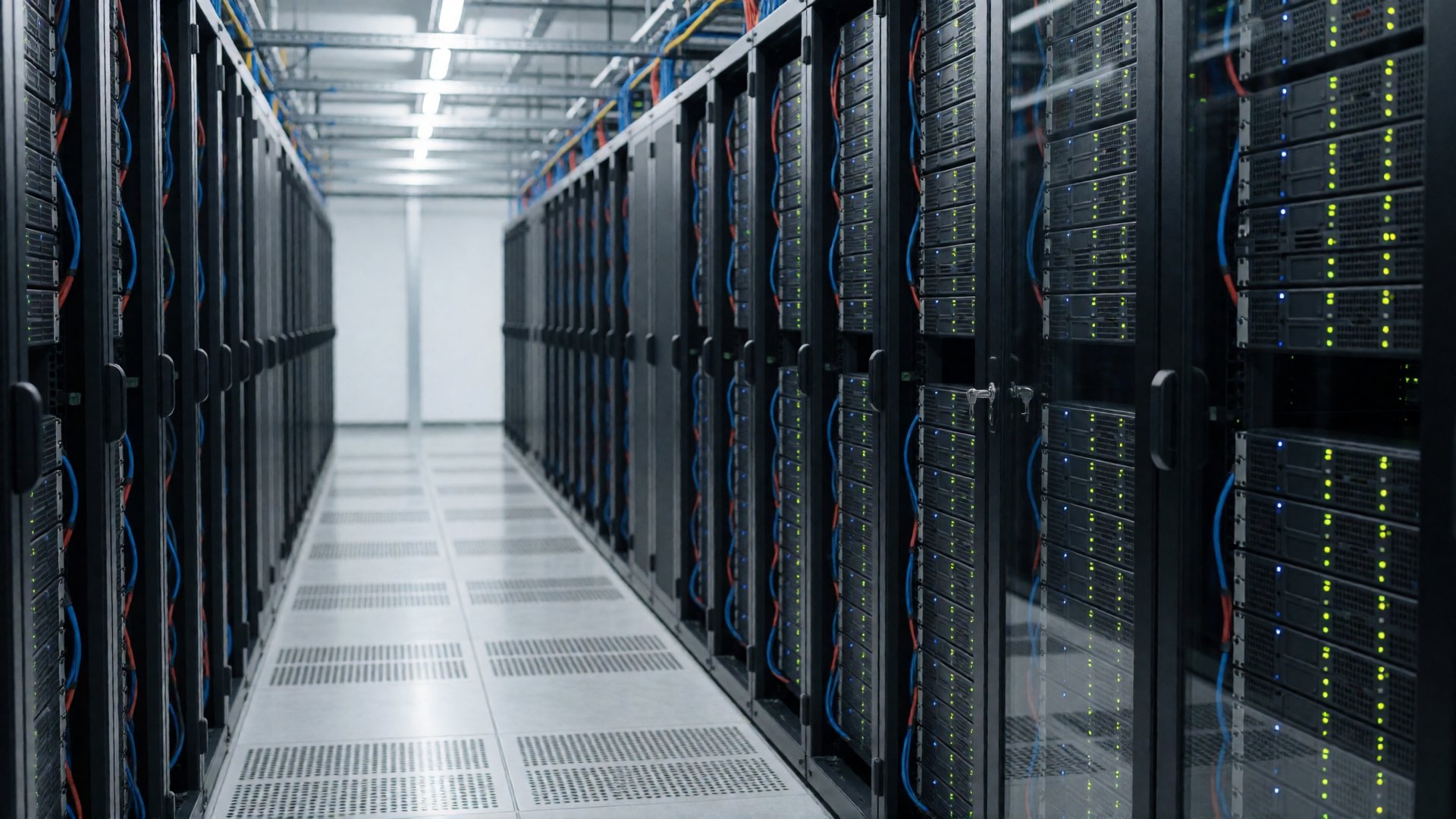
In a blog post, Amin Vahdat, who leads the technology behind AI and data centres at Google, writes that Google is releasing four TPU systems in 2026, a first. A TPU (Tensor Processing Unit) is a processor that Google designs itself for AI calculations. In April, the company showed the TPU 8t and the TPU 8i. Now the TPU 8tx and the TPU 8i Max join them.
According to Google, these are not new chips but new systems: existing chips in a different combination with memory, network and other processors. Google does not give a price or a date. According to the trade publication TechTarget, the 8t and 8i are due to go into use at the end of 2026.
Sensitive data kept protected
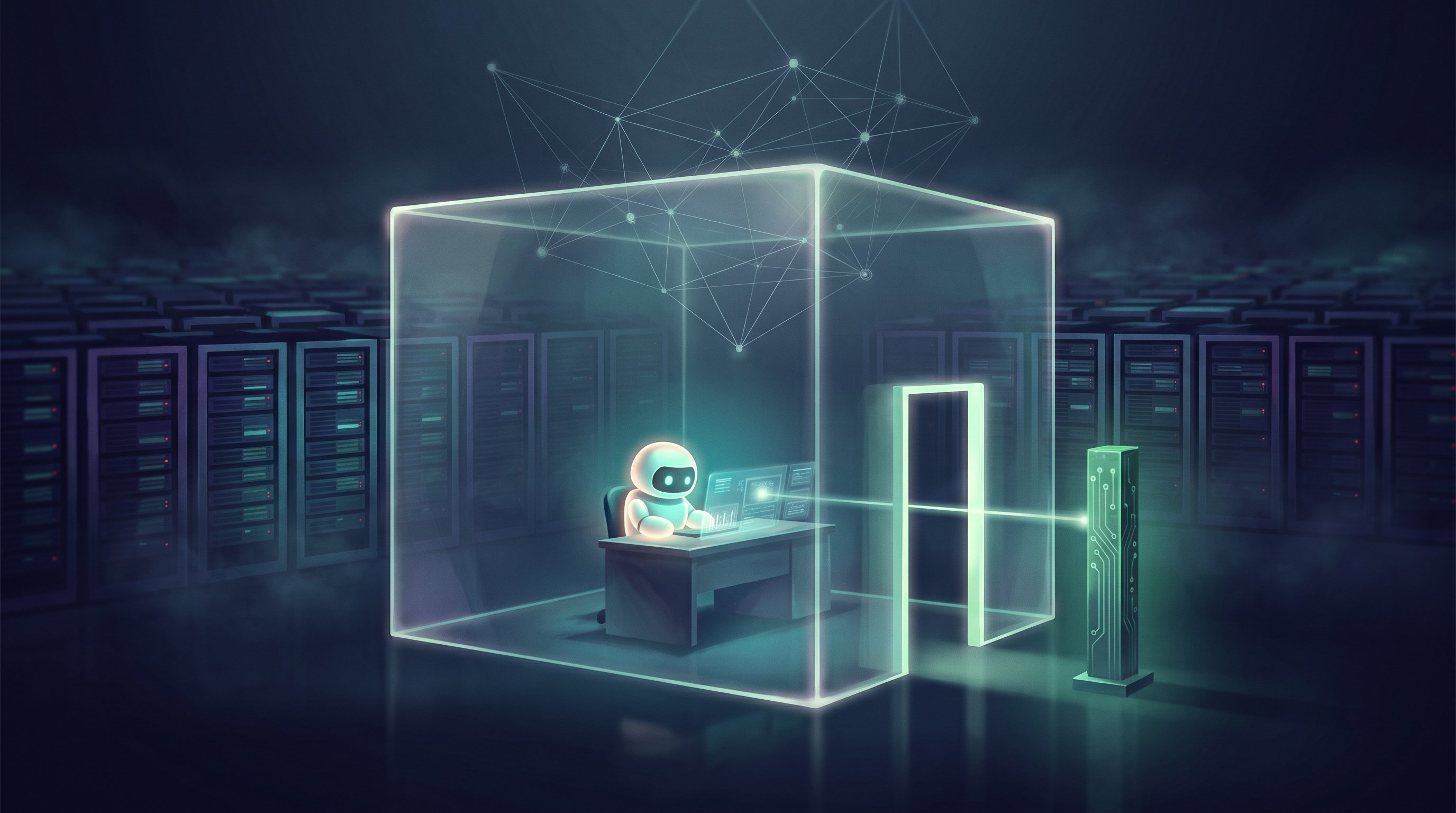
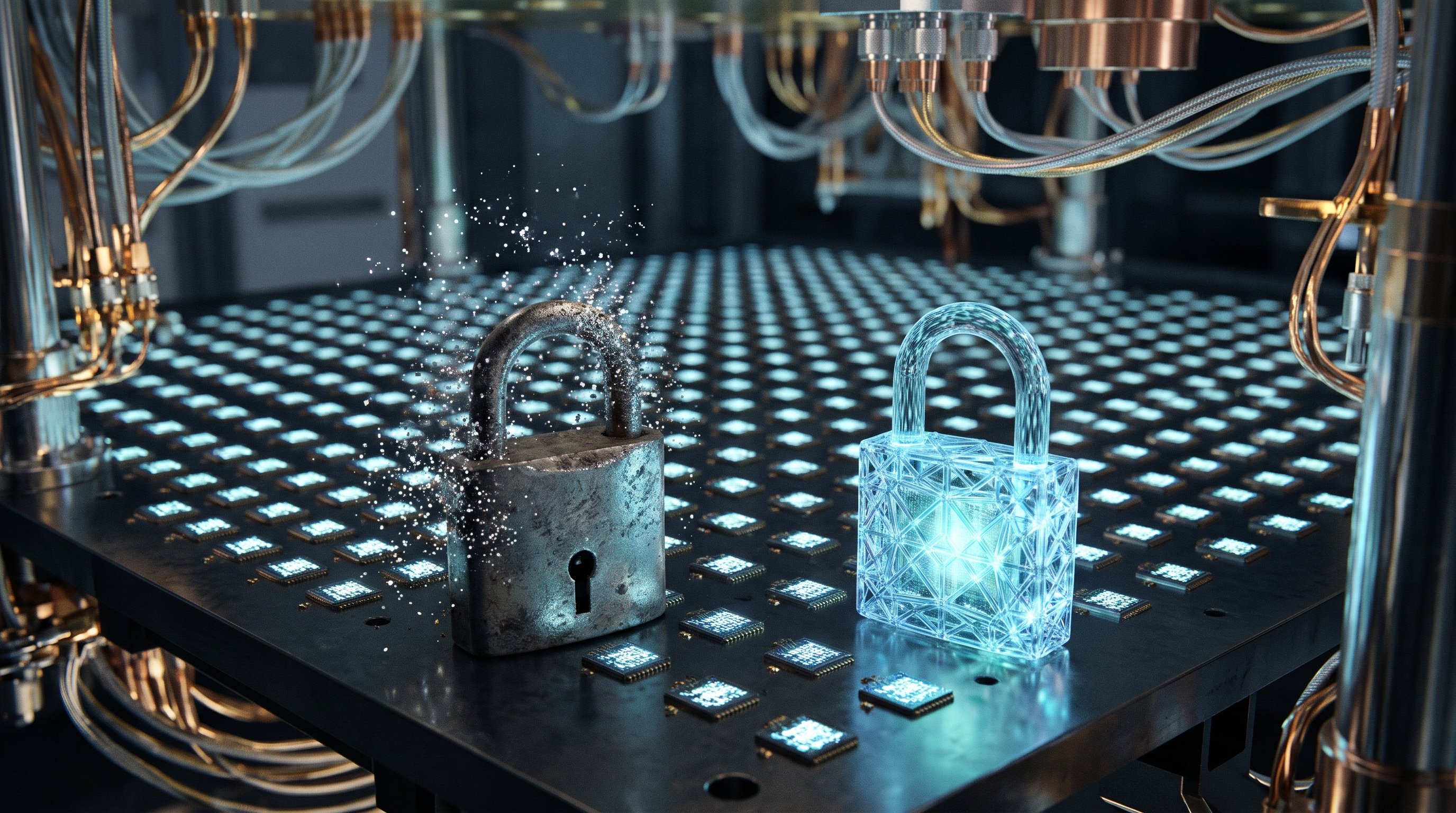
The TPU 8tx is meant for organisations that work with sensitive data, such as governments and companies that must follow strict rules. According to Google, the data and the AI model itself stay protected even while the chip is calculating with them. This protection is built into the hardware. Mark Lohmeyer of Google Cloud tells TechTarget that the data stays encrypted throughout.
The 8tx uses the same chips as the 8t, together with processors from AMD (the fifth generation of EPYC). Thanks to a fast network between the chips, the delay is up to two times smaller than with the 8t, according to Google, and the security costs almost no speed. This lets organisations teach an AI model with their own data, and train AI agents, on a single system, without having to move that data to another system.
More information at once
The TPU 8i Max is made for tasks in which an AI model has to work with a very large amount of information at once, for example a long conversation or a pile of documents. For this, Google puts two 8i chips together in one package. As a result, the system has twice as much computing power and twice as much fast memory on the chip as a standard 8i, and it can read data from its working memory twice as fast. According to TechTarget, this means 768 megabytes of memory on the chips themselves and a memory speed of 17.2 terabytes per second.
About the systems announced earlier, Google says that the 8t trains up to 2.7 times better than the previous generation. The 8i, meant for giving answers quickly, delivers 80 per cent more for the same money, according to Google. All of these figures come from Google itself.
Software as well
In October, Google made TorchTPU public. With it, programs written in PyTorch, a widely used tool for building AI, and models from the Hugging Face platform run on TPUs straight away. There is also a first version of open software with AI agents that helps developers make their programs faster on TPUs. Another new component, TPU Sync, cuts the waiting time until the first word of an answer by more than 90 per cent, according to Google.
According to Google, nearly 100 customers now use TPUs, from AI labs and trading companies to retail chains and universities.
What does this mean for the road to the singularity?
AI agents only become really useful when they can work with a lot of information at once and when organisations dare to trust them with their sensitive data. These systems address exactly those two points. The fact that AI companies are now designing their own chips and systems for every kind of task shows how fast the computing power behind AI is growing.
What is the technological singularity? Read the explanation →