Nederlands
Fifteen computers built with human brain cells work together and do better than one
Australian company Cortical Labs linked fifteen computers that use lab-grown human brain cells. In early tests they did better together than a single machine and a common AI program. The results are preliminary and come from the company itself.

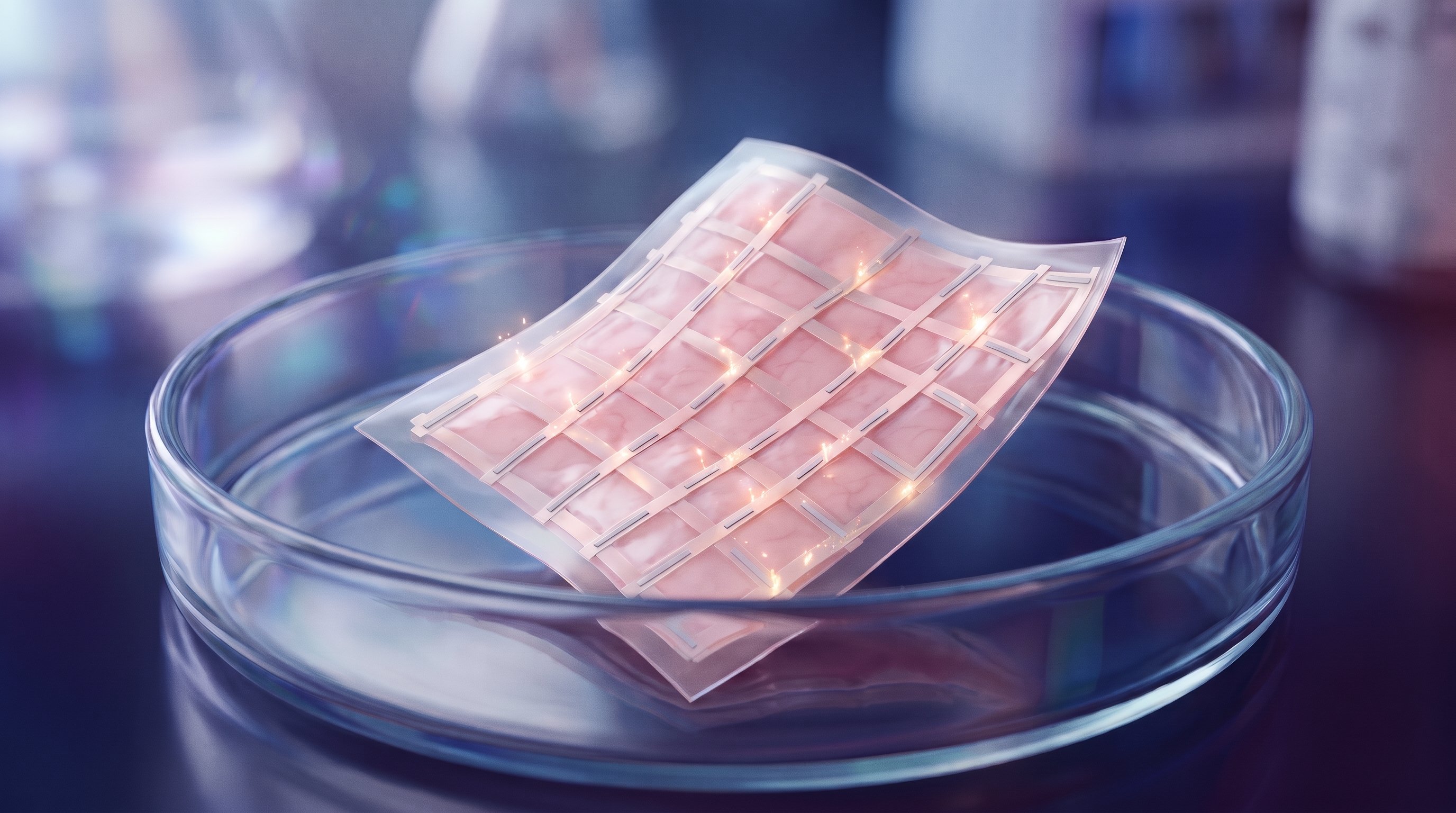
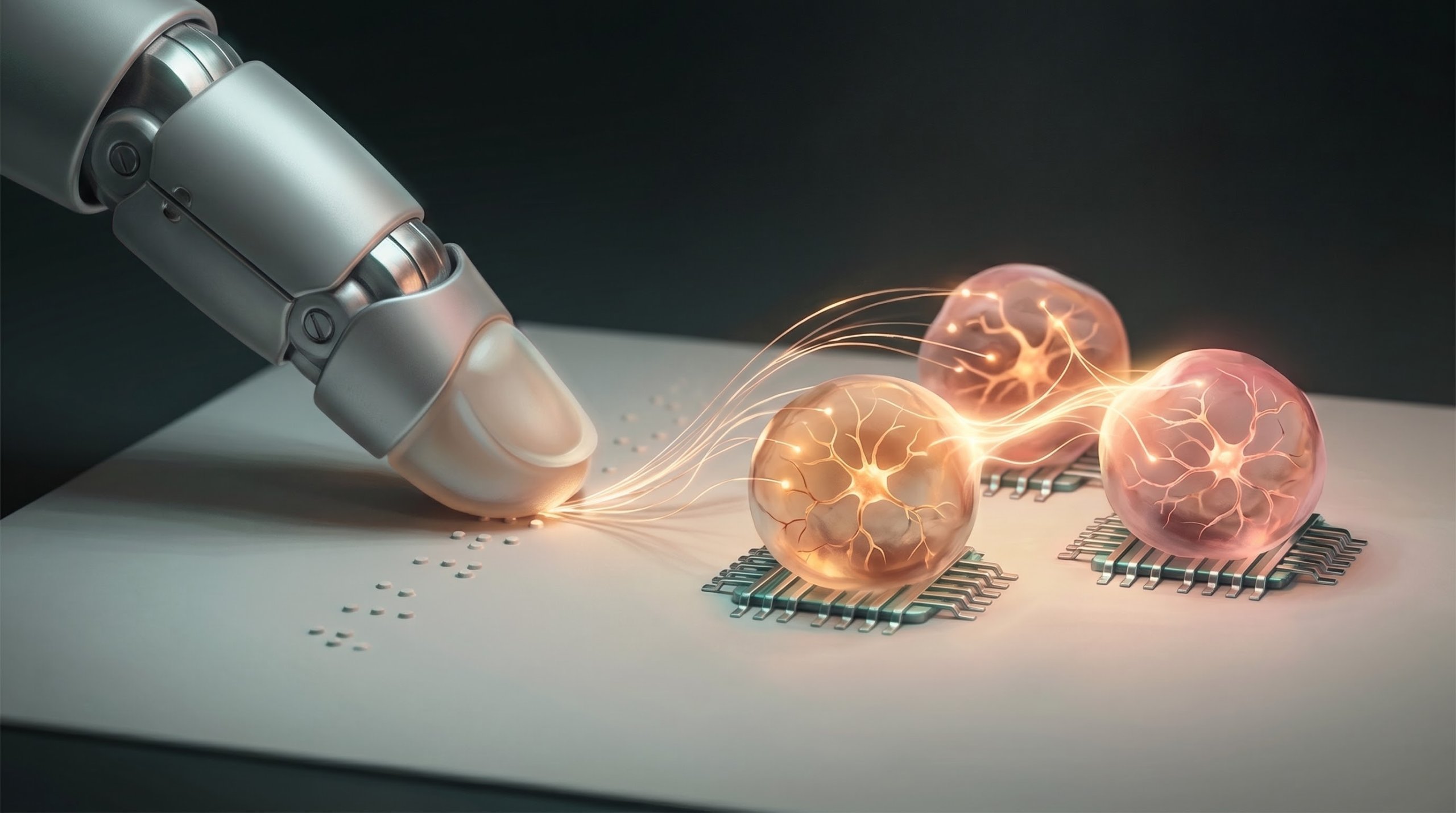
A computer that calculates with living brain cells sounds like science fiction, but the Australian company Cortical Labs is already building them. Its machine, the CL1, works with a small group of human brain cells grown in the lab. Such a group of cells is called a culture. Inside the machine, the cells learn to carry out tasks and solve problems.
Living cells have one drawback: they do not perform equally well every day. A culture that does well today may do less well tomorrow. According to Brett Kagan, the company's chief scientist, useful systems therefore cannot depend on a single culture working perfectly every time.
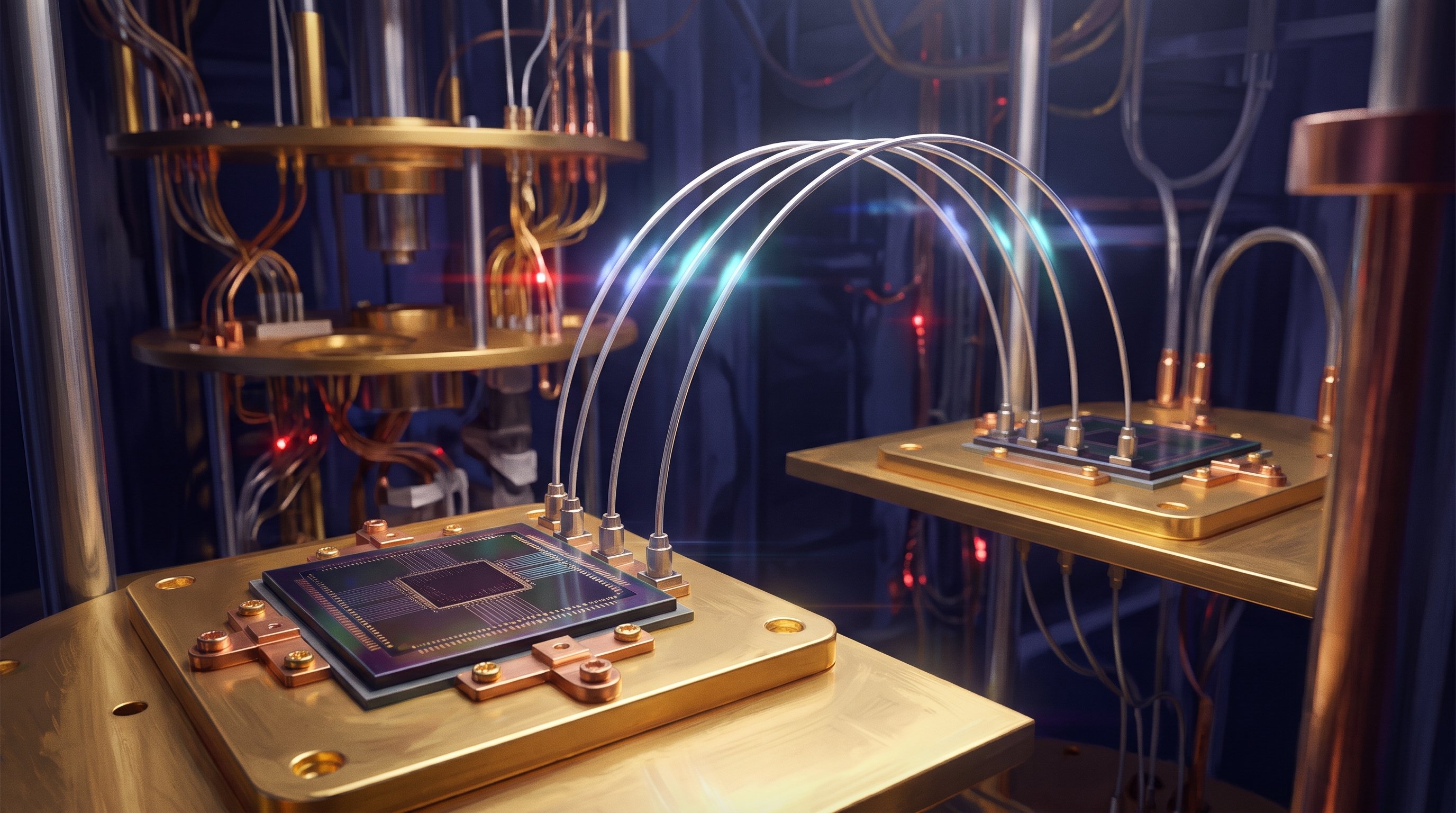
Cortical Labs looks for the solution in cooperation. The company linked fifteen CL1 machines into one system, called HIVE. It presented the first results at a new international conference on computing with lab-grown brain cells, the International Conference on Organoid Intelligence. It was held for the first time in Washington on 26 and 27 October 2026.
Together they share the work
More brain power does not automatically lead to a better result. Anyone who has done a group assignment knows that. Still, something remarkable happened in HIVE. The linked machines seemed to divide the different parts of a task among themselves in an efficient way. The researchers had not taught the cells to do this. The cells arrived at it themselves once they became part of a larger network.
What do the tests show?
Cortical Labs tested HIVE in two ways.
In the first test, the system had to recognise symbols. According to the company, linking seven machines raised the accuracy from about 80 to 99 per cent. So the system was almost always right.
In the second test, the system had to guide a small figure in a computer game across a grid to a target. The researchers compared HIVE with Deep Q Network. This is a common AI program that works with mathematical rules instead of brain cells. The scores are given as a share of the highest possible score:
- Deep Q Network reached about 32 per cent.
- The best single CL1 machine reached 40 per cent.
- When the researchers let several machines decide together which move to make, the score rose to about 70 per cent.
- When they divided the task among small groups of machines that each handled their own part, the score reached about 80 per cent.
More stable through cooperation
According to the team, HIVE can not only be expanded but is also more stable than a single culture. If one group of cells performs less well on a given day, the others make up for it. In a way, they share the load. If one group stops responding for whatever reason, the rest simply keep working.
Kagan compares it with nature. Brains spread information across specialised areas, and in a beehive every bee has its own task that contributes to the whole. According to him, HIVE applies that principle to computing with brain cells. Researcher Johnson Zhou explains that the differences between individual cultures have less influence on the end result when the cultures work together. This keeps the adaptability of living cells, while their unpredictability matters less.
First results and next steps
The figures come from Cortical Labs itself and are preliminary. They apply to this test set-up and to the comparison with this one AI program. Comparisons with other set-ups and other AI programs need to show how broad the advantage is. The team does see the results as a strong argument for letting the machines work together rather than separately.
The researchers now want to find out how the cells in the linked machines pass signals and feedback to each other. They also want to see whether even more connections improve performance further.
What does this mean for the road to the singularity?
AI now runs almost entirely on silicon chips. Computing with living brain cells is a very different route. According to the tech site New Atlas, this way of computing uses far less energy than ordinary machine learning. If that holds up in practice, it could become an energy-saving addition to today's chips.
For useful applications, such a system does need to be reliable. That is exactly where HIVE takes a first step. By letting cultures work together, the unpredictability of one group of cells matters less, and the system keeps working when a group drops out. Kagan sees it as a way to grow beyond the natural limits of a single small group of cells.
The next steps are understanding how the cultures communicate with each other, building larger networks and comparing the results more widely. If that succeeds, the world of computing gains a living building block.
What is the technological singularity? Read the explanation →