Nederlands
Fusion experiment produces more energy than the laser put in for the first time
In California, a nuclear fusion experiment produced more energy than the lasers aimed at the target for the first time: 3.15 megajoules against 2.05. A fusion power plant is still far away, but the physics behind it turns out to work.
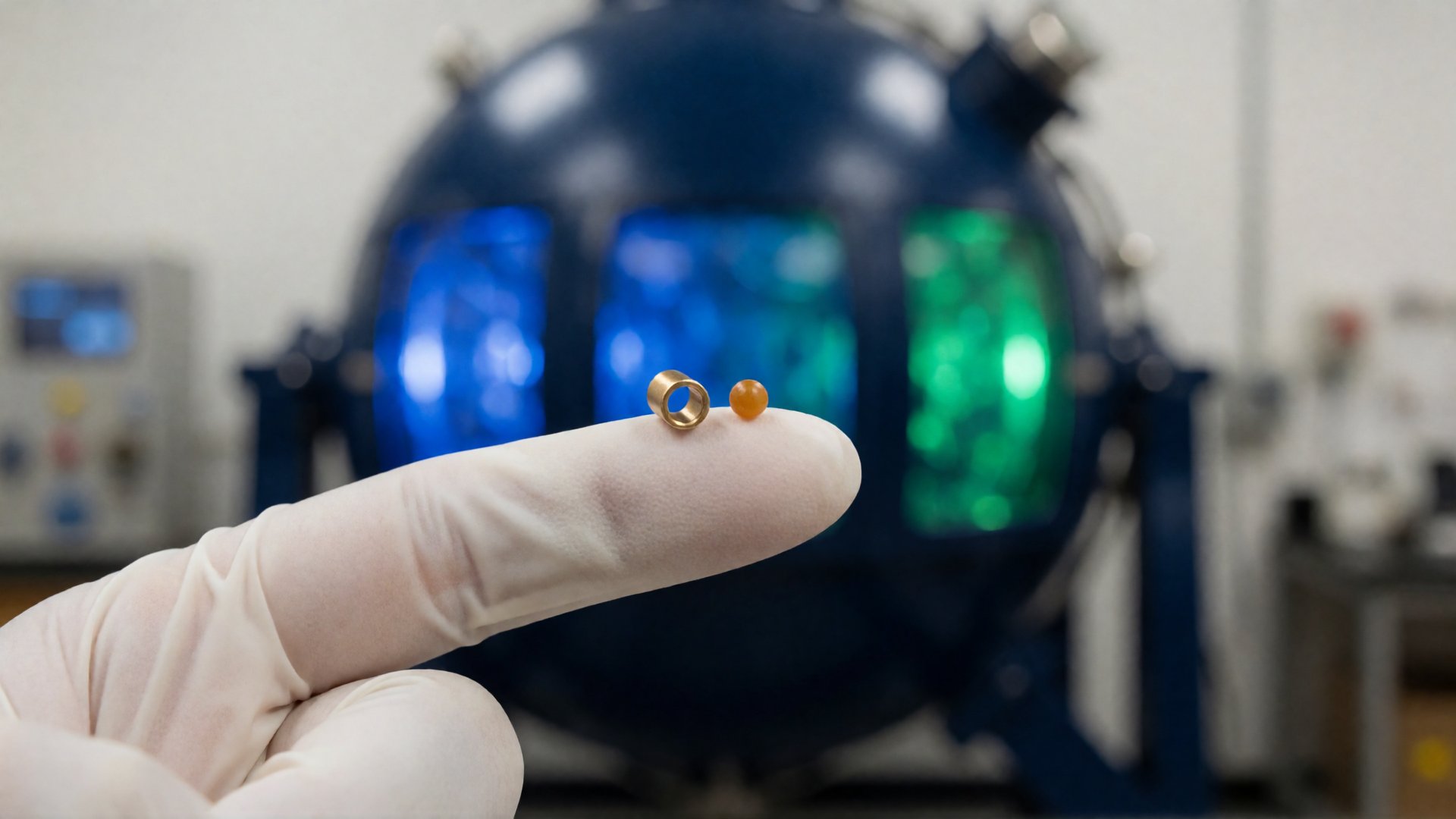
LIVERMORE, DECEMBER 2022 - At the Lawrence Livermore National Laboratory in California, a nuclear fusion experiment has released more energy than the lasers aimed at the target for the first time. On 5 December, 192 laser beams delivered 2.05 megajoules of energy to a small target. The fusion that followed produced 3.15 megajoules. The US Department of Energy announced it a week later and calls it a milestone.
What is nuclear fusion?
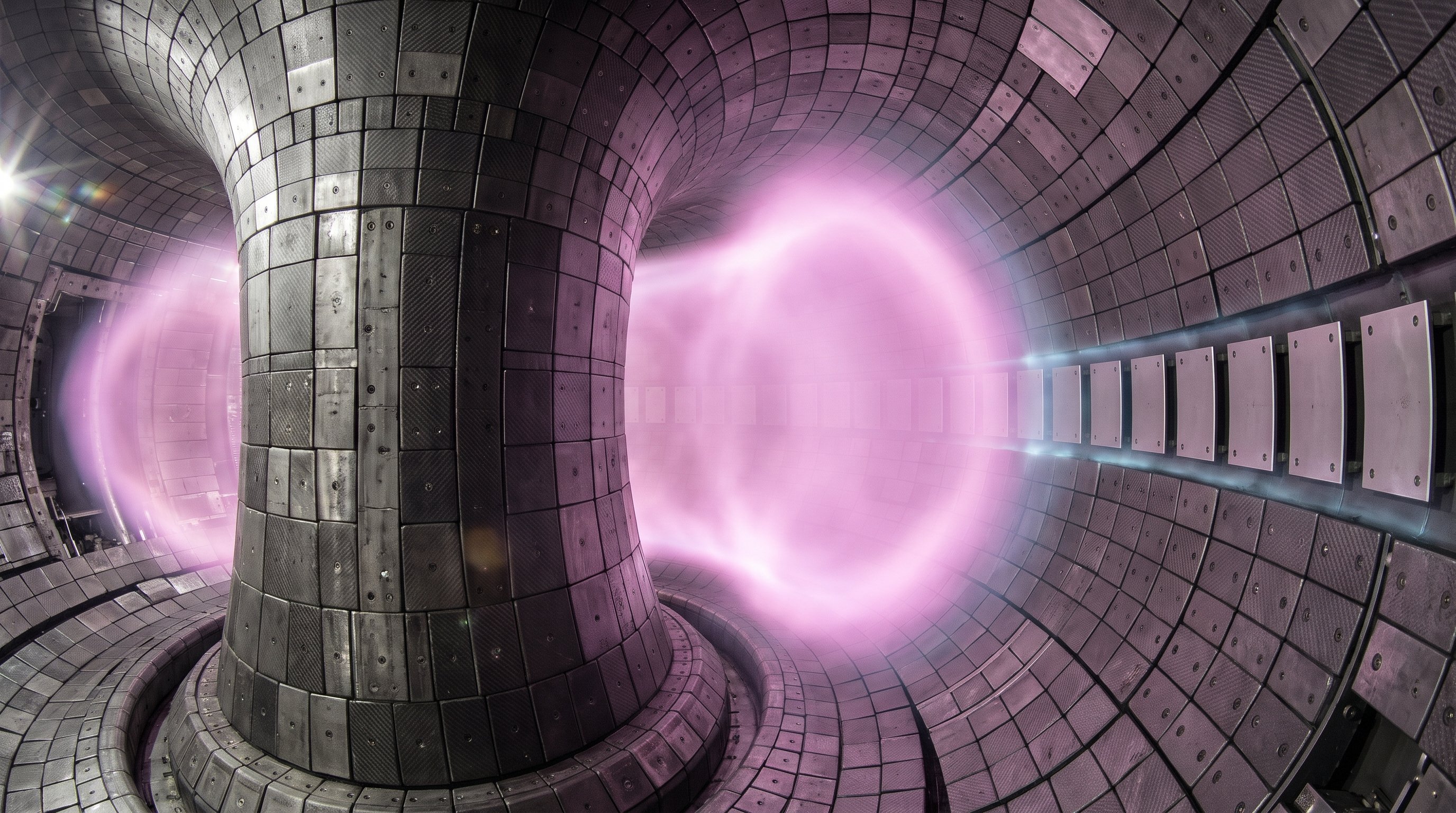
The sun shines because light atomic nuclei fuse into a heavier nucleus in its core. This releases a lot of energy. It is called nuclear fusion. It is different from the nuclear fission in nuclear power plants, where a heavy nucleus splits apart.
On Earth, researchers use two kinds of hydrogen as fuel: deuterium and tritium. Together they form a helium nucleus, plus a free particle and energy. The difficult part is that the nuclei repel each other. Only at an extremely high temperature and pressure, similar to the inside of a star, do they collide hard enough to fuse.
How the National Ignition Facility does it
This laboratory uses lasers to recreate those conditions for a moment. It works like this:
1. The lasers. 192 laser beams fire at the same time into a hollow gold cylinder, about one centimetre in size. The beams hit the inner wall.
2. The X-rays. The wall becomes hot and gives off soft X-rays, so the cylinder fills with X-ray radiation.
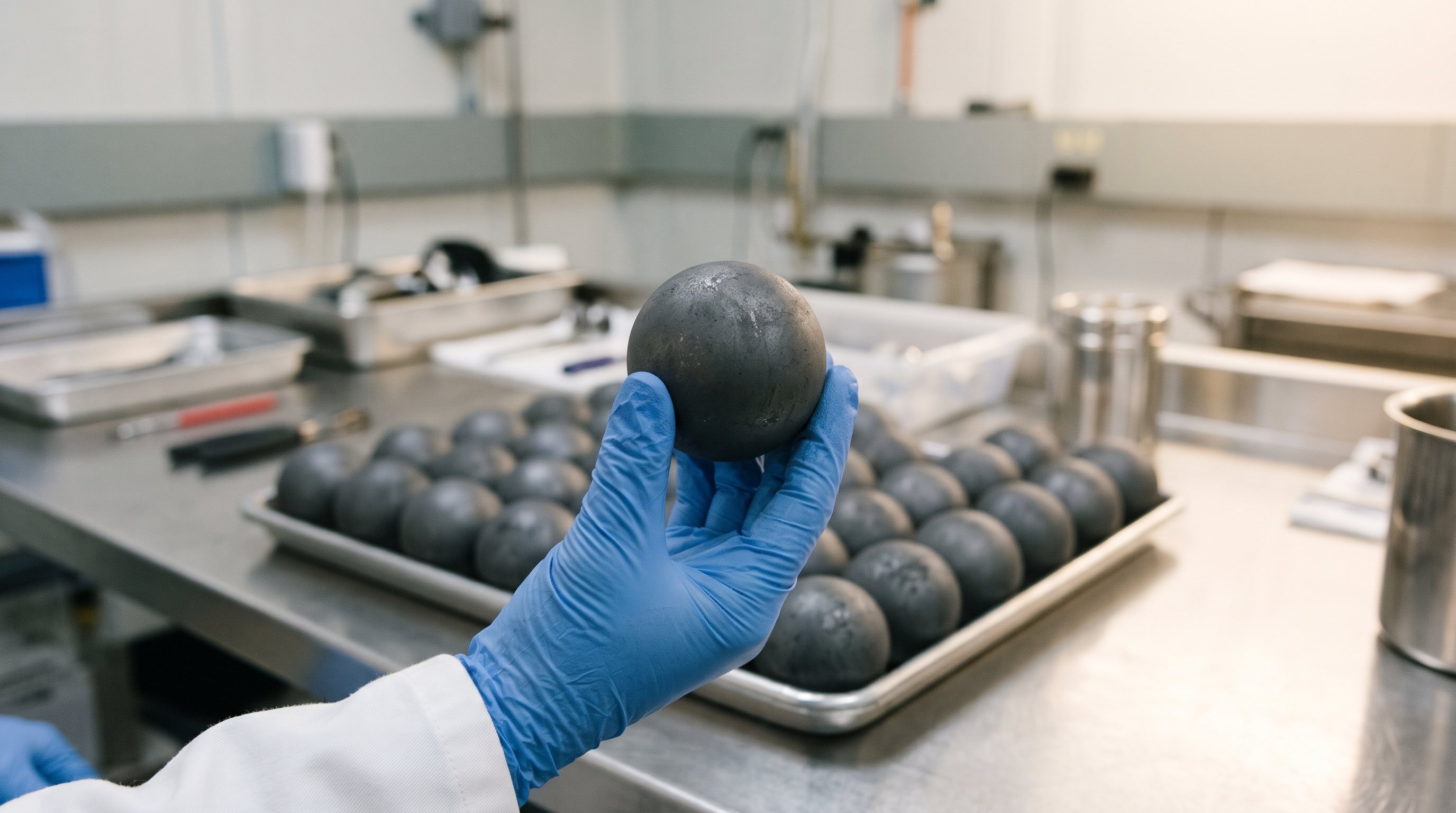
3. The fuel pellet. In the middle hangs a capsule the size of a peppercorn, filled with deuterium and tritium, partly frozen. The X-rays vaporise the outer layer of the capsule. This sprays outwards and pushes the rest inwards, just as a rocket pushes gas backwards. The capsule collapses at a speed of more than 400 kilometres per second.
4. The ignition. The compression makes the fuel so hot and dense that the nuclei start to fuse. The helium particles that form heat the surrounding fuel even more, so that it starts to fuse as well. When this self-heating becomes greater than the loss of heat, researchers call it ignition. It is like a fire that starts to keep itself going.
The fuel has to fuse before it flies apart. The implosion is fast enough to make that happen.
What the numbers mean
3.15 megajoules came out, against 2.05 megajoules of laser energy going in. That is about one and a half times as much. For the department, it is a step in research into clean energy, and a tool for maintaining the US nuclear weapons stockpile.
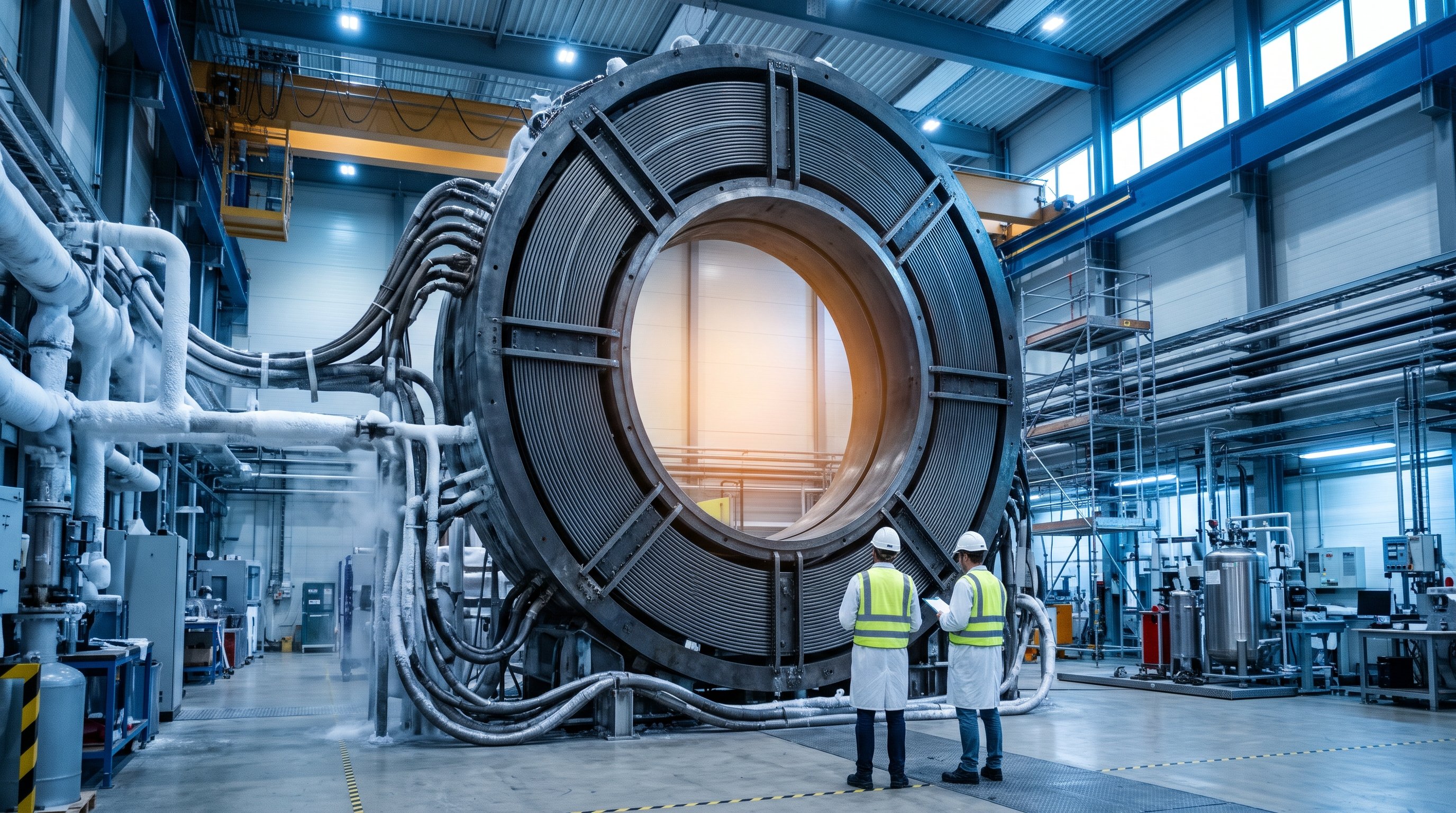
The caveat is that the lasers themselves needed much more electricity from the grid than the 2.05 megajoules that reached the target. According to Wikipedia, it was about 300 megajoules. The department itself says that a lot of development is still needed before fusion supplies energy for homes and businesses.
Looking back from 2026
It turned out not to be a one-off. In July 2023 a second shot followed with 3.88 megajoules, and in February 2024 it produced 5.2 megajoules from 2.2 megajoules of laser energy. On 7 April 2025 came the record: 8.6 megajoules from 2.08, about four times the laser energy. On 20 June 2026 the eleventh ignition was reached, with 7.9 megajoules.
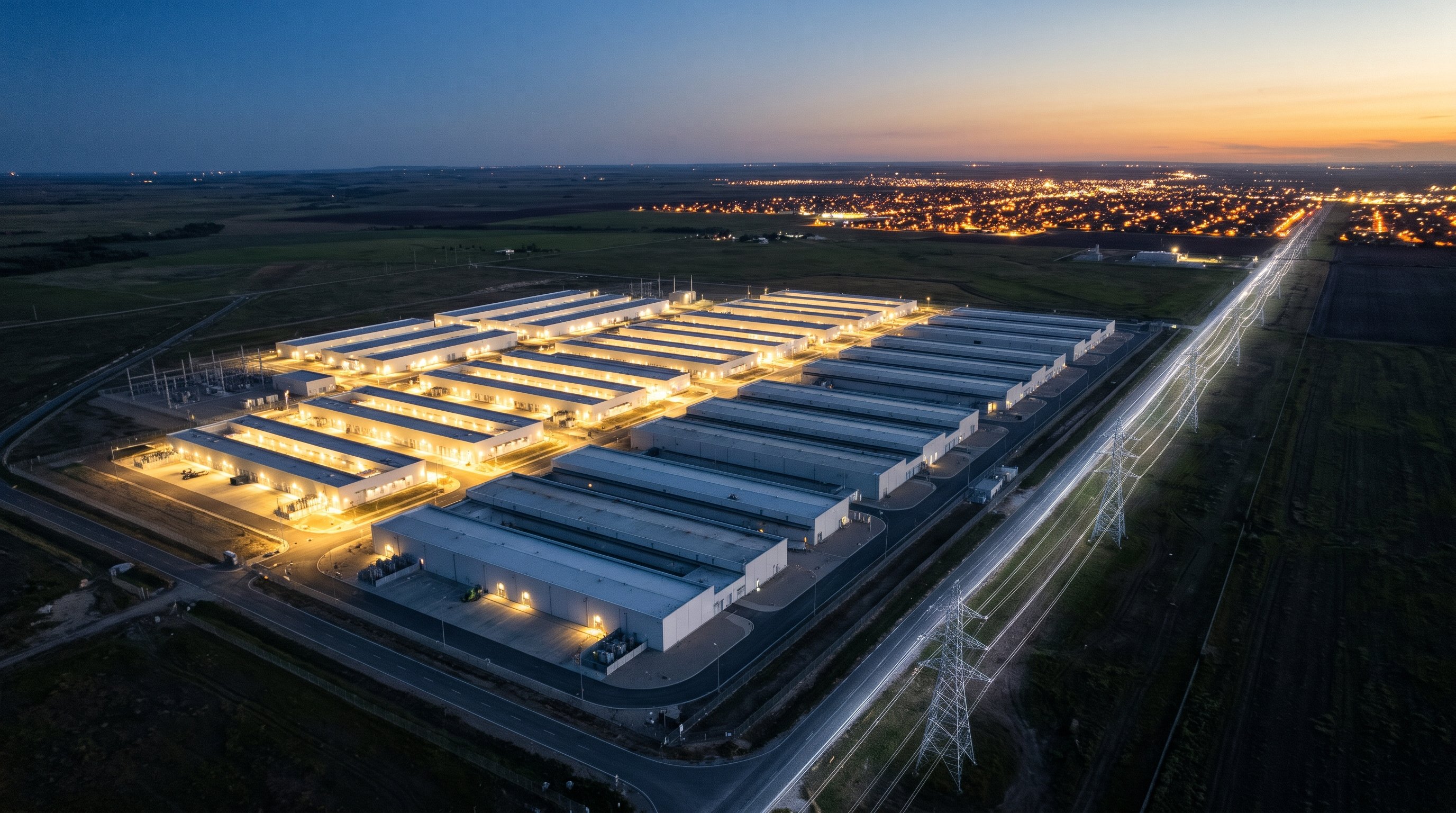
The next steps are big. A power plant has to fire many times per second, the lasers have to become much more efficient and the output has to exceed the electricity taken from the grid. But the experiment has shown that the physics behind almost unlimited, clean energy works. This is important for the coming decades, also because data centres and electrification need more and more electricity.