Nederlands
Nebius plans to invest 40 to 45 billion dollars in data centres, mostly with customers' money
AI cloud company Nebius plans to invest up to 45 billion dollars in new data centres in 2027, largely paid for by customers who pay in advance. One data centre for Microsoft is running late, however, because of its power supply.
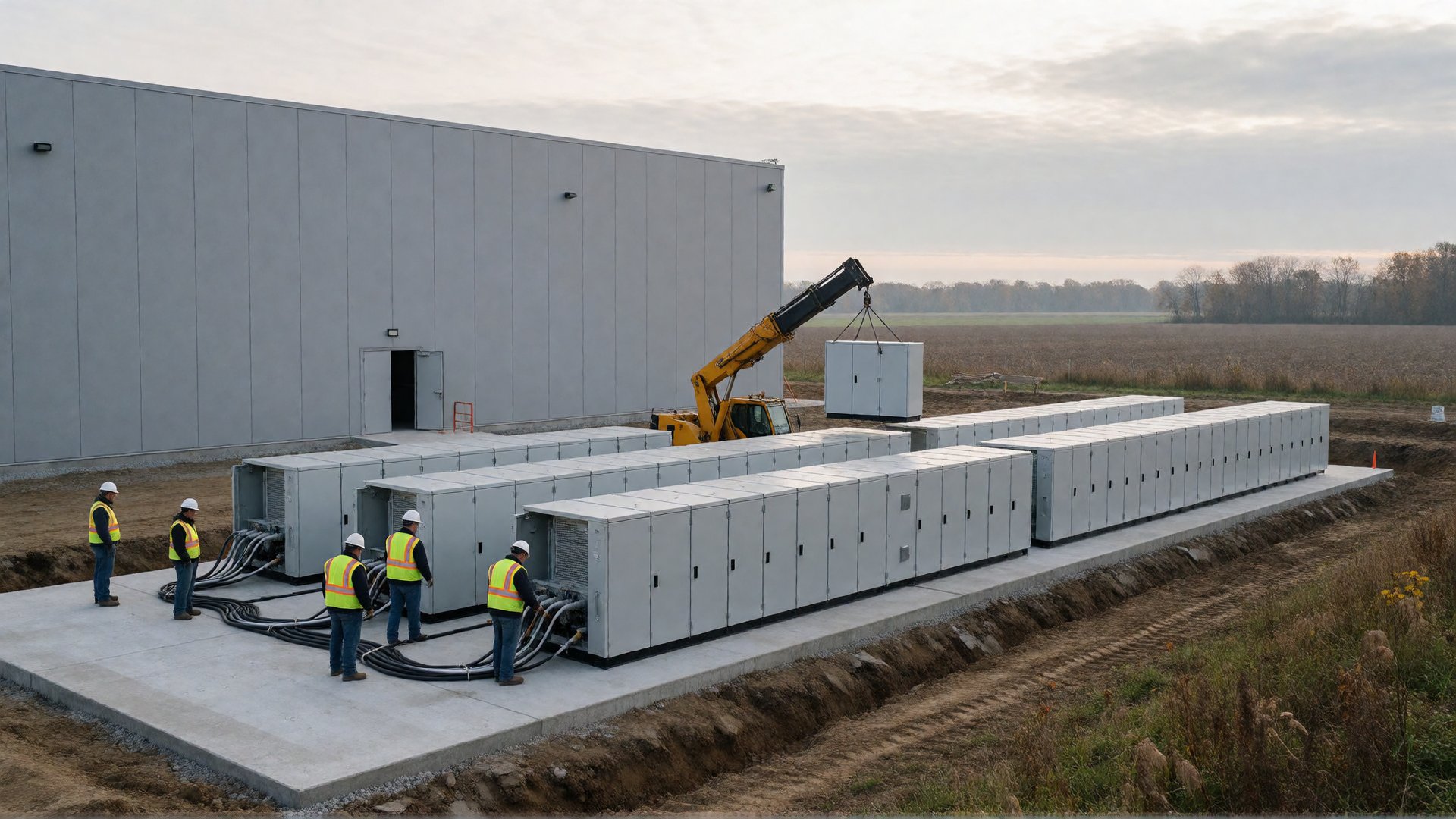
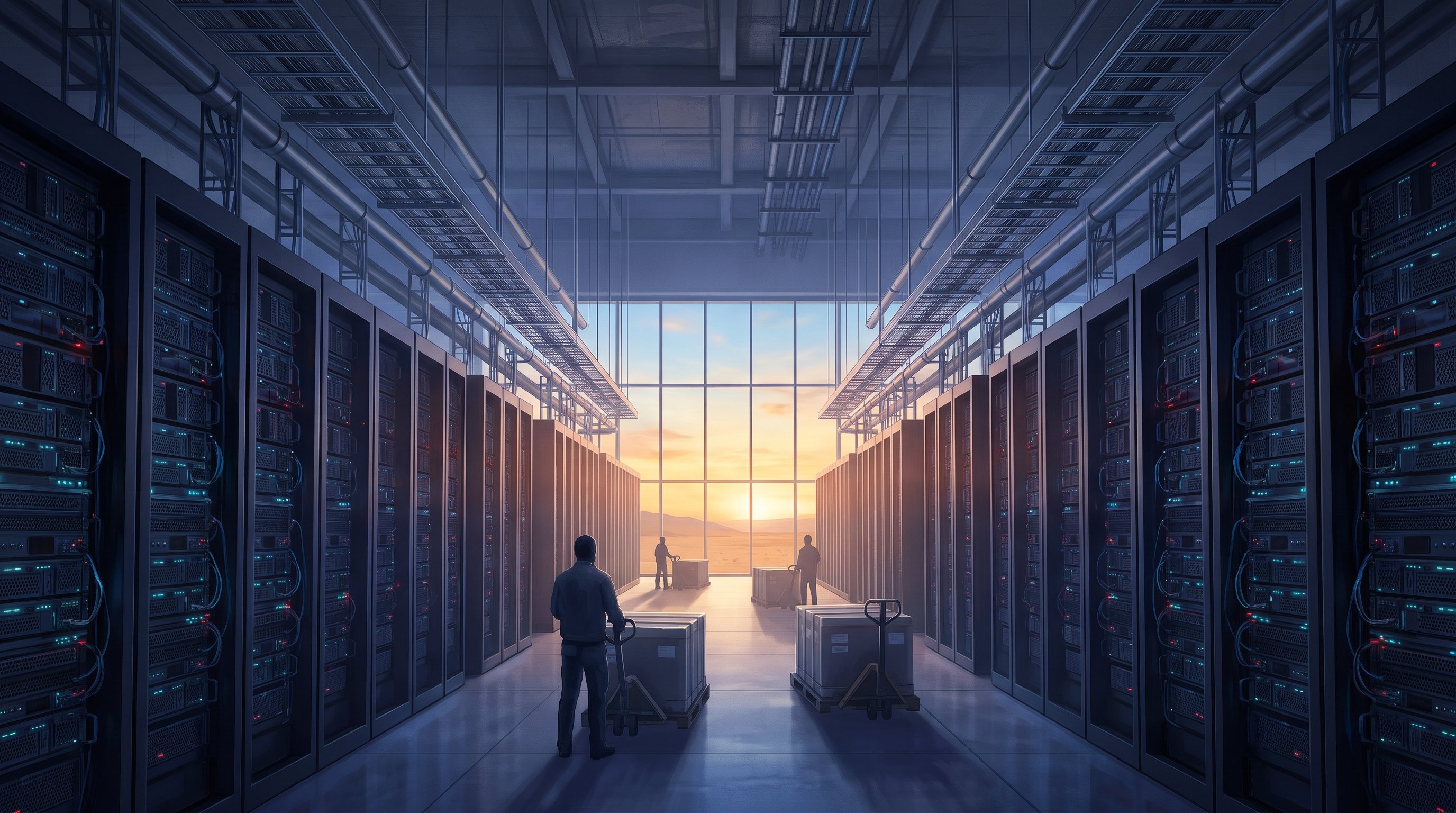
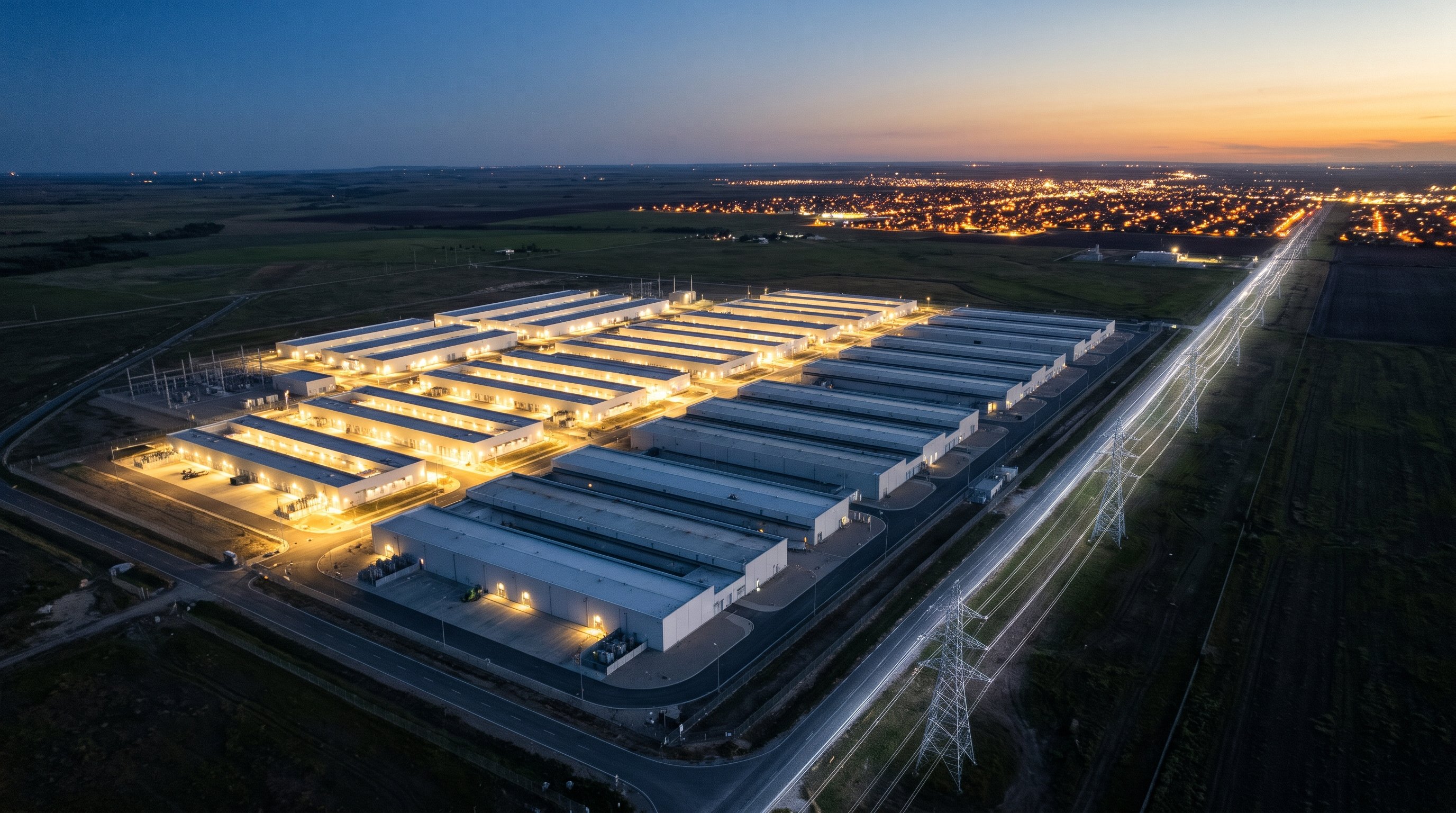
Nebius, a company that rents out computing power for AI through the cloud, plans to invest between 40 and 45 billion dollars in new data centres and equipment in 2027. That is enough for more than 1 gigawatt of extra capacity, measured as the amount of electricity the new computers use together. The company announced the plans along with its third-quarter results.
What stands out is how Nebius intends to pay for it. According to the company, 75 to 85 per cent of the money will come from customer prepayments and from loans secured on the machines and customer contracts. In other words, customers are already paying for computing power that still has to be built.
Customers pay in advance
In the third quarter, Nebius signed contracts with a total value of 12 billion dollars. For those contracts, the prepayments cover all of the related construction costs. For the contracts from the second quarter, that share was still 50 to 60 per cent. Microsoft and Meta were among the customers that paid large sums in advance.
Revenue in the third quarter was 980.8 million dollars, almost seven times as much as a year earlier. Nebius still made a loss of 37.5 million dollars. For 2027 the company expects revenue of 12 to 13 billion dollars, about four times as much as in 2026. It also expects to break even before tax for the first time in the last quarter of 2027: income and costs will then be equal.
Delay caused by the power supply
Not everything is going to plan. A data centre in Vineland, in the US state of New Jersey, is months behind schedule. Microsoft rents computing power there under a contract worth up to 19.4 billion dollars. Just over half of that capacity is expected to become available at the end of 2026, the rest in the first half of 2027. As a result, Nebius expects its 2026 revenue to come in at the lower end of the 3 to 3.4 billion dollars it gave earlier.
The cause lies in the electricity. The site's operator, DataOne, wound down the temporary gas generators faster than planned, while the fuel cells from Bloom Energy are still being installed. These are cabinets that make electricity from gas without burning it. The New Jersey regulator earlier fined the site 1.1 million dollars for generators without a permit. According to Nebius, no capacity has been cancelled and Microsoft has helped shape the new schedule. The contract does give Microsoft the right to compensation for late delivery.
What does this mean for the road to the singularity?
Money seems to be less and less of a problem for computing power. Customers such as Microsoft and Meta want capacity so badly that they pay before the building is even there. For a builder like Nebius that is good news: the more customers pay in advance, the faster it can expand without first borrowing everything itself. And whoever delivers first wins the customer, so competitors have to keep up at the same pace.
The story from Vineland shows where the bottleneck then lies: in electricity and permits. If that trend continues, a data centre's own power source on site, like the fuel cells in New Jersey, will become just as important as the chips inside it. That forces builders to deal with energy much earlier. If they succeed, the result is not only more computing power for better AI models, but also a strong push for new ways of generating electricity, which in the end benefits everyone.
What is the technological singularity? Read the explanation →